Do Solar Panels Lose Efficiency Over Time?
It's a common worry for anyone thinking about going solar: Will these expensive panels actually keep pumping out power for decades, or are they just going to slowly fizzle out and become expensive roof ornaments? The truth is, all solar panels do lose a bit of their punch over time, but understanding how and why this happens, and what you can do about it, is key to making a confident investment. This comprehensive guide will demystify solar panel degradation, explaining exactly why and how panels lose efficiency, what factors accelerate this process, and crucially, how you can maximize your system's long-term performance and savings.
Understanding Solar Panel Degradation Rates
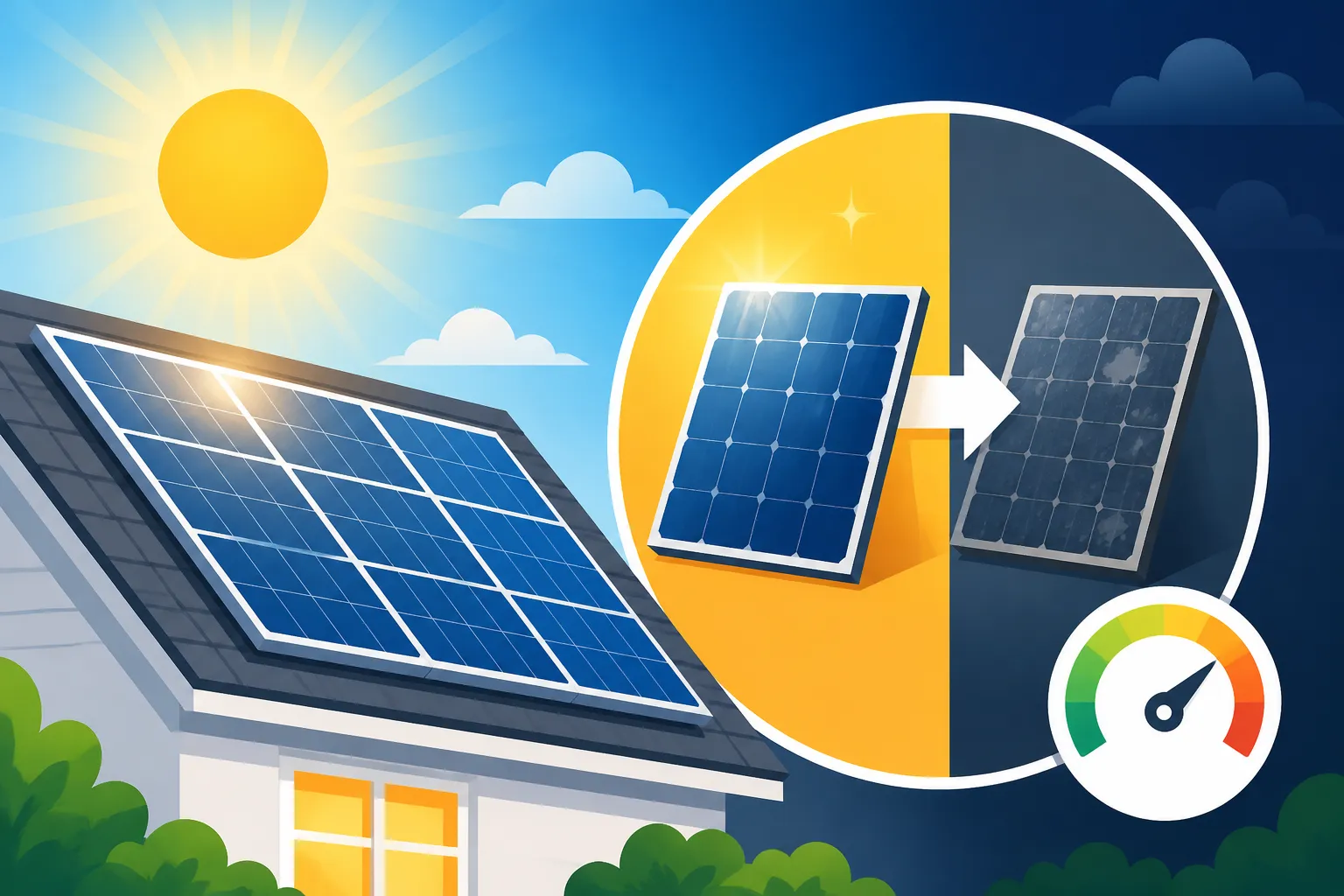
When you're looking at investing in solar, one of the first things you'll hear about is how long the panels last. But "lasting" doesn't necessarily mean operating at peak day-one efficiency forever. Solar panels, like almost any other outdoor technology, will experience a gradual decrease in their power output over many years. This natural decline is what we refer to as solar panel degradation. It's not a sudden drop-off, but rather a slow, predictable, and measurable process that manufacturers factor into their designs and warranties.
What is "Linear Degradation" and Why Does It Matter?
The concept of "linear degradation" is central to understanding how solar panels age. It essentially means that solar panels are expected to lose a relatively consistent, small percentage of their maximum power output each year. Instead of a steep, unpredictable decline, you can anticipate a steady, gradual reduction in performance over their operational lifespan. Think of it like a very slow dimmer switch, rather than a light bulb suddenly going out. This predictability is incredibly important for financial planning and for calculating your Solar Panel Payback Period Explained. If degradation were erratic, it would be nearly impossible to accurately forecast your energy savings and overall return on investment for decades into the future.
Manufacturers typically specify a linear degradation rate in their performance warranties. For instance, a common warranty might guarantee that a panel will produce at least 90% of its original rated power after 10 years, and 80-85% after 25 years. This isn't just a marketing gimmick; it's a critical assurance that helps you understand the long-term value of your system. If your panels degrade faster than this guaranteed rate, you have a claim under warranty. Understanding this linear decline helps you set realistic expectations for your system's output years down the line and ensures you aren't surprised by a drop in performance that you thought shouldn't happen.
Average Degradation Rates Across the Industry
So, what's a typical degradation rate you can expect? Generally, most modern photovoltaic (PV) solar panels degrade by about 0.5% to 1% per year after their initial first-year drop, which can sometimes be a bit higher (around 2-3% in the very first year due to initial exposure to light, known as Light-Induced Degradation or LID). This range, while seemingly small, can add up over the 25-30+ year lifespan of a solar energy system. Many high-quality panels today aim for the lower end of that range, often guaranteeing a degradation rate closer to 0.5% annually. For example, a panel starting at 400 watts might be expected to produce around 398 watts in its second year, then 396 watts in its third, and so on.
However, these are averages, and the actual rate can vary based on several factors, including the panel's technology, the quality of materials used, and even the climate it's installed in. Premium brands often boast lower degradation rates, giving them a slight edge in long-term performance and overall energy production. When comparing different solar panel options, always ask about their guaranteed degradation rate as part of their Solar Panel Warranties Explained. This seemingly small percentage can translate into significant differences in total electricity generated and the financial benefits you receive over the system's lifespan, directly impacting How Much Can You Save With Solar Panels?
Manufacturer Guarantees vs. Real-World Performance
It’s crucial to distinguish between what manufacturers guarantee and what panels actually do in the real world. A manufacturer's performance warranty, typically lasting 25 years, states that your panels will produce a certain percentage of their original output at specific milestones. For instance, a common warranty might ensure 90% production at 10 years and 80-85% at 25 years. This is your safety net, protecting your investment if your panels underperform significantly due to manufacturing defects or unforeseen accelerated degradation.
However, real-world studies often show that many high-quality solar panels perform even better than their warranties suggest. Research from organizations and universities frequently finds that the average degradation rate can be slightly lower than the guaranteed 0.5% per year for top-tier panels. This means your system might continue to produce more power than the minimum guaranteed, which is excellent news for your long-term savings. The difference between the guaranteed minimum and actual performance can be influenced by the specific panel technology, the quality of installation, and even how well the system is maintained. For example, a poorly installed system might degrade faster than expected, even with high-quality panels.
Factors Contributing to Solar Panel Efficiency Loss
Solar panels are incredibly robust, designed to withstand the elements for decades. However, they're not impervious to everything. Several factors, both environmental and physical, can contribute to their gradual loss of efficiency over time. Understanding these can help you appreciate why certain panels perform better than others and why proper installation and care are so vital.
Environmental Stressors: Heat, UV, and Moisture
The very environment that makes solar panels possible also contributes to their degradation. Over decades, constant exposure to the elements takes its toll.
-
Heat: While solar panels need sunlight to produce electricity, excessive heat can actually reduce their efficiency. All solar panels have a temperature coefficient, which indicates how much their power output decreases for every degree Celsius above a certain optimal temperature (usually 25°C or 77°F). In extremely hot climates like Arizona or parts of California's Central Valley, panels can heat up significantly, leading to temporary drops in efficiency. Over many years, prolonged exposure to high temperatures can accelerate the physical degradation of the panel's materials, such as the encapsulant that protects the solar cells. This is one of the reasons why you might see differences in Solar Panel Cost by State, as robust panels for hotter climates might be recommended.
-
UV Radiation: Just like direct sunlight can damage your skin over time, the sun's ultraviolet (UV) rays can degrade the materials in solar panels. The encapsulant material, often made of EVA (ethylene vinyl acetate), can yellow and become less transparent, reducing the amount of sunlight reaching the solar cells. This process, known as UV degradation, slowly diminishes the panel's ability to convert sunlight into electricity. Modern panels use advanced encapsulants and backsheets designed to be highly resistant to UV, significantly slowing this effect, but it's still a factor over many decades.
-
Moisture Ingress: Water, in the form of rain, humidity, or snowmelt, is a constant presence for rooftop solar panels. While panels are sealed to be weatherproof, tiny imperfections or cracks that develop over time can allow moisture to seep in. If moisture reaches the solar cells or electrical components, it can cause corrosion, short circuits, or "snail trails" (discoloration patterns that indicate degradation), all of which can reduce efficiency. This issue is more prevalent in panels with lower manufacturing quality or those that experience significant temperature fluctuations leading to expansion and contraction, which can compromise seals. Ensuring proper drainage and sealing during installation is crucial to prevent long-term moisture problems.
Physical Wear and Tear: Microcracks and Delamination
Beyond the invisible assault of the elements, solar panels can also suffer from physical damage that impacts their performance.
-
Microcracks: These are tiny, often invisible cracks in the silicon solar cells themselves. They can be caused by various factors, including manufacturing defects, rough handling during shipping or installation, or stress from extreme weather events like hail, strong winds, or even heavy snow loads. While a single microcrack might not severely impact overall panel performance, a proliferation of them can isolate parts of the cell, leading to reduced power output. They can also create "hot spots," areas where resistance increases, further accelerating degradation. High-quality panels are designed with more robust cell structures and undergo rigorous testing to minimize the risk of microcracks. This is where choosing panels from the Best Solar Panels of 2026 lists can make a real difference.
-
Delamination: This refers to the separation of the layers within the solar panel, specifically the encapsulant from the glass cover or the cells. It often appears as bubbles or discolored areas under the glass. Delamination can be caused by moisture ingress, thermal stress (repeated heating and cooling), or manufacturing defects. When delamination occurs, it creates air pockets that can reflect or refract sunlight, preventing it from reaching the solar cells efficiently. It also exposes the cells to environmental factors, accelerating further degradation and potentially leading to electrical issues. A well-manufactured panel with high-quality encapsulant materials and a meticulous lamination process is less prone to delamination.
Installation Quality and System Components
The quality of your solar panels is important, but equally critical is the quality of the installation and the supporting components that make up your entire system. A flawless panel can still underperform if the installation is shoddy or if other parts of the system are subpar.
-
Substandard Installation Practices: Poor installation can inadvertently accelerate panel degradation. If panels are improperly mounted, they might experience undue mechanical stress, leading to microcracks or warping. If wiring connections are not secure, they can corrode over time, increasing resistance and reducing overall system output. Furthermore, inadequate ventilation underneath the panels can cause them to run hotter than designed, exacerbating heat-related efficiency losses. Choosing a reputable and experienced installer is paramount. They understand proper mounting techniques, electrical standards, and optimal panel spacing to ensure adequate airflow. This highlights the importance of asking the right questions and doing your homework when learning How to Choose a Solar Installer.
-
Inverter and Wiring Degradation: It's not just the panels that age. Your solar inverter, which converts the DC electricity from your panels into usable AC power for your home, also has a lifespan and can degrade. String inverters, for example, typically last 10-15 years, while microinverters, like those from Enphase, often come with 25-year warranties, aligning with panel lifespans. As inverters age, their efficiency can slowly decline, meaning less of the power generated by your panels actually reaches your home. Similarly, old or poorly installed wiring can become brittle, corroded, or suffer from insulation breakdown, leading to power losses and potential safety hazards. When considering your overall system, remember to factor in the longevity and quality of all components, not just the panels themselves. Understanding the distinctions between Solar Inverters: String vs Microinverter vs Optimizer can help you select a system that balances initial cost with long-term reliability and efficiency.
Impact of Degradation on Your Solar System's Performance
It's natural for solar panels to lose a little bit of their original power output year after year. While this might sound concerning on the surface, understanding the actual impact on your system's performance and, more importantly, your wallet, helps put it into perspective. The effects are gradual, but they do accumulate over the decades-long life of a solar energy system.
Reduced Energy Output and Financial Returns
The most direct consequence of solar panel degradation is a gradual reduction in the amount of electricity your system produces. If your panels degrade at, say, 0.5% per year, by the 10th year, they’ll be producing about 95% of their initial output. By year 25, that figure drops to roughly 87.5%. For a 10 kW system that initially produced 13,000 kWh per year, by year 25, it would be producing around 11,375 kWh annually. That's still a significant amount of power, but it's less than what you started with.
This reduction directly impacts your financial returns. Less electricity generated means you're offsetting less of your utility bill, or selling less back to the grid if you have a favorable net metering arrangement. Over the course of 25 to 30 years, these small annual losses can add up. However, it's essential to remember that electricity rates from your utility company are almost guaranteed to increase over the same period. So, even with a slightly degraded system, the cost savings compared to continually rising utility rates often make solar a fantastic long-term investment. Most financial models for solar systems already account for this expected degradation, so your projected savings should already factor it in.
How Degradation Affects Your Payback Period
The payback period is the length of time it takes for the savings from your solar panels to equal the initial cost of your system. It's a key metric for understanding your return on investment. Solar panel degradation naturally extends this period slightly, as your system generates incrementally less money (or savings) each year. For instance, if a system with no degradation might have a 9-year payback period, one with a 0.5% annual degradation rate might stretch that to 9.5 or 10 years, depending on other factors like electricity rate increases and available incentives.
However, the impact is often less dramatic than some homeowners fear, precisely because the degradation rate is so small and predictable. Most reputable solar installers and financial calculators will incorporate a standard degradation rate into their projections, providing you with a more realistic expectation of your Solar Panel Payback Period Explained. What really moves the needle on payback period are things like the initial system cost, local electricity rates, and any Federal Solar Incentives That Still Exist in 2026 or State Solar Incentives: Complete 2026 Guide. Degradation is a factor, but a relatively minor one in the grand scheme of your solar system's financial viability.
The Role of Monitoring in Tracking Efficiency
One of the best tools homeowners have to combat the unknown aspects of degradation is a robust monitoring system. Modern solar setups, especially those using microinverters like Enphase or power optimizers like SolarEdge, often come with advanced monitoring platforms that allow you to track the performance of individual panels in real-time. This isn't just a fancy gadget; it's a critical diagnostic tool.
By regularly checking your system's output through a web portal or smartphone app, you can easily spot if a single panel, or even a section of panels, is underperforming compared to the others. This could indicate faster-than-expected degradation, shading issues, a faulty inverter, or even physical damage. Early detection allows for prompt investigation and potential warranty claims if the issue stems from manufacturing defects or excessive degradation. Without monitoring, it could take months or years to notice a subtle dip in overall system output, by which time the problem might be more severe or harder to pinpoint. Many monitoring systems also provide historical data, allowing you to observe trends and compare current performance to previous years, helping you track your system's natural degradation and ensure it's within expected parameters.
Mitigating Efficiency Loss and Maximizing Panel Lifespan
While some degree of solar panel degradation is inevitable, there are proactive steps you can take to slow the process down, protect your investment, and ensure your system continues to produce power efficiently for as long as possible. It's all about making smart choices upfront and implementing good habits throughout your system's life.
Choosing Quality Panels and Reputable Installers
The foundation of a long-lasting, high-performing solar system begins with the components you select and the professionals you hire. Investing in quality upfront can save you headaches and maximize efficiency over the long haul.
-
Quality Solar Panels: Not all solar panels are created equal. Top-tier manufacturers, like Maxeon, REC, and Qcells, often invest heavily in research and development, utilizing advanced materials and stringent quality control processes. These panels typically boast lower degradation rates, better performance in high temperatures, and more robust construction that resists physical wear and tear. They often come with superior Solar Panel Warranties Explained, sometimes offering 25-year product warranties in addition to performance guarantees. While they might have a higher upfront cost, the long-term benefits in terms of consistent energy production and reduced risk of premature degradation often justify the investment. When you're researching, look into the specific technologies used (e.g., PERC, TOPCon, HJT) as these can influence a panel's efficiency and durability, a topic covered in more detail in Solar Panel Technology: TOPCon, HJT & PERC.
-
Reputable Installers: Even the best panels can underperform or degrade prematurely if installed incorrectly. A shoddy installation can lead to microcracks from overtightening, poor electrical connections, inadequate ventilation, or even roof leaks that impact system integrity. A reputable installer will have certified technicians, a strong track record, positive customer reviews, and transparent communication. They will conduct a thorough site assessment, design a system optimized for your home's unique conditions, and adhere to all local building codes and best practices. They'll also ensure proper mounting and wiring, minimizing stress on the panels and maximizing airflow. Taking the time to research and choose a reliable installer is as crucial as selecting quality equipment; it's truly an investment in your system's longevity and performance.
Regular Maintenance and Cleaning Practices
Think of your solar panels like a car; they need a bit of TLC to run optimally. While solar panels require far less maintenance than many home appliances, some basic care can go a long way in preserving their efficiency.
-
Cleaning: Dust, pollen, bird droppings, leaves, and other debris can accumulate on the surface of your panels, blocking sunlight and reducing their efficiency. In most climates, rain will provide a natural rinse that keeps panels reasonably clean. However, in drier regions or during extended dry spells, a buildup can occur. Experts suggest cleaning panels once or twice a year, or as needed, especially if you notice a significant drop in production on your monitoring system. For most homeowners, a gentle rinse with a hose from the ground is sufficient. Avoid harsh chemicals, abrasive brushes, or high-pressure washers, which can damage the panel surface or seals. If your roof is steep or difficult to access, consider hiring a professional solar cleaning service. Sometimes you can even find specialized cleaning kits on platforms like Amazon.
-
Inspections: Beyond cleaning, occasional visual inspections can help identify potential issues early. From the ground, you can often spot physical damage like cracked glass, loose wiring, or significant debris accumulation. If you have safe roof access, you can check for signs of delamination, loose mounting hardware, or pest infestations (birds or rodents nesting under panels). For a more thorough check-up, consider scheduling a professional inspection every few years. An expert can assess the integrity of the racking, check electrical connections, verify inverter performance, and ensure everything is operating as it should. This proactive approach to Solar Panel Maintenance & Cleaning can catch small problems before they become big, efficiency-sapping issues.
The Benefit of Solar Batteries for Longevity
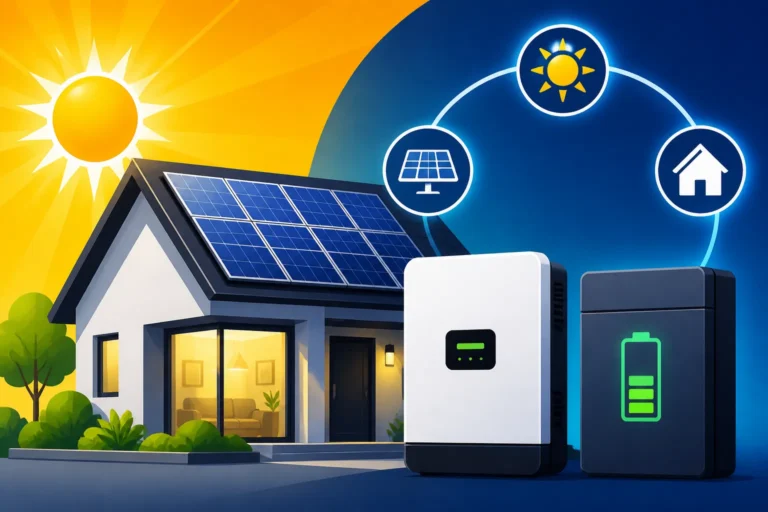
While solar batteries don't directly prevent panel degradation, they play a significant role in maximizing the value of your solar energy system, especially as panels age and utility policies evolve. Batteries essentially create a buffer, allowing you to optimize your energy consumption and manage how you use the power your panels produce.
-
Maximizing Self-Consumption: As your panels age, their peak output might slightly decrease. With a solar battery, you can store excess energy generated during the sunniest parts of the day and use it during peak utility rate hours or after the sun goes down. This means you're relying less on the grid when electricity is most expensive, effectively maximizing the value of every kilowatt-hour your panels produce, regardless of minor degradation. In regions with less favorable net metering policies, or where Time-of-Use rates are prevalent, a battery becomes even more critical for maintaining savings. You can read more about this in Do I Need a Battery With Solar?
-
Energy Resilience: Beyond daily savings, batteries like the Tesla Powerwall or Enphase IQ Battery provide invaluable backup power during grid outages. While not directly related to panel degradation, this resilience ensures that even if your panels are producing slightly less than their day-one maximum, you still have access to reliable power when the grid goes down. This peace of mind is a significant benefit that enhances the overall worth of your solar investment, especially when considering the long operational life of the entire system. Having a battery also means you're making the most of your solar production regardless of how Net Metering Explained: How It Works by State evolves in your area.
When to Consider Replacing Your Solar Panels
The thought of replacing solar panels might seem premature given their long warranties, but there will come a point, decades down the line, when it makes sense to consider an upgrade or full replacement. This decision isn't always about panels completely failing, but rather about optimizing your energy production and taking advantage of technological advancements.
Assessing End-of-Life Performance
Most solar panel warranties guarantee performance for 25 years, and many panels continue to produce electricity well beyond that, often for 30 years or more. However, by the time they reach this age, their efficiency will have naturally declined. A panel guaranteed to produce 80-85% of its original output at 25 years might be closer to 70-75% at 30 years, and so on. At some point, the amount of electricity they generate may no longer meet your household's demands, or the system's output might become less cost-effective compared to upgrading.
The decision to replace often hinges on a few factors:
- Significant Drop in Output: If your monitoring system shows a substantial, unexplained drop in overall production that goes beyond the expected degradation rate, it might be time to investigate further. This could be due to accelerated degradation of specific panels, inverter failure, or other system issues.
- Increased Energy Needs: Has your family grown? Have you added an electric vehicle, a new HVAC system, or other high-energy appliances? If your energy consumption has significantly increased and your aging solar system can no longer keep up, an upgrade might be warranted.
- Maintenance Costs: While solar panels require minimal maintenance, very old systems might start experiencing component failures (e.g., inverter issues, wiring problems) that are costly to repair. At some point, the expense of maintaining an aging, less efficient system outweighs the benefits of keeping it.
At this "end-of-life" stage, it's wise to consult with a solar professional. They can conduct a thorough assessment of your system's actual output, compare it to your current energy needs, and provide an analysis of whether a replacement or an addition of new panels makes the most financial sense.
Advances in Technology and Upgrade Opportunities
The solar industry is constantly innovating, and just like with cell phones or computers, new generations of solar panels often offer significant improvements in efficiency and power output. This creates compelling upgrade opportunities even for systems that are still technically functional.
- Higher Efficiency and Smaller Footprint: Newer panels might boast efficiencies upwards of 22-23%, compared to 15-18% for panels from 10-15 years ago. This means you can generate more electricity from the same roof space, or even reduce the number of panels needed for the same output. If you have limited roof space, replacing older, less efficient panels with high-efficiency 400W vs 450W Solar Panels can significantly boost your overall production without expanding your system's physical footprint.
- Improved Durability and Features: Modern panels often come with enhanced durability, better temperature coefficients (meaning they perform better in heat), and integrated technologies like microinverters for panel-level optimization. These advancements can lead to greater long-term reliability and more granular control over your system's performance.
- Battery Integration: If your original system didn't include a battery, integrating one with newer panels can further enhance your energy independence and savings, especially in areas with changing utility policies like California's NEM 3.0. Companies like LG and FranklinWH are consistently pushing the envelope on battery storage, which can pair seamlessly with a new panel system. The latest Best Solar Batteries of 2026 offer improved capacity and functionality that weren't available a decade ago.
Considering an upgrade means weighing the cost of new panels and installation against the increased savings and benefits you'd gain. For many homeowners with systems approaching the 20-25 year mark, the jump in technology and efficiency can make a strong case for replacing their panels, particularly if they can take advantage of any new local or Utility Solar Rebates: How to Find Yours.
Recycling Options for Old Solar Panels
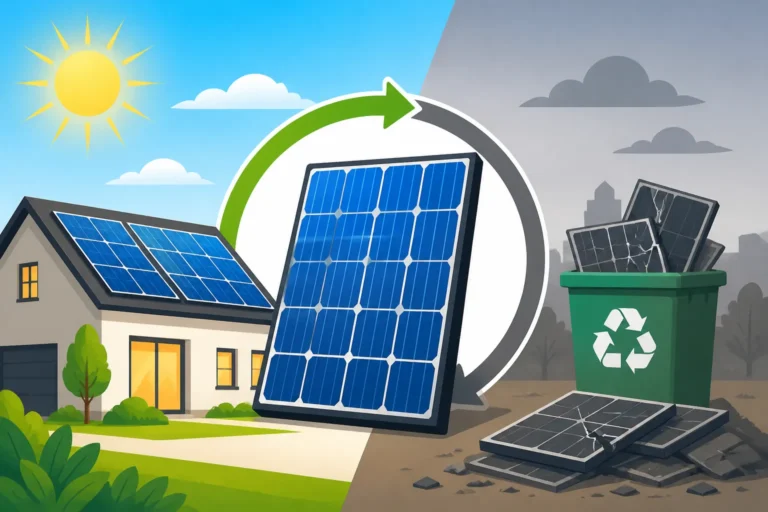
When you do decide to replace your aging solar panels, don't just send them to the landfill. Solar panel recycling is an evolving industry, and responsible disposal is becoming increasingly important. Solar panels contain valuable materials like silicon, aluminum, copper, and glass, which can be recovered and reused.
- Specialized Recycling Facilities: While curbside recycling isn't an option for solar panels, several specialized facilities across the country are dedicated to processing them. These facilities dismantle the panels, separate the components, and recover the raw materials. Some manufacturers, particularly those committed to sustainability, have "take-back" programs for their old panels, ensuring they are recycled properly.
- Environmental Responsibility: Choosing to recycle your old panels aligns with the very environmental ethos of going solar in the first place. It minimizes waste, conserves natural resources, and prevents potentially harmful substances from entering landfills. As the first wave of residential solar systems installed in the early 2000s begin to reach their end-of-life, the infrastructure for solar panel recycling is growing and becoming more accessible. Your solar installer might even have connections to local recycling programs or be able to facilitate the disposal of your old panels when they install your new ones. It’s always worth asking your installer about their recycling practices.
| Component | Primary Material | Recycling Potential | Notes |
|---|---|---|---|
| Glass | Silicon dioxide | High | Can be crushed and reused in new glass products or insulation. |
| Aluminum Frame | Aluminum | High | Easily melted down and repurposed for new frames or other products. |
| Solar Cells | Silicon, Silver, Copper | Moderate | Silicon can be purified and reused; precious metals recovered. |
| Encapsulant | EVA, other polymers | Low to Moderate | Can be incinerated for energy; some newer methods can recover polymers. |
| Backsheet | Polymers | Low | Often incinerated; efforts underway to improve polymer recovery. |
| Wiring | Copper, plastic | High | Copper is highly valuable and easily recyclable; plastic sheath can be. |
Note: Recycling potential and processes can vary by facility and panel technology.
Disclaimer
This guide is intended for informational purposes only and does not constitute professional advice. The information provided is based on general industry knowledge and may not be applicable to all individual situations. Always consult with certified solar professionals and relevant local authorities for specific advice regarding your solar energy system, incentives, installation, and maintenance. Local regulations, utility policies, and product availability can vary significantly.