Tesla Powerwall 3 vs SolarEdge Home Battery Solar Battery
Deciding on the perfect solar battery for your home can feel like navigating a maze, especially when you're faced with advanced options from leading brands. Many homeowners feel overwhelmed, trying to weigh the technical specs, integration capabilities, and long-term value between compelling choices. This guide aims to cut through that confusion, offering a detailed, realistic comparison between two prominent contenders: the Tesla Powerwall 3 and the SolarEdge Home Battery, helping you understand which might be the better fit for your energy needs.
Why Home Solar Batteries Are Becoming Essential for Homeowners
For years, the dream of solar power was largely about reducing your electricity bill by generating your own energy. But with fluctuating grid reliability, rising electricity costs, and shifts in solar incentives, simply generating power isn't always enough. Home solar batteries have moved from a luxury to a near necessity for many, offering peace of mind and greater energy independence.
Beyond Grid Reliance: The Peace of Mind of Stored Power
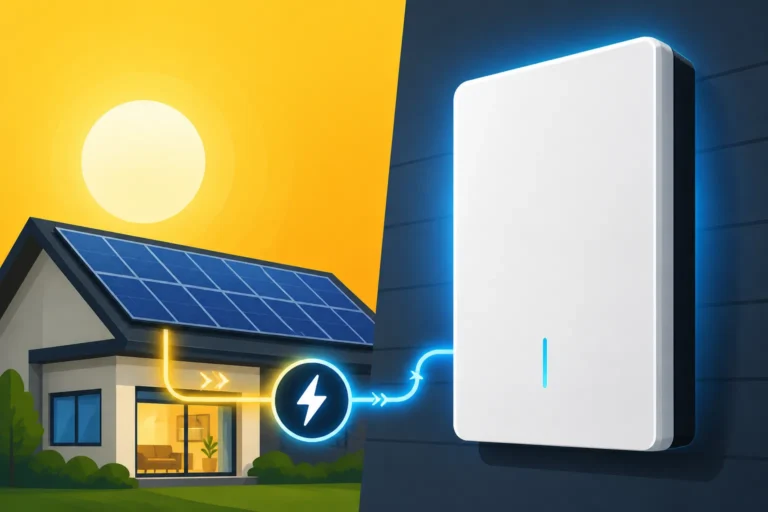
Remember those frustrating moments when the power flickers, or worse, goes out entirely during a storm or unexpected grid issue? For homeowners with solar panels but no battery, that means your lights go out right along with everyone else's. Your solar system, designed to generate power, often shuts down to protect utility workers. This is where a home battery truly shines. It stores the excess electricity your panels produce during the day, giving you a personal energy reserve to draw from when the sun isn't shining or the grid goes down.
Think about a sweltering summer day in Arizona. Your air conditioning is running full blast, and suddenly, the grid fails due to strain. If you have a solar battery, your essential appliances – and perhaps even your whole home, depending on system size – can continue to run smoothly, powered by your stored energy. This isn't just about comfort; it's about protecting sensitive electronics, keeping your food fresh, and maintaining critical medical equipment if needed. It fundamentally changes the experience of living with solar, providing a layer of security that grid-tied systems alone cannot offer. It’s also crucial for understanding how to claim remaining solar tax credit carryforward if you’re looking to maximize your investment in energy resilience.
Navigating Evolving Solar Incentives and Maximizing Savings
The solar landscape is always changing, and many areas are seeing shifts away from lucrative full retail net metering programs. Take California, for example, with the implementation of NEM 3.0, or Net Billing. Under this new structure, the credits you receive for sending excess solar power back to the grid are significantly reduced compared to older policies. This change makes exporting power less financially attractive and dramatically increases the value of self-consumption – using the power you generate yourself, rather than sending it to the utility.
This is precisely where solar batteries become game-changers. By storing your excess solar production, you can use that energy later when electricity rates are highest, or when your panels aren't producing, like in the evening. This strategy, often called "time-of-use" optimization, allows you to avoid purchasing expensive peak-rate electricity from the utility. In states with less favorable net metering policies or even solar buyback programs in Texas that offer lower rates, a battery helps you maximize every kilowatt-hour your panels produce, effectively allowing you to "bank" your energy savings. This is a critical consideration if you're asking, "Are solar batteries still eligible for incentives in 2026?" as many state and local programs are increasingly focused on energy storage solutions.
Tesla Powerwall 3: A Closer Look at its Features
Tesla has been a dominant name in the home energy storage market for years, and the Powerwall 3 continues that legacy with significant advancements. It’s not just a battery; it’s an integrated system designed to work seamlessly with Tesla's solar offerings.
Integrated Design and Performance Capabilities
The most significant change with the Powerwall 3 is its integrated inverter. Unlike previous Powerwall generations (Powerwall 1 and 2) that were essentially just batteries, the Powerwall 3 acts as both a solar inverter and a battery in one sleek unit. This means that if you're installing a new solar system with Tesla panels, you might only need one main piece of equipment for both power conversion and storage. This streamlined design can simplify installation and potentially reduce the number of components on your wall.
In terms of performance, the Powerwall 3 boasts an impressive 11.5 kW continuous power output, which is considerably higher than many residential batteries on the market. This high output means it can handle demanding loads like air conditioning units or multiple appliances running simultaneously, providing robust whole-home backup. With a usable capacity of 13.5 kWh, it offers substantial energy storage for most average-sized homes to ride out evening hours or even short power outages. The unit also includes a built-in "Backup Gateway" functionality that manages the disconnection from the grid during an outage, ensuring seamless power continuity for your home.
Ease of Installation and Ecosystem Integration
Tesla has focused on making the Powerwall 3 relatively straightforward for certified installers. Its all-in-one design means less wiring and fewer separate components to mount. While it still needs to be installed by a professional, the consolidated nature aims to reduce installation complexity compared to systems that require separate inverters, optimizers, and batteries from different manufacturers.
For homes already deeply entrenched in the Tesla ecosystem, the Powerwall 3 integrates effortlessly. If you have Tesla solar panels, a Tesla Electric Vehicle (EV), or even a Tesla home charging solution, the Powerwall 3 becomes another cog in that smart energy machine. The Tesla app provides comprehensive monitoring and control, allowing you to see your energy production, consumption, and battery status in real-time, even if you’re away from home. This holistic view allows for smart energy management, optimizing charging and discharging based on your usage patterns, electricity rates, and even upcoming weather events. This level of integration is a strong selling point for those who appreciate a unified, tech-forward approach to home energy.
SolarEdge Home Battery: Exploring its Strengths
SolarEdge has built a strong reputation for its inverter technology and power optimizers, and their Home Battery extends that innovation into the energy storage realm. It's designed with flexibility and smart energy management at its core, particularly appealing to those already using or considering a SolarEdge solar inverter.
Modular Design and Scalability
One of the standout features of the SolarEdge Home Battery is its modularity. Unlike the Powerwall 3's integrated design, the SolarEdge Home Battery is specifically designed to pair with SolarEdge's Hybrid Inverter. This means the battery itself doesn't contain an inverter; it works with your existing or new SolarEdge inverter. This approach offers significant flexibility, allowing homeowners to start with one battery module (typically 9 kWh or 10 kWh depending on the specific model) and easily add more modules later as their energy needs grow or their budget allows. You can stack multiple batteries, expanding your total storage capacity up to 23 kWh with two 11.5 kWh units or even more with additional inverters.
This modularity is a huge advantage for homeowners who anticipate their energy consumption might change over time, or for those who want to invest in storage incrementally. It means you're not locked into a single large unit upfront. The system's scalability also simplifies upgrades or replacements down the line, as individual modules can be serviced or swapped out without affecting the entire system.
Smart Energy Management and Optimization
SolarEdge is known for its intelligent energy management systems, and the Home Battery is no exception. It integrates seamlessly with the SolarEdge Energy Hub inverter, which allows for sophisticated control over how your solar energy is used, stored, and consumed. This inverter platform utilizes power optimizers on each solar panel, which means each panel operates independently, mitigating the impact of shading or soiling on overall system performance. This level of granular control extends to the battery.
The SolarEdge monitoring platform provides homeowners with deep insights into their energy flow, allowing for optimization strategies like "time-of-use" arbitrage (charging the battery when electricity is cheap and discharging when it's expensive) or prioritizing self-consumption to minimize grid reliance. For instance, if you live in an area with high peak electricity rates, the system can be programmed to ensure your home runs off battery power during those expensive evening hours, saving you money. If you're wondering, "Is it worth adding a battery to my solar system?", SolarEdge's smart management features certainly make a strong case for optimizing your existing or new solar array. The system can even prioritize charging an EV connected to a SolarEdge EV charger, truly creating a comprehensive home energy solution.
Head-to-Head Comparison: Powerwall 3 vs. SolarEdge Home Battery
Now that we've explored each system individually, let's put them side-by-side to highlight their key differences and help you understand which might be a better fit for your specific circumstances.
Key Technical Specifications and Performance Differences
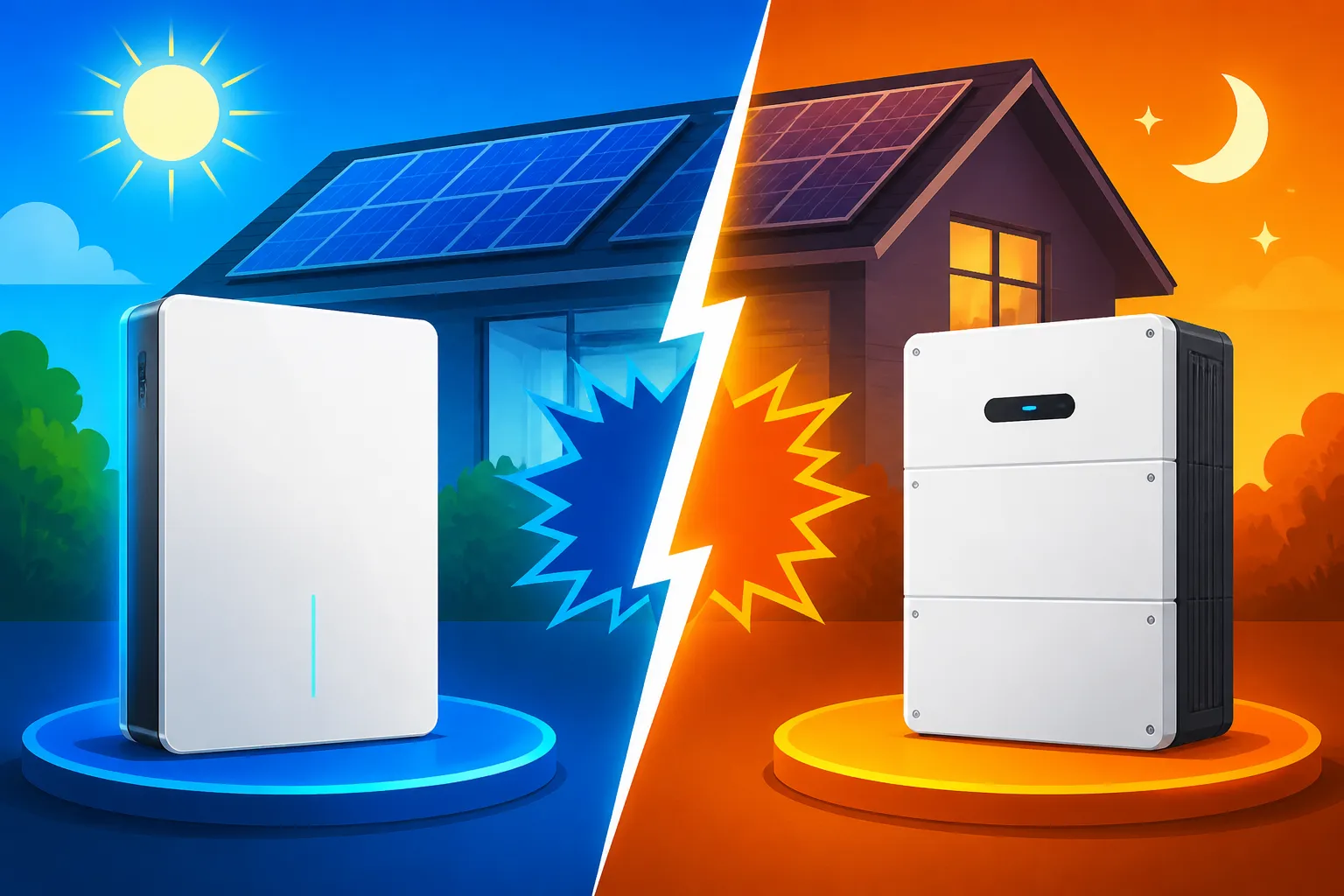
When looking at the raw numbers, both batteries are formidable, but their architectures lead to different strengths. The Tesla Powerwall 3 offers a high, single-unit continuous power output (11.5 kW), making it excellent for powering large loads during an outage without needing multiple units. Its integrated inverter simplifies the system if you're starting from scratch with a Tesla solar array. The usable capacity per unit is 13.5 kWh, which is generous for many homes.
The SolarEdge Home Battery, on the other hand, comes in different usable capacities (e.g., 9 kWh or 10 kWh per unit, and new 11.5 kWh options are emerging) but its power output is dependent on the paired SolarEdge Energy Hub inverter (typically 7.6 kW or 10 kW continuous power). While a single SolarEdge battery might have a lower power output than a Powerwall 3, its modularity allows you to combine multiple batteries for greater overall capacity. For example, two 11.5 kWh SolarEdge batteries would give you 23 kWh of storage, surpassing a single Powerwall 3's capacity, though the maximum power output would still be governed by the inverter it's paired with.
Here’s a quick overview of some key specs:
| Feature | Tesla Powerwall 3 | SolarEdge Home Battery |
|---|---|---|
| Type | DC-coupled, integrated inverter, all-in-one unit | DC-coupled, requires SolarEdge Energy Hub inverter |
| Usable Capacity | 13.5 kWh per unit | 9 kWh, 10 kWh, or 11.5 kWh per unit (modular) |
| Continuous Power | 11.5 kW | 5 kW (for 9kWh/10kWh units), higher for newer models; limited by inverter |
| Peak Power | 12.0 kW (10s) | 7.5 kW (for 9kWh/10kWh units, 10s); limited by inverter |
| Max Expandability | Multiple Powerwall 3 units can be stacked (up to 4 for most homes) | Multiple units can be stacked (e.g., up to 23 kWh with two 11.5 kWh units) |
| Efficiency (Roundtrip) | >90% | 94.5% |
| Primary Use | Whole-home backup, self-consumption, grid services | Self-consumption, time-of-use, backup, grid services |
| Footprint | Larger, single unit | Smaller, modular units (can be stacked) |
Cost, Warranty, and Long-Term Value
The cost of solar plus battery can be a significant investment, and both these premium options reflect that. While exact pricing varies widely by installer, region, and installation specifics, the Powerwall 3 typically comes with a higher upfront cost per unit due to its integrated inverter. However, this might simplify the overall system and potentially reduce labor costs for some installations. The SolarEdge Home Battery, while potentially less expensive per individual battery module, requires an existing or new SolarEdge Energy Hub inverter, which adds to the total system cost. It's really about comparing apples to apples: the complete system price. For example, if you already have a SolarEdge system, adding their battery might be more cost-effective than overhauling your inverter for a Powerwall 3.
When it comes to warranties, both Tesla and SolarEdge offer competitive guarantees. Tesla’s Powerwall 3 comes with a 10-year warranty, guaranteeing capacity retention (typically 70% or 80% after 10 years, or a minimum throughput). SolarEdge also provides a 10-year product warranty for its battery, usually with similar performance guarantees. Always review the detailed warranty documentation for specific terms and conditions.
In terms of long-term value, both systems offer excellent returns, especially when factoring in potential savings from reduced electricity bills, participation in virtual power plants (where available), and the intangible value of energy independence. The choice often comes down to your existing solar setup, your specific energy goals, and how much you value a fully integrated, single-brand ecosystem versus a more modular, adaptable one. Understanding the Solar Panel Payback Period Explained for your specific setup will shed more light on the financial benefits.
Ideal Use Cases and System Compatibility
The Tesla Powerwall 3 truly shines for new solar installations where homeowners are looking for a cohesive, powerful, and aesthetically pleasing all-in-one solution. If you’re considering Tesla solar panels, adding a Powerwall 3 makes the most sense for seamless integration. It's also ideal for homes with high power demands during outages, given its strong continuous power output. Its simplified design can be very appealing for a clean, modern setup.
The SolarEdge Home Battery, conversely, is an excellent choice for homes that already have a SolarEdge system or are planning to install one. Its modularity makes it perfect for homeowners who want to start small and expand their storage later. If you have complex rooflines, shading issues, or a strong preference for panel-level optimization (a hallmark of SolarEdge's inverter technology), the SolarEdge ecosystem with its battery can be a highly efficient and effective solution. It’s also a strong contender if you prioritize detailed energy management and the ability to finely tune your system's behavior. Many essential components can be found on platforms like Amazon, from wiring to monitoring equipment, allowing for a more hands-on approach to system management.
Making the Right Choice for Your Home
Choosing between the Tesla Powerwall 3 and the SolarEdge Home Battery involves more than just looking at technical specifications; it’s about aligning the battery system with your unique home, energy habits, and long-term goals.
Factors to Consider Before Deciding
Before you make a final decision, sit down and honestly assess these points:
- Existing Solar System: Do you already have solar panels? If so, what brand of inverter are you using? If you have a SolarEdge inverter, their Home Battery might be a more straightforward and cost-effective addition. If you have another brand, or are starting fresh, the Powerwall 3's integrated inverter could be a compelling all-in-one solution.
- Energy Consumption Habits: Are you a heavy energy user, especially during peak evening hours? Do you have large appliances (like central AC, well pumps, or an EV charger) that you want to back up? The Powerwall 3’s higher continuous power output might be better suited for demanding loads. If your usage is more moderate but you want extended backup, the modularity of SolarEdge could allow you to scale capacity effectively.
- Backup Needs: Are you looking for whole-home backup, or just critical loads (like lights, fridge, internet)? How long do you typically experience power outages? Understanding your backup priorities will dictate the required power output and capacity.
- Budget: Both systems represent a significant investment. Obtain detailed quotes for each option, including installation, to understand the total cost of ownership. Remember that the cheapest way to install solar in 2026 isn't always the best long-term solution.
- Aesthetics and Space: The Powerwall 3 is a single, larger unit. The SolarEdge Home Battery consists of smaller, stackable modules. Consider where the battery will be installed and which form factor best fits your available space and aesthetic preferences.
- Long-Term Goals: Do you plan to add an electric vehicle or more energy-intensive appliances in the future? Do you want the flexibility to expand your storage capacity easily? SolarEdge’s modularity can be advantageous here. Are you interested in participating in grid services or virtual power plants? Both systems offer these capabilities to varying degrees depending on your utility and state regulations.
- Integration with Other Smart Home Devices: If you're invested in a particular smart home ecosystem, consider how each battery system integrates. Tesla's platform offers a unified experience if you're already in their world (e.g., EV charging). SolarEdge also provides comprehensive monitoring and control through its app, and you can find many compatible smart home accessories on platforms like Amazon to further enhance your energy management.
- Local Incentives: Don't forget to research available state solar incentives: complete 2026 guide or utility solar rebates: how to find yours. These can significantly reduce the net cost of either system. For instance, some areas might offer specific incentives for adding battery storage.
The Importance of Professional Consultation
Choosing a solar battery isn't a DIY project for most homeowners. The complexity of integrating these high-voltage systems safely and efficiently requires expert knowledge. This is where professional solar installers become invaluable. They can assess your specific roof, energy usage, and electrical panel, providing tailored recommendations.
A good installer will:
- Conduct a thorough site assessment: They'll evaluate your electrical panel, available space, and energy needs.
- Provide detailed quotes: They should break down the costs for both the Powerwall 3 and SolarEdge Home Battery, including all necessary components and labor.
- Explain financing options: Whether you're considering solar loans: complete guide or paying cash, they can walk you through the financial implications.
- Handle permits and interconnection: These processes can be daunting, and a professional installer will manage all the paperwork for local permits and utility interconnection, including obtaining permission to operate (PTO).
- Ensure optimal system design: They’ll design a system that maximizes your energy savings and meets your backup needs effectively.
- Offer ongoing support: Post-installation, they can help with monitoring, maintenance, and any troubleshooting.
Don’t hesitate to get multiple quotes from reputable, local installers. Ask them to compare both the Powerwall 3 and SolarEdge Home Battery for your specific situation. This due diligence will empower you to make an informed decision that truly benefits your home and wallet for years to come. Remember, you can always find reliable solar monitoring tools and accessories on popular retail sites like Amazon to complement your chosen system.
Disclaimer
This article is intended for informational purposes only and does not constitute financial, tax, or legal advice. Solar technology, incentives, and regulations are subject to change. Always consult with qualified professionals, including a certified solar installer, financial advisor, and tax specialist, before making any decisions regarding your home solar system.