Tesla Powerwall 3 Review & Cost
The world of home solar energy is constantly evolving, and keeping up with the latest battery storage solutions can feel like a full-time job. Many homeowners are left scratching their heads, wondering which system truly delivers on its promises of energy independence and bill savings. You might be hearing a lot of buzz about the Tesla Powerwall 3, and perhaps you're wondering if it lives up to the hype and, more importantly, what it will actually cost you. This guide is designed to cut through the noise, providing a thorough review of the Tesla Powerwall 3, its features, performance, and the real-world costs involved.
Understanding the Tesla Powerwall 3: What's New and Different?
When Tesla first introduced the Powerwall, it revolutionized residential battery storage, making it a household name. With each iteration, the company aims to push the boundaries of what home energy storage can do. The Powerwall 3 builds on that legacy, bringing some significant design changes and performance upgrades that differentiate it from its predecessors and competitors. It’s not just a minor update; it's a re-imagination of how a home battery integrates with your solar energy system.
Integrated Inverter Design
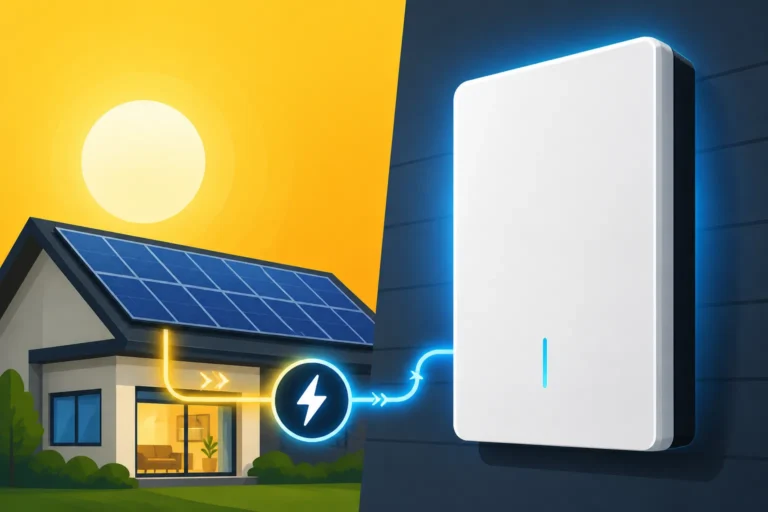
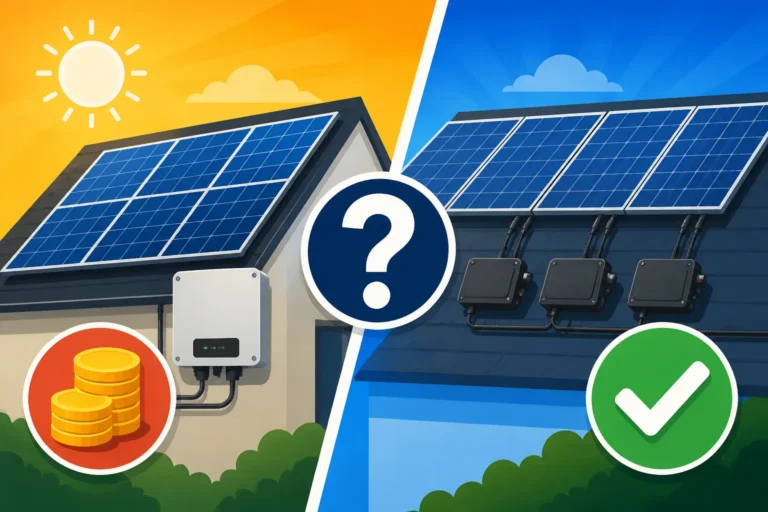
Perhaps the most significant change in the Powerwall 3 is its integrated solar inverter. This is a game-changer for many reasons, but primarily because it streamlines your entire solar-plus-storage setup. In previous versions, like the Powerwall 2, you'd need separate solar inverters (often string inverters or microinverters from brands like Enphase or SolarEdge) to convert the DC power from your solar panels into AC power for your home, and then the Powerwall had its own inverter to manage battery charging and discharging. This meant more components, more wiring, and often more complexity during installation.
With the Powerwall 3, that's all consolidated. The unit itself contains the inverter necessary for your solar panels and the battery. This reduces the number of pieces of equipment on your wall, potentially simplifying the installation process and minimizing points of failure. For a homeowner, this can translate to a cleaner aesthetic, less electrical work, and a more cohesive system that's designed to work perfectly together. However, this also means that if you're not already running on Tesla solar panels or planning to switch, integrating a Powerwall 3 might push you further into the Tesla ecosystem, which has both pros and cons that we’ll explore.
Enhanced Power and Capacity
Another major leap for the Powerwall 3 is its improved power output and, for some configurations, increased usable energy capacity. While the exact specifications can vary, generally, the Powerwall 3 boasts higher continuous power and peak power ratings compared to the Powerwall 2. This means it can deliver more electricity to your home at any given moment, which is crucial for running high-demand appliances during a power outage or for effectively managing your energy usage during peak rate hours.
Imagine a scenario where the grid goes down due to a storm. With older battery systems, you might have to carefully choose which appliances to run, maybe only the refrigerator and some lights. With the enhanced power capabilities of the Powerwall 3, you're much more likely to be able to power essential circuits, perhaps even some larger appliances like an electric stove or central air conditioning for short bursts, giving you a greater sense of normalcy and comfort during an unexpected outage. This added resilience is a significant draw for many homeowners looking to future-proof their homes against grid instability.
Scalability and System Integration
The Powerwall 3 is designed with scalability in mind, allowing homeowners to connect multiple units to meet their specific energy demands. Whether you have a small home with modest energy needs or a large residence with high consumption, you can tailor your battery storage system accordingly. Tesla's philosophy revolves around a holistic home energy solution, and the Powerwall 3 is a central component of that vision.
This integration extends beyond just the battery units themselves. When paired with Tesla solar panels and managed through the intuitive Tesla app, the entire system works in concert. The app provides real-time monitoring of your solar production, home energy consumption, and battery charge status. It can even intelligently dispatch power based on time-of-use rates, ensuring you're pulling from your battery when electricity is most expensive and charging it when rates are low or when your solar panels are producing excess energy. This seamless integration aims to maximize your savings and energy independence, truly making your home an active participant in its own energy management. For homeowners looking for a completely unified system from a single manufacturer, this integrated approach can be very appealing, although it does present the question of vendor lock-in, which is a common concern when considering advanced smart home technologies.
Performance and Technical Specifications: A Deep Dive
When you're investing in a home battery, you want to understand the nuts and bolts of what you're getting. The Powerwall 3 isn't just about sleek design; it's about robust performance, and its technical specifications tell an important story about its capabilities and how it stacks up against the competition. Diving into these details can help you determine if it truly meets your household's unique energy needs.
Technical Specifications Breakdown
Let's lay out some of the key specifications of the Tesla Powerwall 3. Keep in mind that exact figures can sometimes vary slightly based on regional configurations or updates, but these provide a strong baseline for what to expect.
| Feature | Tesla Powerwall 3 (Typical) | Explanation |
|---|---|---|
| Usable Energy Capacity | 13.5 kWh | This is the total amount of energy the battery can store and provide to your home. 13.5 kWh is generally sufficient to power essential circuits for a typical home for 12-24 hours, depending on usage. |
| Continuous Power Output | 11.5 kW | This is the steady rate at which the battery can supply power to your home. A higher continuous power output means it can run more appliances simultaneously, including heavier loads like air conditioning or electric heating, without tripping breakers or becoming overloaded. |
| Peak Power Output | Varies (higher than continuous, for short bursts) | While continuous power is important, peak power allows the battery to handle sudden surges from appliances starting up (like a well pump or a refrigerator compressor). The Powerwall 3's peak power is designed to handle common household surges. |
| Integrated Solar Inverter | Yes | This is a key differentiator. It eliminates the need for a separate solar inverter, streamlining installation and reducing potential inefficiencies from multiple power conversions. It simplifies wiring and system complexity. |
| Round-Trip Efficiency | ~90% | This measures how much energy is lost during the storage and retrieval process. A 90% efficiency means for every 10 kWh you put in, you get 9 kWh out. This is a very good efficiency rating, comparable to leading competitors. |
| Dimensions & Weight | Roughly 43.5" x 24" x 7.6" (H x W x D), ~287 lbs (130 kg) | These dimensions make it relatively compact for its capacity, but it's still a significant piece of equipment. The weight requires professional installation and a sturdy mounting surface, typically on an exterior wall or in a garage. |
| Warranty | 10 years (with performance guarantee) | Tesla typically offers a 10-year warranty, guaranteeing a certain percentage of its original capacity remaining by the end of the warranty period. This is standard in the industry and provides peace of mind regarding the longevity of your investment. Check specific terms, as they can sometimes include cycles or throughput. |
| Operating Temperature | -4°F to 122°F (-20°C to 50°C) | This wide operating range ensures the battery can perform reliably in most climates, though extreme temperatures might still impact efficiency or lifespan over time. |
A 13.5 kWh capacity with an 11.5 kW continuous output means this battery is a serious contender for whole-home backup for many households. You can truly experience a significant level of energy independence during grid outages. For a homeowner, this table provides a snapshot of the Powerwall 3's capabilities, helping you compare it directly with other options like the Enphase IQ Battery and FranklinWH aPower.
Real-World Performance and Efficiency
Beyond the raw numbers, how does the Powerwall 3 perform in your daily life? The integrated inverter plays a crucial role here. By combining the solar inverter and battery inverter into one unit, the Powerwall 3 minimizes conversion losses that can occur when power has to flow through multiple devices. This can lead to a slightly higher overall system efficiency, meaning more of the energy your solar panels generate actually makes it into your home or battery, and less is wasted as heat.
During a typical day, if you have solar panels, the Powerwall 3 can intelligently manage energy flow. When your panels are producing more electricity than your home is consuming, the excess can be directed to charge the Powerwall. Once the Powerwall is full, any further excess can be sent back to the grid (if you have net metering or a similar program). As the sun goes down and your solar production drops, the Powerwall seamlessly kicks in, powering your home from stored energy, avoiding costly peak-hour electricity rates from your utility. This is where smart software really shines, allowing you to optimize your energy usage and potentially maximize your Solar ROI & 25-Year Savings Breakdown.
Software and Monitoring
Tesla is renowned for its intuitive user interfaces and robust software, and the Powerwall 3 is no exception. The Tesla app (available on both iOS and Android, and often accessible via web browser for a larger view) provides a comprehensive dashboard for your home energy system. You can see:
- Real-time energy flow: Visually track how much power your solar panels are generating, how much your home is consuming, how much is going into or coming out of your Powerwall, and how much is being sent to or pulled from the grid.
- Historical data: Review your energy production and consumption over days, weeks, months, or even years to understand your usage patterns and savings.
- Battery status: Monitor your Powerwall's current charge level and estimated run time during an outage.
- System alerts: Receive notifications about power outages, system performance, or any anomalies.
The app also allows for customization of operating modes. For instance, you can prioritize self-consumption to maximize your independence from the grid, or you can set it to "Time-Based Control" to take advantage of utility rate arbitrage, charging the battery when electricity is cheap and discharging it when it's expensive. For homeowners keen on optimizing every watt and penny, this level of control and insight is invaluable. You might even find complementary smart home energy monitors available on platforms like Amazon that can help you dive deeper into individual appliance consumption, providing even more data to fine-tune your energy habits.
Cost of the Tesla Powerwall 3: What to Expect
Let's be frank: the cost is a major factor for anyone considering home solar and battery storage. While the benefits of energy independence and lower utility bills are clear, the upfront investment can be significant. The Tesla Powerwall 3, being a premium product with advanced integrated technology, comes with a price tag that reflects its capabilities. However, understanding the various components of that cost can help you budget and make an informed decision.
Understanding the Price Tag
When you look at the cost of a Tesla Powerwall 3, you're not just looking at the price of the battery unit itself. The total cost will encompass several key elements:
- The Powerwall 3 unit: This is the base price of the battery and its integrated inverter. Expect this to be in the range of $8,000 to $10,000 before installation, though prices can fluctuate with market demand, raw material costs, and regional pricing strategies.
- Installation costs: This is where things get more variable. Installation involves mounting the unit, wiring it into your home's electrical panel and solar system, ensuring proper permitting, and often upgrading your main service panel if it's not adequately sized. Installation costs can range anywhere from $2,000 to $5,000 or more per unit, depending on the complexity of your home's electrical system, local labor rates, and the specific installer.
- Ancillary equipment: Depending on your setup, you might need additional components like an automatic transfer switch (essential for seamless backup during outages) or updated electrical conduit. These are usually included in the installer's quote but are worth being aware of.
- Permitting and inspection fees: Every solar and battery installation requires local permits and inspections to ensure safety and compliance with building codes. These fees are usually passed on to the homeowner by the installer.
It's important to remember that the integrated inverter in the Powerwall 3 means you might save on purchasing a separate standalone solar inverter, which can be a few thousand dollars on its own. However, this saving is offset by the Powerwall 3's slightly higher base unit cost compared to a battery-only unit like the Powerwall 2. When asking "How Much Does a Tesla Powerwall Cost?", it's crucial to seek an all-inclusive quote from a certified Tesla installer.
Total System Cost and Value Proposition
When you add it all up, the total installed cost for a single Tesla Powerwall 3 system typically falls into the range of $12,000 to $16,000. If you need multiple units for greater capacity or power, that cost will multiply. For example, a home requiring two Powerwall 3 units might be looking at an investment in the $24,000 to $32,000 range. This is a significant investment, but it needs to be viewed in the context of the long-term value it provides.
Compared to other leading solar batteries like the Tesla Powerwall vs Enphase IQ Battery, the Powerwall 3's integrated inverter offers a unique value proposition. While an Enphase IQ Battery system might require separate Enphase microinverters for your solar panels, the Powerwall 3 consolidates these functions. This means you're often comparing a "battery plus integrated inverter" solution from Tesla against a "battery only" solution from other brands that still require a separate solar inverter setup. The choice often comes down to whether you prefer a fully integrated, single-vendor solution or a more modular system where you can mix and match components from different manufacturers.
Incentives and Savings Opportunities
The good news is that home battery storage systems like the Powerwall 3 are eligible for significant financial incentives, helping to offset the upfront cost.
- Federal Solar Tax Credit (ITC): Even though it's often called the "solar tax credit," this federal incentive, officially known as the Investment Tax Credit, generally applies to standalone home battery storage systems as long as they are charged at least 75% by a renewable energy source like solar. This credit allows you to claim a percentage (currently 30% through 2032) of the installed cost of your battery system as a credit against your federal income taxes. This can significantly reduce your out-of-pocket expenses. We've got more details on Solar Tax Credit 2026: What Happened to the Federal Credit and Are Solar Batteries Still Eligible for Incentives in 2026?.
- State and local incentives: Many states and local municipalities offer their own programs to encourage battery storage adoption. These can include additional tax credits, rebates, or performance-based incentives. For instance, California has the SGIP (Self-Generation Incentive Program), which offers substantial rebates for energy storage, particularly in high-fire-risk areas or for low-income households. You can explore these options further by looking into State Solar Incentives: Complete 2026 Guide or Solar Battery Incentives in 2026.
- Utility programs: Some local utility companies offer their own rebate programs or demand response programs for homeowners with battery storage. These programs often pay you for allowing them to draw a small amount of power from your battery during peak demand times, helping to stabilize the grid. It’s always worth checking with your local utility provider.
These incentives, combined with the long-term savings on your electricity bills (especially if you live in an area with high utility rates or time-of-use billing), contribute to a more favorable Solar Panel Payback Period Explained and overall Solar ROI & 25-Year Savings Breakdown. The ability to store excess solar energy instead of sending it all back to the grid for less-than-retail credit, especially in states moving away from favorable net metering policies, can dramatically improve your financial returns.
Is the Tesla Powerwall 3 Right for Your Home?
Deciding whether the Tesla Powerwall 3 is the right fit for your home involves weighing its advanced features and benefits against some potential drawbacks and considering your specific energy goals. It's not a one-size-fits-all solution, and what works perfectly for one household might not be ideal for another.
Advantages of the Powerwall 3
There are some very compelling reasons why the Powerwall 3 stands out in the crowded home battery market:
- Integrated Design and Simplicity: As we’ve discussed, the integrated solar inverter is a major plus. It simplifies your overall system, potentially leading to a cleaner installation, fewer components, and a more streamlined operation. For those who want a unified energy solution from a single, reputable brand, this is a huge advantage. It can reduce the complexity of coordinating different manufacturers' equipment and warranties.
- High Power Output: The Powerwall 3's impressive continuous power output means it can handle a wider range of household appliances during an outage, from essential lights and refrigeration to larger loads like air conditioning or electric water heaters, often without requiring careful load management. This provides a greater sense of security and comfort.
- Seamless Tesla Ecosystem Integration: If you already have Tesla solar panels or are considering them, the Powerwall 3 slots perfectly into the Tesla Home ecosystem. The Tesla app provides a comprehensive and intuitive interface for monitoring and managing your energy, allowing for intelligent optimization based on your usage patterns and utility rates. This level of smart control truly enhances energy independence.
- Brand Reputation and Reliability: Tesla is a household name synonymous with innovation and electric vehicles. This brand recognition often translates to a perception of quality and cutting-edge technology, which can be reassuring for homeowners making a significant investment. Their large network of certified installers (though it varies by region) also offers a certain level of support.
- Scalability: The ability to add multiple Powerwall 3 units means you can design a system that perfectly matches your current and future energy needs, offering flexibility as your family grows or your energy consumption changes.
Potential Drawbacks and Considerations
No product is without its potential downsides, and the Powerwall 3 is no exception. It’s important to consider these factors honestly:
- Vendor Lock-in: The integrated inverter, while a strength for simplicity, also means you are largely committing to the Tesla ecosystem for your solar and battery needs. If you already have a non-Tesla solar panel system with a different brand of inverter (like SolarEdge or Enphase), integrating a Powerwall 3 might be more complex or even require an overhaul of your existing solar inverter setup. This limits your flexibility if you later want to choose different brands for components.
- Initial Cost: While incentives help, the upfront cost of the Powerwall 3 can be higher than some other battery-only solutions when you factor in the integrated inverter. You're paying for premium technology and brand recognition. This might make it less accessible for homeowners on a very strict budget, who might find more affordable options like certain Best Budget Solar Panels or less integrated battery systems.
- Dependence on Tesla for Service: With a fully integrated system, if an issue arises, you're primarily reliant on Tesla's support and certified technicians. While their service is generally robust, it can sometimes be slower in certain areas due to high demand.
- Availability and Installation Lead Times: Depending on your location and current demand, getting a Powerwall 3 installed might involve waiting lists or longer lead times. Tesla and its certified installers are busy, and scheduling can sometimes be a challenge. Checking with local How to Choose a Solar Installer who are certified Tesla installers is key.
- Aesthetics and Space: While streamlined, the Powerwall 3 is still a sizable piece of equipment. You need adequate wall space, either indoors (like a garage) or outdoors, that meets local regulations for clearance and accessibility.
For those looking for smaller, DIY components or generic monitoring accessories that aren't specific to Tesla, platforms like Amazon can be a great resource for things like smart plugs or handheld energy meters to complement your overall home energy awareness.
Who Benefits Most from the Powerwall 3?
The Tesla Powerwall 3 is an excellent choice for a few specific types of homeowners:
- New Solar Installations: If you're building a new home or installing solar panels for the first time, opting for a full Tesla solar-plus-storage system with the Powerwall 3 offers unparalleled integration and simplicity. It’s designed to work together from the ground up.
- Existing Tesla Solar Customers: For those who already have Tesla solar panels, upgrading to or adding a Powerwall 3 is a natural and highly compatible next step, seamlessly extending your existing energy ecosystem.
- Homeowners Seeking Whole-Home Backup: If your primary motivation for a battery is comprehensive power outage protection, the Powerwall 3’s high power output and robust capacity make it a top contender for keeping most of your home running smoothly. This is especially true if you frequently experience Does Solar Panels Work During a Power Outage?.
- Tech-Savvy Homeowners: If you appreciate smart home technology, intuitive apps, and desire fine-grained control over your energy usage, the Tesla ecosystem provides a very satisfying experience.
- Those in Areas with High Peak Electricity Rates: The Powerwall 3 excels at time-of-use optimization, allowing you to avoid expensive peak-hour electricity charges by drawing from your stored battery power. This can lead to substantial long-term savings.
- Homeowners Prioritizing a Single-Brand Solution: If you prefer the peace of mind that comes with having a single manufacturer responsible for your solar panels, inverter, and battery, the Tesla Powerwall 3 offers that unified approach.
Ultimately, deciding on the Powerwall 3 means evaluating your priorities: do you value maximum integration and raw power from a single vendor, or do you prefer the flexibility of a modular system with potentially lower entry costs? Understanding your own needs will guide you to the right solution.
Disclaimer
This article is intended for informational purposes only and does not constitute financial, tax, or professional energy advice. Solar energy system costs, savings, and incentives vary significantly based on location, system size, energy consumption, utility rates, and applicable programs. Always consult with qualified solar professionals, tax advisors, and your local utility provider before making any decisions regarding solar energy or battery storage installations.