Sonnen vs Tesla Powerwall 3 Solar Battery
Choosing the right solar battery for your home can feel like navigating a maze, especially when you’re trying to decide between highly-rated options like the Sonnen ecoLinx and the Tesla Powerwall 3. Many homeowners grapple with the technical jargon and wonder which system truly aligns with their unique energy needs and long-term goals. This guide cuts through the confusion, offering a realistic, in-depth comparison to help you confidently select the best battery storage solution for your household.
Understanding the Core Differences: Sonnen vs. Tesla Powerwall 3
When you're looking at home battery storage, it's easy to get overwhelmed by all the options out there. Two names that consistently pop up are Sonnen and Tesla, both offering powerful solutions but with very different philosophies. It’s not just about storing electricity; it’s about how that storage integrates into your life and your home's energy ecosystem.
Design Philosophy and Target Audience
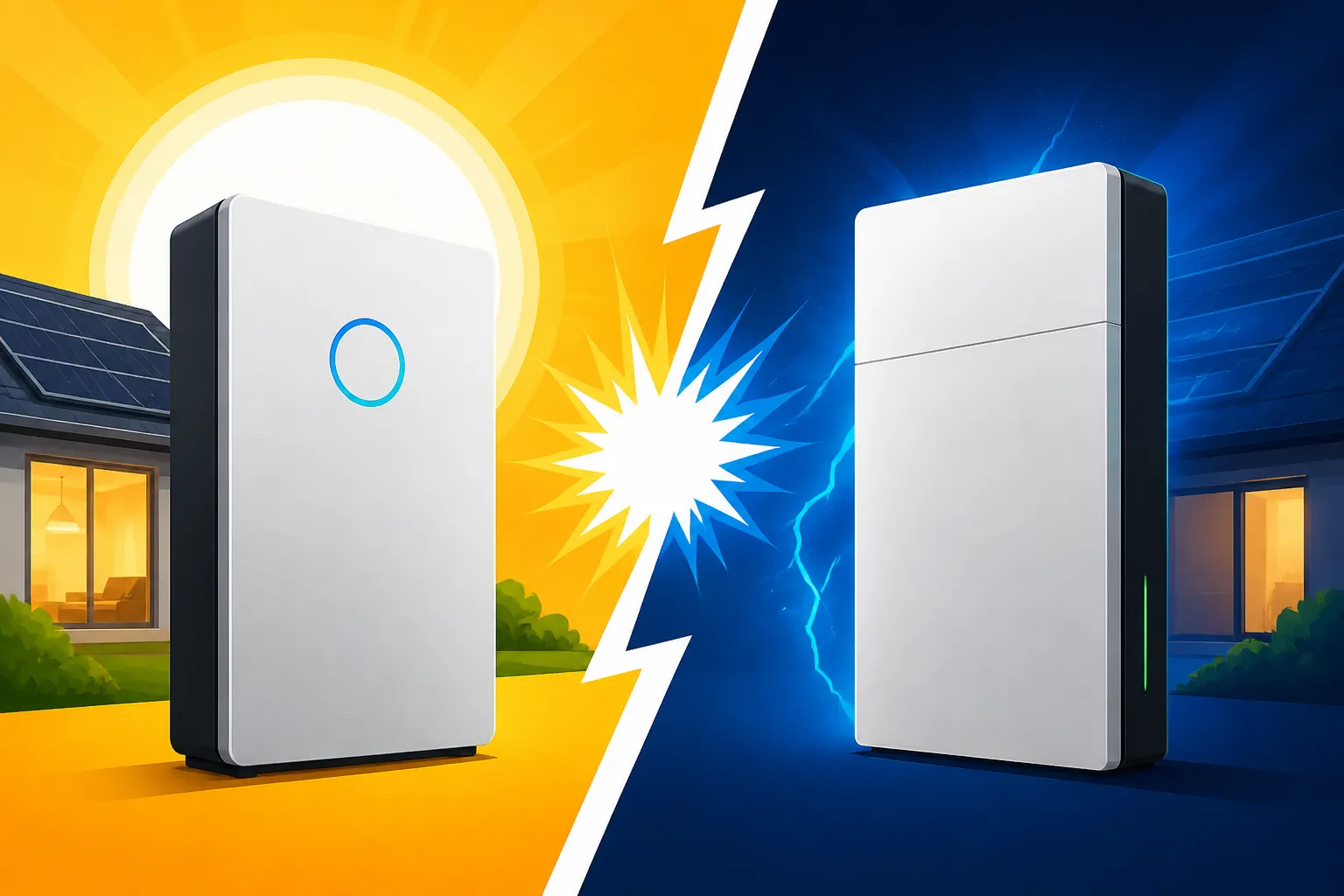
Sonnen and Tesla each approach home battery storage with distinct visions, and understanding these can help clarify which one might be a better fit for your specific situation. Think about what truly matters to you: elegant integration and smart energy management, or raw power and a streamlined user experience.
Sonnen, particularly with its ecoLinx series, champions a sophisticated, "intelligent home" energy management system. Their design philosophy leans heavily into integrating with other smart home technologies and giving homeowners unparalleled control and insight into their energy consumption and production. The ecoLinx system, for example, is often marketed towards those who desire a holistic energy solution, often paired with luxury homes, where seamless automation and optimized efficiency are top priorities. It's not just a battery; it's a command center for your energy, designed for long-term reliability and precise control.
On the flip side, Tesla, with its renowned Powerwall series, including the latest Powerwall 3, focuses on delivering robust backup power and maximizing self-consumption of solar energy with simplicity and brute force. Tesla’s design ethos is about powerful, scalable battery technology, often appealing to homeowners who appreciate minimalist design, direct integration with Tesla solar products, and a user-friendly app experience. The Powerwall is a powerhouse, designed to keep your lights on during outages and significantly reduce your reliance on the grid, all within a familiar, high-tech brand ecosystem.
Key Specifications and Performance
Diving into the numbers can reveal a lot about how these batteries perform in real-world scenarios. While both are top-tier products, their specifications cater to slightly different needs regarding capacity, power output, and efficiency.
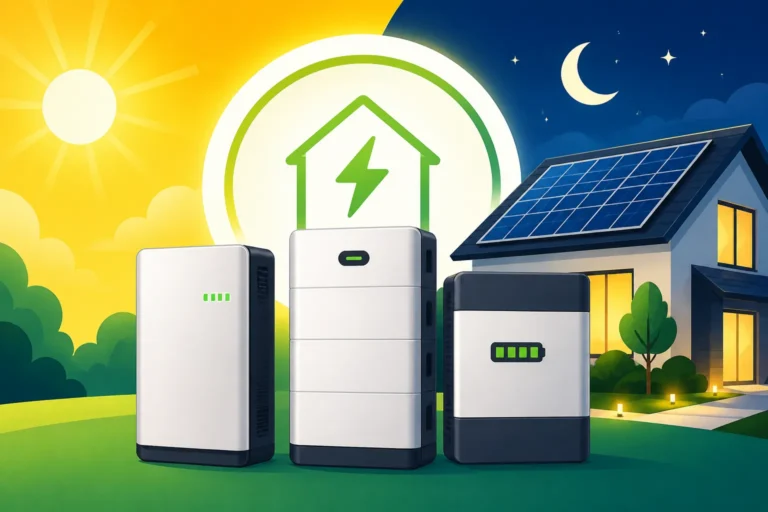
The Tesla Powerwall 3 boasts an impressive 13.5 kWh usable capacity and a substantial 11.5 kW continuous power output. This high power output is crucial for homeowners looking to back up most or all of their critical appliances, including air conditioning units and larger electric loads, during a grid outage. Its integrated inverter also simplifies installation for new solar-plus-storage systems. With a round-trip efficiency typically around 90%, it's highly effective at storing and discharging energy with minimal loss, which is great for maximizing your solar investment. The Powerwall 3 can also be stacked, allowing homeowners to expand their storage capacity incrementally if their needs grow.
Sonnen's offerings are a bit more varied, but for a direct comparison, let's consider the ecoLinx series. Sonnen batteries generally range from up to 20 kWh in usable capacity for residential systems, though smaller and larger configurations are available depending on the specific model and your needs. Their power output varies more depending on the configuration, but typically provides sufficient power for essential circuits and smart load management. Sonnen systems are known for their extremely long cycle life and high efficiency, often exceeding 90% round-trip. This focus on longevity and efficiency can translate into a longer lifespan and potentially greater long-term savings. The modular design of some Sonnen systems also offers flexibility, allowing you to tailor the capacity precisely to your home's energy demands.
Inverter Integration and System Compatibility
How a battery integrates with your existing or planned solar setup is a huge factor, and this is where Sonnen and Tesla take different paths. Understanding AC-coupled versus DC-coupled systems is key here, as it dictates installation complexity, efficiency, and overall system architecture.
The Tesla Powerwall 3 features an integrated hybrid inverter, meaning it can manage both your solar panel input and battery charging/discharging directly. This design makes the Powerwall 3 a DC-coupled solution when paired with new solar installations or Tesla's own solar panels. This can lead to slightly higher overall system efficiency because the solar energy doesn't need to be converted from DC to AC and back to DC as many times. For homeowners starting fresh with solar, or those with existing Tesla Solar systems, the Powerwall 3 offers a very clean and integrated installation. If you have an existing AC-coupled solar system, the Powerwall 3 can also work, but the benefits of its integrated inverter are most pronounced in a fully integrated Tesla setup.
Sonnen batteries, particularly the ecoLinx models, are typically AC-coupled. This means they connect to your home's electrical panel after your solar inverter has converted the DC power from your panels into AC power. While this might seem like an extra step, it offers significant flexibility. An AC-coupled battery can easily be added to almost any existing solar panel system, regardless of the brand of inverter you currently have. This is a huge advantage for homeowners who already have solar and want to add storage without ripping out their existing equipment. It also allows for greater choice in solar panel and inverter brands, giving you more control over your overall system design. For instance, if you prefer certain brands of microinverters like Enphase, an AC-coupled Sonnen battery will integrate seamlessly.
Cost, Value, and Return on Investment
Let’s be real: for most of us, the decision often comes down to dollars and cents. Solar batteries are a significant investment, and you want to ensure you're getting the best value for your money, both upfront and over the long haul. Comparing the initial purchase, installation complexities, and long-term financial benefits is crucial.
Upfront Costs and Installation Considerations
The sticker price is just the beginning; installation can add a substantial amount to the total cost, and these two batteries have different installation profiles. You might find accessories or additional components from retailers like Amazon, but for the core battery and its installation, you’ll be working with certified installers.
Generally, the Tesla Powerwall 3 tends to have a more competitive upfront price point per kilowatt-hour of storage and per kilowatt of power output, especially when purchased as part of a complete Tesla Solar system. The integrated inverter in the Powerwall 3 can sometimes simplify installation, potentially leading to lower labor costs for a new solar-plus-storage setup. However, like all major home improvements, installation costs vary widely depending on your location, the complexity of your home's electrical system, and your chosen installer. Getting a detailed quote that breaks down equipment and labor separately is vital.
Sonnen ecoLinx systems often come with a higher upfront cost. This is partly due to their advanced energy management features, premium components, and more sophisticated internal electronics designed for precise control and longevity. The installation of a Sonnen system can sometimes be more involved, especially if it's being integrated into an existing, complex smart home setup, which might translate to higher labor costs. However, many homeowners find the added features and the potential for greater energy optimization justify the higher investment. It's always a good idea to compare multiple quotes from certified installers for both brands to get an accurate picture for your specific home.
Warranties and Long-Term Reliability
A battery is a long-term investment, so understanding the warranty and expected lifespan is paramount. You want peace of mind knowing your system will perform reliably for years to come.
Tesla offers a 10-year warranty for the Powerwall 3, which covers defects and ensures the battery retains at least 70% of its original capacity throughout the warranty period. This is a fairly standard offering in the industry. Tesla’s track record with electric vehicles also gives many consumers confidence in their battery technology's robustness and power delivery. Over its lifespan, the Powerwall is designed to handle thousands of charge and discharge cycles, providing reliable backup and energy management.
Sonnen stands out with an impressive 15-year warranty for its ecoLinx series, which often includes a guarantee for 10,000 cycles or maintaining at least 70% of its original capacity, whichever comes first. This longer warranty period and higher cycle count are a testament to Sonnen's focus on product durability and long-term performance. Their batteries are engineered for exceptional longevity, which can be a significant advantage for homeowners looking to maximize their return on investment over a longer timeframe. The emphasis on high-quality components and rigorous testing contributes to this extended promise of reliability.
Incentives and Financial Payback
The good news is that both Sonnen and Tesla batteries are typically eligible for significant incentives that can dramatically improve your financial payback. Understanding these incentives is a huge part of calculating your true return on investment. You can find more details about these programs in our guide on Solar Battery Incentives in 2026.
The primary driver for solar battery adoption in the U.S. remains the federal Investment Tax Credit (ITC). While often referred to as the "Solar Tax Credit," this incentive currently allows homeowners to claim a credit for a percentage of the cost of installing a new, qualified solar energy system, and this includes battery storage systems installed in conjunction with solar or even standalone battery storage systems if they meet certain criteria. This can reduce the net cost of either a Powerwall 3 or a Sonnen ecoLinx system by a substantial amount, currently 30%. It's a direct dollar-for-dollar reduction on your federal income tax liability.
Beyond the federal incentive, many states and local utilities offer their own programs, such as rebates or performance-based incentives. For example, some states might have specific programs for energy storage that could further reduce your costs. The payback period, or how long it takes for your savings to equal your investment, will largely depend on these incentives, your electricity rates, and how effectively you use the battery to avoid peak electricity charges or leverage net metering variations. Both Powerwall and Sonnen systems, when properly sized and utilized, can significantly reduce your utility bills, provide energy independence, and hedge against rising electricity prices, making them worthwhile investments. For deeper insights, you might check out articles like Is Solar Worth It in 2026? or How Much Can You Save With Solar Panels?.
| Feature | Tesla Powerwall 3 | Sonnen ecoLinx |
|---|---|---|
| Usable Capacity | 13.5 kWh | Up to 20 kWh (residential, configurable) |
| Continuous Power | 11.5 kW | Varies by model/configuration (typically 4-12 kW) |
| Inverter Type | Integrated hybrid inverter (DC-coupled for new solar) | External inverter (AC-coupled for most systems) |
| Warranty | 10 years (70% capacity retention) | 15 years / 10,000 cycles (70% capacity retention) |
| Design Focus | Robust backup, high power, simplicity, Tesla ecosystem | Smart home integration, energy optimization, longevity |
| Typical Cost | Generally more competitive upfront | Generally higher upfront |
| Ideal For | New solar installs, existing Tesla Solar, powerful backup | Existing solar, smart home enthusiasts, long-term ROI |
User Experience and Smart Features
The everyday experience of owning a solar battery goes far beyond its technical specs. How easy is it to monitor, control, and understand your energy? This is where the "smart" aspect really comes into play, and Sonnen and Tesla have distinct approaches to managing your home’s power.
Energy Management Software and Monitoring
Both companies offer robust apps for monitoring, but their underlying philosophies for energy management differ significantly. Think about whether you prefer a hands-off, automated system or one with deep customization.
Tesla's app is renowned for its user-friendliness and clean interface. It provides real-time monitoring of your solar production, home consumption, grid interaction, and Powerwall status. The "Storm Watch" feature is particularly popular, automatically prioritizing charging the Powerwall to 100% when inclement weather is expected, ensuring you’re prepared for potential outages. While straightforward and effective, Tesla's software is generally less customizable than Sonnen's when it comes to intricate load management or integrating with a wider array of smart home devices outside the Tesla ecosystem. Its strength lies in its simplicity and reliable execution of essential backup and self-consumption functions.
Sonnen, on the other hand, excels in intelligent home energy management. Their software is designed to learn your usage patterns and optimize energy flow throughout your home, prioritizing self-consumption, grid arbitrage (buying low, selling high where allowed by Net Metering Explained: How It Works by State), and intelligent backup. The ecoLinx can integrate with a wider range of smart home devices and even EV chargers, allowing for highly personalized energy automation. For instance, it can prioritize powering specific devices during peak hours or automatically shift non-essential loads to off-peak times. This deep level of customization and integration is a key differentiator for homeowners who want to turn their house into a truly smart, self-sufficient energy hub.
Scalability and System Expansion
Life changes, and so might your energy needs. Whether you add an electric vehicle, expand your home, or simply want more energy independence, the ability to expand your battery system gracefully is an important consideration.
The Tesla Powerwall 3 offers excellent scalability. You can easily add multiple Powerwall units to your system to increase your total storage capacity and power output. Each unit is a self-contained module, and installers can typically link them together with relative ease. This modularity means you can start with one Powerwall and add more down the line as your budget or energy demands grow. This flexibility is a significant benefit for homeowners who might not need a massive amount of storage initially but want the option to expand without overhauling their entire system. For example, if you anticipate buying an EV in a few years, adding a second Powerwall could be a straightforward upgrade to handle the increased load.
Sonnen also offers scalable solutions, particularly with its modular designs. Depending on the specific ecoLinx model, you can often configure your system with multiple battery modules from the outset or add them later. While the installation might involve slightly more complex wiring due to its AC-coupled nature, the underlying architecture supports robust expansion. This allows homeowners to tailor a system that perfectly matches their current and future energy consumption, ensuring they can grow their storage capabilities along with their family or their energy demands. You might even find some smaller, complementary smart energy monitoring devices on platforms like Amazon that could enhance your overall energy awareness if you're looking to manage individual appliance usage more closely.
Real-World Use Cases and Scenarios
Deciding between Sonnen and Tesla often comes down to what you prioritize in your daily energy life and emergency preparedness. Both excel, but in different contexts.
For homeowners primarily seeking reliable backup power during outages and maximizing their solar self-consumption, the Tesla Powerwall 3 is an incredibly strong contender. Its high power output means it can seamlessly kick in to power large appliances like well pumps, HVAC systems, and electric stoves when the grid goes down. This makes it ideal for areas prone to frequent power interruptions, like parts of California experiencing Public Safety Power Shutoffs (PSPS) or regions hit by severe weather. If your main goal is to keep your home running smoothly when the utility grid fails, and you appreciate a straightforward, powerful solution, the Powerwall is tough to beat. You can explore this further in our discussion on Do I Need a Battery With Solar?.
The Sonnen ecoLinx, on the other hand, truly shines for those who want a comprehensive smart home energy management system and are deeply invested in optimizing their energy usage beyond just backup. If you have fluctuating utility rates and want to intelligently shift loads to save money, or if you envision your home as an active participant in a virtual power plant (VPP), Sonnen offers more sophisticated controls. This system is perfect for tech-savvy homeowners who want to program their energy use, integrate with other smart devices, and truly understand and control every electron flowing through their home. For instance, in areas with advanced demand response programs, Sonnen can actively participate, potentially earning you credits or reducing your bills by strategically drawing from or feeding to the grid.
Making the Right Choice for Your Home
Choosing a solar battery isn't a one-size-fits-all decision. It's about aligning a powerful piece of technology with your personal energy goals, lifestyle, and budget. Taking the time to evaluate these factors will help you make a decision you'll be happy with for years to come.
Factors to Consider Before Deciding
Before you commit to either a Sonnen ecoLinx or a Tesla Powerwall 3, sit down and honestly assess what matters most for your home and your peace of mind. Every household is unique, and so are its energy priorities.
First, evaluate your specific energy needs. How much electricity do you use daily? What appliances are absolutely critical during a power outage? If you have high-demand appliances like central air conditioning or an electric vehicle that you want to charge even during blackouts, the higher continuous power output of the Tesla Powerwall 3 might be more appealing. If your priorities lean more towards basic necessities and intelligent load shifting, a Sonnen system might provide the right balance. You can get a better sense of your needs by reviewing how much power does a solar panel produce and considering a resource like What Size Solar Battery Do I Need?.
Next, consider your existing solar setup and future plans. Are you installing a brand-new solar system, or are you adding storage to an older one? If you're starting from scratch, especially with Tesla solar panels, the integrated nature of the Powerwall 3 can be very attractive. However, if you have an older system with a different inverter brand, an AC-coupled Sonnen system might be a more straightforward and compatible addition. Also, think about your smart home aspirations. If you're building an integrated smart home ecosystem and want your battery to be a central part of that, Sonnen's advanced energy management capabilities might offer more flexibility. Even simple smart plugs and energy monitors, often found on Amazon, can integrate well with Sonnen's more open architecture.
Finally, budget and financial incentives play a huge role. While the federal tax credit applies to both, state-specific incentives or utility rebates can vary and might tip the scales. Consider the long-term value, including the warranty length and expected lifespan. A higher upfront cost for a Sonnen system might be offset by a longer warranty and potential for greater long-term energy savings through advanced optimization. Conversely, the competitive pricing of the Powerwall might make it more accessible for many homeowners. Comparing detailed Solar Panel Cost Per Watt Explained alongside battery costs will give you a full picture.
Seeking Professional Guidance
This is not a decision to make lightly or in isolation. The best way to ensure you're making the right choice is to consult with reputable solar and battery installers who are certified to install both Sonnen and Tesla products.
Don't settle for the first quote you get. Reach out to at least three different local installers. Each company might have different experiences, preferred equipment pairings, and pricing structures. A good installer will perform a thorough home energy audit, assess your roof and electrical system, and discuss your specific energy goals in detail. They should be able to clearly explain the pros and cons of both Sonnen and Tesla systems for your unique situation, rather than pushing one brand over another. This is also your chance to ask about installation timelines, maintenance requirements, and what happens to your system after installation, like getting Permission to Operate (PTO) Explained.
Beyond just cost, inquire about their experience with each brand, their customer service, and their post-installation support. Ask for references from homeowners they've installed systems for. A truly helpful professional will guide you through the complexities of Solar Panel Cost by System Size (kW), available incentives, and projected savings, helping you understand how each battery fits into your overall Solar ROI & 25-Year Savings Breakdown. Remember, a solar battery is a long-term investment in your home's energy future, and having a trustworthy, knowledgeable partner in your installer is just as important as the technology itself. Consider looking at articles like How to Choose a Solar Installer to help you vet potential partners.
Disclaimer
Please remember that the information provided in this article is for general guidance and informational purposes only. The solar industry, including product specifications, incentives, and pricing, is constantly evolving. It is crucial to consult with certified solar professionals and financial advisors for personalized advice tailored to your specific circumstances, location, and energy needs. Always verify current incentive programs and product details directly with manufacturers and local authorities.