What Roof Pitch Is Best for Solar?
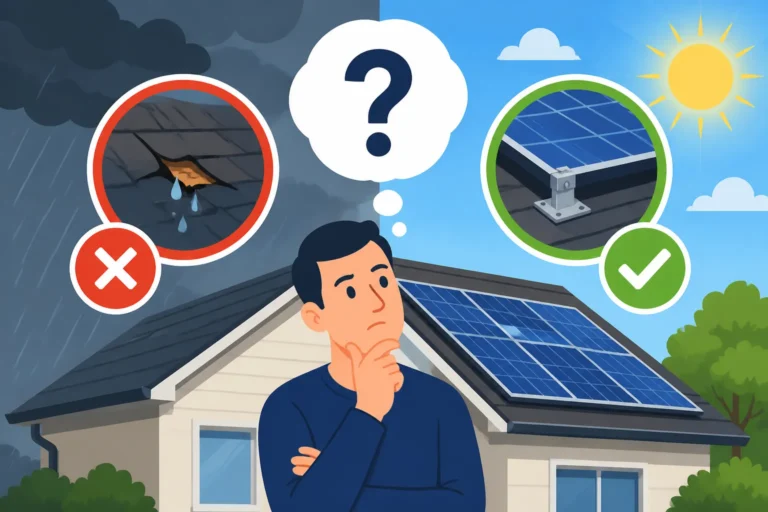
One of the biggest worries I hear from homeowners considering solar is about their roof. Is it too old? Is it too shady? And a really common one: "Is my roof even at the right angle for solar panels?" It’s a completely valid concern because, let's be honest, not every roof is a perfect south-facing canvas. This guide is here to cut through the confusion and explain how roof pitch impacts solar production and what you can do to make solar work for your home, no matter your roof's unique slant.
Understanding Roof Pitch and Solar Performance
When you start thinking about solar, the pitch of your roof—that angle it makes with the horizontal ground—becomes a pretty important factor. It’s not just about aesthetics; it directly influences how much sunlight your panels can capture throughout the day and year.
What Exactly is Roof Pitch?
Okay, let's break down what roof pitch actually means. You've probably heard terms like "6/12 pitch" or seen roofs that look really steep compared to others that are almost flat. Roof pitch is essentially a measure of how steep your roof is, and it's expressed in a couple of ways. The most common is a ratio, like 6/12, which means for every 12 inches it runs horizontally (the "run"), it rises 6 inches vertically (the "rise"). Another way to think about it is in degrees, where a flat roof would be 0 degrees and a vertical wall would be 90 degrees.
Why does this matter for solar? Well, the angle of your panels relative to the sun is crucial for maximizing energy production. Think about holding a magnifying glass to the sun – you want it perfectly perpendicular to get the most intense light. Solar panels are similar; they perform best when the sun's rays hit them directly. Understanding your roof's pitch is the first step in figuring out how well solar panels will perform in your specific location.
How Roof Pitch Impacts Solar Panel Output
The pitch of your roof, combined with its orientation (which direction it faces), directly dictates how much sun your panels will soak up. For those of us living in the Northern Hemisphere, a roof that faces true south is generally considered ideal, especially when combined with an optimal pitch. This is because a south-facing roof gets the most direct sunlight throughout the day.
However, the "best" pitch isn't a one-size-fits-all answer. It changes based on your latitude, which is how far north or south you are from the equator. In general, the optimal tilt angle for solar panels is roughly equal to your latitude. So, if you live in, say, Sacramento, California (around 38 degrees North latitude), a roof pitch of about 38 degrees (which is roughly an 8/12 or 9/12 pitch) would be pretty close to perfect. Panels mounted at this angle would be more perpendicular to the sun's path on average across the year, leading to higher annual energy production. This is just one of many What Affects the Cost of Solar Panels? that can influence your overall savings.
The impact of pitch isn't just about the peak production moment; it also affects year-round performance. A steeper pitch might perform better in winter when the sun is lower in the sky, allowing it to shed snow more easily and catch those low-angle rays more effectively. Conversely, a shallower pitch might be slightly better in summer when the sun is higher. It’s a balancing act, and experienced solar installers consider these seasonal variations when designing your system to ensure consistent output.
The Ideal Roof Pitch for Solar Panels
While there's no single "perfect" pitch that works for every home in every location, we can certainly talk about the sweet spot that most solar designers aim for to maximize your energy harvest.
The "Sweet Spot" for Maximum Production
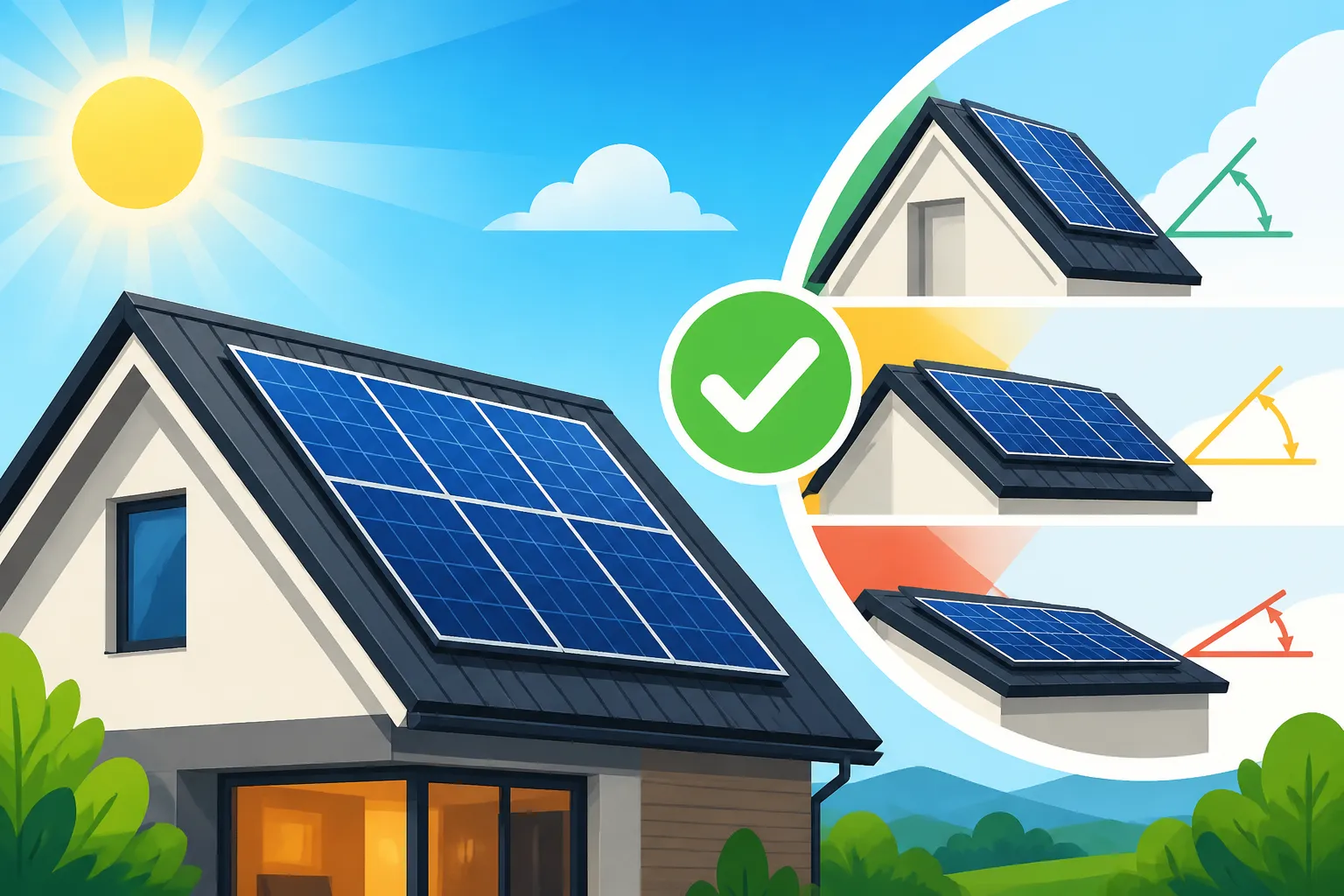
For homes in the Northern Hemisphere, the absolute dream scenario for solar panel placement typically involves a roof that faces true south with a pitch somewhere between 30 and 40 degrees. In terms of rise over run, that's roughly a 7/12 to 9/12 pitch. Why this range? Because it strikes the best balance for capturing sunlight across all four seasons. In the summer, when the sun is high, these panels still get plenty of direct light. In the winter, when the sun dips lower, the steeper angle helps the panels capture more of those lower-angle rays.
Think about it like this: if your roof is too flat, like a 1/12 or 2/12 pitch, the summer sun might be almost directly overhead, but in winter, the low sun hits the panels at a very shallow, inefficient angle. Plus, flatter roofs are more prone to collecting debris, leaves, and snow, which can temporarily reduce production. On the other hand, if your roof is super steep, like a 12/12 (45-degree) pitch or more, it might be fantastic for winter sun and snow shedding, but it might not be quite as optimized for the high summer sun. Ultimately, the sweet spot is about year-round efficiency. When considering these factors, it's also helpful to think about How Many Solar Panels Do I Need for My Home? to make sure your system is appropriately sized.
When Less-Than-Ideal Pitches Still Make Sense
Now, here's the good news: if your roof isn't in that "perfect" south-facing, 30-40 degree pitch range, don't despair! Solar technology has come a long, long way. Many homes have roofs that face southeast, southwest, east, or west, and even these can be excellent candidates for solar. While a true south orientation might give you maximum overall production, an east-west split system can be incredibly effective for matching your energy consumption patterns. For example, panels facing east will produce more power in the morning, which is great if you use a lot of electricity getting ready for your day. West-facing panels will maximize afternoon production, perfect for cooling your home after work or running appliances.
In situations where your roof pitch isn't ideal, modern solar systems, especially those utilizing microinverters like Enphase or power optimizers from brands like SolarEdge, can help. These technologies allow each panel to operate independently, meaning if one panel is slightly shaded or at a less optimal angle due to the roof's design, it won't drag down the performance of the entire system. This is a huge improvement over older string inverter systems where a single underperforming panel could reduce the output of a whole "string" of panels. Combining these technologies with a smart energy storage solution like a solar battery can also make a less-than-ideal pitch much more viable, allowing you to store excess energy generated during peak hours and use it later. You can learn more about these options by exploring Solar Inverters: String vs Microinverter vs Optimizer.
Overcoming Less-Than-Perfect Roof Pitches
So, what if your roof pitch is outside that ideal 30-40 degree range? Are you out of luck? Absolutely not! There are plenty of smart solutions and design strategies that can make solar work efficiently for almost any roof angle.
Tilt Kits and Mounting Options
For roofs that are too flat, or even completely flat, tilt kits are a fantastic solution. These are specialized mounting systems that elevate the solar panels off the roof surface and angle them to the optimal pitch for your location. This not only helps them catch more direct sunlight but also allows for better airflow underneath the panels, which can improve their efficiency by keeping them cooler. For flat roofs, these tilt-up systems are almost always recommended. They also help with drainage and snow shedding, which is a big deal in colder climates.
Another option for those who simply don't have enough suitable roof space or an ideal pitch is a ground-mount solar system. This involves installing your solar panels on a frame in your yard, away from the house. Ground mounts offer incredible flexibility because you can orient them to face any direction and set them at the perfect tilt angle, regardless of your roof. They can even be equipped with adjustable mounts that allow you to change the tilt angle seasonally, optimizing for winter and summer sun. Of course, ground mounts require available land and might have different permitting requirements, but they're a powerful way to get maximum solar production when your roof isn't cooperating. This is a key difference to consider when comparing Ground-Mount vs Roof-Mount Solar.
Optimizing System Design for Suboptimal Pitches
Even without fancy tilt kits or ground mounts, a skilled solar installer can design a system that maximizes your energy production on a less-than-ideal roof pitch. This often involves a combination of strategic panel placement and leveraging advanced equipment. For example, if your roof is relatively shallow, an installer might recommend using higher-efficiency solar panels. These panels are designed to generate more power from a smaller footprint, making the most of every square inch of available roof space. Brands like Maxeon or REC are known for their high-efficiency panels, which can make a noticeable difference in overall output. Take a look at Best Solar Panels of 2026 for more information.
The choice of inverter technology also plays a crucial role. As mentioned earlier, microinverters (like those from Enphase) or power optimizers (often paired with SolarEdge inverters) are excellent for roofs with varying pitches or partial shading. They ensure that if one panel isn't performing at its peak due to a less-than-ideal angle or shade, the rest of the system isn't negatively impacted. The bottom line is, don't write off solar just because your roof isn't perfectly angled. A comprehensive site assessment by a reputable solar company will reveal exactly what's possible and how to get the most bang for your buck.
Real-World Considerations and Expert Advice
Beyond the raw numbers of pitch and orientation, there are practical, real-world factors that play into how well solar panels perform on your roof.
Local Climate and Weather Patterns
Your local climate has a surprisingly significant impact on how well your solar panels will perform, regardless of your roof's pitch. For instance, in regions like the Northeast, where heavy snowfall is common, a steeper roof pitch can actually be a huge advantage. Panels on a steeper pitch allow snow to slide off more easily, preventing prolonged periods of energy loss due to snow cover. This means your system will get back to producing power faster after a winter storm. You can read more about this in Do Solar Panels Work in Snow?. In contrast, in sun-drenched areas like Arizona, where snow is rarely an issue but intense heat is, the angle might be slightly adjusted to optimize for summer production, and considerations for ventilation behind the panels become more critical.
Wind is another factor. In areas prone to high winds, the mounting system and how securely panels are attached become paramount. While not directly related to pitch for performance, the structural integrity of the installation is crucial. Similarly, in regions with frequent heavy rainfall, proper drainage off the panels is important. A good solar installer will always factor in these local weather patterns when designing your system, making sure it's not just efficient, but also durable and safe for your specific environment. When planning your system, it’s wise to remember that Roof Considerations for Solar Panels go beyond just the angle.
Consulting with Solar Professionals
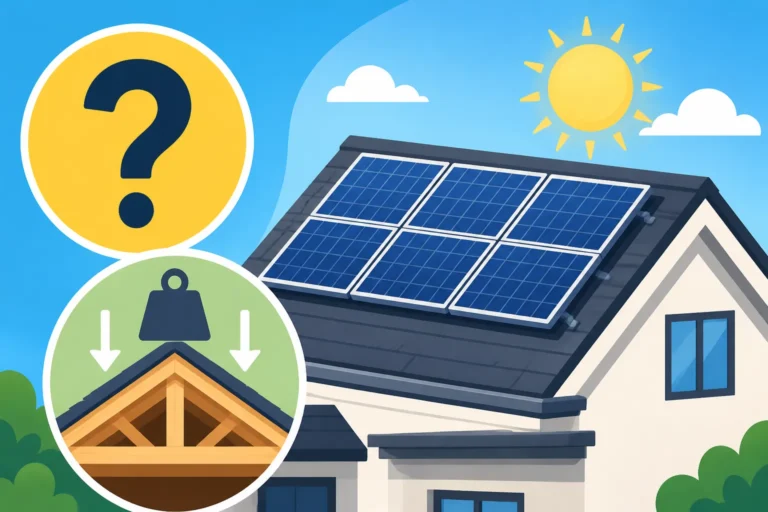
The most important step you can take to figure out the "best" roof pitch for your home's solar is to consult with experienced solar professionals. They don't just look at your roof's angle; they conduct a comprehensive site survey. This survey takes into account everything from your home's energy usage history to potential shading from trees or nearby buildings, the structural integrity of your roof, and yes, its pitch and orientation. They use specialized software to model your roof and calculate optimal panel placement and expected energy production.
During this process, they can explain the nuances of your specific roof and how different design choices might affect your long-term savings. For instance, if your roof has multiple facets with different pitches and orientations, they might suggest a split system with panels on several sections to capture morning and afternoon sun effectively. This personalized approach is invaluable. You can easily connect with reputable solar companies in your area through platforms like Modernize, which simplifies getting multiple, no-obligation quotes. This allows you to compare different proposals, understand the various technologies and solutions offered, and make an informed decision that's right for your home and budget. It's truly the best way to determine How to Choose a Solar Installer and ensure you get a system tailored to your needs.
Here’s a quick overview of how common roof pitches generally perform for solar in the Northern Hemisphere:
| Roof Pitch (Ratio) | Approx. Angle (Degrees) | General Solar Performance Suitability | Considerations |
|---|---|---|---|
| 1/12 – 2/12 | 5 – 10 degrees | Good, but not optimal without tilt | Needs tilt kits for drainage & sun angle. Snow/debris accumulation. |
| 3/12 – 5/12 | 14 – 23 degrees | Decent, can be good with optimization | Often benefits from slight tilt adjustments or specific panel types. |
| 6/12 – 9/12 | 27 – 37 degrees | Excellent (Optimal "Sweet Spot") | Generally ideal for year-round production in most Northern Hemisphere latitudes. |
| 10/12 – 12/12 | 40 – 45 degrees | Very Good, especially in winter | Great for snow shedding and lower winter sun, slightly less optimal for high summer sun. |
| >12/12 | >45 degrees | Good, but less common | Excellent for winter sun and snow, but may require specialized mounting. |
Remember, this table provides general guidance. Your specific latitude and local climate conditions will fine-tune these recommendations. That's why working with a local solar expert is always your best bet.
Disclaimer
The information provided in this article is for general informational purposes only and does not constitute professional advice. While we strive to offer accurate and up-to-date content, solar energy system design, performance, and financial incentives can vary significantly based on location, specific property characteristics, and evolving regulations. Always consult with certified solar professionals and financial advisors before making any decisions related to solar installation.