How Do I Maintain My Solar Panels?
So, you’ve made the leap to solar, and now you’re probably wondering: "Okay, these beautiful panels are on my roof, but how do I keep them running smoothly and efficiently for years to come?" It’s a completely valid question, and honestly, a lot of folks assume solar panels are entirely "set it and forget it." While they are remarkably low-maintenance, a little proactive care goes a long way in ensuring you get the most out of your investment, keep those electricity bills low, and protect your energy independence. This guide will walk you through exactly what you need to do to maintain your solar panels without a fuss.
Why Solar Panel Maintenance is Crucial for Long-Term Savings
Let's be real, you installed solar panels to save money and gain more control over your energy. Neglecting them, even subtly, can chip away at those savings. Think of it like owning a car: you wouldn't drive for years without an oil change or tire rotation and expect peak performance, right? Solar panels are similar in that regular, albeit minimal, attention ensures they continue generating power at their best.
Protecting Your Investment and Warranty
The truth is, solar panels are built to last. Most come with robust warranties, often guaranteeing performance for 25 years or even longer. But here’s the kicker: these warranties often have clauses about proper care and installation. If you’re not doing basic maintenance, or if issues arise from neglect, you could inadvertently void parts of your warranty. This is where knowing the ropes becomes invaluable. Ensuring your panels are clear of heavy debris and checking for obvious physical damage helps protect your long-term investment, giving you peace of mind that your equipment is covered if a manufacturing defect ever surfaces. Understanding your Solar Panel Warranties Explained is a critical step in becoming a savvy solar owner.
Maximizing Energy Production and System Efficiency
The core reason for having solar is to produce electricity. Anything that hinders that production directly impacts your savings. Dust, pollen, bird droppings, leaves – even a thin layer of grime can reduce your system's efficiency. While a light coating of dust might only cause a small dip in production, accumulated dirt can lead to a significant drop. Over time, these small reductions add up to real money out of your pocket. Regular checks and occasional cleaning ensure your panels are always soaking up as much sunlight as possible, translating to maximum energy generation and optimal savings on your utility bill. You want to make sure your panels are always at their best, maintaining a high level of Solar Panel Efficiency & Degradation Explained.
Simple DIY Tasks for Every Solar Homeowner
Good news! A lot of solar panel maintenance is surprisingly straightforward and can be handled by most homeowners without needing a specialized technician. It's about being observant and taking a few basic steps.
Keeping Your Panels Clean
This is probably the most common maintenance task and, for most, the only one you'll need to do regularly. Panels need to be clean to let sunlight through. While rain often does a decent job, it won't remove stubborn grime, bird droppings, or thick layers of pollen and dust. If you live in a particularly dusty area, near construction, or experience heavy pollen seasons like in parts of Georgia or North Carolina, you might need to clean more often.
Here’s how to do it safely and effectively:
- Safety First: Never get on your roof if you're not comfortable or if the weather conditions are bad (windy, wet, icy). Consider hiring a professional if your roof pitch is steep or you're unsure. For ground-mounted systems, access is much easier.
- Timing is Key: Clean your panels early in the morning or in the evening when the panels are cool. Cleaning hot panels with cold water can potentially cause thermal shock and damage, though this is rare with modern, robust panels.
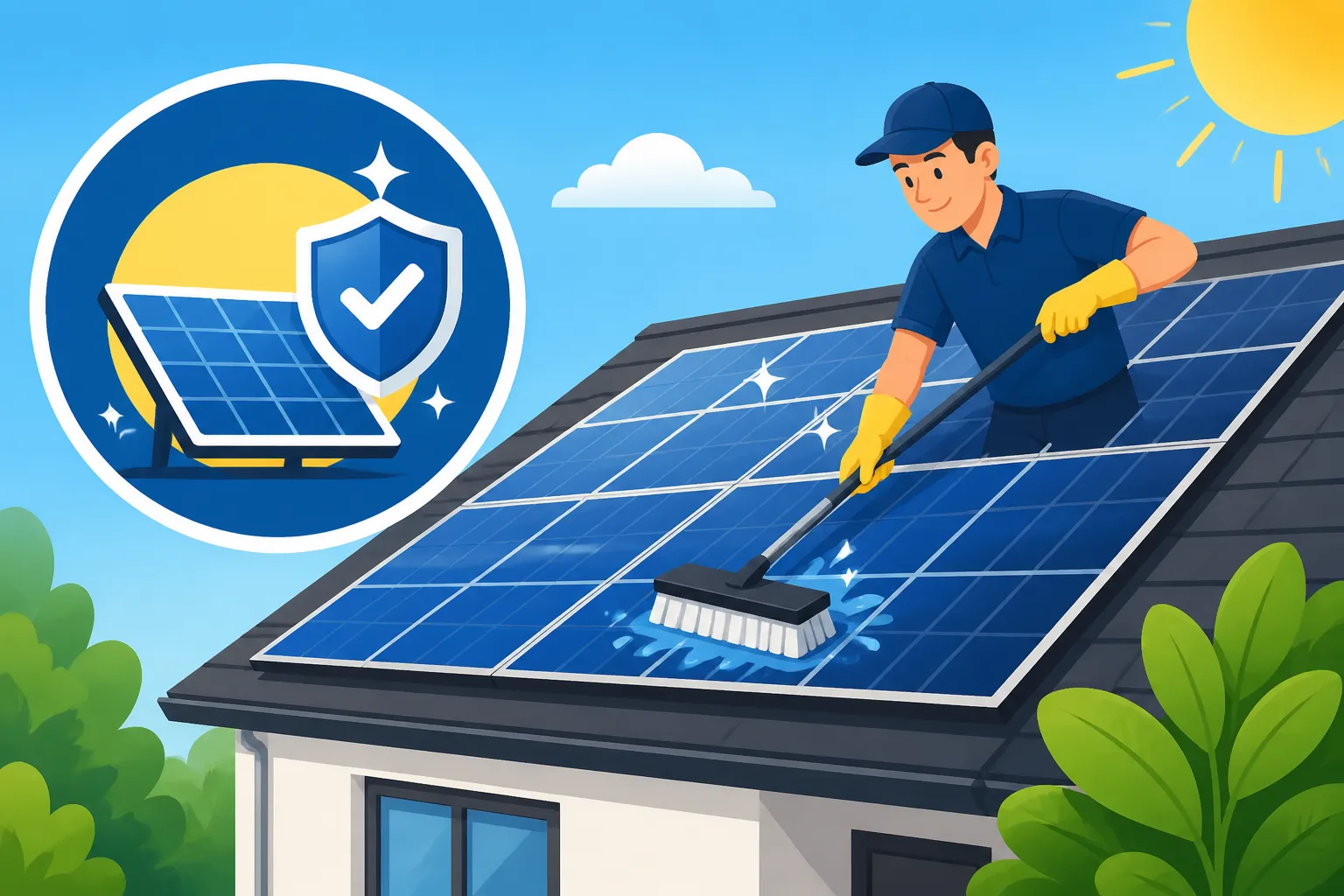
- Use the Right Tools: All you generally need is a garden hose with a spray nozzle, a soft brush or squeegee with a long handle, and a bucket of clean water. Avoid abrasive cleaners, harsh detergents, or pressure washers, as these can scratch the panel surface or damage seals. Mild, non-abrasive soap (like dish soap diluted in water) can be used for tough spots, but often just water and a soft brush will suffice.
- The Process: Simply spray the panels with water to loosen any dirt. Then, use your soft brush or squeegee to gently scrub away grime. Finish with a final rinse to ensure no residue is left behind.
Many homeowners find that if they live in an area with regular rainfall, they might only need to manually clean their panels once or twice a year, or even less. However, if you notice a significant drop in production on your monitoring app, or if you can visibly see a layer of dirt, it’s time for a wash. This directly ties into the question, Do Solar Panels Need Cleaning?.
Routine Visual Inspections
Think of these as your "walk-around" checks. You don't need to get up on the roof every week, but a quick glance from the ground every few months, especially after a major storm, can catch small issues before they become big problems.
What to look for:
- Debris Accumulation: Are there leaves, branches, or other things sitting on top of the panels? If safely accessible, remove them.
- Shading Issues: Have new trees grown, or new structures been built that now cast shadows on your panels at peak sun times? Sometimes a simple trim of a tree branch can make a world of difference.
- Physical Damage: Look for obvious cracks, chips, or discoloration on the glass, which could indicate impact damage (from hail, for instance) or manufacturing defects.
- Wiring and Connections (from a distance): While you shouldn't mess with wiring, from the ground you might be able to spot any loose wires or visible damage to the conduit running from your panels to your inverter.
- Pest Activity: Nests from birds or other critters can sometimes be built under panels, causing shading or even damaging wiring. Keeping an eye out for increased bird activity can be a clue.
Catching these things early can save you a headache and ensure your system continues to operate safely and efficiently. If you see anything concerning during these checks, it might be time to call in the professionals.
When to Call the Pros: Professional Solar Maintenance
While DIY maintenance is great for routine care, there are times when you absolutely need a professional. These are usually situations that require specialized tools, expertise, or when safety is a concern.
Annual or Biennial System Check-Ups
Just like your car needs a tune-up, your solar system benefits from a professional check-up every year or two. This is especially true if you’re noticing consistent dips in performance that can't be explained by dirt. A qualified solar technician can perform a much more thorough inspection, often identifying issues you might never spot.
During a professional maintenance visit, a technician will typically:
- Inspect all electrical components: This includes checking wiring for wear and tear, ensuring all connections are secure, and looking for any signs of corrosion or overheating. They'll also inspect your inverter – whether it's a string inverter or microinverters like those from Enphase – for proper function and update any firmware if necessary. This is where an expert understanding of Solar Inverters: String vs Microinverter vs Optimizer becomes vital.
- Clean and inspect panels thoroughly: Beyond a basic wash, they might use specialized equipment to detect hotspots or micro-cracks not visible to the naked eye.
- Verify mounting hardware: Ensure all racking and mounting systems are still secure and show no signs of corrosion or loosening.
- Check shading: Provide advice on vegetation management if trees or shrubs are beginning to impede sunlight.
- Performance diagnostic: They'll often use specialized tools to verify that each panel and the entire system are producing electricity according to specifications. This can sometimes uncover a faulty panel or a module-level issue.
- Review monitoring data: Discuss your system's performance data with you, helping you understand any trends or anomalies.
Companies like Modernize can connect you with certified local professionals who offer these kinds of comprehensive maintenance packages, making it easier to ensure your system is in top shape without you having to find individual technicians.
Troubleshooting Performance Issues
One of the greatest benefits of modern solar systems is their monitoring capabilities. Most systems come with an app or online portal that lets you track your energy production in real-time. If you suddenly notice a significant, unexplained drop in your daily or monthly production, and a quick visual inspection or cleaning doesn't resolve it, it’s time to call the pros.
Common issues requiring professional troubleshooting include:
- Inverter Malfunctions: The inverter is the brain of your system, converting the DC power from your panels into AC power for your home. If it fails, your system stops producing. Modern inverters often display error codes, which a technician can interpret.
- Faulty Panels: While rare, a panel can sometimes fail or degrade prematurely. Professionals have the tools to test individual panels and pinpoint the culprit.
- Wiring Problems: Loose connections, damaged wires from pests, or even insulation breakdown can lead to reduced output or safety hazards.
- Ground Faults: These are electrical issues that can be dangerous and require immediate professional attention.
- Pest Infestations: Squirrels, pigeons, and other animals sometimes build nests under panels, chewing through wires or causing damage. Many installers now offer critter guards as a preventative measure.
When an issue arises, don’t try to fix complex electrical problems yourself. Always defer to certified electricians or solar technicians. Not only is it safer, but it also ensures your warranties remain valid. Your system's Solar Installation Timeline: What to Expect likely included guidance on who to call for post-installation support.
Addressing Specific Solar Maintenance Challenges
Different climates and environments can present unique challenges to solar panel owners. Being aware of these can help you anticipate when additional care might be needed.
Weather-Related Considerations
Nature, for all its beauty, can also be a challenge for solar panels.
- Snow and Ice: In colder climates, snow accumulation can temporarily block sunlight. While panels are designed to withstand snow loads and many shed snow naturally due to their dark color and tilt, heavy, wet snow or ice can persist. You should never try to chip ice or vigorously scrape snow off panels as this can cause damage. If snow is significantly impacting your production for an extended period, contact a professional who uses specialized, safe methods for snow removal. Panels are built to be robust, but it's important to understand Do Solar Panels Work in Snow?.
- Heavy Rain and Wind: Modern solar panels are built to withstand significant rainfall and high winds. However, severe storms can sometimes dislodge debris that then gets trapped under or between panels. High winds can also strain mounting hardware over time. After any particularly bad weather, a visual inspection is always a good idea.
- Heat and Sunlight: Believe it or not, extreme heat can actually slightly reduce panel efficiency (though they are designed to operate effectively in hot climates). Ensuring good airflow around your panels, something a quality installer like those found via Modernize would ensure during installation, helps mitigate this.
- Dust and Pollution: As mentioned, dust and pollution (common in urban areas or near agricultural fields) can quickly accumulate. This makes regular cleaning even more important in these environments.
Pest Control and Debris Management
Pests are an often-overlooked aspect of solar maintenance. Birds, squirrels, and other small animals can find the sheltered space under solar panels to be an ideal nesting spot. This can lead to several problems:
- Wire Damage: Pests might chew through electrical wiring, leading to system malfunctions or even fire hazards.
- Nesting Material: Accumulations of nesting material can block airflow, leading to overheating, or create debris on the panel surface.
- Droppings: Bird droppings are particularly acidic and, if left uncleaned, can etch the panel surface and reduce efficiency.
Many installers offer or recommend "critter guards" – a mesh barrier installed around the perimeter of your solar array – to prevent pests from getting underneath. If you're experiencing ongoing pest issues, it's a worthwhile investment. Regularly checking for and removing large debris like fallen branches is also important to prevent physical damage or persistent shading.
Understanding Your Monitoring System
Your solar monitoring system is arguably your most valuable maintenance tool. It gives you real-time insights into how your panels are performing and can alert you to issues immediately.
What Your Monitoring Data Tells You
Most solar installations come with a monitoring system, often accessible via a smartphone app or a web portal. This system tracks:
- Real-time Production: How much electricity your system is generating at any given moment.
- Daily, Monthly, Annual Production: Historical data showing your energy output over time.
- Consumption (if paired with a smart meter): How much energy your home is using versus how much your solar is producing.
- Battery Status (if applicable): For systems with storage like a Tesla Powerwall or Enphase IQ Battery, it shows charge levels and energy flow.
By regularly checking this data, you can establish a baseline for your system's performance. You’ll learn what typical production looks like on sunny days, cloudy days, and throughout different seasons. If you see a sudden, unexplainable dip in production that lasts more than a day or two (and it's not due to obvious weather like heavy clouds or snow), that's your first clue that something might be amiss. This proactive approach to How to Monitor Solar Panel Performance allows you to address potential problems quickly.
Setting Up Alerts and Notifications
Many monitoring systems allow you to set up alerts. These can notify you via email or text message if:
- Production Drops Below a Certain Threshold: For example, if your system isn't producing at least X kWh by noon on a sunny day.
- An Inverter Reports an Error: Your inverter will communicate diagnostic codes to the monitoring system.
- Communication is Lost: If your system stops sending data, it could indicate an internet connectivity issue or a more serious system fault.
Taking a few minutes to configure these alerts can be a huge time-saver and provide immense peace of mind. It allows your system to essentially tell you when it needs attention, rather than you having to constantly check it manually.
| Task Category | Specific Task | Recommended Frequency | Who Performs (DIY vs. Pro) | Key Benefit |
|---|---|---|---|---|
| DIY Routine Care | Visual Inspection (from ground) | Monthly / After major storm | Homeowner | Early detection of damage/debris |
| Panel Cleaning (water/soft brush) | 1-4 times per year (as needed) | Homeowner | Maximized energy production, aesthetic | |
| Monitor System Performance | Daily / Weekly | Homeowner | Alerts to dips in production, issue detection | |
| Professional Care | Full System Inspection & Tune-up | Annually / Biennially | Certified Technician | Electrical component check, deep diagnostics |
| Troubleshooting Complex Issues | As needed | Certified Technician | Resolves faults, maintains safety & warranty | |
| Pest Control/Critter Guard Install | As needed (preventative) | Professional (Pest/Solar) | Prevents wire damage & nesting beneath panels |
The Long-Term Benefits of Diligent Maintenance
Ultimately, a little care goes a long way in ensuring your solar journey is as smooth and profitable as possible. You've made a significant investment, and protecting that investment is smart.
Maximizing Lifetime Savings and ROI
By consistently performing basic maintenance and scheduling professional check-ups, you're not just taking care of your panels; you're actively ensuring they generate the most electricity possible throughout their lifespan. This translates directly to maximum savings on your utility bills and the fastest possible Solar Panel Payback Period Explained. An efficiently running system generates more electricity, which means less reliance on the grid and a quicker return on your initial investment. Think about it: a system that's 5-10% less efficient due to neglect over 25 years can cost you thousands in lost savings.
Enhancing Property Value and System Longevity
Well-maintained solar panels also contribute positively to your home's value. When you sell your house, a clean, high-performing system with a clear maintenance history is a significant selling point. Potential buyers will appreciate knowing they're inheriting a robust, efficient energy system, not a potential headache. Furthermore, proactive maintenance helps extend the actual working life of your system components beyond their warranted period. Catching small issues early prevents them from cascading into more serious, costly repairs down the line. It's about getting the most out of every single component, from the panels themselves to the inverters and wiring, ensuring your system lasts a very long time. For more on property value, check out Do Solar Panels Increase Home Value?.
Remember, while solar is largely hands-off, it’s not entirely no-touch. A little care and attention will ensure your system continues to be a shining example of smart homeownership, year after year. If you're ever unsure about a maintenance task or need to find a trusted professional for a system check, resources like Modernize can help you connect with qualified local solar experts who understand the nuances of keeping your system in peak condition.
Disclaimer
The information provided in this guide is intended for general informational purposes only and does not constitute professional advice. Solar panel maintenance can involve working at heights and with electrical components. Always prioritize safety, consult your system's manuals, and consider hiring a certified solar professional for any tasks you are uncomfortable performing yourself. Always check local regulations and your warranty terms before undertaking any maintenance.