How Good Are Trina Solar Solar Panels?
Choosing solar panels for your home can feel like navigating a maze, right? You're trying to balance cost, efficiency, and reliability, and with so many brands out there, it's easy to get overwhelmed. If you've been wondering about Trina Solar panels and whether they're a smart choice for your energy needs, you've come to the right place. This guide will meticulously break down everything you need to know about Trina Solar, helping you understand their quality, performance, and overall value.
Understanding Trina Solar's Global Footprint and Reputation
When you're looking into solar panels, one of the first things you want to know is if the company behind them is reputable and stable. Trina Solar isn't just another name in the industry; they're a global powerhouse, consistently ranked as a Tier 1 solar panel manufacturer. This isn't just a fancy label; it signifies a company with a strong financial backing, high manufacturing automation, and a proven track record of producing reliable panels.
Company Background and Extensive Reach
Trina Solar was founded back in 1997 in Changzhou, China, and over the past few decades, they've grown into one of the world's leading providers of integrated photovoltaic (PV) products and smart energy solutions. They’ve delivered over 100 GW of modules globally, which is a massive amount of solar capacity. This widespread adoption means their panels are powering homes and businesses from the sunny valleys of California to the sprawling landscapes of Texas, and across continents. Their manufacturing plants are state-of-the-art, employing highly automated processes that contribute to the consistency and quality of their products.
Their global presence means that they have established distribution networks and support systems in many regions, which can be a comfort for homeowners. Knowing that a company has such a broad reach suggests a certain level of stability and an ability to stand behind their products for the long haul. This is especially important when you consider that solar panels are a long-term investment, typically lasting 25 years or more. You don't want to invest in a brand that might disappear in a few years, leaving you without warranty support.
Commitment to Research and Development
What sets many leading solar manufacturers apart is their dedication to pushing the boundaries of technology, and Trina Solar is no exception. They invest heavily in research and development, constantly striving to improve panel efficiency, durability, and cost-effectiveness. This commitment has led to numerous world records in solar cell efficiency and module power output over the years. For instance, their Vertex series panels leverage advanced technologies like multi-busbar (MBB) cells, high-density interconnection, and larger wafer sizes to achieve impressive power outputs, often exceeding 600 watts for commercial applications, and very competitive outputs for residential systems.
This focus on innovation directly benefits homeowners. It means that when you choose Trina Solar, you're not just getting a basic panel; you're often getting technology that incorporates the latest advancements in solar science. This translates to better energy production from a smaller footprint, which is particularly valuable if you have limited roof space. For homeowners, higher efficiency can mean needing fewer panels to meet your energy demands, potentially lowering your overall installation costs.
A Deep Dive into Trina Solar Panel Performance
When it comes down to it, what most homeowners really care about is how well the panels perform day-in and day-out. Trina Solar panels are generally well-regarded for their balance of performance, durability, and cost, making them a popular choice among installers and customers alike.
Efficiency Ratings and Real-World Output
Trina Solar offers a range of panels with varying efficiency levels, typically falling within the 19% to 22% range for their residential offerings. To put that in perspective, anything above 19% is considered very good for residential solar panels today. Their Vertex series, in particular, often boasts some of the higher efficiency ratings within their product line, capitalizing on advancements like larger cells and half-cut technology which help reduce resistive losses and improve overall performance, especially in shaded conditions.
However, it's crucial to remember that "real-world output" can differ from laboratory-tested efficiency. Factors like your roof's angle, local climate, shading from trees or nearby buildings, and even how clean your panels are will influence how much electricity your system actually produces. Trina Solar panels generally have a good temperature coefficient, meaning they don't lose as much efficiency in hot weather as some less advanced panels might. This is a significant advantage in states like Arizona or Florida, where summer temperatures can severely impact less resilient panels. Understanding your potential energy production is key to determining your Solar Panel Payback Period Explained.
Durability and Longevity
Solar panels are exposed to the elements 24/7, so their durability is paramount. Trina Solar panels are built to withstand challenging weather conditions, from heavy snow loads to strong winds. They undergo rigorous testing to ensure they meet international standards for reliability and safety. Most of their panels come with robust frames and tempered glass, designed to resist impact from hail and other debris. For instance, their panels are often rated for snow loads of up to 5400 Pa and wind loads of up to 2400 Pa, which covers most residential applications even in regions prone to harsh weather.
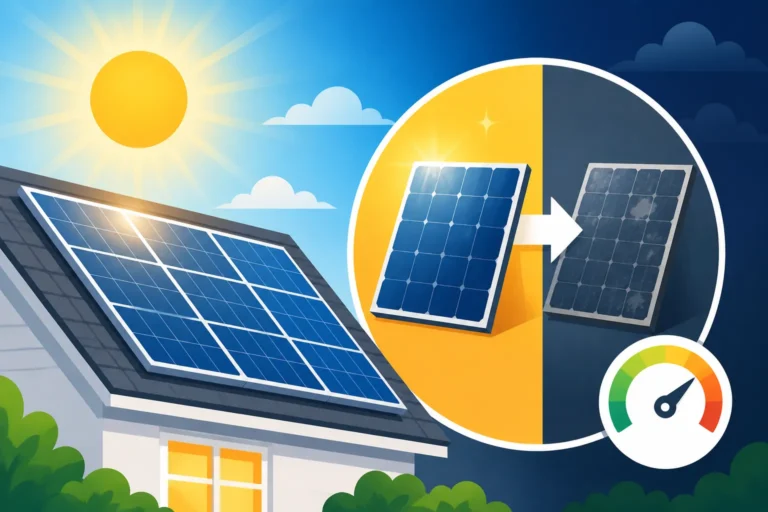
The longevity of a solar panel isn't just about surviving physical stress; it's also about maintaining its power output over time. This is known as the degradation rate. Trina Solar typically offers a linear performance warranty that guarantees their panels will produce at least 84.8% (or sometimes higher, depending on the specific model) of their original rated power after 25 years. This is a competitive guarantee in the industry, assuring homeowners that their investment will continue to generate significant electricity for decades. This aspect is crucial for understanding the true Solar Panel Efficiency & Degradation Explained.
Popular Trina Solar Panel Series
Trina Solar markets several product lines, each tailored to different needs and scales. For residential applications, you'll most commonly encounter panels from their Vertex S series. This series is specifically designed for rooftop installations, balancing high power output with a compact size, making them easy for installers to handle and integrate seamlessly onto residential roofs.
Other series, like the Tallmax and Duomax, are often seen in larger commercial or utility-scale projects due to their higher wattage and larger physical dimensions. However, the Vertex series is where Trina Solar has really focused its residential innovation, aiming to maximize energy yield even on limited roof spaces. When you're comparing quotes from installers, you might hear about the specific wattage of these panels, such as 400W or 450W, depending on the model chosen. Knowing these popular series helps you understand the specific technology and benefits you're getting.
Trina Solar Warranties and Customer Support
A solar panel system is a major investment, and having solid warranties in place provides crucial peace of mind. Trina Solar stands behind its products with comprehensive warranties that are competitive with other leading manufacturers in the market.
Product and Performance Warranties
Trina Solar typically offers two main types of warranties for their panels:
- Product Warranty: This covers defects in manufacturing, materials, and workmanship. For most residential panels, Trina Solar offers a 12-year product warranty. This means if a panel fails due to a manufacturing fault within this period, Trina Solar will repair or replace it. While some premium brands like Maxeon (SunPower) offer longer product warranties (up to 40 years), Trina's 12-year offering is standard for many Tier 1 manufacturers and provides ample coverage for initial defects.
- Performance Warranty: This is perhaps even more critical for long-term savings. It guarantees that the panels will continue to produce a certain percentage of their original power output over time. Trina Solar's linear performance warranty typically guarantees that the panels will produce at least 98% of their nominal power output in the first year, and then a maximum degradation of 0.5% per year thereafter. This usually culminates in a guarantee of at least 84.8% of the initial power output after 25 years. This predictable degradation rate is vital for homeowners to project their energy savings over the system's lifetime.
These warranty terms are fairly standard among Tier 1 manufacturers and represent a commitment to quality and longevity. However, it's always a good idea to confirm the exact warranty terms for the specific model you are considering, as they can sometimes vary slightly. You can learn more about this in our guide on Solar Panel Warranties Explained.
Accessibility of Customer Service
Should you ever need to make a warranty claim or have a technical question, the accessibility of customer service becomes very important. Trina Solar, being a global company, has various channels for support, including regional offices and partnerships with installers. In most cases, your first point of contact for any issues would be your solar installer. They are typically responsible for managing the installation, monitoring the system, and facilitating any warranty claims with the manufacturer.
It's a smart practice to choose an installer with a strong reputation and local presence, as they will be your primary liaison. However, having a robust manufacturer like Trina Solar backing their products means that your installer has a reliable partner to work with if a panel issue arises. While you might not directly call Trina Solar every day, knowing they have a strong global infrastructure and a history of honoring their warranties offers peace of mind. For example, some homeowners might look up general product information or troubleshooting tips directly on the Trina Solar website, or even find third-party reviews and discussions on platforms like Amazon if they are looking for smaller components or DIY kit information.
Pros and Cons of Choosing Trina Solar
Deciding on the right solar panels for your home involves weighing various factors. Trina Solar, like any major brand, comes with its own set of advantages and considerations.
Advantages for Homeowners
One of the biggest draws of Trina Solar panels for residential customers is their excellent balance of cost and performance. They are generally more affordable than ultra-premium brands like Maxeon (formerly SunPower) or Panasonic, yet still offer very high efficiency and reliability. This makes them a fantastic value proposition, allowing homeowners to achieve significant energy savings without breaking the bank on the initial investment. This kind of value is often a key factor for those asking, “Is Solar Worth It in 2026?“
Their proven track record and Tier 1 status also provide a huge advantage. You're investing in a company that has been a global leader for decades, with billions of dollars in assets and a solid reputation. This financial stability means they're likely to be around to honor their 25-year performance warranties. This is especially comforting given that the solar industry has seen its share of smaller manufacturers come and go over the years.
Furthermore, Trina Solar panels are widely available through a vast network of installers. This broad distribution means you'll likely find several local installers who carry and are experienced with Trina Solar products. This can lead to competitive pricing on installation quotes, as installers often have good relationships and purchasing power with such a large manufacturer. Their reliability and consistent quality also make them a favorite among many solar professionals.
Potential Considerations
While Trina Solar panels are a strong choice for many, there are a few potential considerations depending on your specific needs:
Firstly, if maximum efficiency on a very constrained roof space is your absolute top priority, some ultra-premium brands might offer a slight edge in power density. Panels from companies like Maxeon (SunPower) might achieve 22-23% efficiency, which could be beneficial if you have a tiny roof and need to squeeze every possible watt out of it. However, this often comes with a significantly higher price tag, so you'd need to weigh that cost against the marginal gain in space efficiency. For most average-sized homes, Trina Solar's efficiency is more than adequate.
Secondly, while Trina Solar's product warranty of 12 years is standard for many, it's not the longest in the industry. As mentioned, some competitors offer 20 or even 25-year product warranties. While a 12-year warranty covers the most likely period for manufacturing defects to surface, some homeowners might prefer the absolute longest coverage available, even if it means paying a premium. For a deeper look at different warranty periods, check out our guide on Solar Panel Warranties Explained.
Finally, for homeowners interested in the absolute bleeding edge of niche technologies like bifacial panels designed for specific ground-mount arrays or highly aesthetic integrated solar roofs, Trina Solar's primary focus has been on high-volume, reliable standard and half-cut cell panels. While they innovate significantly, if your project demands a very specialized product that is less common for residential use, you might explore other manufacturers known for those specific niche offerings.
Ultimately, Trina Solar panels offer a compelling package for the vast majority of homeowners: reliable performance, strong durability, and an attractive price point from a globally recognized leader.
Comparing Trina Solar to Other Leading Brands
It's helpful to see how Trina Solar stacks up against other popular choices. While the "best" panel often depends on individual circumstances and budget, a side-by-side comparison can highlight where Trina excels.
When looking at brands, you might come across names like REC, Qcells, or Jinko Solar. These are all Tier 1 manufacturers, much like Trina Solar, and they compete closely in the residential market.
| Feature | Trina Solar (e.g., Vertex S) | Qcells (e.g., Q.PEAK DUO G11) | REC (e.g., Alpha Pure-R) |
|---|---|---|---|
| Typical Efficiency | 19.8% – 21.6% | 20.6% – 21.9% | 21.7% – 22.3% |
| Product Warranty | 12 years | 12 years | 25 years |
| Performance Warranty | 25 years (84.8% after 25 years) | 25 years (86% after 25 years) | 25 years (92% after 25 years) |
| Technology Focus | Vertex S: Half-cut, MBB, large wafer | Q.ANTUM DUO Z: Half-cut, zero-gap | N-Type HJT, Lead-free, half-cut |
| Price Point | Mid-range | Mid-to-high range | High-end |
| Global Presence | Very large, global leader | Strong global presence | Strong global presence, Norwegian heritage |
As you can see from the table, Trina Solar offers competitive efficiency, solid warranties (though REC stands out with a longer product warranty and higher 25-year performance guarantee), and uses advanced technologies. Its mid-range price point often makes it a very attractive option for homeowners who want quality without paying the premium for the absolute highest efficiency or longest product warranties.
Many installers will offer Trina Solar alongside brands like Qcells because they both provide a robust and reliable product at a competitive price. For example, if you're in the market for a new system, an installer might present a quote for a system using Trina Solar Vertex S panels and another using Qcells Q.PEAK DUO panels. They're often seen as direct competitors, with Trina Solar typically being slightly more budget-friendly while maintaining excellent quality. Learning about these comparisons can help you make a more informed decision, especially when researching Best Solar Panels of 2026.
Maximizing Your Investment in Trina Solar Panels
Once you've decided that Trina Solar panels are a good fit for your home, there are several steps you can take to ensure you get the most out of your investment and enjoy years of clean, affordable energy.
Choosing the Right Installer for Trina Solar
Even the best solar panels can underperform if they're not installed correctly. This is where choosing a reputable and experienced installer becomes paramount. When you're gathering quotes, ask potential installers about their experience specifically with Trina Solar panels. While many installers are familiar with Tier 1 brands, some might have more specific expertise or better supply chain relationships with Trina. This could lead to smoother installation processes and potentially better pricing.
Look for installers who are certified, have positive customer reviews, and offer transparent quotes. Don't be afraid to ask for references or to see examples of their past work. A good installer will perform a thorough site assessment, recommend the optimal Trina Solar panel model and system size for your specific energy needs and roof characteristics, and clearly explain the installation process, from permitting to final interconnection. They should also be well-versed in local incentives, such as State Solar Incentives: Complete 2026 Guide or specific utility rebates, which can significantly offset your upfront costs.
System Design and Optimization
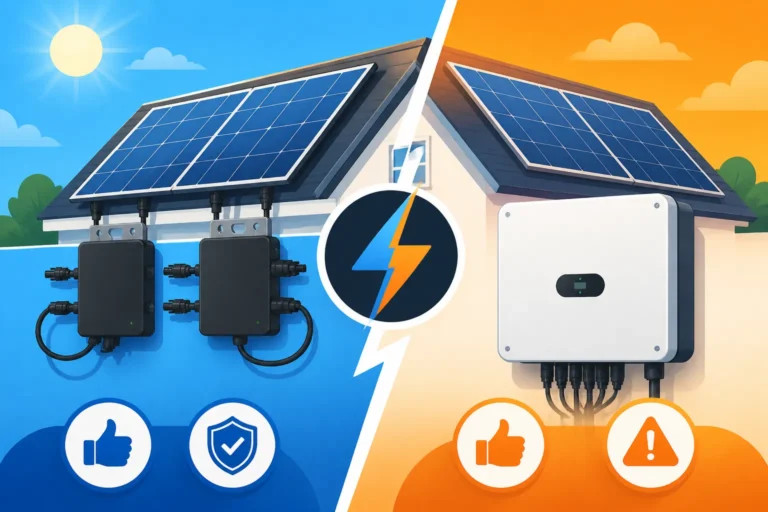
The performance of your Trina Solar system isn't just about the panels themselves; it's also about how the entire system is designed and optimized for your home. This includes factors like the tilt and orientation of the panels, the type of inverter technology used (string inverters, microinverters like Enphase, or power optimizers like SolarEdge), and whether a solar battery is integrated.
For example, if your roof experiences intermittent shading throughout the day, your installer might recommend pairing your Trina Solar panels with microinverters or power optimizers. These devices allow each panel to operate independently, preventing a single shaded panel from dragging down the performance of the entire array. This is a critical consideration for maximizing energy production and achieving your desired Solar ROI & 25-Year Savings Breakdown. Discussing these design choices with your installer will help ensure your Trina Solar system is tailored to your unique home environment and energy goals. You might even want to research different inverter types, perhaps through resources found on platforms like Amazon, to get a better understanding before discussing with your installer.
Long-Term Care and Monitoring
While Trina Solar panels are built to be robust and require minimal maintenance, a little care can go a long way in ensuring their peak performance over their lifespan. Regularly monitoring your system's production, often through an online portal provided by your inverter manufacturer (like Enphase Enlighten or SolarEdge Monitoring), allows you to quickly identify any potential issues.
Occasional cleaning, especially if you live in a dusty area or near trees that shed pollen, can also help maintain efficiency. Most residential solar systems don't need frequent cleaning, as rain often does a good job, but a quick rinse with a hose a couple of times a year can be beneficial. Your installer might offer maintenance packages, or you can find specific solar panel cleaning tools and guides online, even on sites like Amazon, if you prefer to do it yourself. Remember, proactive monitoring and minimal upkeep will help your Trina Solar panels reliably deliver clean energy for decades to come.
Disclaimer
This article is intended for informational purposes only and does not constitute professional advice. While we strive to provide accurate and up-to-date information, solar technology, incentives, and market conditions can change rapidly. Always consult with certified solar professionals and financial advisors before making any purchasing decisions.