Is the LG Worth It?
The frustration of watching your electricity bill creep higher each month, combined with the worry of unexpected power outages, often leads homeowners to consider solar power and, increasingly, battery storage. You’ve likely heard about many brands, and LG, with its strong reputation in electronics, might be on your radar for solar batteries. But with so many options out there, it's natural to wonder: is an LG solar battery truly worth the investment for your home? This comprehensive guide will help you understand the LG solar battery landscape, what to consider when evaluating any battery, and ultimately, determine if it’s the right fit for your energy needs.
LG Solar Batteries: A Look at the Landscape
For many years, LG was a household name not just in consumer electronics, but also in the burgeoning residential solar market, offering both solar panels and energy storage solutions. Their brand recognition often brought a sense of trust and reliability to homeowners looking to transition to clean energy. However, the solar industry is always evolving, and understanding LG's current role is crucial when evaluating their battery offerings.
The LG RESU Lineup and What It Offered
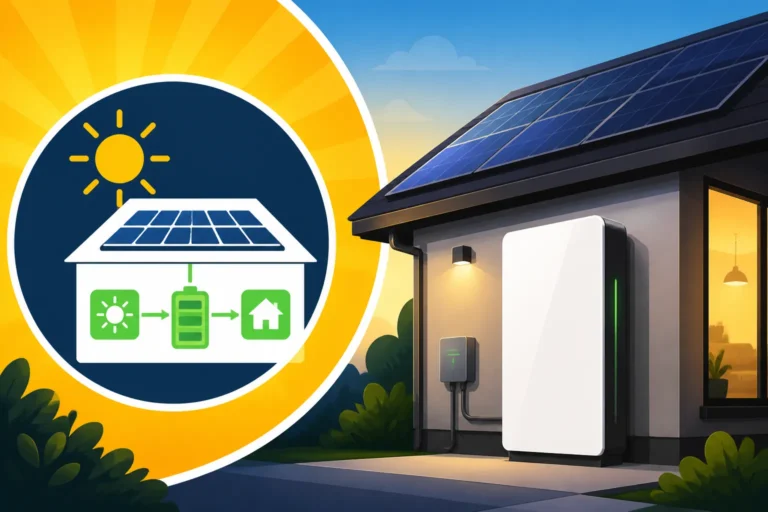
LG Energy Solution, the battery arm of LG, made a significant mark with its RESU (Residential Energy Storage Unit) lineup. These batteries were known for their sleek design, compact size, and relatively high energy density, making them a popular choice for homeowners with limited space. The RESU line typically offered a range of capacities, from smaller units like the RESU3.3 (3.3 kilowatt-hours) suitable for minimal backup, all the way up to larger options like the RESU16H (16 kilowatt-hours), designed for more substantial whole-home backup or higher energy consumption profiles.
Many homeowners appreciated the modular design of some RESU batteries, allowing for scalability – meaning you could potentially add more units later if your energy needs grew or if you wanted more robust backup power. They were primarily lithium-ion batteries, a standard in modern home energy storage, and designed to integrate with various solar inverter brands. At their peak, LG RESU batteries were frequently paired with popular inverters like those from SolarEdge or SMA, creating efficient and reliable solar-plus-storage systems. People looked for these on solar equipment supply sites or even general marketplaces like Amazon for compatible accessories and mounting solutions.
Navigating LG's Evolving Role in Home Solar
Here's where things get a bit more nuanced. While LG Energy Solution continues to be a major global player in battery manufacturing, especially for electric vehicles and utility-scale storage, LG Electronics announced in 2022 that it was winding down its solar panel manufacturing business. This decision, while not directly impacting the battery division (LG Energy Solution), did send ripples through the residential solar industry. Many consumers associated "LG Solar" with both panels and batteries, and the exit from panels led to some confusion and questions about the long-term commitment to the residential battery market.
It's important to distinguish: LG Energy Solution is still active and a major battery supplier globally. However, for residential solar batteries, the market has become incredibly competitive. While existing LG RESU batteries are still supported under their warranties, and replacement units may be available through distributors, new LG RESU installations for homeowners have become less common as other brands have stepped up with aggressive offerings. If you're looking to install a new solar-plus-battery system, you might find that the readily available options from active residential solar battery manufacturers are more prevalent. This isn't to say LG RESU isn't a good product; it just means the landscape for new purchases has changed considerably.
Evaluating the True Value of a Home Solar Battery
Deciding if any solar battery, including one from LG, is "worth it" comes down to much more than just the brand name. It's about how well it meets your specific needs, budget, and long-term expectations. Before diving into the specifics of an LG RESU, let's look at the critical factors you should consider for any home energy storage system. This comprehensive look helps you determine if solar batteries are worth it.
Crucial Performance Metrics: Capacity, Power, and Efficiency
When you're comparing solar batteries, these three metrics are your best friends. Understanding them will give you a clear picture of what a battery can actually do for your home.
- Capacity (kWh): This tells you how much energy the battery can store. Think of it like the size of your car's gas tank. A larger capacity means more stored energy, which translates to longer backup times during an outage or more energy available for evening use if you're trying to minimize grid reliance. For instance, a small 3 kWh battery might only power essential loads (lights, fridge) for a few hours, while a 10-16 kWh battery could sustain a good portion of your home for a day or more, depending on your usage. You'll need to figure out What Size Solar Battery Do I Need? by looking at your home's average daily energy consumption and which appliances you want to back up.
- Power Output (kW): This is about how quickly the battery can deliver that stored energy. It's like how fast your car can accelerate. A high power output means the battery can run multiple high-draw appliances simultaneously – think AC units, electric stoves, or well pumps. If a battery has a large capacity but low power output, it might be able to last a long time, but it won't be able to handle sudden surges in demand from powerful appliances. For example, some batteries might have a continuous power output of 5 kW, with a peak of 7 kW for a short burst. This is a critical factor for ensuring a seamless transition during a power outage.
- Efficiency: This refers to how much energy is lost during the charging and discharging cycle. A battery with 90% round-trip efficiency means that for every 10 kWh you put in, you get 9 kWh out. Higher efficiency means less wasted energy and ultimately, more savings or longer backup. While most modern lithium-ion batteries boast high efficiencies (often 90% or more), it's still a good metric to compare, as even a few percentage points can add up over years of use.
The Long-Term Commitment: Warranties and Support
A solar battery is a significant investment, often costing thousands of dollars. Therefore, the warranty and the availability of long-term support are absolutely paramount. You want peace of mind knowing your investment is protected.
- Warranty Period: Most reputable solar batteries offer a 10-year warranty. This covers defects in materials and workmanship. However, it's not just about how long the warranty lasts, but what it covers.
- Performance Warranty/Throughput: Beyond covering manufacturing defects, a good battery warranty will include a "performance warranty" that guarantees a certain percentage of the original capacity will remain after a set number of cycles or years. For example, a common warranty might state that the battery will retain at least 70% of its original capacity after 10 years or 10,000 cycles, whichever comes first. This is crucial because all batteries degrade over time; you want to know what level of performance you can expect a decade down the road. You should always thoroughly read Solar Panel Warranties Explained and battery warranties.
- Manufacturer Support and Installer Network: Even the best products sometimes need troubleshooting or service. Knowing that the manufacturer has a strong, accessible support network is vital. This includes technical assistance, availability of replacement parts, and a network of certified installers who can perform maintenance or repairs. Given LG's strategic shifts in the residential solar space, researching the current support structure for their RESU batteries is especially important. If you were to purchase an LG RESU unit today, perhaps as existing stock from a distributor, you'd want assurance that LG Energy Solution's warranty is still fully honored and that there are technicians in your area familiar with the product.
System Compatibility and Integration
Your solar battery doesn't operate in a vacuum; it's a vital component of a larger solar energy system. How well it integrates with the rest of your setup is critical for optimal performance and ease of use.
- Inverter Compatibility: The battery needs to "speak the same language" as your solar inverter. Some batteries are AC-coupled, meaning they have their own integrated inverter and can be added to almost any existing solar system. Others are DC-coupled and work best with specific hybrid inverters that manage both solar panels and battery charging directly. Brands like SolarEdge and Enphase, for example, offer comprehensive ecosystems where their inverters and batteries are designed to work seamlessly together. If you're considering an LG RESU, you'll need to confirm its compatibility with your existing or planned inverter setup. This is a crucial step that your solar installer will assess during the design phase.
- Monitoring and Management Systems: A good solar battery system will come with a user-friendly monitoring app or platform. This allows you to track your energy production, consumption, battery charge level, and even control certain aspects of your system from your smartphone or computer. These interfaces often provide valuable insights into your energy habits and help you maximize your savings. Companies like Enphase and Tesla offer very robust monitoring platforms.
- Expansion Capabilities: Life changes, and so might your energy needs. The ability to easily add more battery capacity in the future can be a huge advantage. This scalability ensures your system can adapt if you get an electric vehicle, add a new appliance, or simply want more backup power.
Is an LG Solar Battery the Right Fit for You?
So, after considering the general aspects of solar batteries and LG's position in the market, let's get down to the core question: is an LG solar battery worth it for your home in today's environment? The answer, as often is the case with big home investments, isn't a simple yes or no. It depends heavily on your unique situation.
Scenarios Where an LG RESU Could Still Be a Smart Choice
Despite LG's shift in the broader solar market, there are specific situations where an LG RESU battery could still be a viable or even advantageous option.
- Existing LG Solar Panel Owners (Past Installations): If you already have an LG solar panel system installed from when they were manufacturing panels, and you're now looking to add storage, an LG RESU battery might offer some integration advantages with your original installer or system components, assuming they still stock and support the RESU line. This is less about technical superiority and more about working with a familiar setup and potentially a single point of contact for service.
- Replacing an Existing LG RESU Battery: If you already have an LG RESU battery nearing the end of its life or needing replacement, sticking with the same brand might simplify the process. Your current inverter and wiring are likely already compatible, and finding a direct replacement could be more straightforward than integrating a completely new brand. Always check with your original installer or a specialized battery service provider.
- Specific Local Deals or Available Stock: Occasionally, solar installers or distributors might have existing stock of LG RESU batteries they acquired before the market shifted, offering them at competitive prices to clear inventory. If you stumble upon such a deal, and it comes with a full manufacturer's warranty and solid installer support, it could represent good value. However, thoroughly vet any such offer, ensuring all warranty details are clear and that local support is confirmed. You might even find refurbished units or clearance sales on platforms like Amazon, but exercise extreme caution with warranties and installation support in such cases.
- Certain Regional Incentives: In some rare cases, older incentive programs might have specific eligibility criteria that an LG RESU battery fulfills. For example, some State Solar Incentives: Complete 2026 Guide or even Solar Battery Incentives in 2026 could have been designed when LG was a primary player, and the model might still qualify. Always check the very latest rules for your area.
Considering Alternatives in Today's Dynamic Market
For most homeowners looking to install a new solar battery system today, it's highly likely you'll be evaluating options from other leading brands that are currently more active in the residential market. The competition is fierce, and several manufacturers offer excellent products with strong support networks.
- Tesla Powerwall: The Tesla Powerwall is a dominant player, known for its high capacity, robust power output, and seamless integration with Tesla's solar products and app. Its popularity means widespread installer familiarity and good support.
- Enphase IQ Battery: For homes with Enphase microinverters, the Enphase IQ Battery is often a natural fit. These modular AC-coupled batteries offer excellent flexibility, allowing you to start small and expand. Their monitoring system is top-notch. You might compare Tesla Powerwall vs Enphase IQ Battery if you're exploring common options.
- FranklinWH aGate & aPower: FranklinWH has rapidly gained traction with its whole-home energy management system, offering high capacity and powerful backup capabilities, often appealing to those looking for comprehensive resilience.
- SolarEdge Home Battery: Similar to Enphase, SolarEdge offers an integrated battery solution that pairs perfectly with their optimizers and inverters, providing a unified system for monitoring and management. Exploring Enphase vs SolarEdge: Which Inverter Is Better? can give you insight into these integrated systems.
- Generac PWRcell: Known for generators, Generac also has a strong battery offering, the PWRcell, which can provide significant backup power and integrates well with smart home energy management.
When comparing these alternatives, pay close attention to the Solar Battery Cost: Full Breakdown and how it aligns with your budget and expected savings.
Crunching the Numbers: ROI and Overall System Value
Ultimately, the "worth" of an LG solar battery – or any solar battery – boils down to its return on investment (ROI) and the value it brings to your lifestyle.
- Financial ROI: This involves calculating how much you'll save on electricity bills over the battery's lifespan, factoring in the initial cost, maintenance, and any incentives. Batteries help reduce reliance on the grid during peak hours when electricity is most expensive (time-of-use rates) and can offset costs if your utility has unfavorable net metering policies (like California's NEM 3.0). However, the Solar Panel Payback Period Explained for a system with a battery is typically longer than solar panels alone due to the added cost.
- Non-Financial Value: For many, the peace of mind during power outages is priceless. A battery provides true energy independence and resilience, ensuring your essential appliances stay on when the grid goes down. This value is harder to quantify in dollars but is incredibly important for many homeowners. If you live in an area prone to outages, this aspect alone might make a battery well worth it.
- Long-Term Support and Future-Proofing: Given LG's current standing, if you choose an LG RESU, you should feel confident in the long-term warranty and support from LG Energy Solution. However, if you prioritize being at the forefront of new technology or desire easier access to the latest software updates and integrations, newer offerings from companies fully dedicated to the residential solar battery space might be more appealing. Consider how a battery impacts your Solar Plus Battery Cost and how much you can save with solar panels over the long term. If you're looking into financing, be sure to understand Solar Loans: Complete Guide as part of your overall cost analysis.
| Feature | LG RESU (Typical Range) | Tesla Powerwall 2 (Reference) | Enphase IQ Battery 5P (Reference) |
|---|---|---|---|
| Usable Capacity | 3.3 kWh – 16 kWh | 13.5 kWh | 5.0 kWh (modular) |
| Continuous Power | 3.3 kW – 7 kW | 5 kW (7 kW peak) | 3.84 kW (6.14 kW peak) |
| Round-Trip Eff. | ~90-95% | 90% | 89% |
| Warranty (Years) | 10 (with capacity retention) | 10 (70% capacity) | 10 (70% capacity) |
| Primary Coupling | DC (often via hybrid inverter) | AC | AC |
| Scalability | Yes, depending on model | Yes (multiple units) | Yes (modular units) |
| Current Availability | Limited new installations, mainly existing stock/replacements | High | High |
Note: This table provides typical figures for general comparison. Specific models and generations of batteries will have varying specifications.
In conclusion, while LG RESU batteries are well-engineered products and have served many homeowners reliably, the broader market has evolved significantly. If you're a new buyer, you'll want to carefully compare any available LG RESU options against the current generation of batteries from companies like Tesla, Enphase, and FranklinWH, focusing on current availability, long-term support, and how well they integrate with your specific solar goals.
Disclaimer
The information provided in this guide is for general informational purposes only and does not constitute professional financial, tax, or energy advice. The solar industry, including product availability, incentives, and regulations, is subject to change. Always consult with a qualified solar professional or financial advisor before making any decisions regarding your home solar or battery storage system.