SMA Inverter Review
Choosing a solar inverter can feel like trying to pick out a needle in a haystack, especially with so many brands and technologies flooding the market. It's a critical decision, though, because the inverter is the brain of your solar system, converting the DC power from your panels into usable AC electricity for your home. If you're feeling a bit lost trying to figure out if SMA inverters are the right fit for your solar journey, you're in the right place. This guide is going to walk you through everything you need to know about SMA inverters, from their long-standing reputation to how they actually perform day-to-day, helping you make an informed choice for your home.
A Deep Dive into SMA Solar Technology
When you're looking at solar solutions for your home, you'll quickly realize that not all inverters are created equal. SMA Solar Technology AG, a German company, has been a major player in the solar inverter game for decades, often setting industry standards. They're one of those brands that seasoned solar professionals know and trust, and for good reason. Understanding their background and product range can help you appreciate why they frequently come up in conversations about reliable solar components.
Understanding SMA's Place in the Solar Market
SMA has a seriously impressive pedigree, established back in 1981. That's a long time to be innovating in any industry, let alone one as rapidly evolving as solar. They quickly became known for their robust and reliable string inverters, which have been the backbone of countless residential and commercial solar installations worldwide. Their global presence is vast, meaning they have experience with diverse climates and energy grids, which translates into products designed to handle various challenges. When an installer recommends SMA, they're often banking on this proven track record of durability and consistent performance. They've weathered market shifts, technological advancements, and economic ups and downs, emerging consistently as a leader. This kind of stability and expertise is a huge comfort to homeowners making a significant investment.
Key SMA Inverter Offerings for Homeowners
For residential applications, SMA primarily focuses on string inverters, but their product line has evolved to include hybrid models that integrate with battery storage. Their most well-known residential series include the Sunny Boy for grid-tied systems and the Sunny Tripower for larger residential or small commercial setups, often three-phase.
The Sunny Boy series is a classic for a reason. These string inverters are designed for efficiency and ease of installation, offering a straightforward approach to converting solar energy. They are particularly well-suited for homes with minimal shading or a consistent roof plane, where all panels can operate under similar conditions. These inverters come with integrated arc fault circuit interruption (AFCI) for safety and are known for their reliable performance over their long lifespan.
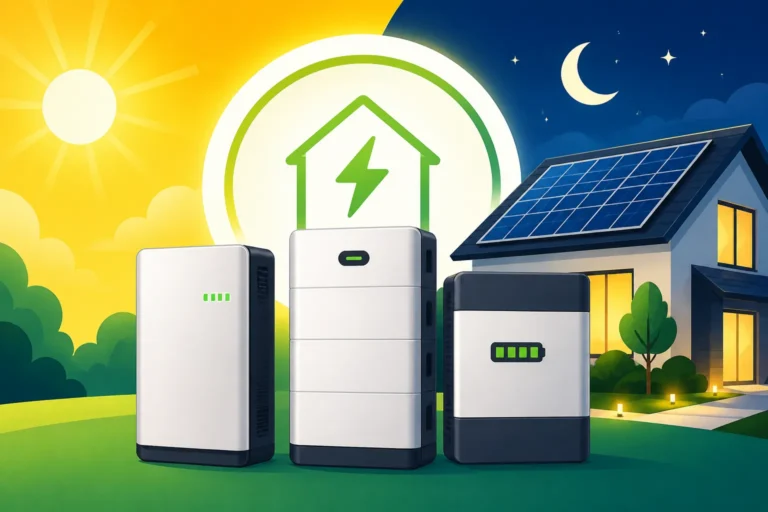
Then there's the Sunny Tripower Smart Energy line, which is a hybrid inverter solution. This is where SMA truly steps into the modern era of energy management, allowing homeowners to not only convert solar power but also store excess energy in a battery system. This means greater energy independence, especially when paired with the Best Solar Batteries of 2026. Imagine being able to power your home during an outage or draw from your battery when electricity rates are highest. These hybrid inverters are becoming increasingly popular as homeowners look beyond just offsetting their electricity bill to achieve true energy resilience. They essentially combine the functions of a solar inverter and a battery inverter into one unit, simplifying your system and often making installation a bit cleaner.
Pros and Cons of Choosing an SMA Inverter
Deciding on an inverter brand is a bit like choosing a car; each has its strengths and weaknesses, and what's perfect for one person might not be ideal for another. SMA inverters have a lot going for them, particularly their long-standing reputation for quality. However, like any technology, there are also aspects to consider that might influence your decision, especially when comparing them to other options out there.
The Benefits Homeowners Love About SMA
One of the biggest advantages of SMA inverters is their proven reliability and durability. These units are built to last, often outperforming their warranty periods. This longevity is a huge factor in the overall Solar Panel Payback Period Explained for your system. Homeowners appreciate the peace of mind that comes with installing equipment that's known to be robust, meaning fewer headaches and less downtime for repairs. SMA products are often lauded for their German engineering, which typically means meticulous design and rigorous testing.
Another major benefit is their high efficiency ratings. SMA consistently produces inverters that convert DC solar power to AC power with minimal loss. This means more of the energy your panels produce actually gets used in your home or sent back to the grid. For instance, many of their Sunny Boy models boast efficiencies well over 97%, which can make a noticeable difference in your energy savings over the system's lifespan. You can also monitor this performance closely, understanding how much energy your system is generating and consuming.
Furthermore, SMA offers a comprehensive monitoring platform called Sunny Portal. This user-friendly interface allows homeowners to track their system's performance in real-time, view historical data, and even identify potential issues. Having this level of insight into your system's operation can be incredibly empowering. You can see how much you're producing, how much you're consuming, and how much you're sending back to the grid, giving you a clear picture of your investment's return. This level of transparency helps you understand your Solar ROI & 25-Year Savings Breakdown.
Finally, SMA has a solid reputation for customer support and warranty service. While no one wants to deal with issues, knowing that a company stands behind its products with responsive support and clear warranty terms is invaluable. Their strong network of certified installers also means that if a problem does arise, you're likely to find local expertise to help resolve it quickly. This support infrastructure is something that sometimes gets overlooked but is absolutely vital in the long run.
Potential Drawbacks and Considerations
However, SMA inverters might not be the perfect fit for every scenario. One common consideration is cost. While SMA offers exceptional value over the long term due to its reliability and efficiency, the initial upfront cost can sometimes be higher than some competitor brands, particularly those offering more budget-friendly options. It’s worth remembering that “you get what you pay for” often rings true in the solar world, but it’s still a factor in your overall solar panel cost calculation.
Another point to consider, especially with traditional string inverters, is shading performance. If your roof has significant or intermittent shading from trees, chimneys, or other structures, a single string inverter might not be the most optimal solution. In a string inverter system, if one panel in a string is shaded, it can reduce the output of all other panels in that same string, impacting your overall energy production. For such situations, module-level power electronics (MLPEs) like optimizers or microinverters (which we'll discuss more later) are often recommended as they allow each panel to operate independently.
While SMA has expanded into hybrid inverters, some users might find that the complexity of integrating a full battery storage system requires a bit more expertise during installation and setup compared to simpler, fully integrated microinverter battery solutions. This isn't necessarily a drawback of the inverter itself, but rather a consideration for the overall system design and your chosen installer's familiarity with hybrid systems.
SMA Inverter Performance and Efficiency
When we talk about solar, the goal is always to maximize the amount of clean electricity your home produces. This is where your inverter plays a starring role. SMA has built its reputation on delivering high-performing, efficient products that truly convert sunlight into usable power, even when conditions aren't absolutely perfect. Let's delve into what that means for your daily energy production.
Real-World Performance and Energy Harvesting
SMA inverters are engineered to excel in various environmental conditions. Their robust design means they can handle temperature fluctuations, from scorching summer days in Arizona to chilly winters in New England, without significant performance degradation. This wide operational temperature range is crucial for maintaining consistent output over many years. When discussing Solar Panel Efficiency & Degradation Explained, it's important to remember that while panels themselves degrade slowly, a high-quality inverter helps ensure that you're getting the most out of every watt produced.
One of the key technologies SMA employs to maximize energy harvesting is its OptiTrac Global Peak tracking. This intelligent algorithm helps SMA string inverters find the optimal operating point for each string of panels, even if there's minor shading or panel mismatch within that string. While it doesn't offer the granular, per-panel optimization of microinverters or power optimizers, it significantly improves upon older string inverter designs. For example, if a small part of your roof is shaded for an hour in the morning, OptiTrac Global Peak works to minimize the power loss across the entire string, rather than letting that single shaded panel drag down the performance of the whole array. This makes SMA a strong contender for roofs with minimal or predictable shading patterns.
Monitoring Your System with SMA's Solutions
Having a solar system isn't just about putting panels on your roof; it's about understanding and controlling your energy future. SMA makes this incredibly easy with their sophisticated monitoring platform, the Sunny Portal. This platform is a game-changer for homeowners who want to keep a close eye on their investment.
Through Sunny Portal, accessible via a web browser or a dedicated app, you get a clear, intuitive dashboard showing your system's current power production, daily energy yield, and cumulative lifetime generation. You can compare today's performance to yesterday's, track monthly trends, and even see how much CO2 emissions you've saved. For a homeowner, this data isn't just numbers; it's tangible proof of your energy independence and environmental contribution. You can even set up email alerts to notify you if there's any unexpected dip in performance, allowing you to proactively address potential issues with your installer.
For hybrid systems using Sunny Tripower Smart Energy inverters, the monitoring capabilities extend to your battery storage. You can see your battery's state of charge, how much energy is going into and out of it, and how much power you're drawing from the grid versus consuming directly from your solar panels or battery. This granular insight helps you optimize your energy consumption habits and truly understand the value of your Solar Plus Battery Cost system. While you won't typically find large-scale solar inverters like SMA's residential models directly on Amazon, you might explore accessories, monitoring devices, or smaller DIY solar components there that can complement your system's overall efficiency. Many homeowners appreciate the convenience of smart home integration, and platforms like Amazon Alexa or Google Assistant can sometimes link with solar monitoring systems, allowing you to check your energy production with a voice command.
Comparing SMA with Other Leading Inverter Brands
Choosing an inverter often means wading through comparisons between different technologies and manufacturers. SMA stands strong, but it's vital to understand where it fits in the broader landscape, especially when stacked against microinverters like Enphase or other string inverter heavyweights. This comparison helps clarify which technology is best suited for your unique home and energy goals.
SMA vs. Microinverters Enphase
This is one of the most common debates in the solar world: string inverter vs. microinverter. SMA largely represents the string inverter side of the coin, while Enphase is the undisputed leader in microinverter technology. The core difference lies in where the DC to AC conversion happens. With SMA string inverters, all your panels are wired together into "strings," and the power from these strings goes to a central inverter, usually located near your utility meter. If you have a How Many Solar Panels Do I Need for My Home? system, say 20 panels, they might be split into two strings of 10 panels each, feeding into one SMA inverter.
Microinverters, like those from Enphase, are installed under each individual solar panel. This means each panel has its own small inverter, converting DC to AC at the panel level.
Here’s a breakdown of the trade-offs:
| Feature | SMA (String Inverter) | Enphase (Microinverter) |
|---|---|---|
| Shading Tolerance | Good with OptiTrac Global Peak, but whole string affected by significant shade. | Excellent, each panel operates independently, minimizing shade impact. |
| System Design | Simpler wiring, central inverter location. | More complex wiring on the roof, no central inverter. |
| Monitoring | String-level or whole system monitoring (Sunny Portal). | Panel-level monitoring (Enphase Enlighten), highly detailed. |
| Failure Point | Single point of failure (central inverter). | Distributed failure points, one microinverter failure doesn't affect others. |
| Expandability | Can be expanded, but usually in full string increments. | Easy to add individual panels/microinverters later. |
| Cost | Often lower upfront per watt. | Generally higher upfront per watt. |
| Safety (DC Voltage) | High DC voltage runs across the roof to the inverter. | Only low AC voltage runs across the roof, DC converted at panel. |
For homes with complex roofs or significant shading throughout the day, microinverters often win out because of their superior performance under partial shade. However, for a simple, unshaded roof, an SMA string inverter can offer a more cost-effective solution with excellent efficiency. Many people also prefer the idea of having their primary inverter unit accessible on the side of their house rather than having multiple small inverters on their roof.
SMA vs. Other String Inverter Giants SolarEdge, Fronius
Beyond the microinverter comparison, SMA also competes directly with other major players in the string inverter space, such as SolarEdge and Fronius. Each of these brands has its own strengths and loyal following among installers and homeowners.
SolarEdge systems actually blend aspects of both string inverters and microinverters. They use power optimizers, which are small devices installed under each panel (like microinverters), but these optimizers don't convert DC to AC. Instead, they optimize the DC power from each panel and send it to a central string inverter, which then performs the DC to AC conversion. This "optimized string inverter" approach gives SolarEdge systems panel-level optimization for shading and monitoring (similar to microinverters) while still using a central inverter for the final conversion. This makes SolarEdge a very strong competitor for shaded roofs while maintaining some of the installation benefits of a central inverter. Their solution also boasts excellent safety features. You can dive deeper into these comparisons with resources like Enphase vs SolarEdge: Which Inverter Is Better?.
Fronius, another highly respected Austrian manufacturer, also specializes in high-quality string inverters. Like SMA, Fronius is known for its robust build quality, high efficiency, and reliable performance. They offer a range of residential string inverters, often favored for their innovative features and strong monitoring capabilities. Fronius inverters are also known for their active cooling technology, which can help maintain peak performance even in hot conditions, potentially giving them an edge in areas with extreme summer temperatures. Their SnapINverter design is also popular with installers for its ease of service and replacement.
So, while SMA is a powerhouse, both SolarEdge and Fronius offer compelling alternatives. The choice often comes down to specific roof characteristics (shading!), budget, and the preferences of your chosen solar installer. A good installer, one you find through advice like How to Choose a Solar Installer, will be able to guide you through these options based on your unique circumstances.
Installation, Warranty, and Support for SMA Inverters
Investing in solar panels is a long-term commitment, and the hardware is only half the story. How easily it's installed, what kind of safety net you have through a warranty, and the quality of support if something goes wrong are all crucial factors. With SMA, you're generally looking at a well-established system for all these aspects, which contributes significantly to the overall value proposition.
What to Expect During Installation
The installation process for an SMA string inverter system is typically straightforward for experienced solar installers. Once your solar panels are mounted on your roof, the DC wiring from the panel strings is run to the central SMA inverter, which is usually located on an exterior wall of your home, in a garage, or sometimes in a utility room. The inverter then connects to your main electrical panel. The entire process, from initial site survey to flipping the switch, can take some time, so understanding the full Solar Installation Timeline: What to Expect is always a good idea.
One advantage of string inverters is that there are fewer components on the roof compared to microinverter systems. This can sometimes translate to a slightly faster roof-level installation, as installers are dealing with fewer individual units to mount and wire. However, running the conduit for the DC wiring from the roof to the central inverter requires careful planning and execution to ensure a clean, safe, and code-compliant installation. Installers often prefer SMA because of their detailed installation manuals and the widespread familiarity with their products within the industry, reducing potential learning curves or unexpected issues during the setup phase. When homeowners research, they might even find general solar installation guides or tools on Amazon that illustrate aspects of wiring or mounting, although the actual inverter installation must be done by certified professionals.
Understanding SMA's Warranty and Customer Service
SMA provides a robust warranty package that reflects their confidence in their product quality. Typically, SMA inverters come with a standard 10-year warranty. This warranty covers defects in materials and workmanship, offering repair or replacement of the inverter should a covered issue arise during this period. For homeowners, a 10-year warranty is a strong indicator of reliability, but it's always important to compare this with typical Solar Panel Warranties Explained, which are often 25 years or more for the panels themselves. It's not uncommon for homeowners to purchase an extended warranty for their inverter, pushing coverage to 15 or even 20 years, to better align with the lifespan of their solar panels. These extended warranties offer extra peace of mind and can be a worthwhile investment.
When it comes to customer service, SMA has a reputation for being responsive and knowledgeable. They provide technical support lines for installers and, indirectly, for homeowners who work through their installers. Their online resources, including manuals, troubleshooting guides, and FAQs, are comprehensive and easily accessible. If an issue does arise, the process usually involves your certified installer diagnosing the problem, and if it points to the inverter, they will contact SMA for warranty claims or technical assistance. SMA's strong distribution network also means that replacement parts or units are generally available without excessive delays, minimizing any potential downtime for your solar energy production. Beyond the inverter itself, you might consider smart plugs or energy monitors, many of which are readily available on Amazon, to get a more granular view of your home's energy consumption and further optimize your solar investment.
Overall, SMA inverters are a solid, reliable choice that many homeowners are extremely happy with. They offer exceptional efficiency, robust monitoring, and the backing of a company with decades of experience and a strong support network. While they might have a higher upfront cost than some alternatives and might not be the absolute best choice for extremely shaded roofs, their long-term performance and peace of mind they offer are significant benefits. Ultimately, the right inverter for you will depend on your specific roof conditions, budget, and long-term energy goals.
Disclaimer
Please remember that while we strive to provide accurate and up-to-date information, the solar industry is constantly evolving. Product specifications, incentive programs, and market conditions can change rapidly. Always consult with certified solar professionals and financial advisors to get personalized advice tailored to your specific situation before making any purchasing or investment decisions.