Solar Panel Maintenance & Cleaning
Many homeowners go solar thinking it's a "set it and forget it" solution, only to discover that while incredibly low-maintenance, solar panels aren't entirely hands-off. The reality is that factors like dust, pollen, bird droppings, and even harsh weather can gradually diminish your system's performance, leaving you wondering if you're truly getting the most out of your investment. This comprehensive guide will walk you through everything you need to know about solar panel maintenance and cleaning, ensuring your system operates at peak efficiency for decades to come.
Why Solar Panel Maintenance Matters More Than You Think
When you decide to go solar, you're making a significant investment in your home and your future energy independence. It's easy to assume that once those sleek panels are up on your roof, they'll just silently convert sunlight into electricity forever without any further thought. However, just like any other major home appliance or system, a little proactive care can go a very long way in ensuring its longevity and optimal performance. Neglecting even basic maintenance can lead to a slow, insidious drain on your potential savings and the lifespan of your system.
Protecting Your Investment and Performance
Think about it: you wouldn't buy a new car and never change the oil, right? Your solar panel system, while much simpler in its operational needs, still benefits immensely from a bit of attention. Regular maintenance isn't just about aesthetics; it's about safeguarding the financial benefits you signed up for. Every bit of dirt, every lingering patch of grime, subtly reduces the amount of sunlight reaching your panels, which directly translates to less electricity generated. Over time, these small reductions can add up to noticeable dips in your energy production, eroding the value proposition that made you go solar in the first place. This proactive approach helps protect the long-term return on investment (ROI) that makes solar so appealing.
Moreover, panels from reputable manufacturers, like those often featured in our guide to the Best Solar Panels of 2026, are built to last, but even the highest quality equipment needs some looking after. By keeping them clean and regularly inspecting them, you're actively working to maintain their efficiency and prevent issues that could shorten their expected lifespan. You want your panels to be performing their best for as long as possible, truly delivering on the promise of clean, affordable energy for your household.
The Impact of Dirt and Debris on Efficiency
It's a common misconception that rain will just wash your solar panels clean, and for light dust, that's often true. However, certain types of grime, like sticky pollen from spring blooms, stubborn bird droppings, or even a layer of soot from a nearby wildfire, aren't so easily removed by a simple shower. These persistent layers create "hot spots" where parts of the panel are shaded while others are exposed, leading to uneven heating and a reduction in power output. This phenomenon directly relates to a panel's Solar Panel Efficiency & Degradation Explained, where even minor obstructions can cause significant drops in performance.
Consider a typical scenario in, say, Arizona, where dust storms are frequent, or in an agricultural area with persistent pollen. A homeowner might notice their energy production steadily decreasing over several months. They might check their monitoring app and see lower numbers, scratching their head wondering why. Often, the culprit is simply a layer of accumulated dirt acting as a subtle but effective blocker to precious sunlight. The cleaner your panels are, the more sunlight they can absorb, and the more electricity they can generate, directly translating to lower utility bills and a faster payback period for your initial investment.
Avoiding Costly Repairs and Premature Degradation
Beyond just keeping your panels running smoothly, regular checks and maintenance can also help you catch minor issues before they escalate into major, expensive problems. A small crack in a panel's glass, a loose wire, or even a nesting bird building a home under your array might seem insignificant at first. But if left unaddressed, that tiny crack could worsen, leading to water intrusion and electrical damage, or those nesting materials could become a fire hazard.
Catching these problems early can be the difference between a simple fix and needing to replace an entire panel or inverter. It's also about preventing premature degradation – the natural process where solar panels lose a tiny bit of efficiency each year. While this is expected and accounted for in their design (panels typically last for How Long Do Solar Panels Last?), allowing dirt and debris to linger can accelerate this process, meaning your panels might not perform as well as they should deep into their warranty period. Proactive inspections are your best defense against these kinds of long-term headaches, ensuring your system performs reliably for many years.
How Often Do Solar Panels Really Need Cleaning?
This is perhaps the most common question homeowners have, and honestly, there's no single, universally perfect answer. It’s definitely not a weekly chore, and for some, it might only be needed once a year or even less. The idea that rain will simply wash everything away often holds true for light dust, but that's not always the whole story. Deciding on a cleaning schedule involves a bit of observation and understanding your local environment.
Factors Influencing Cleaning Frequency
The truth is, how often you need to clean your solar panels depends heavily on where you live and what’s happening around your home. For example, if you live in a dusty, arid region like parts of Southern California or Nevada, you might find that dust accumulates much faster than someone living in a lush, rainy climate. Areas near agricultural fields can experience heavy pollen seasons or even dust from farming activities. Homes near busy roads or industrial areas might contend with soot and exhaust fumes.
Another major factor is the pitch of your roof and your panels. Steeper roofs allow rainwater to run off more effectively, taking loose debris with it. Panels on a very shallow pitch or even flat roofs might hold onto dirt more readily. Even local wildlife plays a role – if you have a lot of birds nesting nearby, you might find yourself dealing with more frequent bird droppings. All these environmental nuances mean that what works for your neighbor might not be the ideal schedule for you.
The "Eye Test" and Monitoring System for Guidance
Instead of blindly following a calendar, the best approach is a combination of visual inspection and performance monitoring. Start by simply looking at your panels. Do they visibly appear dirty? Can you see a film of dust, streaks of grime, or obvious bird droppings? If so, it’s probably time for a cleaning. However, what you can't see is just as important. This is where your solar monitoring system comes in handy.
Most modern solar systems come with an app or online portal that allows you to track your energy production in real-time. If you notice a consistent dip in your daily or monthly production that can't be explained by cloudy weather, shorter days, or known system issues, dirty panels are often the first thing to suspect. Regularly checking your system's performance via the app (refer to our guide on How to Monitor Solar Panel Performance for more details) can give you a clear indication that cleaning is needed, even before the dirt becomes obvious to the naked eye. This proactive monitoring ensures you're not losing out on potential savings without even realizing it.
Seasonal Cleaning Schedules vs. As-Needed Approach
For many homeowners, especially those in regions with distinct seasons, adopting a seasonal cleaning schedule makes the most sense. A good rule of thumb is to clean your panels once or twice a year, perhaps in late spring after the pollen season has peaked, and then again in the late fall to clear any accumulated leaves or dust before winter. For instance, homeowners in areas like New York or Massachusetts might find a spring and fall cleaning sufficient, whereas someone in a dustier part of Texas might opt for quarterly cleanings.
However, an "as-needed" approach is also perfectly valid and often more efficient. This means you only clean when your visual inspections or monitoring data indicate it's necessary. If you've just had a major dust storm, or you notice a sudden increase in bird activity on your roof, you might decide to clean outside your regular schedule. The key is to be observant and responsive to what your panels (and your energy bills) are telling you. Ultimately, the best frequency is one that keeps your panels performing well without becoming an excessive chore, directly answering the question: Do Solar Panels Need Cleaning?.
The Right Way to Clean Solar Panels Safely and Effectively
So, you've checked your monitoring system, glanced up at your roof, and confirmed: it's time for a cleaning. Now what? The good news is that cleaning solar panels isn't rocket science, but there are definitely right ways and wrong ways to approach it. Safety should always be your number one priority, followed closely by using methods and materials that won't damage your valuable equipment. Rushing this step or using the wrong tools can lead to scratches, cracks, or even personal injury, completely negating the benefits of cleaning.
Essential Tools and Supplies for a Sparkling Clean
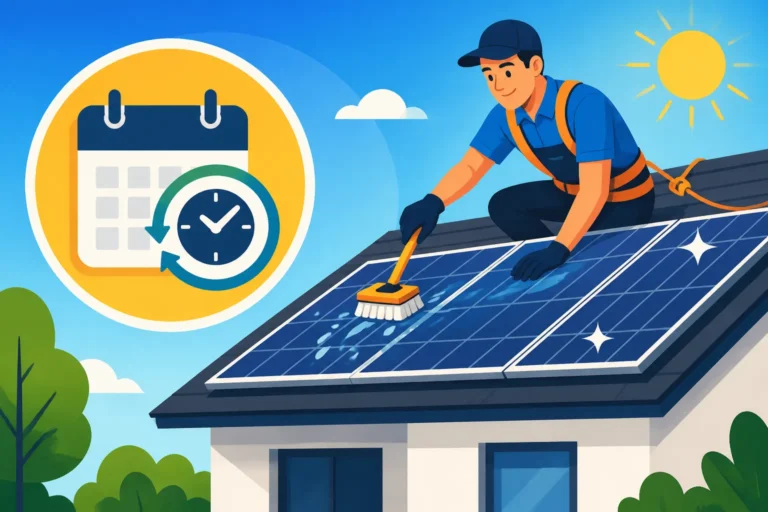
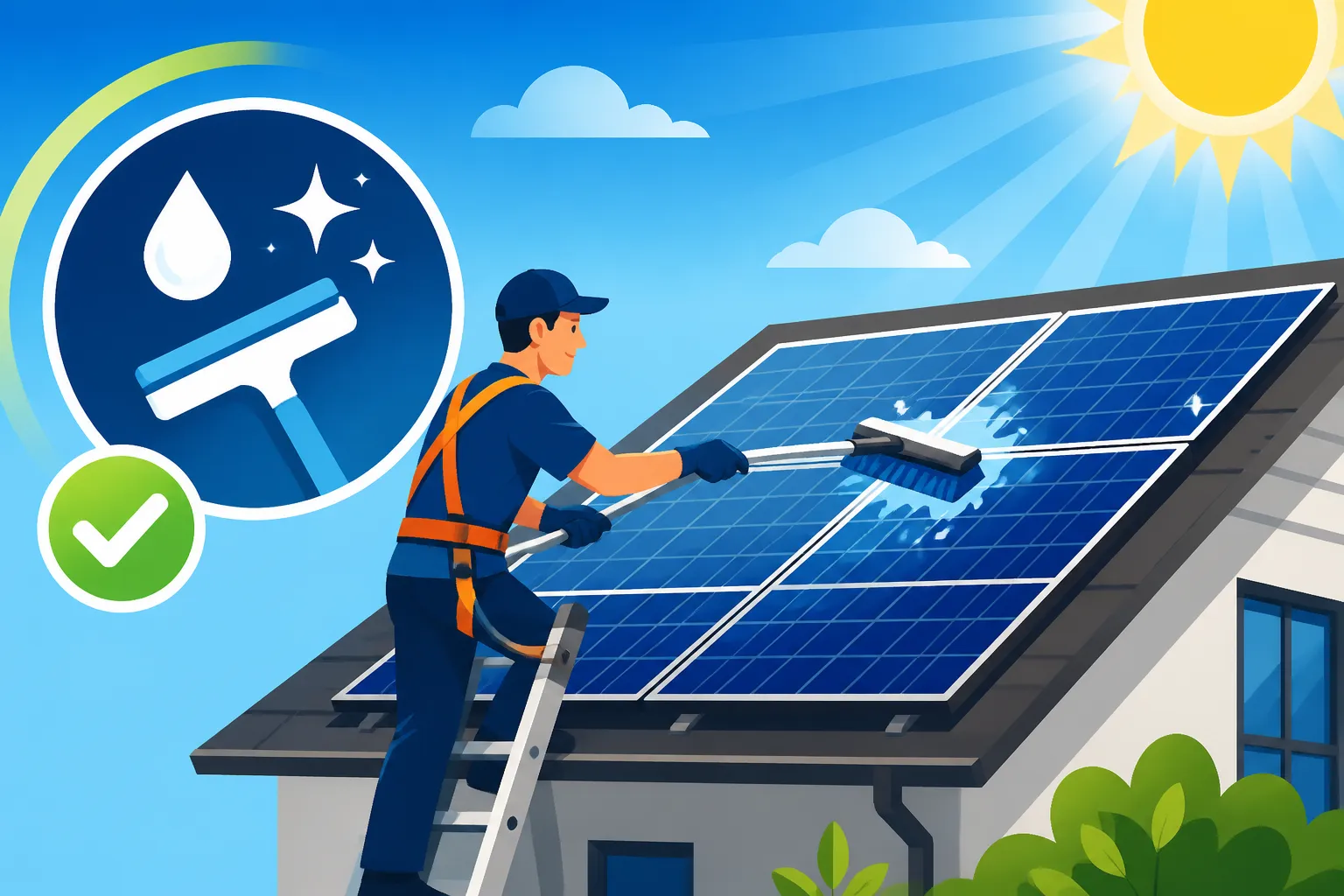
Before you even think about climbing onto your roof, gather all your supplies. You'll want a soft brush or sponge, specifically designed for cleaning delicate surfaces – never use abrasive scrubbers or harsh scouring pads, as these can scratch the tempered glass of your panels. A squeegee, similar to what window cleaners use, can be incredibly helpful for streak-free drying. For water, a garden hose with a spray nozzle is usually sufficient. Avoid using high-pressure washers, as the force can potentially damage the panels or force water into seals.
As for cleaning solutions, plain water is often all you need. For more stubborn grime, a small amount of mild, biodegradable soap (like dish soap) diluted in water can be effective. Crucially, avoid harsh detergents, abrasive cleaners, or anything with strong chemicals, as these can leave residues or even corrode parts of your system. And don't forget safety gear: sturdy ladder, non-slip shoes, gloves, and if working at height, a safety harness. If you're unsure about getting on your roof, it's always better to err on the side of caution and call a professional.
Step-by-Step Guide to DIY Solar Panel Cleaning
Once you have your gear, follow these steps for a safe and effective cleaning:
- Safety First: Ensure your ladder is stable on even ground. If your roof is steep or you're uncomfortable with heights, consider hiring a professional. Never clean panels during rain, strong winds, or when the roof is wet or icy. Early morning or late evening is often best, as the panels will be cooler, reducing the risk of water evaporating too quickly and leaving streaks.
- Rinse Thoroughly: Using your garden hose, thoroughly rinse down the panels to remove any loose dirt, dust, and debris. This initial rinse is crucial to prevent scratching when you start scrubbing. Make sure you can reach all panels safely from the ground or a stable ladder setup.
- Apply Cleaning Solution (if needed): If there's stubborn grime, apply your mild soap solution with a soft brush or sponge. Work in small sections, gently scrubbing to lift the dirt. Don't let the soapy water dry on the panels.
- Rinse Again: Rinse off all soap residue thoroughly with your hose. Again, avoid high pressure.
- Squeegee for a Streak-Free Finish: While optional, using a squeegee can help achieve a perfectly streak-free finish. Work from top to bottom, overlapping your strokes.
- Final Inspection: From a safe vantage point, visually inspect the panels to ensure all dirt and streaks are gone.
Remember, patience and gentleness are key. Treating your panels with care during cleaning is just as important as the How Are Solar Panels Installed? Step by Step process itself.
When to Call in the Professionals for Cleaning
While DIY cleaning is certainly an option for many, there are several scenarios where bringing in the pros is not just a convenience, but a necessity. If your roof is very steep, unusually high, or difficult to access safely, attempting a DIY cleaning could put you at serious risk of injury. Professionals have the specialized safety equipment and training to navigate challenging rooflines.
Furthermore, if you have a very large solar array, cleaning it yourself might be an all-day affair that you simply don't have time for. Professional solar cleaning services often use specialized water filtration systems that ensure no hard water spots are left behind, which can be an issue in areas with particularly mineral-rich tap water. They also have long-reach tools that allow them to clean effectively without needing to walk directly on the panels, minimizing any risk of damage. If you're ever in doubt about your ability to safely and effectively clean your panels, seeking out reputable services, perhaps through a platform like Modernize, is a smart decision that protects both you and your investment.
Beyond Cleaning: Comprehensive Solar Panel Maintenance Tasks
While a good cleaning schedule is vital, true comprehensive solar panel maintenance goes deeper than just keeping the glass spotless. Think of it as a full-body check-up for your entire system, not just a quick face wash. This involves regularly inspecting the various components that make your solar array function, ensuring everything is securely in place and operating as it should. Overlooking these checks could lead to issues that are much harder to spot and more expensive to fix than mere dirt buildup.
Regular Visual Inspections for Wear and Tear
Beyond cleaning, taking the time to conduct regular visual inspections of your entire solar array is a maintenance task that pays dividends. From a safe distance on the ground, or ideally, during a cleaning, look for any obvious signs of physical damage to the panels themselves. Are there any cracks in the glass, chipped corners, or warped frames? Even minor physical damage can compromise a panel's integrity and performance. Also, keep an eye out for discoloration, which could indicate internal cell damage, or "snail trails," which are dark lines that appear on some older panels due to moisture ingress.
Don't forget the mounting system. Are all the bolts and clamps holding the panels securely to the roof? Look for any signs of corrosion or looseness. If your system includes microinverters or power optimizers, check that these units, typically mounted beneath each panel, appear intact and aren't obviously damaged or dangling. These routine glances can catch small problems before they become significant, ensuring your system remains robust against the elements.
Checking Wiring, Connections, and Mounting Hardware
While you don't need to be an electrician, a basic check of visible wiring and connections can prevent unexpected outages. From an access point like an attic or an outdoor inverter, gently inspect any accessible conduits and wiring for fraying, chew marks (from pests), or loose connections. Ensure all cable ties are intact and keeping wires neatly organized and off the roof surface, where they could be exposed to UV degradation or animal interference. This meticulousness extends to the mounting hardware as well. Over time, temperature fluctuations and high winds can sometimes loosen bolts or clamps.
If you have a ground-mount system, these checks are even easier. Walk around the array and ensure all the structural components are sound and free from rust or damage. These components are designed to withstand significant forces, but an annual visual confirmation provides peace of mind. Keeping all these physical connections secure is critical for both the safety and long-term functionality of your system, ensuring that once your system receives What Is Permission to Operate (PTO)?, it continues to operate safely and efficiently.
Inverter and Battery Health Checks
Your inverter is the brain of your solar system, converting the DC power from your panels into AC power your home can use. Whether you have a central string inverter or individual microinverters (learn more about Solar Inverters: String vs Microinverter vs Optimizer), checking their status is a key maintenance task. For string inverters, typically mounted on an exterior wall or in a garage, visually inspect the unit. Are there any warning lights? Is the display showing error codes? Is it making any unusual noises? Most inverters have a status screen that provides valuable information about their operation.
If you have a solar battery backup system, like a Tesla Powerwall or Enphase IQ Battery, similar checks apply. Most modern batteries come with sophisticated monitoring apps that can tell you everything you need to know about their health and charge status. Beyond the app, a quick visual inspection for any physical damage or unusual sounds from the battery unit itself is a good practice. Remember, these components are vital for your system's overall performance and resilience, especially after your initial What Happens After Solar Is Installed? and you begin relying on solar power daily. Any abnormalities should prompt a call to your installer or a qualified technician.
Common Solar Panel Problems and Troubleshooting
Even with diligent maintenance, sometimes issues pop up. It's frustrating when your energy bill doesn't quite match your expectations, or your monitoring app shows lower production numbers than usual. The good news is that many common solar panel problems have relatively straightforward explanations and solutions. Knowing what to look for and how to respond can save you a lot of worry and potentially, a lot of money.
Identifying Decreased Energy Production
This is often the first sign that something might be amiss with your solar system. You might notice your monthly electricity bill creeping up, or your energy monitoring app might consistently show lower daily power output compared to previous months at the same time of year. Before panicking, consider the most common culprits. Has the weather been unusually cloudy or rainy? Have you had more extreme heat, which can slightly reduce panel efficiency? Has daylight savings time changed, affecting the peak sun hours?
If weather isn't the issue, then the next suspects are often accumulated dirt and debris, as discussed earlier. A good cleaning might be all it takes. Beyond that, consider shading. Have new trees grown nearby, or has a new structure been built that casts shadows on your panels at certain times of the day? Even small amounts of shade can disproportionately impact energy production, especially with string inverter systems. If none of these obvious factors explain the drop, it could indicate a technical issue with an inverter, a wiring problem, or even a faulty panel. In such cases, consulting your installer or a qualified technician is the best next step. It's important to know if your current system size is appropriate for your needs, so understanding How Many Solar Panels Do I Need for My Home? can help set realistic expectations for production.
Dealing with Pests and Wildlife Damage
While solar panels themselves are durable, the areas around and underneath them can sometimes become attractive nesting spots for birds, rodents, and other critters. Pigeons, for instance, love the sheltered warmth beneath panels, but their droppings can accumulate on the panels, reducing efficiency, and their nesting materials can pose a fire risk. Rodents, like squirrels and rats, are notorious for chewing through electrical wires, which can cause system failures and be expensive to repair.
To mitigate these issues, many homeowners opt for "critter guards" or "pigeon proofing" – wire mesh installed around the perimeter of the solar array to prevent animals from getting underneath. If you notice signs of pests, such as droppings, nesting materials, or actual animals scurrying around your panels, it's wise to address it quickly. Some pest control companies specialize in humane removal and deterring wildlife from solar arrays. This is an important consideration for long-term maintenance, as it protects both your equipment and the creatures themselves.
What to Do About Shading Issues
Shading is a notorious enemy of solar panel efficiency. Even a small shadow from a chimney, a dormer, or a nearby tree branch can significantly reduce the output of an entire string of panels, especially with older string inverter systems. Modern systems with microinverters or power optimizers (like those from Enphase or SolarEdge) are much more resilient to partial shading, as they allow each panel to operate independently. However, even with these advanced systems, significant or prolonged shading will still impact your overall production.
If you identify a new or worsening shading issue, you have a few options. Trimming tree branches is often the simplest and most cost-effective solution, provided the trees are on your property and can be trimmed safely. If the shade is from a neighbor's tree or a permanent structure, your options might be more limited. In some cases, a solar professional might be able to reconfigure your array or add more panels to compensate for the shaded ones, though this would involve additional cost. Proactive planning during the initial installation can help avoid many shading problems, but as landscapes change, so too might your need to address new shadows.
Understanding Your Solar Panel Warranties and Service Agreements
Navigating the world of warranties can feel like reading a foreign language, but when it comes to solar panels, understanding your coverage is absolutely essential. It’s your safety net, ensuring that your significant investment is protected against defects and underperformance for decades. Without a clear grasp of what’s covered, you could end up paying out of pocket for issues that should have been repaired or replaced for free.
Product, Performance, and Workmanship Warranties
When you install a solar system, you're actually getting several types of warranties rolled into one. First, there's the product warranty (sometimes called equipment warranty), which covers the physical panels themselves against manufacturing defects or premature wear and tear. This typically ranges from 10 to 25 years. If a panel physically breaks, delaminates, or has an electrical defect not caused by external damage, this warranty is your friend.
Then there's the performance warranty, which guarantees that your panels will produce a certain percentage of their original power output for a specified period, often 25 to 30 years. For example, a common performance warranty might state that your panels will still produce at least 80% of their original capacity after 25 years. If your panels degrade faster than this guaranteed rate, the manufacturer is obligated to replace or repair them.
Finally, and crucially, there's the workmanship warranty (or installation warranty), provided by your solar installer. This covers the actual installation process and components like wiring, mounting, and sealing against roof leaks. This warranty typically ranges from 5 to 10 years, though some premium installers offer longer terms. It protects you if issues arise due to improper installation. Understanding all these layers of protection is vital, as detailed in our guide, Solar Panel Warranties Explained.
The Role of Professional Maintenance in Warranty Compliance
It's a common concern: "Will I void my warranty if I don't get professional maintenance?" The good news is that most standard solar panel warranties don't explicitly require professional annual maintenance, unlike, say, a new car warranty. However, they do generally require that you maintain the system in accordance with manufacturer guidelines and avoid any actions that could damage the panels. This means no using harsh chemicals, no walking on the panels unnecessarily, and addressing obvious issues like severe dirt buildup.
While DIY cleaning usually won't void your warranty, neglecting major issues or attempting repairs yourself that should be handled by certified technicians certainly could. If a problem arises, and the manufacturer or installer can prove that your neglect or improper intervention caused the issue, they might deny a warranty claim. This is why annual professional inspections, even if not strictly mandated, can be a smart move. They ensure an expert eyes your system for subtle issues you might miss, helping you stay compliant and catch problems early. Platforms like Modernize can help you find installers that offer comprehensive maintenance plans.
What to Expect from Your Solar Installer's Post-Installation Support
A reputable solar installer doesn't just disappear after the panels are on your roof and the system is granted What Is Permission to Operate (PTO)?. They should provide clear guidelines on post-installation support, including how to contact them for troubleshooting, warranty claims, or maintenance requests. Many installers offer an initial "hand-holding" period where they help you understand your monitoring system and answer any questions.
Some installers offer optional service contracts or extended maintenance plans that go beyond the basic workmanship warranty. These might include annual inspections, cleaning services, or even priority service for repairs. While these come at an additional cost, they can provide peace of mind, especially for homeowners who prefer not to DIY their maintenance or for those with complex systems. Always clarify what kind of ongoing support your chosen installer provides before signing any contract, so you know exactly what to expect in the years following your installation.
The True Cost of Solar Panel Maintenance and How to Budget For It
One of the big selling points of solar energy is often touted as "virtually maintenance-free." While it's true that solar panels require far less upkeep than, say, a traditional HVAC system or a swimming pool, they aren't entirely free of cost or effort. Budgeting for maintenance is a realistic part of owning a solar system, and understanding these potential expenses upfront helps you truly appreciate your long-term savings. The "cost" isn't always monetary; it's also about your time and effort.
DIY Cleaning vs. Professional Services Cost Comparison
The most common "maintenance" expense for solar panels is cleaning. If you're comfortable and capable of safely cleaning your panels yourself, your costs will be minimal – essentially just the cost of water, a soft brush, and your time. Let's say you clean your panels twice a year; this might amount to a few dollars in water usage and a couple of hours of your labor each time. This is certainly the most budget-friendly option.
However, if your roof is challenging, or you prefer to outsource the task, professional solar panel cleaning services typically cost anywhere from $150 to $500 per visit, depending on the size of your array, the pitch of your roof, and your location. For a standard residential system, you might pay around $200-$300 for a single cleaning. If you opt for two cleanings a year, that's $400-$600 annually. This is a recurring cost to factor into your long-term solar budget. While it adds to your operating expenses, it ensures optimal production and helps maximize your savings on electricity bills.
Long-Term Savings vs. Upfront Maintenance Expenses
It's easy to look at potential maintenance costs and feel discouraged, but it's crucial to put them into perspective against the backdrop of your overall solar investment. The primary goal of going solar is to reduce or eliminate your electricity bills, which can save you tens of thousands of dollars over the system's 25+ year lifespan. Even if you spend a few hundred dollars annually on professional cleaning or put in your own time for DIY, these costs are usually dwarfed by the savings you generate.
Consider that average electricity bills can be hundreds of dollars each month. Even if your panels lose a small percentage of efficiency due to dirt, that translates directly to higher utility bills. Spending $200 on a cleaning that restores 5-10% efficiency might save you that much or more in electricity costs over a few months, making it a sound investment. Ultimately, proactive maintenance ensures your system is always performing at its best, helping you realize the full financial benefits and a faster Solar Panel Payback Period Explained.
Maximizing ROI Through Proactive Care
The real value of solar panel maintenance, whether DIY or professional, lies in its ability to maximize your return on investment (ROI). A well-maintained system will consistently produce more electricity, leading to greater savings and potentially even earnings through programs like Net Metering Explained: How It Works by State or SRECs Explained: Selling Solar Renewable Energy Credits. By keeping your panels clean and your system in top shape, you're not just preventing problems; you're actively ensuring you get the absolute most out of every ray of sunshine.
Think of it as optimizing your asset. Neglecting maintenance is like owning a rental property and letting it fall into disrepair – it depreciates faster and generates less income. Proactive care ensures your solar asset continues to generate maximum value for your household. While you might wonder how much solar panels cost initially, the long-term value is truly unlocked through consistent, smart maintenance that keeps them running efficiently for decades to come.
Disclaimer
The information provided in this guide is intended for general informational purposes only and does not constitute professional advice. While we strive to provide accurate and up-to-date information, individual solar systems, local regulations, and environmental conditions can vary significantly. Always consult with a qualified solar professional for specific recommendations regarding your system's maintenance, cleaning, and troubleshooting. Attempting DIY repairs or cleaning without proper safety precautions can result in injury or damage to your system.