Solar Interconnection Process Explained
The journey to clean, renewable energy for your home is incredibly exciting, but let's be honest, the administrative hurdles can feel like navigating a labyrinth. One of the most opaque and often frustrating parts of going solar is the interconnection process – that crucial bridge that connects your shiny new solar panels to the broader utility grid. This guide will demystify exactly what solar interconnection entails, breaking down each step, explaining who's involved, and giving you the realistic insights you need to sail through it with confidence.
What Exactly is Solar Interconnection?
When you decide to install solar panels on your home, you're not just adding a new appliance; you're essentially building a mini power plant that will interact directly with your local utility company's electrical grid. Solar interconnection is the formal, regulated process of getting permission from your utility company to connect your residential solar energy system to their grid. It's a critical step that ensures safety, reliability, and fair billing for everyone involved. Without proper interconnection, your system isn't legally allowed to send excess electricity back to the grid or draw power from it when your panels aren't producing enough.
Why Interconnection is Absolutely Essential
It might seem like just another bureaucratic hoop to jump through, but the interconnection process serves several vital functions. Firstly, and most importantly, it's about safety. Connecting a private power generation system to the public grid is complex. The utility needs to ensure that your system won't overload their lines, create voltage fluctuations, or endanger their workers when they're performing maintenance. There are strict technical standards that must be met to prevent power surges, outages, or even electrical fires.
Secondly, it establishes the operational framework for how your solar system will interact with the grid. This includes setting up metering, defining how excess power is credited, and ensuring that communication protocols are in place. Without this framework, the utility wouldn't know how much power you're drawing or supplying, making accurate billing impossible. It also ensures that your system is designed to seamlessly integrate, automatically shutting off during a grid outage (unless you have a battery backup system) to protect utility workers, a safety feature known as "anti-islanding."
The Difference Between Permits and Interconnection
It's easy to confuse solar permits with the interconnection process, but they are distinct, albeit often sequential, parts of your solar journey. Think of it this way: permits are permissions from your local city or county government (the Authority Having Jurisdiction, or AHJ) to build the physical structure of your solar system. This covers things like structural integrity, electrical wiring within your home, and compliance with local building codes. You'll typically need electrical permits, building permits, and sometimes even zoning permits. You can learn more about How to Get Solar Permits in a separate guide.
Interconnection, on the other hand, is specific permission from your utility company to connect your completed system to their grid. It's less about the physical installation on your roof and more about the grid-level electrical engineering and operational agreement. While they often run concurrently or sequentially, you can't officially flip the switch and start operating your grid-tied solar system until both your permits are approved and your interconnection agreement is finalized, usually culminating in a "Permission to Operate" (PTO).
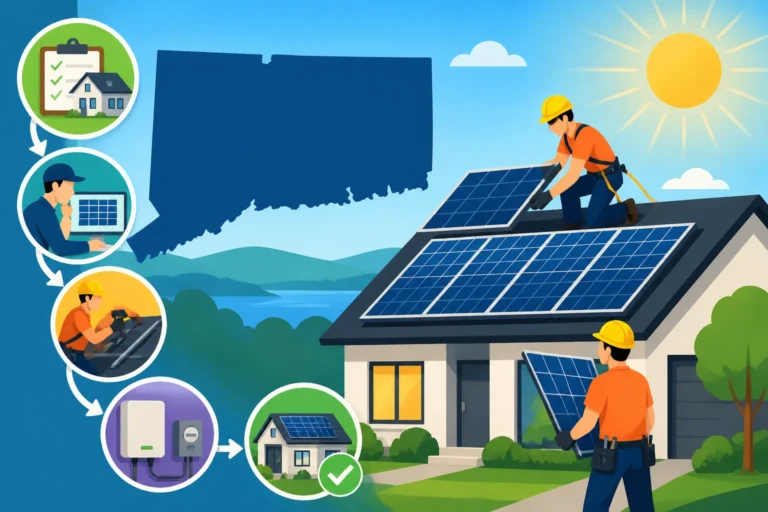
The Steps of the Interconnection Process
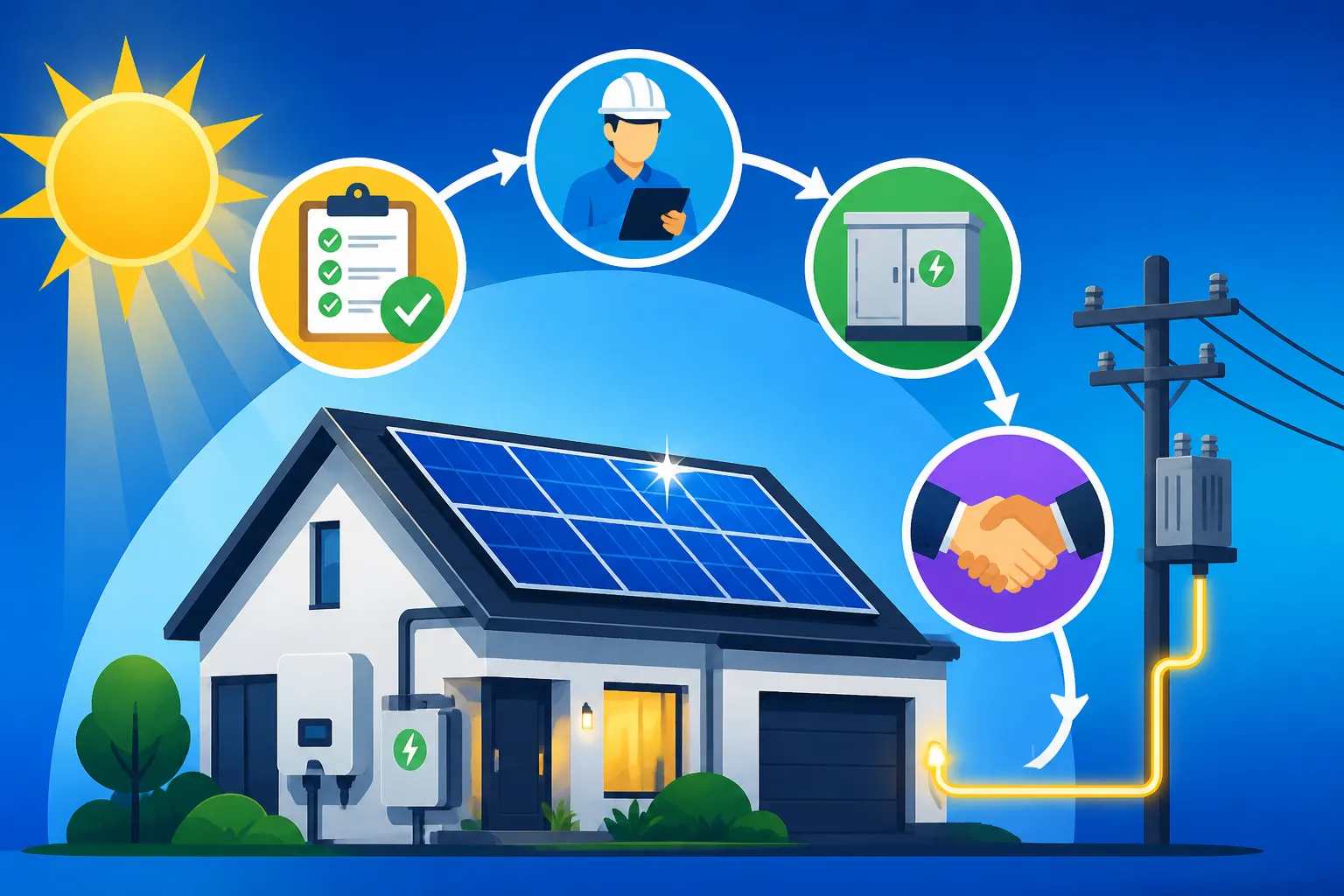
Navigating the interconnection process can feel like a marathon, with several distinct stages, each requiring attention to detail. From the initial application to the final flip of the switch, understanding these steps can help manage your expectations and keep things moving. This is often where a good solar installer really shines, as they'll typically handle most of this on your behalf.
Submitting Your Interconnection Application
The first official step is the submission of your interconnection application to your local utility company. This isn't just a simple form; it's a comprehensive package of documents that tells the utility everything they need to know about your proposed solar system. This typically includes detailed electrical schematics of your system, specifications for the solar panels and inverters you're using, a site plan showing where the panels will be located on your property, and proof of insurance. Your installer will usually prepare and submit this entire package. The complexity of this application can vary significantly depending on your system's size and your utility's specific requirements. For smaller residential systems (under 10 kW), the process is often streamlined, while larger systems or those with battery storage may require more extensive documentation and review.
Once submitted, the utility will review the application for completeness and adherence to their technical standards. This initial review can take anywhere from a few days to several weeks. If there are any missing pieces or technical questions, your installer will be contacted to provide clarifications or make adjustments. This back-and-forth can sometimes be a source of delays, which is why choosing an experienced installer who is familiar with your local utility's specific quirks is invaluable.
Utility Review and Technical Assessment
After the initial application is deemed complete, your utility moves into the technical assessment phase. During this stage, their engineers will meticulously review your system's design to ensure it meets all safety and grid compatibility standards. They'll assess how your system will impact the local grid infrastructure, looking for potential issues like voltage fluctuations, protection coordination, and fault current levels. This is especially crucial in areas where the grid might be older or already heavily loaded. They might conduct a "feasibility study" or a "system impact study" to understand these effects.
It's during this phase that the utility might suggest modifications to your system design if they identify any potential problems. For example, they might require specific protective relaying equipment or changes to your inverter settings. While these requests are designed to maintain grid stability, they can sometimes add to the cost or prolong the installation timeline. An experienced installer will anticipate these potential issues and design your system to minimize the likelihood of major revisions. The duration of this technical review varies widely by utility and state; some states have mandated timelines to prevent utilities from dragging their feet, while others offer more leeway.
Inspections and Meter Installation
Once the utility has approved your system design and your local permits are granted, your solar panels can finally be installed! After installation is complete, there will be a series of crucial inspections. First, your local Authority Having Jurisdiction (AHJ) will perform a final building and electrical inspection. This confirms that the physical installation adheres to local codes and the approved plans. They’ll check everything from the wiring connections to the structural mounting of the panels on your roof.
Once your AHJ inspection passes, the utility company will then schedule its own interconnection inspection. This inspection focuses specifically on the safety and functionality of your system in relation to the grid. They'll verify that the grid-tie components, such as inverters and disconnect switches, are correctly installed and configured according to their standards. They'll also typically replace your existing electricity meter with a new "net meter" or "bi-directional meter." This specialized meter is capable of tracking both the electricity you draw from the grid and the excess electricity your solar panels export to the grid. This is fundamental for accurately implementing net metering policies, which are explained in more detail in our article on Net Metering Explained: How It Works by State.
Receiving Permission to Operate (PTO)
This is the moment you've been waiting for! After all the applications, reviews, installations, and inspections are complete and satisfactory, the utility company will issue you an official Permission to Operate (PTO) letter or email. This document is your green light to officially activate your solar power system and begin generating and sending electricity to the grid. Without PTO, activating your system is often against your utility's terms and conditions, and could lead to penalties, not to mention safety risks.
Once you have PTO, your installer will typically come back to your home, flip the final switches, and show you how to monitor your system's production. It's a significant milestone, marking the point where your home truly starts benefiting from solar energy by reducing your electricity bills and potentially earning credits for excess production. You can dive deeper into this final stage by reading What Is Permission to Operate (PTO)?.
Key Players in the Interconnection Process
While it might feel like you, the homeowner, are solely navigating this journey, there are several key players involved in getting your solar system connected to the grid. Understanding who these entities are and their roles can help you appreciate the complexity and the importance of each step.
The Homeowner's Role and Responsibilities
As the homeowner, your role might seem passive once you've signed the contracts and picked out your panels, but you're still a central figure. Your primary responsibility is to choose a reputable and experienced solar installer. They will be your guide and advocate throughout this intricate process. While your installer handles most of the paperwork and technical details, you'll likely need to provide them with necessary documents, such as your utility bills, property survey, and homeowner's insurance information.
You also play a crucial role in understanding the terms of your interconnection agreement and your utility’s policies, especially regarding Net Metering vs Net Billing: What's the Difference? and how your bill will change. Stay informed, ask questions, and don't hesitate to follow up with your installer or even the utility directly if you have concerns or feel things are moving too slowly. While the installer shoulders the heavy lifting, staying engaged ensures your interests are represented and that you're prepared for your solar-powered future.
The Solar Installer's Pivotal Part
Your chosen solar installer is arguably the most critical player in the interconnection process. They are the experts who design your system, handle the permits, and navigate the bureaucratic maze with the utility company. A good installer will have a dedicated team for permitting and interconnection, often called the "operations" or "installations" department, that is intimately familiar with local regulations and utility requirements. They know what documents are needed, how to fill them out correctly, and who to contact at the utility to push things along.
Beyond paperwork, the installer is responsible for ensuring your system is built to code and meets all technical specifications. They coordinate the necessary inspections and are often present during both the AHJ and utility inspections to address any questions or issues on the spot. An experienced installer like those vetted through platforms such as Modernize can significantly reduce delays and headaches, ensuring a smoother transition from contract signing to PTO. Their expertise can truly make or break your experience with the interconnection process.
The Utility Company's Authority
The utility company holds the ultimate authority over whether your solar system gets to connect to their grid. They are responsible for maintaining the stability, safety, and reliability of the electrical infrastructure that serves millions of homes and businesses. Their primary concern is to ensure that your system's integration does not compromise these critical functions. This responsibility empowers them to set technical requirements, review designs, and conduct inspections.
Utility companies also administer programs like net metering, Utility Solar Rebates: How to Find Yours, and sometimes even Solar Renewable Energy Credit Prices by State. Their policies dictate how you get compensated for the excess energy your system produces. While their processes can sometimes feel slow or overly complex, it's important to remember their essential role in managing the grid. Building a good working relationship with your utility, often through the intermediation of your installer, can help facilitate the process.
Local Authorities Having Jurisdiction (AHJ)
The AHJ, which is usually your local city or county building department, plays a distinct but equally important role. Their jurisdiction covers the physical construction and safety aspects of your solar installation. Before any wires are connected to the grid, the AHJ needs to sign off on the structural integrity of your roof to support the panels, the electrical wiring, fire safety, and compliance with all local building codes.
Their review and inspection processes run parallel to, or sometimes slightly ahead of, the utility's interconnection steps. You often cannot get the utility's final inspection until the AHJ has issued their final approval. While the utility focuses on grid-tie specifics, the AHJ ensures your home's safety and structural soundness. This dual layer of oversight ensures that your solar installation is both safe for your home and safe for the broader electrical grid.
Common Hurdles and How to Overcome Them
The interconnection process isn't always a straight shot. Many homeowners encounter frustrating delays and unexpected challenges. Knowing what these hurdles are in advance can help you prepare and, with the right approach, overcome them more smoothly.
Dealing with Delays and Extended Timelines
One of the most common frustrations homeowners face is unexpected delays. The Solar Installation Timeline: What to Expect often gets stretched due to factors outside of anyone's immediate control. These delays can stem from slow utility processing times, especially if they have a backlog of applications. Sometimes, local AHJs might also be understaffed, leading to delays in permit reviews or inspections. Technical issues identified during the utility's review, such as a need for an upgraded transformer or grid infrastructure near your home, can also add significant time.
To mitigate these, choose an installer with a strong track record and clear communication. Ask upfront about their average interconnection timeline for your specific utility and what steps they take to proactively address potential slowdowns. Be prepared for some flexibility in your schedule, and remember that patience is often a virtue in this process. Your installer should keep you updated, but don't be afraid to gently inquire about progress.
Navigating Complex Paperwork and Documentation
The sheer volume and complexity of paperwork required for both permitting and interconnection can be overwhelming for homeowners. From detailed electrical diagrams and structural engineering plans to utility-specific application forms and insurance certificates, it's a lot to manage. Mistakes or omissions in this documentation are a leading cause of delays.
This is precisely why selecting a full-service solar installer is so beneficial. They typically have dedicated teams whose job it is to handle all this documentation, ensuring accuracy and completeness. Platforms like Modernize can help connect you with reputable installers who are known for their expertise in managing these administrative tasks efficiently. They understand the nuances of what each utility and local government agency requires, minimizing the chances of errors that could send your application back to square one.
Overcoming Technical Rejections or Requirements
Sometimes, your proposed solar system might face technical rejections or require modifications during the utility's review. This isn't necessarily a sign that your system is flawed, but rather that it needs to conform to specific grid standards or address unique local grid conditions. For example, if your home is at the very end of a power line, the utility might be more cautious about voltage fluctuations and request specific equipment. Or, if your system is particularly large, the utility might require a dedicated transformer upgrade at your expense, which can be a significant unexpected cost.
Your installer should be equipped to handle these technical challenges. They should be able to communicate effectively with utility engineers, propose solutions, and make any necessary design adjustments. If a requirement seems excessive or unclear, a good installer will advocate on your behalf and seek clarification. In rare cases, a system might be deemed unfeasible for grid connection without major, cost-prohibitive upgrades, in which case your installer should present you with alternative options, like reducing system size or exploring off-grid solutions, if applicable.
Understanding Permission to Operate (PTO)
The Permission to Operate (PTO) is the grand finale of your solar interconnection journey. It's more than just a piece of paper; it's the official blessing from your utility company that says your home is now a proud, grid-connected solar power producer.
The Significance of Your PTO Letter
Receiving your PTO letter is monumental because it legally authorizes you to energize your solar system and send any excess electricity you generate back to the utility grid. Before PTO, activating your system and allowing it to export power can lead to significant problems. Your utility might fine you, disconnect your service, or even view it as tampering with their infrastructure. More importantly, it can pose serious safety risks to utility workers who might be working on nearby lines, as they wouldn't expect power to be flowing from your home during an outage.
Beyond legal and safety implications, PTO signals the official start of your financial benefits. Once you have PTO, your new net meter begins accurately tracking your energy consumption and any solar credits you accrue. This means you can finally start seeing those anticipated savings on your electricity bill and potentially earn credits under your state's SRECs Explained: Selling Solar Renewable Energy Credits program or similar incentives, if available in your area.
What Happens Without PTO
Operating your solar system without PTO is generally a bad idea and can lead to a host of problems. As mentioned, it's a safety hazard. Utility crews performing maintenance or repairs on the grid need to be absolutely certain that sections of the grid are de-energized. An unauthorized solar system feeding power into the grid could inadvertently electrify a line they believed was safe, with potentially fatal consequences.
From a financial perspective, operating without PTO means you won't be credited for any excess energy you produce. Your new net meter won't be correctly configured to track exports, or the utility won't recognize your system as an official grid contributor. This means all that valuable solar energy you're sending back could essentially be given away for free, or worse, your utility might penalize you for unauthorized grid interaction. It's a lose-lose situation that negates the very purpose of going solar. Therefore, always wait for that official PTO before flipping the switch!
Interconnection Policies by State and Utility
It's tempting to think of solar interconnection as a monolithic process, but the reality is far from it. Policies and procedures can differ dramatically not just by state, but even by specific utility companies within the same state. These variations impact everything from application complexity and cost to the speed of approval.
State-Specific Interconnection Standards
Many states have established their own interconnection standards that all utilities operating within their borders must follow. These state-level rules often aim to streamline the process, protect consumers, and encourage solar adoption. For instance, states like California, Massachusetts, and New York have relatively robust and well-defined interconnection rules, often with specific timelines that utilities must adhere to. These rules dictate the maximum allowed processing times for applications, technical reviews, and inspections, which can help prevent utilities from indefinitely delaying projects.
Conversely, states with less comprehensive state-level guidelines may see more variation among individual utilities. In these cases, the process can be more opaque or take longer. For example, California Net Metering Rules in 2026 have recently undergone significant changes, impacting how systems interconnect and how homeowners are compensated. Understanding these state-specific nuances is crucial, and a good installer will be intimately familiar with the regulations in your particular state and how they might affect your Solar Panel Payback Period Explained.
Utility-Specific Requirements and Fees
Even with statewide standards, individual utility companies often have their own specific requirements, forms, and even fees for interconnection. A large utility like Pacific Gas and Electric (PG&E) in California will have different forms and perhaps different technical requirements than a smaller, rural electric cooperative in Texas. These variations can include:
- Application Forms: Each utility will have its own proprietary application forms.
- Technical Standards: While generally aligned with national standards, utilities may have specific equipment requirements or protective relay settings based on their grid infrastructure.
- Interconnection Fees: Some utilities charge a nominal application fee to cover administrative costs, while others might have more substantial fees for complex systems requiring detailed studies or infrastructure upgrades.
- Metering Requirements: While most use net meters, the exact model or installation specifics can vary.
- Insurance Requirements: Utilities may require proof of homeowner's insurance with specific liability coverage amounts.
It's vital for your solar installer to be familiar with the specific utility serving your home. An installer who regularly works in your area and with your utility will be much better equipped to navigate these specific requirements, minimizing delays and ensuring compliance. This local expertise is a significant benefit when you're looking for an installer through services like Modernize, as they often connect you with installers deeply embedded in your local market.
The Interconnection Timeline and Potential Hold-Ups
The question every homeowner wants to know is, "How long will this all take?" Unfortunately, there's no single answer, as the interconnection timeline can be highly variable. Understanding the typical timeframe and what can cause delays will help you manage expectations.
Typical Timeline Expectations
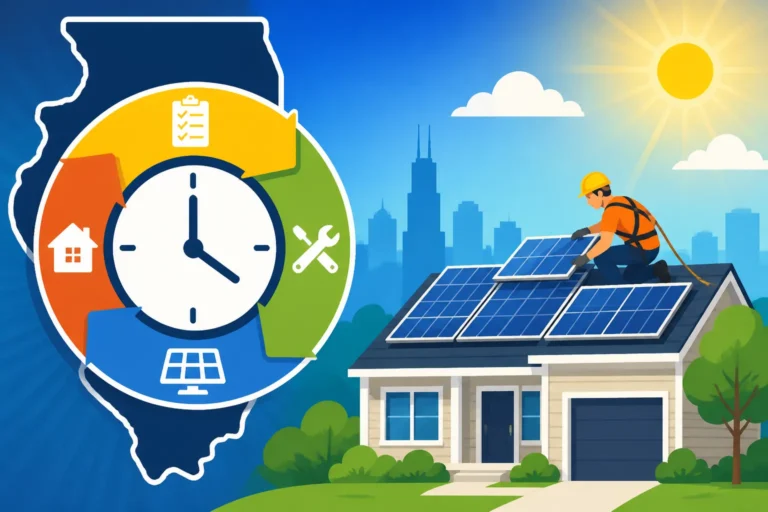
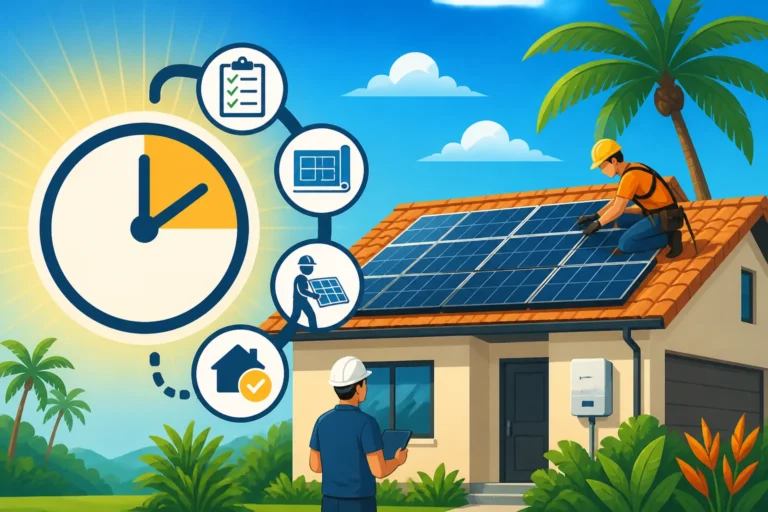
From the moment your interconnection application is submitted to the day you receive PTO, the process can take anywhere from 2 weeks to 3 months, or even longer in some extreme cases. Here's a rough breakdown:
| Stage | Typical Duration | Potential Hold-ups |
|---|---|---|
| Application Submission | 1-2 weeks (by installer) | Missing documents, incorrect information, installer backlog. |
| Utility Review/Technical Study | 2-8 weeks | High volume of applications, complex system design, need for grid upgrades, utility engineer backlog. |
| System Installation | 1-3 days (after permits/approval) | Installer scheduling, weather delays, material availability. |
| AHJ Inspection | 1-3 weeks (to schedule & pass) | Inspector availability, failed inspection requiring re-work, installer scheduling. |
| Utility Inspection/Meter Swap | 1-4 weeks (to schedule & pass) | Utility staff availability, failed inspection (rare if AHJ passed), incorrect meter ordered. |
| Permission to Operate (PTO) | 1-2 weeks (after all approvals) | Administrative processing at utility, final paperwork approval. |
| Total Interconnection Time | 6-12 weeks (2-3 months) average | Could be shorter for very simple systems in efficient areas, longer for complex systems or backlogged utilities. |
Remember, these are averages. In some areas with highly streamlined processes, like certain parts of Arizona or Florida, it might be faster. In others, particularly areas with older grid infrastructure or heavily backlogged utilities, it could stretch towards the longer end of the spectrum.
Mitigating Interconnection Delays
While some delays are unavoidable, there are steps you and your installer can take to help keep things moving:
- Choose an Experienced Installer: This is paramount. An installer with a proven track record in your specific region and with your utility will be familiar with the exact requirements and common pitfalls. They can prepare applications accurately and proactively address potential issues.
- Ensure Complete & Accurate Paperwork: Your installer should double-check all documentation before submission. Even a minor error can send an application back for revisions, adding weeks to the timeline.
- Stay Informed and Communicate: While your installer handles the heavy lifting, staying in the loop is wise. Ask your installer for regular updates on the application status. They should be transparent about where things stand.
- Proactive System Design: A good installer will design your system to anticipate utility requirements, minimizing the chances of technical rejections. This might mean using specific inverters or protective devices known to be approved by your utility.
- Understand Local Infrastructure: In some cases, your local grid infrastructure might require upgrades (like a new transformer) before your system can interconnect. While this is rare for typical residential systems, it's something your installer should investigate during the site survey.
By being prepared and working with a competent solar provider, you can navigate the solar interconnection process with greater ease and get to the exciting point of generating your own clean power sooner. The wait might feel long, but the long-term benefits of energy independence are well worth it!
Disclaimer
The information provided in this guide is for general informational purposes only and does not constitute professional advice. Solar policies, incentives, and interconnection processes are subject to change and vary significantly by location and utility. Always consult with a qualified solar professional and your local utility company for the most accurate and up-to-date information regarding your specific situation.