How Do I Sell My SRECs?
Most homeowners dive into solar thinking the only financial win is a lower monthly utility bill, but they quickly get buried under a mountain of jargon like "MWh" and "RPS carve-outs." It is incredibly frustrating to know your roof is generating extra value that you simply cannot access because the paperwork feels like a full-time job. This guide simplifies that complexity, walking you through the exact steps to register, track, and sell your solar renewable energy credits for actual cash.
Navigating the Complex World of SREC Markets
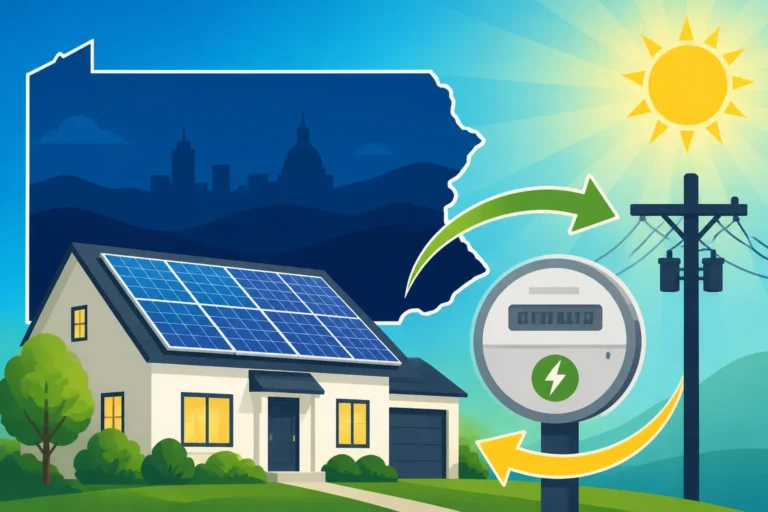
The first thing you have to wrap your head around is that an SREC is a completely different animal than the electricity spinning your meter backward. While your utility might give you credit for the power you send back to the grid, SRECs represent the "greenness" or the environmental attribute of that power. One SREC is created for every 1,000 kilowatt-hours (or 1 megawatt-hour) of electricity your system produces. Even if you use every single drop of that solar power inside your own home, you still earn that credit.
The reason these credits have value isn't because the utility is being generous; it is because state laws, known as Renewable Portfolio Standards, force them to prove a certain percentage of their power comes from solar. If they don't meet those quotas, they have to pay a massive fine called a Solar Alternative Compliance Payment. To avoid that fine, they buy credits from people like you. This market dynamic is why SRECs Explained: Selling Solar Renewable Energy Credits is such a critical topic for maximizing your return on investment.
However, you cannot just call up your local power company and ask for a check. These credits are traded on a specialized market, and unless you are a professional energy trader, you are going to need an aggregator. Think of an aggregator as a broker who bundles your credits with thousands of other homeowners to sell them in bulk to the big utility players. This is where the process often feels opaque, as different brokers offer different fee structures and contract lengths that can significantly impact your long-term earnings.
The Step-by-Step Process to Selling Your Credits
Selling your SRECs is a multi-stage marathon, not a sprint. It starts long before your first credit is even minted. You first need to ensure your system is properly registered with your state’s regulatory body. This often requires your solar installer to provide specific documentation, such as your interconnection agreement and the final certification of your system's capacity. If you are just starting out, understanding What Is Permission to Operate (PTO) is vital because your SREC eligibility usually hinges on that official date.
Once your state certification is in hand, you have to register with a generation tracking system. In the Mid-Atlantic and parts of the Midwest, this is usually the PJM Generation Attribute Tracking System (GATS). In New England, it is the NEPOOL Generation Information System (GIS). This is the "bank" where your credits are officially deposited. You will need to set up an account, which involves a fair amount of data entry regarding your system's components, including your inverter type and panel wattage.
After the technical registration is complete, you have to choose how to report your production. Many modern systems come with automated monitoring that can talk directly to these tracking systems. If yours doesn't, you might have to manually enter your meter readings every month or quarter. If you miss a deadline, those credits can sometimes expire or lose value. This is why many people look for an aggregator who can handle the How to Sell SRECs (SRECTrade, Sol Systems) aspect of the business, automating the reporting and the eventual sale so you don't have to babysit a spreadsheet.
Choosing the Right Selling Strategy
When it comes to actually cashing out, you generally have three paths to choose from: the Spot Market, Fixed Price Contracts, or Upfront Payments. Each carries its own set of risks and rewards, and the "best" choice usually depends on your personal tolerance for market volatility.
The Spot Market is exactly what it sounds like. You sell your credits at the current market price whenever they are produced. This can be lucrative if prices are high, but it can also be stressful if the market crashes. For instance, looking at a New Jersey SREC Market Guide shows how prices can fluctuate wildly based on new legislation or a surge in new solar installations. If you like the idea of potentially higher gains and don't mind the gamble, the spot market is for you.
Fixed Price Contracts offer more stability. You agree to sell your credits to a broker at a set price for a number of years. You might miss out if the market price skyrockets, but you are protected if it bottoms out. This is a favorite for people who used a loan to fund their system and want a predictable income stream to help cover the monthly payments. Finally, Upfront Payments involve selling all your future credits at once for a lump sum today. While this provides immediate cash, you are usually selling those credits at a deep discount compared to what they might be worth over ten or fifteen years.
| Selling Option | Risk Level | Potential Reward | Best For |
|---|---|---|---|
| Spot Market | High | High | Homeowners who want current market value and can handle volatility. |
| Fixed Contract | Low | Moderate | People looking for predictable income to offset a solar loan. |
| Upfront Buyout | Lowest | Low | Those who want a quick "rebate" feel and no ongoing management. |
| Managed Floor | Moderate | Moderate | Owners who want a guaranteed minimum price but some upside. |
Maximizing Profit and Avoiding Common Pitfalls
One of the biggest mistakes homeowners make is ignoring the expiration date of their credits. In most states, an SREC has a shelf life of about three to five years. If you don't sell it within that window, it becomes worthless. This is particularly relevant if you live in a state with a smaller market. Keeping an eye on Solar Renewable Energy Credit Prices by State is essential because some markets are "closed," meaning they only allow in-state systems to participate, while others are "open," creating more competition and potentially lower prices.
Another pitfall is failing to account for broker fees. Aggregators don't work for free; they typically take a percentage of each sale, often ranging from 5% to 15%. While this might seem steep, a good broker provides the platform, the legal compliance, and the bulk-selling power you simply can't get on your own. When comparing brokers, don't just look at the fee—look at their transparency. Do they provide a clear dashboard? Do they pay out via direct deposit? These small logistical details make a huge difference in your experience over the next decade.
It is also worth noting that the SREC market is deeply tied to state politics. If a state legislature decides to increase its renewable goals, SREC prices usually jump. If they decide to weaken the rules or allow more out-of-state credits, prices can tank. This is why many homeowners in states like Maryland or Ohio keep a close watch on local energy news. For example, a Maryland SREC Market Guide would highlight how recent legislative shifts have impacted local credit values. Being an informed seller means knowing not just how to sell, but when the market might be shifting under your feet.
Integrating SRECs into Your Overall Solar Financial Strategy
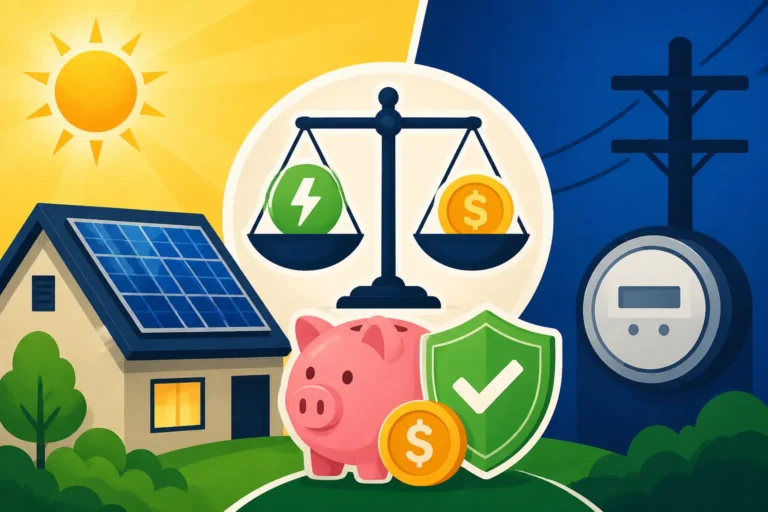
SRECs should be viewed as one piece of a larger financial puzzle. When you combine them with other incentives, the math of going solar looks much better. Many people forget that they can still claim credits even if they have already utilized the federal tax credit. If you are wondering about the current status of federal help, checking Solar Tax Credit 2026: What Happened to the Federal Credit can provide clarity on how those two incentives play together.
Furthermore, your SREC income is typically considered taxable income by the IRS. While I am a blogger and not a tax professional, it is a reality you should prepare for. You will likely receive a 1099-MISC from your broker at the end of the year if your earnings exceed a certain threshold. However, many homeowners find that even after taxes and broker fees, the SREC income significantly shortens their system's payback period. In some high-value markets, SRECs can pay for 20% to 30% of the system cost over time.
Finally, remember that SRECs are not available in every state. If you live in a state like Texas or Florida, you might not have an SREC market at all. In those cases, you have to rely on other mechanisms. Homeowners often ask, Does Texas Have Net Metering? or look for Solar Buyback Programs in Texas because those are the primary ways to recoup costs in the absence of a formal credit market. Always verify that your specific utility and state even support SRECs before you spend hours trying to register a system that isn't eligible.
Summary of Actionable Steps
To get started, follow this simple checklist to ensure you aren't leaving money on the table:
- Confirm your state has an active SREC market (like NJ, MA, PA, MD, OH, or DC).
- Gather your system's final inspection and interconnection paperwork.
- Research and select an aggregator (SRECTrade, Sol Systems, and GATS are common starting points).
- Register your system with the appropriate state agency and tracking system.
- Choose your selling strategy (Spot, Fixed, or Upfront).
- Set up automated production reporting through your inverter’s monitoring software.
- Monitor your account quarterly to ensure payments are processing correctly.
The process is tedious at first, but once the "plumbing" is set up, it usually runs on autopilot. You’ve already done the hard work of installing the panels and helping the planet; now it’s time to make sure you’re getting every penny of the financial reward you’ve earned. Whether you’re looking at a Pennsylvania SREC Market Guide or trying to understand the Illinois Shines & Solar for All program, the goal is the same: turning your sunshine into a steady stream of passive income.
Disclaimer
This guide is for informational purposes only and does not constitute financial, legal, or tax advice. SREC markets are highly volatile and subject to change based on state legislation and utility regulations. Always consult with a qualified professional before making long-term financial commitments or signing solar contracts.