Does Florida Have Solar Incentives?
Florida homeowners are currently grappling with some of the highest electricity rate hikes in the country, all while the relentless sun beats down on their roofs. It feels like a massive contradiction to live in the Sunshine State and still pay a fortune to keep the air conditioning running, yet finding clear answers on local financial help is surprisingly difficult. This guide breaks down the specific tax exemptions, net metering policies, and utility programs available to help you offset the cost of going solar in Florida today.
Florida Solar Sales Tax and Property Tax Exemptions
When you start looking at the price tag of a renewable energy system, it is easy to get sticker shock. Most people assume that because Florida doesn't have a state income tax, there aren't many ways for the state to help out. However, Florida actually offers some of the most consistent and "stealthy" savings in the country through its tax code. Unlike a one-time rebate that might run out of funding, these are structural exemptions written into state law that protect your wallet from the moment you sign a contract.
The Solar and Combined Heat and Power Productivity Tax Exemption
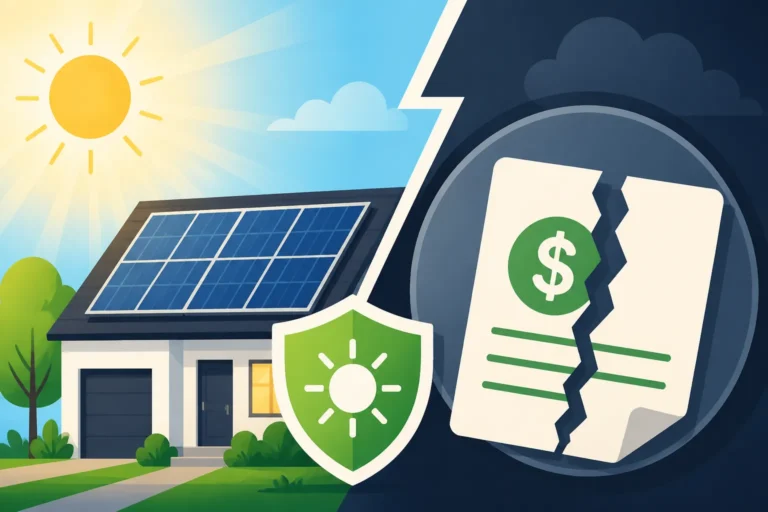
One of the biggest immediate wins for a Florida homeowner is the 100% sales tax exemption on solar energy equipment. In most Florida counties, the sales tax sits around 6% to 7.5%. When you consider that a standard residential system can cost tens of thousands of dollars, that tax would typically add a couple of thousand dollars to your total bill. Because of this exemption, that money stays in your pocket. This applies to the panels, the inverters, the racking, and even the hardware required to get the system up and running.
This isn't just a minor perk; it effectively acts as an instant discount that you don't have to file paperwork for or wait until tax season to claim. Your installer simply shouldn't charge you sales tax on the qualifying components. If you are comparing quotes and trying to understand the baseline market, checking out a How Much Do Solar Panels Cost? 2026 Guide can help you see how these savings look compared to the national average. It is a relief to know that in a state where everything from groceries to gas seems to be getting more expensive, the government isn't taking a cut of your transition to clean energy.
Property Tax Abatement for Renewable Energy Property
The second major pillar of Florida's tax-based incentives is the property tax exemption. Many homeowners worry that by making a significant upgrade like adding solar panels, they are essentially inviting the county appraiser to hike up their property taxes. In many states, this is a valid fear. However, Florida law explicitly prohibits local governments from including the value of a solar PV system in your home's assessed value for property tax purposes.
This means you get the best of both worlds: your home value increases in the eyes of a potential buyer, but your tax bill stays exactly where it was before the installation. This is particularly important because solar is a long-term investment. Over twenty or thirty years, the amount of money you save by not paying extra property taxes can equal thousands of dollars. You can learn more about how this works on a broader scale by looking at Solar Property Tax Exemptions by State to see how Florida stacks up against its neighbors. It is one of the few areas where Florida’s policy is genuinely ahead of the curve, providing a level of financial security that makes the long-term ROI much more attractive.
Net Metering in Florida the Current State of Affairs
If you talk to any solar owner in Florida, the topic of net metering is bound to come up. It is the lifeblood of residential solar because it determines how much the utility company has to pay you for the excess electricity your panels produce during the day. Florida has had a bit of a rollercoaster ride with this policy over the last few years, with legislative battles making headlines and leaving many residents wondering if the benefit was going to disappear overnight.
How Florida Net Metering Policy Works
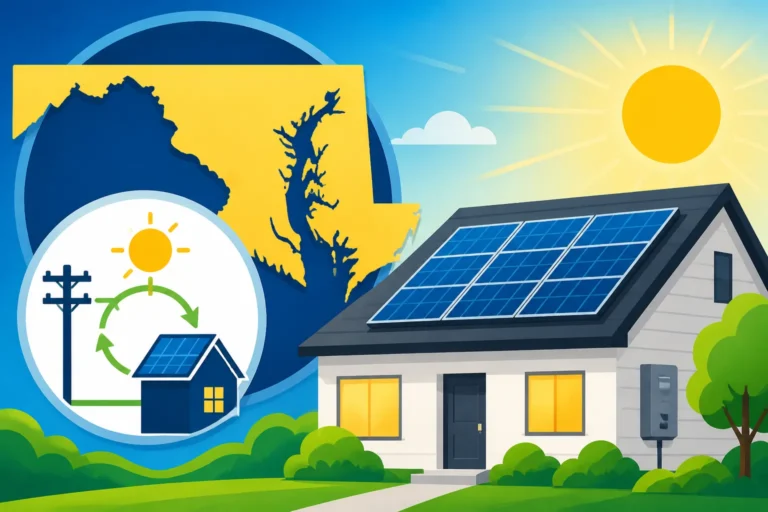
Currently, Florida still maintains a relatively strong net metering program. When your panels are soaking up the midday sun and producing more power than your home is using, that extra energy flows back onto the grid. Your utility meter literally spins backward (or clicks down digitally), and you receive a credit on your bill at a one-to-one retail rate. This means a kilowatt-hour you send to the grid at noon is worth the same as a kilowatt-hour you pull from the grid at 8:00 PM when you're running the dishwasher.
This one-to-one exchange is vital because it allows the grid to act like a giant, free battery for your home. Without it, you would have to buy expensive physical batteries to store that energy or lose the value of your overproduction. For a more technical breakdown of how this functions across different regions, you can read Net Metering Explained: How It Works by State. In Florida, major investor-owned utilities like Florida Power & Light (FPL), Duke Energy, and Tampa Electric (TECO) are required to offer this to their customers, though the specific "true-up" periods—when they settle your credits—can vary slightly. You should definitely check the Florida Net Metering Rules in 2026 to see the latest updates on how these credits are handled at the end of the year.
The Legislative Landscape and Future Protections
It is worth noting that there was a major attempt in 2022 to gut Florida's net metering laws, which would have allowed utilities to pay homeowners much less for their exported energy. Fortunately for homeowners, that bill was vetoed, preserving the current retail-rate structure for now. This victory for solar advocates means that for the time being, the Solar Payback Period in Florida remains much shorter than it would be under a "net billing" system like what we see in California.
However, the reality is that utility companies continue to lobby for changes. This creates a sense of urgency for many Florida residents. Generally, when these rules change, existing solar customers are "grandfathered" into the old, better rates for a set period. This makes a strong case for not waiting too long to pull the trigger. If you are still on the fence about whether the investment makes sense given the political climate, asking Is Solar Worth It in Florida? is a great way to weigh the risks and rewards of the current legislative environment.
Local Utility Rebates and Battery Programs
While the state doesn't offer a direct "solar rebate" check, several of Florida's largest utility companies have introduced their own programs. These are often designed to help the utility manage the grid more effectively during peak demand times, such as those sweltering August afternoons when every air conditioner in the state is pinned to the maximum setting.
JEA and Municipal Utility Incentives
If you live in the Jacksonville area and are served by JEA, you are in a slightly different boat than those served by the big investor-owned utilities. JEA transitioned to a "Distributed Energy Policy" a few years ago, which changed how they credit solar exports. To compensate for this, they have offered various battery incentive programs in the past. These programs encourage homeowners to install home batteries alongside their solar arrays.
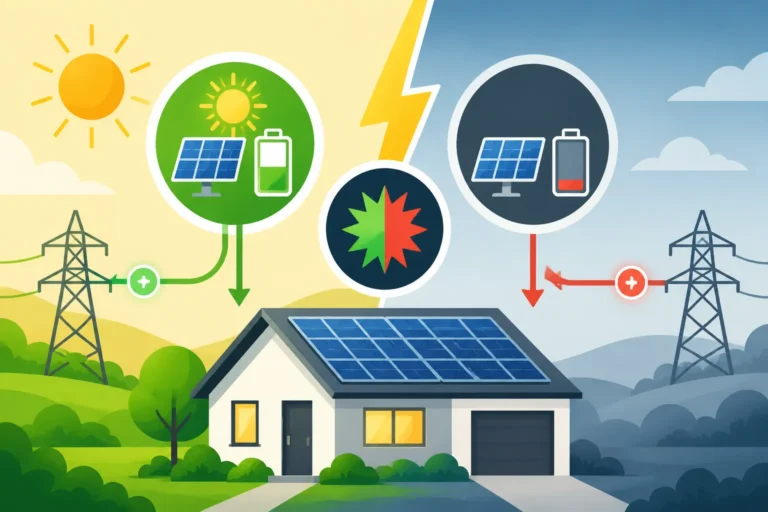
By using a battery, you can store your own solar energy and use it during peak times, reducing your reliance on the grid when electricity is most expensive or when the utility is struggling to keep up with demand. If you're wondering if your specific provider has a similar deal, you should look into Does My Utility Offer a Solar Rebate? to find a localized list. These municipal programs can be a bit of a maze, but they often provide the "missing piece" of the financial puzzle that makes solar-plus-storage a viable option.
Duke Energy and FPL Demand Response Programs
Other utilities like Duke Energy and FPL have experimented with "demand response" or "virtual power plant" programs. In these scenarios, if you have a solar battery, you might allow the utility to occasionally draw a small amount of power from your battery during a grid emergency in exchange for a monthly credit or an upfront payment. This is a relatively new frontier in Florida, but it is gaining traction as more people ask Are Solar Batteries Still Eligible for Incentives in 2026? to see if they can stack these local perks with other savings.
These programs are great because they turn your solar investment into a proactive part of the community's energy infrastructure. Instead of just saving yourself money, you are helping to prevent blackouts for your neighbors. It is a win-win, but it does require some research into the fine print of your utility’s latest tariff filings.
Comparing Florida Solar Incentives to Other States
To truly understand if Florida is doing a good job, it helps to see how we compare to the rest of the country. Florida is often called the "Sunshine State," but in terms of government policy, we are frequently outshined by states like New York or Massachusetts, which offer massive state-level tax credits.
| Incentive Type | Florida Status | Comparison to National Average |
|---|---|---|
| State Income Tax Credit | None | Below Average (Many states offer 10-25%) |
| Sales Tax Exemption | 100% Exempt | Above Average (Highly effective in FL) |
| Property Tax Abatement | 100% Exempt | Above Average (Protects home value) |
| Net Metering | 1:1 Retail Credit | Average (Currently stable, but under threat) |
| Low-Income Assistance | Limited | Below Average (Fewer state-funded grants) |
As the table shows, Florida relies heavily on "passive" incentives—meaning things you don't have to pay (taxes)—rather than "active" incentives like cash rebates or state tax credits. For a deeper dive into which regions are currently leading the pack, check out the Best States for Solar Incentives in 2026 list. You will find that while Florida isn't at the very top, it is much better than states that offer no tax protections at all.
Federal Incentives and the Landscape
No discussion of Florida solar incentives is complete without mentioning the federal side of things. Since Florida lacks a state-level income tax credit, the federal government's support becomes the primary "big" discount for most homeowners. This is what often makes the difference between a system that pays for itself in 7 years versus 12 years.
The Federal Realities for Florida Homeowners
The federal government provides a significant tax credit for residential solar, which applies to the total cost of your system, including labor and battery storage. For many Florida residents, this is the single most important financial tool available. However, since we are looking at the landscape in 2026, it is important to stay updated on the current percentage and eligibility rules. You can find the most recent details in the Federal Solar Incentives That Still Exist in 2026 guide.
Because this is a tax credit and not a refund, you must have federal income tax liability to use it. For retirees in Florida who might have lower taxable income, this is a common point of frustration. If you can't use the whole credit in one year, you can typically roll it over, but it requires some careful tax planning. If you find yourself in a situation where the federal credit is out of reach, you might want to explore Low-Income Solar Programs & Assistance to see if there are non-profit or grant-based alternatives that can help bridge the gap.
Why Solar Costs Differ in Florida
Even with these incentives, you might notice that quotes in Miami look different than quotes in Pensacola. Local labor rates, permitting fees, and even the type of roof you have (like Spanish tile vs. asphalt shingle) play a massive role in your final price. When you look at the Solar Panel Cost in Florida, you have to account for the fact that Florida has some of the strictest wind-code requirements in the country due to hurricanes. Your racking and mounting systems have to be "hurricane-rated," which adds a bit to the equipment cost but provides essential peace of mind.
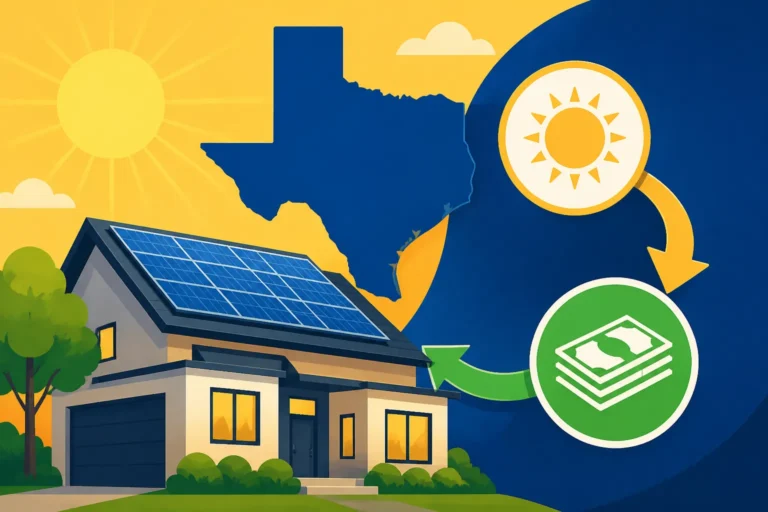
Ultimately, while Florida doesn't hand out big checks to solar adopters, the combination of zero sales tax, protected property taxes, and retail-rate net metering creates a solid foundation for savings. The "incentive" in Florida is really the sun itself and the avoidance of ever-increasing utility rates. By locking in your power price now, you are protecting yourself against the inevitable inflation of the traditional energy market.
Disclaimer
The information provided in this guide is for educational purposes only and does not constitute financial, legal, or tax advice. Solar incentives, tax laws, and utility policies are subject to change by local, state, and federal authorities. Always consult with a professional tax advisor and a licensed solar contractor in your area to confirm eligibility and current program status before making an investment.