Which Solar Panel Brand Is the Most Reliable?
Deciding to go solar is a big step, but then you're faced with what feels like an endless sea of solar panel brands, each promising the best performance and savings. It's truly overwhelming to figure out which solar panel brand is the most reliable, especially when you're making an investment meant to last for decades. This guide is here to cut through the noise, helping you understand what true reliability looks like in the solar industry and highlighting the brands that consistently deliver.
What Truly Defines a "Reliable" Solar Panel Brand?
When you're shelling out a significant amount of money for a home solar system, you're not just buying panels; you're investing in decades of consistent, worry-free electricity generation. The concept of "reliability" in solar isn't just about whether the panel turns on, it encompasses a wide array of factors that ensure your system performs as expected, lasts its projected lifespan, and provides a strong return on your initial investment. It's about peace of mind, knowing that the company behind your panels will stand by its product.
Understanding Warranties: The Backbone of Reliability
Let's be honest, the first place many of us look when evaluating a big purchase like solar panels is the warranty. And for good reason! A strong warranty from a financially stable company is the ultimate promise of reliability. You'll typically encounter two main types: the product warranty and the performance warranty. The product warranty covers manufacturing defects and issues with the physical panel itself, usually for 12-25 years. This is crucial because it protects you if a panel breaks down prematurely.
Then there's the performance warranty, which guarantees that your panels will still produce a certain percentage of their initial power output after a specific number of years, often 25 or even 30 years. Most high-quality panels guarantee around 80-85% of their original output by year 25. A brand that offers a longer, more comprehensive product warranty and a higher performance guarantee demonstrates confidence in its manufacturing process and the longevity of its technology. For a deeper dive into what these cover, check out our guide on Solar Panel Warranties Explained.
Manufacturing Quality and Financial Stability
Beyond the paper promise of a warranty, the actual manufacturing quality speaks volumes. Reliable brands invest heavily in research and development, use high-grade materials, and employ rigorous quality control throughout their production lines. This means less chance of defects, better performance in various weather conditions, and slower degradation over time. You don't want a panel that's going to crack or delaminate after a few years because corners were cut in production.
Equally important, perhaps even more so, is the financial stability of the company behind the brand. What good is a 25-year warranty if the company goes out of business in five? This is a very real concern in a dynamic industry like solar. Established manufacturers with a long track record, significant market share, and strong financial backing are more likely to honor their warranties decades down the line. It's wise to look into a company's history and current standing; you wouldn't want to be left with unbacked panels from a flash-in-the-pan startup.
Real-World Performance and Degradation
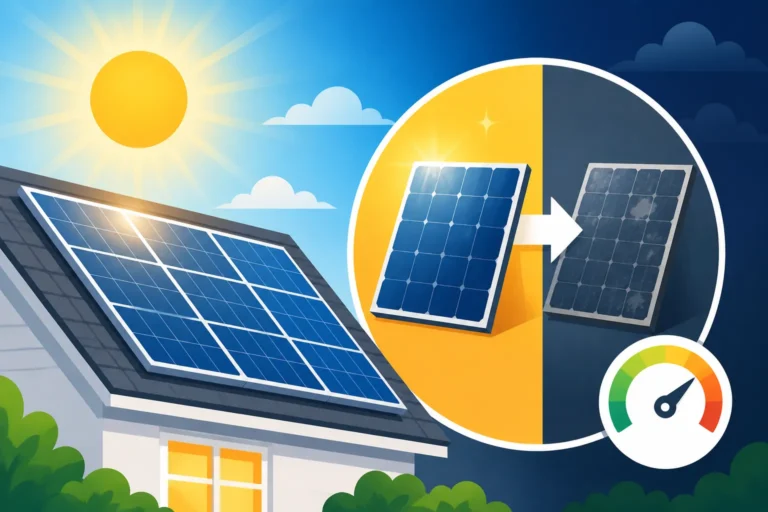
Finally, true reliability is proven through consistent, real-world performance over many years. This includes how well panels perform in varying temperatures, low light conditions, and their actual degradation rate. Every solar panel loses a small amount of efficiency each year—this is called degradation. A reliable panel will have a low, predictable degradation rate, ensuring your system continues to produce ample power for a very long time. For more on this, our article on Solar Panel Efficiency & Degradation Explained can provide valuable insights.
Some brands consistently outperform their stated specifications in terms of actual energy production and maintain their efficiency closer to their original rating for longer. This real-world data, often collected through long-term studies and customer feedback, offers compelling evidence of a brand's reliability. It’s not just about the wattage rating on day one, but the kilowatt-hours produced reliably over decades.
Leading Solar Panel Brands Known for Their Durability
When it comes to putting panels on your roof that you can truly depend on, certain brands have consistently risen to the top, earning a reputation for exceptional quality, robust warranties, and proven longevity. These companies have invested heavily in technology and customer satisfaction, making them go-to choices for homeowners seeking reliable solar solutions.
Maxeon (formerly SunPower): The Longevity Champion
Maxeon, formerly known as SunPower, has long been regarded as a premium player in the solar market, especially when it comes to reliability and efficiency. Their panels are renowned for their unique cell design, which eliminates many of the fragile connections found in traditional solar cells, making them more resilient to cracking and corrosion. This robust construction contributes to their industry-leading low degradation rates.
Maxeon typically offers some of the best warranties in the business, often with a 25-year product and performance warranty that guarantees a higher power output at year 25 than many competitors. This confidence stems from years of real-world data proving their panels' exceptional durability. If you're looking for panels that are designed to last and perform optimally for the entire lifespan of your system, Maxeon is consistently at the top of the list. You can dive deeper into their offerings with our Maxeon (SunPower) Solar Panel Review.
REC Solar: European Engineering Meets Performance
REC Solar, a Norwegian company with a strong manufacturing presence, has built a solid reputation for quality and reliability, often sitting just below the premium tier but offering exceptional value. They are well-known for their twin-panel technology and half-cut cell design, which improves performance in shaded conditions and reduces power loss within the panel itself.
REC panels typically come with a 25-year product warranty and a 25-year linear performance warranty that often guarantees a higher output than many standard panels. They're often praised by installers for their ease of installation and consistent performance. Their commitment to sustainability and ethical manufacturing also adds to their appeal for many homeowners. When comparing options, you might find our article on REC vs Qcells Solar Panels particularly helpful.
Qcells: A Global Powerhouse with Strong Guarantees
Qcells, a South Korean company, has become one of the largest and most recognized solar panel manufacturers globally, known for offering a fantastic balance of performance, reliability, and value. They were early adopters of PERC (Passivated Emitter Rear Cell) technology, which significantly boosts efficiency and performance, particularly in hot climates.
Their panels are rigorously tested for durability against harsh weather conditions, including extreme temperatures and heavy snow loads. Qcells usually provides a competitive 25-year product warranty and a 25-year performance warranty, often guaranteeing upwards of 85% output at year 25. Their robust financial backing and global presence mean they are a safe bet for long-term support. For more details on what makes them a strong contender, check out our Qcells Solar Panel Review.
Other Reputable Contenders
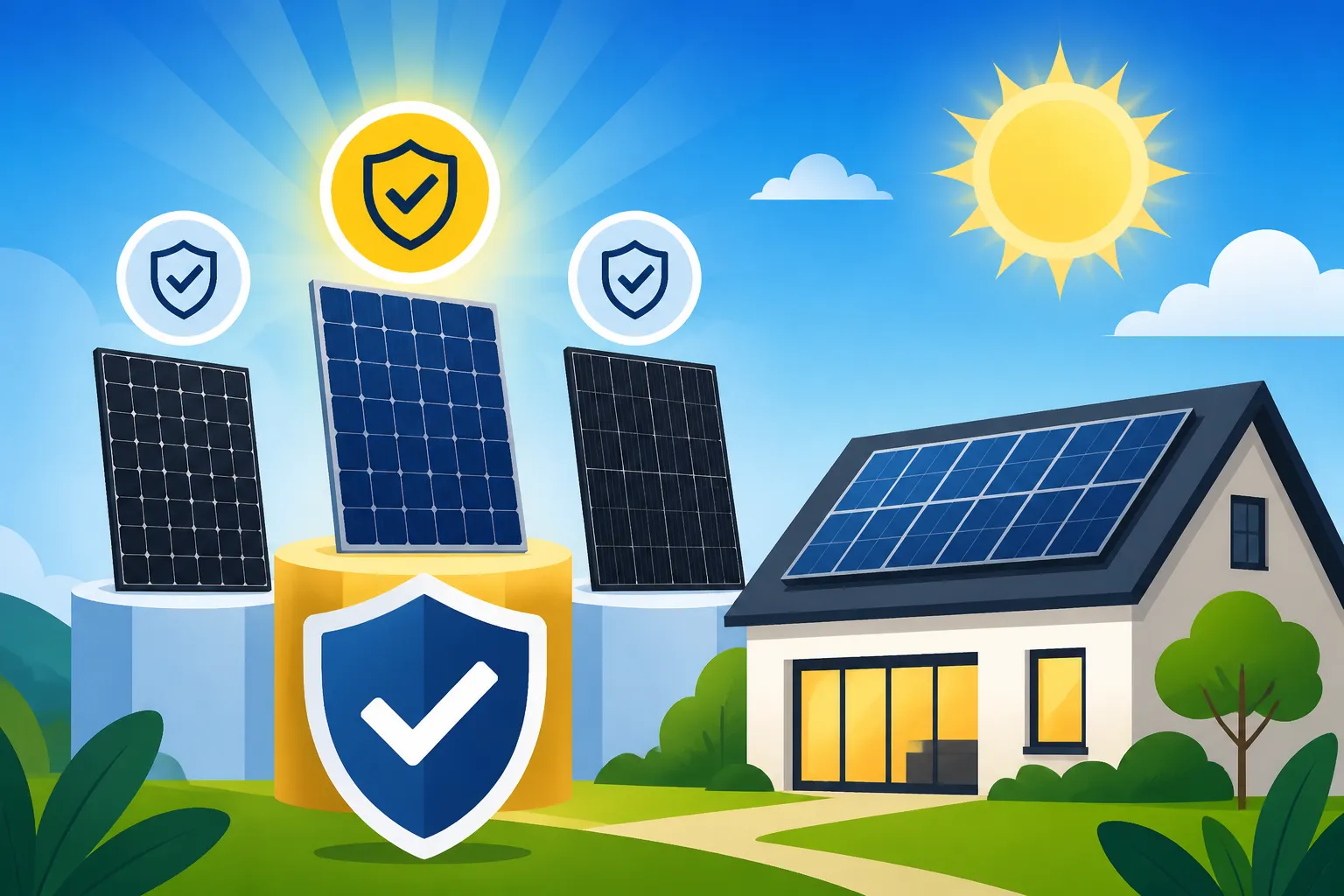
While Maxeon, REC, and Qcells often lead the pack in terms of reliability and overall reputation, several other brands consistently deliver high-quality, durable panels that are worth considering. Brands like Silfab, known for its North American manufacturing and solid product warranties, or Jinko Solar and Canadian Solar, which are massive global players with extensive research and development, also offer reliable options. These manufacturers have proven track records and strong financial standings, offering diverse choices that meet various budgetary and performance needs. You won't find major system components from these brands available on general consumer sites like Amazon, but rather through specialized solar distributors and installers.
Factors Beyond the Brand That Impact Your System's Lifespan
It's easy to get caught up in comparing solar panel brands, but the truth is, even the most reliable solar panels can underperform or fail prematurely if other critical aspects of your solar journey aren't up to par. The long-term reliability and success of your solar investment are a symphony of many moving parts, where the quality of the panels is just one, albeit crucial, instrument. Understanding these additional factors is key to maximizing your system's lifespan and savings.
The Critical Role of Installation Expertise
Think of it this way: you could buy the most expensive, top-of-the-line engine, but if the mechanic botches the installation, it won't run right. The same goes for solar panels. A sloppy or inexperienced installation can lead to a host of problems down the road, from roof leaks to wiring issues, and even voided warranties. Proper racking, secure panel attachment, correct electrical wiring, and meticulous attention to detail during the physical installation process are paramount.
A reputable solar installer will have certified technicians, a strong local reputation, and will adhere to all local building codes and manufacturer specifications. They'll know the ins and outs of your specific roof type and structural requirements. It's not just about getting the panels on the roof; it's about integrating them seamlessly and safely into your home's electrical system for decades. Our guide on How to Choose a Solar Installer delves into finding the right professionals to handle this vital step.
Inverter Selection and System Design
The solar panels convert sunlight into direct current (DC) electricity, but your home runs on alternating current (AC). The inverter is the unsung hero that makes this conversion happen. Just like panels, inverters come in various types (string, microinverter, power optimizer) and qualities, and their reliability is critical to your entire system's performance. A failing inverter means your panels aren't producing usable electricity, regardless of how great they are.
Beyond the inverter, the overall system design plays a huge role. An expert designer will assess your energy needs, roof characteristics (shading, pitch, orientation), and local climate to create a system that maximizes energy production and optimizes efficiency. A poorly designed system might mean fewer panels than needed, panels placed in shaded areas, or an inefficient layout that compromises performance. You can learn more about the different types of inverters in our article, Solar Inverters: String vs Microinverter vs Optimizer.
Environmental Considerations and Ongoing Maintenance
Even the most robust solar panels face the elements day in and day out. While modern panels are built to withstand harsh weather, extreme environmental conditions can affect their long-term reliability. Areas prone to heavy snowfall, hail, strong winds, or extremely high temperatures might require specific panel types or installation methods to ensure durability.
While solar panels are generally low-maintenance, a little care goes a long way. Regular (though infrequent) cleaning can prevent significant performance losses from accumulated dust, pollen, or bird droppings. Periodic inspections can catch minor issues before they become major problems. Neglecting basic maintenance, like allowing significant debris buildup or ignoring signs of wear, can slowly degrade your system's output and shorten its effective lifespan. Our comprehensive guide to Solar Panel Maintenance & Cleaning can help you keep your system running optimally.
How to Vet a Solar Panel Brand for Your Home
Choosing a reliable solar panel brand can feel like a daunting task, especially with so many options flooding the market. But with a bit of savvy research and a clear understanding of what to look for, you can confidently select panels that will serve your home reliably for decades. Don't fall for flashy sales pitches; instead, focus on objective data and reputable sources.
Leveraging Industry Certifications and Reviews
One of the best ways to ensure a brand's reliability is to look for independent third-party certifications. Organizations like the IEC (International Electrotechnical Commission) set global standards for solar panel safety, durability, and performance. Panels that meet or exceed these standards have undergone rigorous testing, indicating a certain level of quality and reliability. In the US, look for UL certification, which ensures electrical safety.
Beyond certifications, aggregate customer reviews and professional industry assessments are invaluable. Websites like EnergySage or SolarReviews compile feedback from thousands of real homeowners, giving you insight into long-term satisfaction and actual performance. While an occasional negative review is normal, a consistent pattern of complaints about specific brands should be a red flag. Remember, though, individual component ratings on general consumer marketplaces like Amazon don't typically reflect the full picture of a home solar system's reliability, which depends heavily on installation quality and system design.
Consulting with Trusted Local Installers
Your local solar installer often has the most up-to-date, practical knowledge about which panels perform best in your specific climate and which brands offer reliable support when issues arise. They are on the front lines, dealing with various manufacturers and seeing how panels hold up over time. Don't hesitate to ask them pointed questions about the brands they recommend and, crucially, why they recommend them. Ask about warranty claim experiences and how responsive manufacturers are.
Reputable installers tend to partner with brands known for quality because it reflects positively on their own business. They have a vested interest in selling and installing reliable products that won't lead to callbacks and unhappy customers. Getting multiple quotes from different installers often provides a broader perspective on commonly trusted brands and regional preferences. This can also give you an idea of the Solar Panel Cost by State and which brands are prevalent in your area.
What to Watch Out For: Red Flags and Misinformation
In your research, you'll inevitably encounter misinformation or sales tactics that gloss over important details. Be wary of brands that offer unbelievably cheap prices without clear reasons, or those with overly aggressive sales teams pushing a single product without discussing alternatives. If a warranty seems too good to be true but the company is brand new and unproven, that's a significant risk.
Also, be cautious about general online discussions or product listings that don't differentiate between panel quality, installer quality, and system design. A cheap portable solar charger you might find on Amazon is a vastly different product from the high-performance panels needed for a whole-home system. Look for transparency from manufacturers about their testing procedures, materials, and long-term degradation rates. Our article on Solar Installer Red Flags to Watch For can help you identify companies that might not have your best interests at heart.
By combining an understanding of what makes a panel truly reliable, focusing on established and well-regarded brands, and diligently vetting your options with trusted local experts, you can make an informed decision that will power your home sustainably for decades. Remember, a solar system is a significant long-term investment, often discussed in the context of How Much Do Solar Panels Cost? 2026 Guide and whether Are Solar Panels Worth It in 2026?, so reliability should always be at the forefront of your decision-making process.
Here's a quick overview of key reliability indicators:
| Reliability Indicator | Description | Why it Matters |
|---|---|---|
| Product Warranty Length | Covers manufacturing defects, physical damage (e.g., micro-cracks). | Longer warranties (20-25+ years) indicate manufacturer confidence. |
| Performance Warranty % | Guarantees minimum power output after 25-30 years (e.g., 85% at year 25). | Higher percentage guarantees more consistent production over decades. |
| Degradation Rate | Annual loss of efficiency (typically 0.3% – 0.7%). | Lower rates mean your panels produce more power for longer. |
| Financial Stability | The manufacturer's long-term economic health. | Ensures the company will be around to honor warranties. |
| Certifications | Third-party testing (IEC, UL listed). | Verifies safety, durability, and performance standards. |
| Real-World Performance | Actual energy production and durability in diverse climates. | Proves consistency and resilience beyond lab conditions. |
| Installer Reputation | Quality and experience of the installation team. | Prevents installation-related failures, ensures system longevity. |
| Customer Support | Responsiveness and helpfulness with inquiries or issues. | Critical for resolving problems efficiently over the system's lifetime. |
Disclaimer
The information provided in this article is for general informational purposes only and does not constitute professional advice. While we strive to provide accurate and up-to-date content, solar technology, incentives, and market conditions are subject to change. Always consult with qualified solar professionals, financial advisors, and relevant authorities before making any purchasing or investment decisions.