Solar Installation Process in South Carolina
Thinking about going solar in South Carolina can feel like wading through a big, thick swamp of information, permits, and financial jargon. It’s enough to make anyone’s head spin! You're probably wondering not just if solar is right for your Palmetto State home, but also how it all actually works, from that initial spark of interest to flipping the switch on your own clean energy. This guide is here to untangle that process, walking you through every step of getting solar panels installed right here in South Carolina, so you can move forward with confidence.
Understanding South Carolina's Solar Landscape
South Carolina, with its abundant sunshine and growing desire for sustainable living, has become a hotbed for solar adoption. But what exactly makes the Palmetto State an attractive place to go solar, and who are the key players you'll interact with during your journey? Let's peel back the layers and understand the unique environment here.
The Initial Spark: Why South Carolina is Going Solar
For many homeowners in South Carolina, the decision to explore solar energy often begins with a familiar frustration: rising electricity bills. Whether you're in Charleston, Columbia, or a charming smaller town, the cost of powering your home can fluctuate and steadily creep upwards, making budgeting a challenge. Solar offers a compelling answer to this, providing a way to generate your own power, stabilize your energy costs, and often reduce them significantly over the long term. It’s about taking control, really. Beyond the immediate financial relief, there's a strong environmental motivation. People across South Carolina are increasingly aware of their carbon footprint and want to contribute to a cleaner, more sustainable future for their communities and for the beautiful lowcountry and upcountry landscapes. Plus, with South Carolina's generous sunshine hours, especially during those long, warm summers, your solar panels will be working hard, producing plenty of electricity to meet your household's demands.
Another significant driver is energy independence. When the grid gets shaky during a storm or extreme weather event, having a solar system, especially one paired with battery storage, can offer a profound sense of security. Imagine the peace of mind knowing your lights will stay on even if the neighborhood goes dark. This push for resilience, combined with a desire to hedge against unpredictable utility rate hikes, makes solar a truly appealing prospect for homeowners wanting a more predictable and sustainable future. The state's supportive policies, which we'll dive into more, also play a crucial role in making solar an accessible and smart investment for families and individuals.
Key Players in Your South Carolina Solar Journey
Embarking on a solar project isn't a solo mission; you'll interact with a few key entities along the way, each playing a vital role. Understanding who they are and what they do can help you navigate the process much more smoothly. First and foremost, you have your chosen solar installer. These are the folks who will design, permit, and physically put the panels on your roof. It's crucial to pick a reputable one, as they're your primary partner through this entire process. You might use a service like Modernize to connect with pre-vetted, local installers who understand South Carolina's specific regulations and climate.
Then there are the utility companies. In South Carolina, you'll primarily be dealing with major providers like Dominion Energy South Carolina (formerly SCE&G) or Duke Energy Carolinas (depending on your location), as well as smaller co-ops and municipal utilities. These companies are responsible for connecting your solar system to the grid (a process called "interconnection") and handling your net metering or net billing agreements, which dictate how you get compensated for excess electricity you send back. Their rules and processes are critical to understand. Lastly, various local government entities will be involved, from your city or county permitting office, which issues the necessary building and electrical permits, to state agencies that oversee compliance and administer certain incentives. Each of these players has a specific function, and your solar installer will typically help coordinate most of these interactions, acting as your guide through the bureaucratic maze.
The Step-by-Step Solar Installation Process in South Carolina
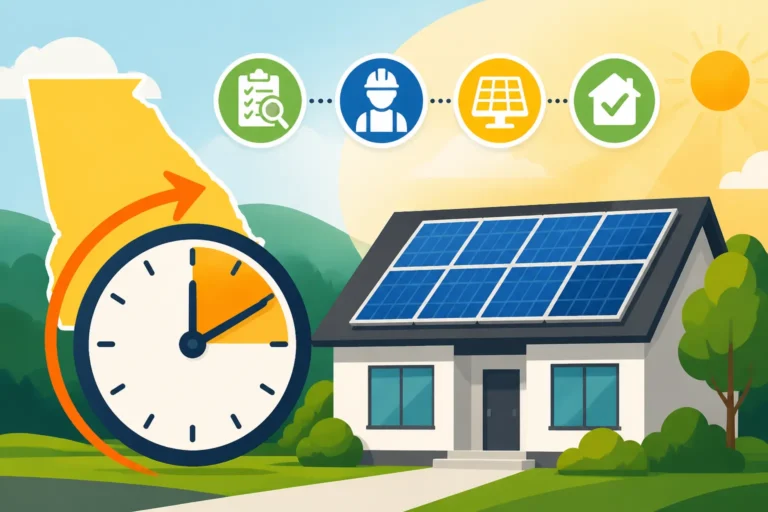
So, you've decided solar is for you. Now what? The actual installation process in South Carolina follows a series of well-defined steps, each critical to ensuring your system is safe, efficient, and compliant with all regulations. Let's walk through it together.
Getting Started: Consultation and System Design
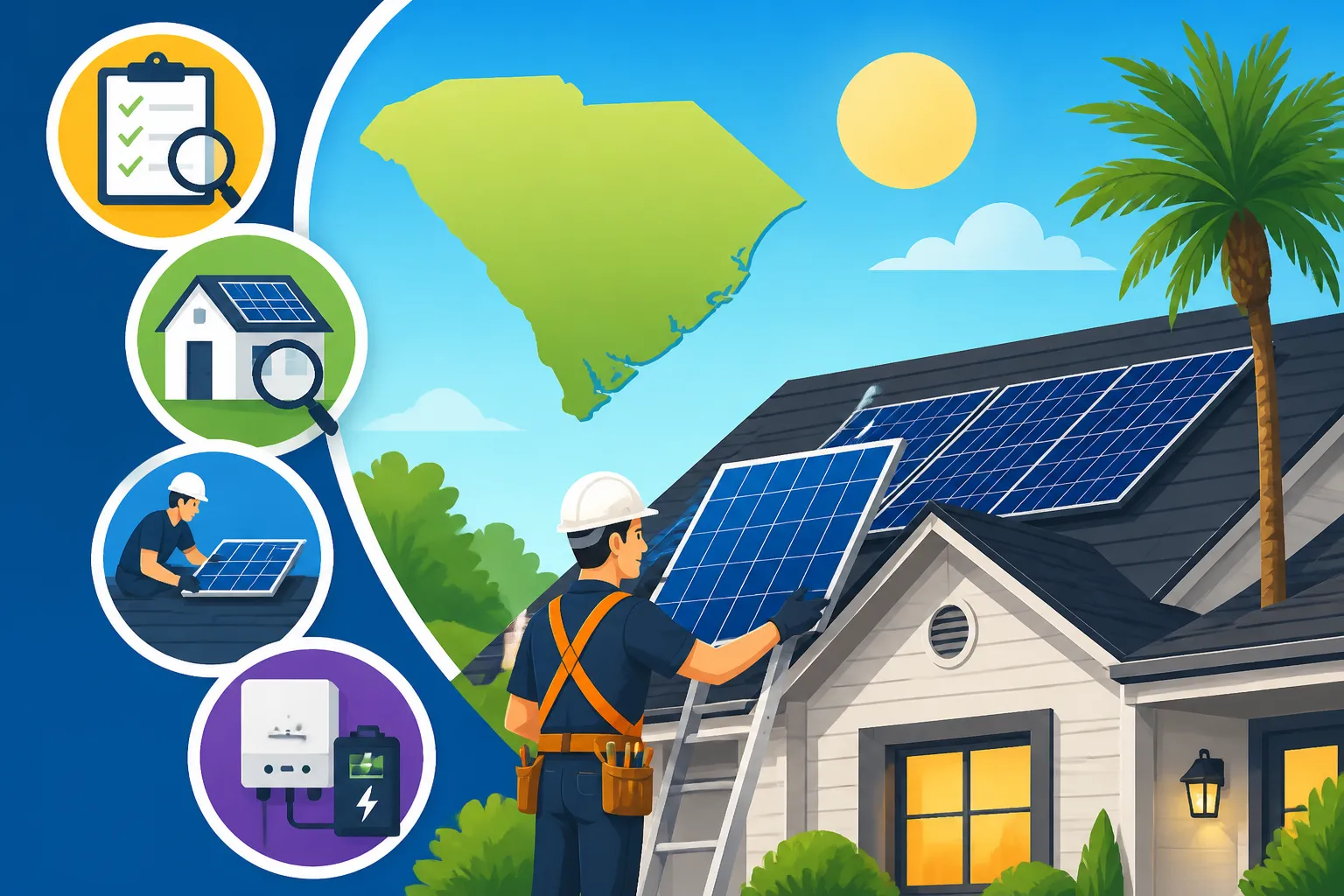
The very first step on your solar journey is usually an initial consultation. This is where you'll sit down, either virtually or in person, with a solar professional to discuss your energy needs and goals. They'll ask about your average monthly electricity bills, your future plans for energy consumption (like buying an EV or adding a hot tub), and assess your property's solar potential. This initial chat is more than just a sales pitch; it's about understanding if solar is truly a good fit for your home. Reputable installers will be transparent about whether your roof gets enough sun or if there are significant shading issues.
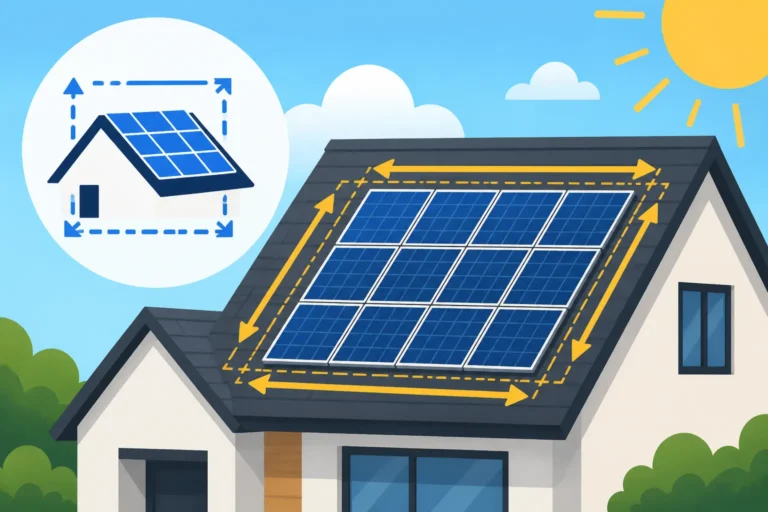
Following this, a detailed site assessment will likely be scheduled. This might involve an in-person visit to your home to inspect your roof's condition, structural integrity, and orientation, or it could be done remotely using satellite imagery and sophisticated software. They'll map out your roof space, identify any potential obstructions like chimneys or vents, and analyze your historical energy usage data (often pulled from your utility bills). This information is then fed into a sophisticated design program to create a custom solar system tailored precisely to your home's unique energy profile and physical characteristics. This design will specify the number, type, and placement of panels, the inverter technology (like microinverters or a string inverter), and how it will all integrate with your existing electrical system. It's truly a personalized blueprint for your energy future, and it's a phase where platforms like Modernize can be invaluable, helping you compare designs and proposals from multiple qualified installers in your area.
Permitting and Paperwork: Navigating Local Regulations
Once you've settled on a design and chosen an installer, the real behind-the-scenes work begins: securing permits. This can often feel like the slowest part of the entire process, and honestly, it sometimes is! In South Carolina, as in most states, you can't just slap panels on your roof. You'll need local building permits and electrical permits to ensure your system meets safety codes and structural requirements. Your solar installer will typically handle all of this paperwork for you, but it's good to understand what's happening. They'll prepare detailed plans, structural calculations, and electrical schematics, submitting them to your local municipal or county building department.
The specific requirements and timelines can vary quite a bit depending on where you live within South Carolina. For example, a homeowner in Greenville might face slightly different procedures or wait times compared to someone in Myrtle Beach or Aiken. Permitting offices in larger cities might have more streamlined processes, while smaller jurisdictions could take longer. It's not uncommon for this phase to take anywhere from a few weeks to a couple of months, sometimes even longer if there are revisions needed or if the local office is particularly busy. Patience is key here! This step also involves applying for interconnection with your utility company, a separate but equally vital piece of paperwork that allows your system to connect to the main power grid. You can learn more about the intricacies of this process by reading our guide on Solar Permitting & Interconnection PTO Explained.
The Installation Day: What to Expect on Your Roof
After the permits are approved and equipment is delivered, the exciting part begins: installation day! This is usually a much quicker process than the permitting phase, often taking just a few days for a typical residential system, depending on its size and complexity. The installation team will arrive, typically bright and early, and get to work. First, they’ll install the racking system onto your roof. This is the framework that your solar panels will sit on, carefully secured to your roof's rafters to ensure structural integrity and weather resistance. Don't worry, reputable installers are experts at this and take precautions to prevent leaks.
Once the racking is in place, the solar panels themselves are carefully lifted onto the roof and bolted into position. This is when your home really starts to look like a solar powerhouse! Following the panel installation, the electrical work begins. This involves wiring the panels to your inverters (which convert the DC electricity from the panels into AC electricity usable by your home), and then connecting the inverters to your home's main electrical panel. There might be some temporary power interruptions as the electricians safely integrate the new system, but your installer should keep you informed about any planned outages. The process is remarkably efficient, a testament to the specialized skills of the installation crews. They'll ensure every connection is secure, every wire is neatly run, and every component is correctly installed according to the design plans and local electrical codes.
Inspection and Interconnection: Getting Your System Online
You're almost there! Once the physical installation is complete, the next crucial steps are the final inspections and obtaining permission to operate. First, a local building inspector from your city or county will come out to review the installed system. They'll check that everything was installed according to the approved permits, adhering to building and electrical codes. This inspection ensures the safety and compliance of your new solar array, protecting both you and the grid. It's a critical step that ensures quality and adherence to strict standards.
After the local inspection passes, your utility company (like Dominion Energy or Duke Energy in South Carolina) will conduct its own inspection and install a new net meter (if required). This meter tracks both the electricity you draw from the grid and any excess electricity your solar panels send back to it. Once the utility gives its stamp of approval, often referred to as "Permission to Operate (PTO)," you are officially cleared to turn on your solar system! This is the moment you've been waiting for: flipping the switch and watching your meter start spinning backward, signifying you're generating your own clean power. The wait from installation completion to PTO can vary, from a few days to several weeks, depending on the utility company's schedule and local regulations, but your installer will guide you through this final stretch.
Financing and Incentives Specific to South Carolina Solar
One of the biggest questions homeowners have about solar is, "How do I pay for it, and what incentives are available?" Luckily, South Carolina offers a supportive environment that can significantly improve the financial viability of going solar.
State and Local Incentives: Boosting Your Savings
South Carolina has been proactive in encouraging solar adoption, and it shows in the state-specific incentives available to homeowners. The most impactful is the South Carolina State Solar Tax Credit. This credit allows you to claim 25% of the total cost of your solar system as a credit against your state income tax. What’s fantastic is that it's capped at $3,500 or 50% of your tax liability for the year, whichever is less, and any unused portion can be carried forward for up to five years. This can translate to substantial savings, directly reducing your tax burden in the years following your installation. It’s a powerful incentive that makes solar much more affordable. You can explore a broader overview of these types of benefits in our State Solar Incentives Complete 2026 Guide.
Beyond the tax credit, many counties and municipalities in South Carolina offer property tax exemptions for solar. This means that while solar panels undoubtedly increase your home's value, the added value from the system typically won't increase your property taxes. This is a huge benefit, as it allows you to enjoy the full financial upside of increased home value and energy savings without being penalized by higher annual tax bills. Additionally, South Carolina offers a sales tax exemption for solar energy equipment, meaning you won't pay state sales tax on the purchase of your solar panels and related components. This can shave hundreds, if not thousands, of dollars off the upfront cost of your system. It's always a good idea to check with your specific local government, but these exemptions are widespread and designed to make solar an even more attractive investment. For more specific details on how these exemptions might apply to you, check out our articles on Solar Property Tax Exemptions by State and Solar Sales Tax Exemptions by State.
Net Metering in the Palmetto State
Net metering is a crucial policy that makes residential solar economically viable. In South Carolina, the rules for net metering have evolved, particularly with the passage of Act 62 of 2019. While the era of full retail net metering for new customers has largely passed, new frameworks are in place that still allow homeowners to receive credit for the excess electricity their solar panels send back to the grid. Essentially, when your solar panels produce more electricity than your home consumes, that surplus power flows back into the utility grid. Under current rules, utilities in South Carolina typically compensate you for this exported energy at what's known as an "avoided-cost rate," which is generally lower than the retail rate you pay for electricity.
While this isn't as lucrative as older full retail net metering programs, it still significantly contributes to your overall savings by reducing the amount of electricity you need to purchase from your utility. It also reduces your carbon footprint, as that excess power helps meet the demand of your neighbors. Understanding your specific utility's net metering or net billing policy is paramount, as different providers like Dominion Energy South Carolina or Duke Energy Carolinas may have slightly different compensation structures. Your solar installer should be able to clearly explain how your particular utility handles these credits, helping you accurately project your savings. For a deeper dive into how this works across different regions, take a look at our article on Net Metering Explained How It Works by State and understand the broader distinctions with Net Metering vs Net Billing What's the Difference?.
Federal Incentives and Financing Options
Even with generous state incentives, the federal government still plays a massive role in making solar accessible. The primary federal incentive is the Investment Tax Credit (ITC), often referred to as the federal solar tax credit. This credit allows homeowners to deduct a significant percentage of the cost of their solar system from their federal income taxes. In 2026, the ITC is still set at a substantial 30% of the total system cost, including the panels, inverters, mounting hardware, and installation labor. This is a direct dollar-for-dollar reduction in your tax liability, not just a deduction from your taxable income, making it incredibly valuable. For instance, if your system costs $25,000, a 30% ITC means a $7,500 reduction in your federal taxes. It's a huge boost to the financial case for solar and is available to anyone who owns their system. To confirm eligibility and understand the details, it's worth exploring Federal Solar Incentives That Still Exist in 2026.
When it comes to financing your solar system, South Carolina homeowners typically have a few options. Paying with cash upfront offers the quickest payback period and maximizes your lifetime savings by avoiding interest charges. However, this isn't feasible for everyone, and that's perfectly fine! Solar loans are a very popular choice, allowing you to finance the system over a period of time, similar to a home improvement loan. These loans often have competitive interest rates and payment plans designed to make your monthly solar payment lower than your previous electricity bill, creating immediate savings. Some homeowners also consider power purchase agreements (PPAs) or solar leases, where a third party owns and maintains the system on your roof, and you simply pay for the electricity it produces at a fixed rate, often lower than utility rates. While these options don't qualify for the federal tax credit (because you don't own the system), they offer a $0-down path to solar. You can explore the pros and cons of these options in Cash vs Financing Solar Which Saves More? and find comprehensive information on Solar Loans Complete Guide.
Common Questions and Considerations for South Carolina Homeowners
Making the switch to solar is a big decision, and it's natural to have a lot of questions. Let's tackle some of the most common concerns and considerations for South Carolina homeowners.
Choosing the Right Solar Partner
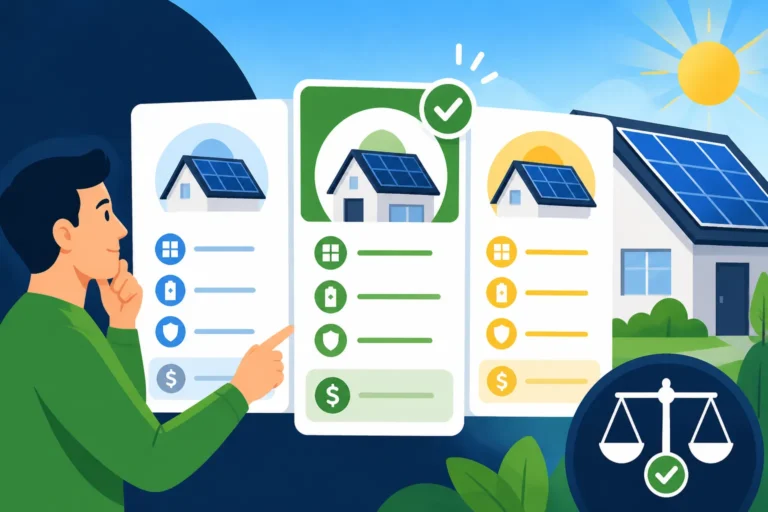
Perhaps one of the most critical decisions you'll make in your solar journey is choosing the right installer. This is not just about getting the lowest price; it's about finding a reliable, experienced company that stands behind its work and will be there for you for decades to come. You want an installer with a strong track record in South Carolina, deep knowledge of local permitting offices, and excellent customer service. Start by looking for companies that are licensed, insured, and certified by organizations like the North American Board of Certified Energy Practitioners (NABCEP). Don't just settle for the first quote you get! It's highly recommended to get at least three to five quotes from different solar companies. This allows you to compare system designs, equipment, warranties, pricing, and customer service approaches.
Pay close attention to what each quote includes. Are they using high-quality panels and inverters? What are the terms of their workmanship warranty? How do they handle maintenance and monitoring? Platforms like Modernize can be incredibly helpful here, as they specialize in connecting homeowners with pre-vetted, qualified solar installers in their local area, making the comparison process much easier and more transparent. They can help you sift through the options and feel confident in your choice. For more in-depth advice, check out our guide on How to Choose a Solar Installer.
Roof Suitability and Home Prep
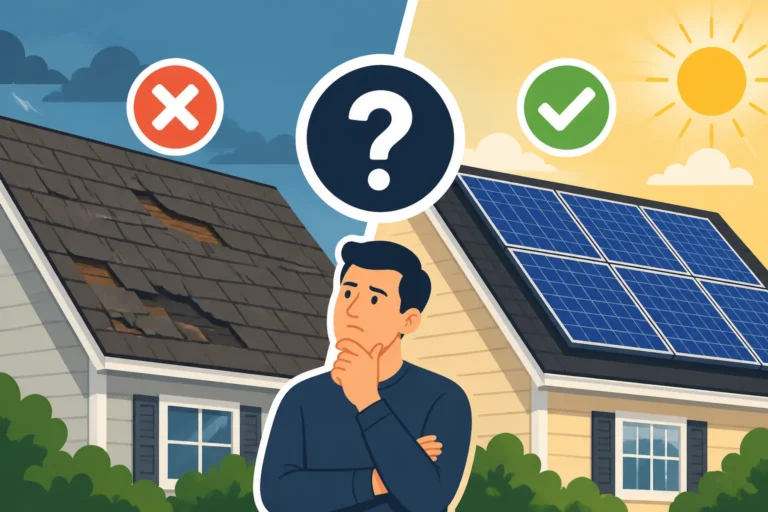
Your roof is the foundation of your solar system, so its condition and characteristics are vital considerations. First, its age and material matter. If your roof is nearing the end of its lifespan (typically 20-25 years for asphalt shingles), it's generally recommended to replace it before installing solar panels. This is because solar panels are designed to last 25-30 years, and you don't want to incur the additional cost of removing and reinstalling them just a few years down the line for a roof replacement. Most installers will assess your roof's condition during the site visit and advise you accordingly. Our article, Do I Need a New Roof Before Solar?, offers more insights into this common dilemma.
Beyond age, the structural integrity of your roof is paramount. Can it safely support the added weight of the solar panels and racking? Most residential roofs are built to withstand snow loads and other forces, so they can typically handle solar panels, but a structural engineer's review might be part of the permitting process, especially for older homes. Shading is another critical factor. Tall trees, adjacent buildings, or even other parts of your own roof can cast shadows on your panels throughout the day, significantly reducing their energy production. Your installer will conduct a detailed shade analysis to optimize panel placement and project realistic energy output. Finally, consider your roof's orientation. South-facing roofs are generally ideal in the Northern Hemisphere for maximum sun exposure, but east and west-facing roofs can also be highly effective, especially for homes with high morning or afternoon energy usage. Ultimately, a comprehensive site assessment will determine your roof's suitability. If you're wondering if your roof is up to the task, our article, Can My Roof Hold Solar Panels?, can provide peace of mind.
Understanding Your System's Performance
Once your solar system is up and running in South Carolina, you'll naturally want to understand how it performs and what to expect over its lifespan. Modern solar systems come with sophisticated monitoring software, often accessible via a smartphone app or web portal. This technology allows you to track your system's energy production in real-time, see how much electricity you're generating, and monitor your energy consumption. It’s incredibly satisfying to watch those numbers, especially on a bright, sunny day! This monitoring also helps you quickly identify any potential issues with your system, though problems are rare with quality installations.
In terms of maintenance, solar panels are remarkably low-maintenance. They don't have moving parts, and rainwater usually does a pretty good job of keeping them clean in South Carolina's climate. However, occasional cleaning might be beneficial, especially if you live in an area with a lot of pollen or dust, or after a particularly dry spell. Most manufacturers also offer excellent warranties, typically guaranteeing panel performance for 25 years or more, and inverters usually come with a 10-12 year warranty. This long-term assurance provides peace of mind, knowing your investment is protected. While solar panels require minimal upkeep, understanding the basics of Solar Panel Maintenance & Cleaning can help you keep your system running optimally for decades.
| Installation Step | Description | Typical Duration (South Carolina) | Who Handles It |
|---|---|---|---|
| Initial Consultation | Discussing energy needs, financial goals, and initial site assessment. | 1-2 hours | Solar Installer |
| Site Assessment & Design | Detailed roof inspection, energy usage analysis, custom system blueprint. | 1-2 weeks | Solar Installer |
| Permitting & Paperwork | Application for local building/electrical permits, utility interconnection. | 4-12 weeks (highly variable) | Solar Installer (on your behalf) |
| Equipment Delivery | Panels, inverters, racking delivered to your home. | 1-2 days | Solar Installer |
| Physical Installation | Mounting racking, panels, wiring, electrical connections. | 2-5 days | Solar Installer |
| Inspections | Local building department and utility company inspections. | 2-6 weeks (variable) | Local Authorities & Utility |
| Permission to Operate (PTO) | Official approval from utility to energize your system. | 1-2 days after utility inspection | Utility Company |
| System Activation | Flipping the switch and enjoying your solar power! | Instant | You! (with installer guidance) |
Disclaimer
The information provided in this guide is intended for general informational purposes only and does not constitute financial, legal, or professional advice. Solar policies, incentives, and costs can change rapidly and vary significantly by location and individual circumstances. We recommend consulting with qualified solar professionals, tax advisors, and local authorities to obtain the most accurate and up-to-date information specific to your situation in South Carolina.