Can You Put Solar on a Flat Roof?
Many homeowners with flat roofs often wonder if they can even consider going solar, fearing that their roof type isn't compatible with traditional panel installations. It's a common and completely valid concern, as most of the solar installations you see are on sloped rooftops. This guide is here to assure you that, yes, installing solar panels on a flat roof is absolutely possible and often highly advantageous, and we'll walk through exactly how it works and what to expect.
The Truth About Solar on Flat Roofs
When you picture solar panels, you probably envision them neatly angled on a sloped residential roof, soaking up the sun's rays. This ubiquitous image can lead flat-roof homeowners to believe solar isn't an option for them. However, that couldn't be further from the truth. Flat roofs actually offer some distinct benefits for solar energy systems, though they do come with their own set of unique considerations.
Dispelling Common Misconceptions
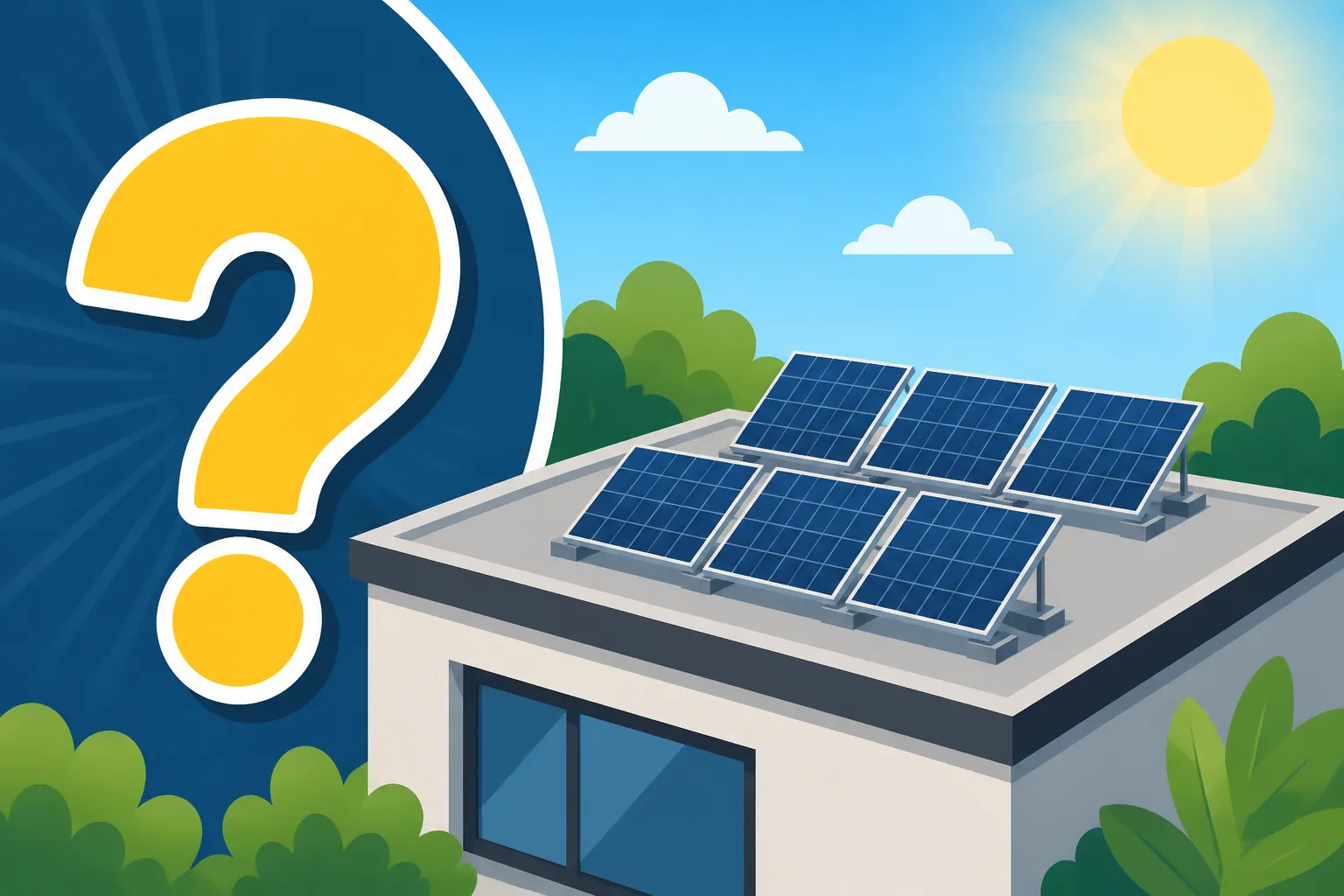
One of the biggest myths is that flat roofs can't support the weight or don't have the right angle for solar panels to be effective. While it's true that a flat roof itself doesn't provide the inherent tilt that a sloped roof does, this isn't a barrier to solar. Installers use specialized mounting systems that create the necessary tilt and orientation to optimize sun exposure. Think of it like a mini-framework built on top of your existing roof structure. These systems are designed to distribute weight evenly and avoid excessive stress points.
Another misconception is that flat roofs are inherently weaker or more prone to leaks if penetrated. Modern solar installation techniques and mounting hardware are specifically designed to minimize any risk to your roof's integrity. Reputable installers prioritize a watertight seal, whether they're using a penetrating or non-penetrating system. The industry has evolved significantly, offering robust solutions that address these concerns head-on. Don't let old fears about leaks deter you from exploring solar options.
Why Flat Roofs Are Different
Unlike sloped roofs that offer a natural angle, flat roofs require a different approach to ensure optimal energy production. The panels need to be tilted towards the sun, typically at an angle between 10 and 30 degrees, depending on your geographic location and specific energy needs. This tilt maximizes the solar panels' exposure to direct sunlight throughout the day and year, improving overall efficiency. Without this tilt, panels would lie flat, collecting less sunlight and potentially accumulating dirt or standing water, which further reduces performance.
The open, expansive nature of many flat roofs also means there's often more available, unobstructed space for panels. This can sometimes allow for a larger system size than a similarly sized sloped roof, which might have chimneys, vents, or complex rooflines that limit usable area. Furthermore, the installation process on a flat roof can sometimes be less complicated for the crew, as they don't have to contend with steep pitches or the same fall risks, potentially streamlining aspects of the project timeline.
Unique Challenges and Considerations for Flat Roof Solar
While flat roofs present great opportunities for solar, it's crucial to acknowledge the unique challenges that come with them. Understanding these considerations upfront will help you have more informed conversations with potential installers and ensure a smooth, successful project. Every roof has its quirks, and flat roofs are no exception.
Weight Distribution and Structural Integrity
The added weight of solar panels, their mounting hardware, and potentially ballasts (heavy blocks used to secure non-penetrating systems) is a significant factor. Your roof needs to be structurally sound enough to bear this load. This is why a thorough structural assessment is one of the first and most critical steps in any flat roof solar project. An engineer will examine your roof's current condition, framing, and load-bearing capacity to determine if it can safely support the proposed solar array.
If the assessment reveals that your roof needs reinforcement, this will add to the overall project cost and timeline. It's not uncommon for older commercial buildings or homes with specific roof constructions to require some structural upgrades. However, this is a safety measure, ensuring that your investment is secure and your property remains sound. Always work with a solar installer who emphasizes these upfront structural evaluations, as neglecting them can lead to serious problems down the line. A reliable company like Modernize can help connect you with installers who prioritize these critical initial assessments.
Drainage and Waterproofing Concerns
One of the primary concerns with any flat roof is drainage. Ponding water is a flat roof's worst enemy, as it can accelerate material degradation and lead to leaks. When installing solar panels, care must be taken to ensure that the mounting system does not impede the roof's natural drainage paths. This means designing the array layout to avoid creating new areas where water can collect. Installers will typically elevate the panels on racks, leaving ample space underneath for water to flow freely towards drains or edges.
For penetrating systems, where mounts are drilled into the roof, ensuring a completely watertight seal is paramount. High-quality flashing and sealants are used to prevent moisture intrusion at every penetration point. Even with ballasted systems, while they avoid penetrations, the installer must ensure the system's weight doesn't create depressions in the roofing membrane that could lead to ponding. A skilled installer will carefully plan the layout to maintain proper water flow and protect your roof's waterproofing membrane. This is why understanding your existing roof material and its condition is also crucial; you may need to consider a Roof Replacement Cost Before Solar if your roof is nearing the end of its lifespan.
Shading and Optimal Tilt Angle
While flat roofs often offer more open space, they can still be susceptible to shading from parapet walls, HVAC units, skylights, or even neighboring buildings. Just like on a sloped roof, any shade falling on your panels can significantly reduce their energy production. The design process will involve a detailed shade analysis to optimize panel placement and minimize impact.
Achieving the optimal tilt angle is also crucial. Unlike a fixed-pitch roof, a flat roof allows for complete control over the panel angle. Installers will consider your location's latitude, typical sun paths, and seasonal variations to recommend the best tilt. For example, in northern climates, a steeper tilt might be preferred to capture more winter sun, while in southern regions, a shallower angle might suffice. The design must also factor in the spacing between rows of tilted panels to prevent one row from shading the row behind it, especially during lower sun angles in winter. This "inter-row shading" is a key design challenge unique to flat roof installations. You'll want to ensure your installer performs a thorough Solar Panel Cost Calculator: How to Estimate that accounts for these variables.
Mounting Systems Built for Flat Roofs
The key to successfully installing solar on a flat roof lies in selecting the right mounting system. These specialized racks and frames are engineered to secure your panels, provide the optimal tilt, and protect your roof's integrity. There are generally two main categories: ballasted and penetrating, with some hybrid options combining elements of both.
Ballasted Mounting Systems
Ballasted mounting systems are often a favorite for flat roofs because they typically don't require any penetrations into the roof membrane. Instead, the solar array is held in place by weights – usually concrete blocks or pavers – distributed across the racking system. These systems are designed to resist wind uplift by their sheer mass. The panels are typically mounted on triangular or L-shaped frames that provide the desired tilt.
The primary advantage of ballasted systems is that they preserve the roof's waterproofing, reducing the risk of leaks. They also offer more flexibility for future roof maintenance or removal, as the system can be disassembled without patching holes. However, the added weight of the ballasts can be substantial, making the structural integrity assessment even more critical. If your roof cannot handle the additional load, a ballasted system might not be an option. Also, the weight needs to be spread out effectively to prevent point loads that could damage the roof membrane or insulation over time.
Penetrating Mounting Systems
Penetrating mounting systems, as the name suggests, involve drilling directly through the roof membrane and into the structural joists or decking below. These systems use sturdy posts or feet that are anchored to the roof structure. Each penetration point is meticulously sealed with flashing and waterproof sealants to prevent any water intrusion. While the idea of drilling holes might sound daunting, when done by experienced professionals, these systems are incredibly secure and reliable.
The main benefit of penetrating systems is their superior wind resistance, as they are directly bolted to the building's structure. This can be particularly important in areas prone to high winds or hurricanes. They also add less overall weight to the roof compared to ballasted systems, making them suitable for roofs with lower load-bearing capacities. However, the obvious drawback is the creation of multiple penetration points, which means meticulous sealing is essential to avoid leaks. Choosing a highly skilled and reputable installer is paramount when considering a penetrating system to ensure proper installation and sealing.
Hybrid and Adhesive Solutions
Beyond the two main types, some innovative hybrid and adhesive solutions are gaining traction. Hybrid systems might combine elements of both ballasted and penetrating methods, perhaps using a minimal number of penetrations to secure a large array that is otherwise ballasted. This can offer a balance between structural integrity and minimizing roof breaches.
Adhesive systems, while less common for large-scale residential installations, utilize strong, weather-resistant adhesives to bond the solar array directly to the roof membrane. These are particularly appealing for certain roof types, such as metal or single-ply membranes, where penetrations are difficult or undesirable. The effectiveness of adhesive systems largely depends on the specific roof material and climate conditions. As technology advances, we're likely to see more innovative non-penetrating and low-impact options emerge, offering even greater versatility for Solar Installation Timeline: What to Expect on flat roofs. Always discuss all available options with your chosen installer, like those you might find through Modernize, to find the best fit for your specific roof.
| Mounting System Type | Description | Pros | Cons |
|---|---|---|---|
| Ballasted | Solar panels held in place by heavy weights (e.g., concrete blocks) resting on the roof. | No roof penetrations; preserves roof integrity; easier to remove/reconfigure. | Significant added weight; requires very strong roof structure; large footprint; can impede drainage if not designed well. |
| Penetrating | Solar panels anchored directly to the roof structure through drilled holes. | Very secure against wind; less added weight than ballasted; smaller footprint. | Requires roof penetrations (potential leak risk if not properly sealed); more complex for future roof repairs. |
| Hybrid | Combines features of both, e.g., minimal penetrations with some ballasting. | Balances security and minimizes penetrations; can reduce overall weight. | More complex design and installation; still involves some roof penetrations. |
| Adhesive | Solar panels bonded directly to the roof surface using industrial-grade adhesives. | No penetrations or added weight; low visual impact; specific to certain roof types. | Dependent on roof material compatibility; less proven for long-term large arrays; difficult to remove. |
Design and Installation Process for Flat Roof Solar
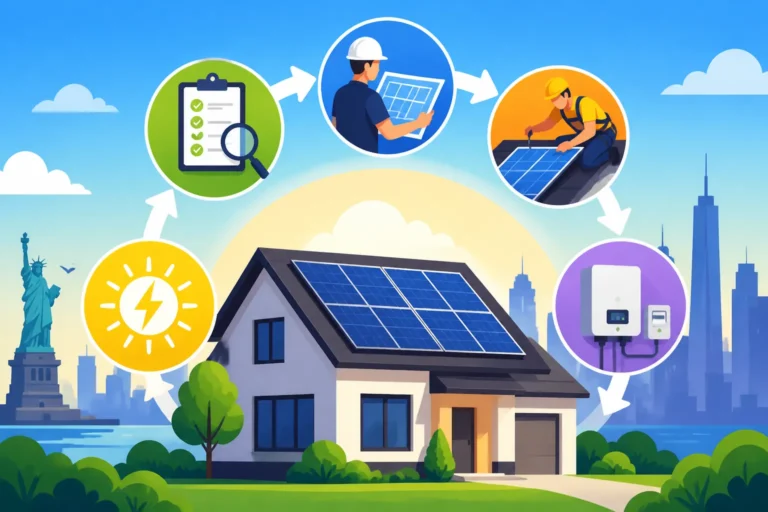
The journey to powering your home with solar on a flat roof involves several well-defined steps, from the initial assessment to the final activation of your system. It's a structured process designed to ensure safety, efficiency, and compliance.
Site Assessment and Engineering
The first critical step, and arguably the most important for flat roofs, is a comprehensive site assessment. A solar professional will visit your home to evaluate your roof's condition, size, and orientation. They'll look for potential shading obstructions, existing HVAC units, and how water currently drains. This is also where the structural engineer comes in, performing their crucial assessment of your roof's load-bearing capacity. They'll review blueprints if available or conduct an on-site inspection to confirm your roof can safely support the solar array, whether it's a ballasted or penetrating system. This detailed evaluation informs the entire design process and is non-negotiable for a safe and effective installation.
Beyond structural integrity, the assessment also focuses on your energy needs. The installer will analyze your historical electricity bills to determine how many solar panels you need for your home to offset your consumption. They'll then design a system that maximizes solar production while adhering to all building codes and safety regulations. This design phase is when the optimal tilt angle and panel layout are determined, taking into account the inter-row shading discussed earlier. This is also a good time to consider if you might benefit from adding a solar battery, and if so, what size you'd need, as discussed in "What Size Solar Battery Do I Need?".
Permitting and Compliance
Once the system design is finalized, the next big hurdle is obtaining the necessary permits and ensuring compliance with local regulations. This process can often feel like a maze, as requirements vary significantly from city to city and state to state. Your solar installer will typically handle all the paperwork, submitting detailed plans to your local planning department and utility company. This usually includes structural plans, electrical schematics, and site diagrams.
Navigating the Solar Permit Process in California or any other state can be complex, involving multiple reviews and inspections. Local zoning laws might have specific setbacks for solar arrays from roof edges or require certain aesthetic considerations. The utility company will also need to approve the interconnection of your solar system to the grid, especially if you plan on utilizing net metering. This entire permitting and approval process can sometimes take several weeks to a few months, so patience is definitely a virtue here. A good installer will keep you informed every step of the way, making sure all "i"s are dotted and "t"s are crossed.
Installation Steps and Best Practices
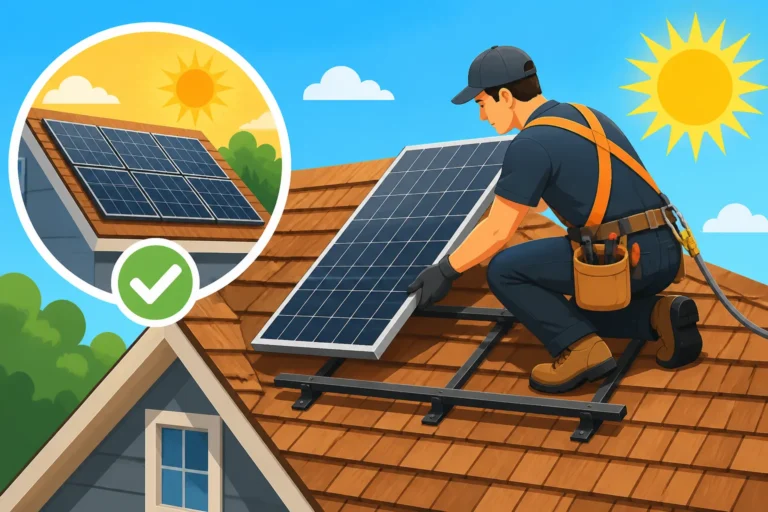
With permits in hand, the physical installation can begin. For a flat roof, this typically starts with preparing the roof surface, ensuring it's clean and free of debris. If a penetrating system is used, the mounting points are carefully marked and drilled, with extreme precision taken to seal each penetration. For ballasted systems, the racking components are assembled on the roof, and then the ballast blocks are placed to secure the frames.
Once the racking is securely in place, the solar panels themselves are carefully lifted onto the roof and attached to the mounting system. The electrical wiring is then run from the panels to the inverter, and then to your home's main electrical panel. Throughout this process, safety is paramount, with installers adhering to strict protocols. After the system is wired, local inspectors will verify that the installation meets all codes before the utility grants Permission to Operate (PTO). This final approval means your system is officially ready to connect to the grid and start generating clean energy, concluding the exciting journey of how solar panels are installed. You can read more about what to expect in the full guide on How Are Solar Panels Installed? Step by Step.
Advantages and Disadvantages of Flat Roof Solar
Deciding to go solar on a flat roof involves weighing the unique benefits against potential drawbacks. Like any significant home improvement, there are distinct upsides and some challenges to navigate. Understanding both sides will help you make the most informed decision for your property.
The Upsides of Going Solar on a Flat Roof
One of the biggest advantages of a flat roof is the flexibility it offers for system design. Unlike sloped roofs where the pitch is fixed, a flat roof allows installers to angle the panels precisely for optimal sun exposure throughout the year. This ability to choose the perfect tilt can lead to higher energy production and better overall efficiency, especially if you're in an area with distinct seasonal sun paths. For instance, in northern latitudes, a steeper tilt can significantly improve winter performance.
Another significant benefit is the often-uninterrupted space. Flat roofs frequently lack the complex rooflines, numerous vents, chimneys, or skylights that can clutter a pitched roof. This open expanse usually means more usable area for panels, potentially allowing for a larger solar array and thus greater energy offset for your home. This can translate to substantial long-term savings on your electricity bills. Furthermore, the installation process can sometimes be safer and less labor-intensive for installers since they don't have to contend with steep inclines, which can sometimes shave a little off the Solar Installation Labor Cost.
Finally, the maintenance aspect can be simpler. Accessing panels on a flat roof for cleaning or inspection is generally easier and safer than on a steep pitch. This can encourage more regular upkeep, ensuring your panels perform at their best for years to come. You can find more details on Solar Panel Maintenance & Cleaning to maximize your system's output.
Potential Drawbacks and How to Address Them
While there are many benefits, flat roof solar installations do come with some potential downsides. The most notable is the initial structural assessment. If your roof isn't structurally robust enough for the added weight of panels and mounting systems, you might face significant upfront costs for reinforcement. This is especially true for ballasted systems, which add substantial weight. It's not a deal-breaker, but it's a cost to be aware of and factor into your budget.
Another potential challenge lies in managing drainage. As mentioned earlier, even slight depressions or poorly designed panel layouts can impede water flow, leading to ponding. This can degrade your roof membrane over time and potentially cause leaks. This highlights the critical importance of choosing a highly experienced installer who understands flat roof dynamics and designs the system with meticulous attention to drainage. You'll want to ensure the company you work with, perhaps through a service like Modernize, has a proven track record with similar projects.
Finally, the aesthetics can be a concern for some homeowners. While panels on a sloped roof often blend into the existing architecture, a tilted array on a flat roof might be more visible, especially if your roof is low or accessible to view. The racking system and the gaps between the panels can also create shadows and visual complexity. However, many modern flat roof mounting systems are designed to be low-profile and aesthetically pleasing. Discussing these visual aspects with your installer during the design phase can help mitigate any concerns.
Maintenance and Longevity of Flat Roof Solar Systems
Once your solar panels are installed on your flat roof, the work isn't entirely over. Just like any major home system, a little ongoing care goes a long way in ensuring your solar array performs optimally and lasts for its full expected lifespan. Good maintenance helps protect your investment and maximize your energy savings.
Keeping Your Panels Clean and Efficient
One of the most straightforward aspects of solar panel maintenance is keeping them clean. Dirt, dust, pollen, bird droppings, and other debris can accumulate on the surface of your panels, blocking sunlight and reducing their efficiency. While rain can help wash away some of this buildup, it's often not enough, especially in dry, dusty climates or during prolonged periods without rain. The slight tilt of flat roof systems helps with self-cleaning more than a truly flat panel, but manual cleaning is still beneficial.
The good news is that cleaning solar panels on a flat roof is generally easier and safer than on a steep, sloped roof. You can often access the panels with a soft brush and a hose from a ladder or even directly from the roof itself, assuming proper safety precautions. Most manufacturers recommend using plain water, avoiding harsh chemicals or abrasive materials that could scratch the panel surface. The frequency of cleaning depends on your local environment – areas near farms, construction sites, or busy roads might require more frequent cleaning than suburban homes. Some homeowners opt for professional cleaning services, while others prefer to do it themselves. Regular cleaning can significantly contribute to your system's overall Solar ROI & 25-Year Savings Breakdown.
Inspecting Your Roof and Mounting System
Beyond cleaning the panels, it's vital to periodically inspect both the solar array and the roof itself. For ballasted systems, check that the ballast blocks haven't shifted and that the racking remains stable. For penetrating systems, a visual inspection of the sealants around the mounts is crucial to catch any potential degradation before it leads to leaks. Over time, UV exposure and weather can take a toll on roofing materials and sealants, so vigilance is key.
You should also inspect the roof membrane around and underneath the solar array. Look for any signs of ponding water, blistering, cracking, or punctures. While solar panels are designed to protect the roof underneath them from UV degradation, problems can still arise, especially if the initial installation was less than perfect. Pay attention to drainage paths and ensure they remain clear of debris. Many solar panel warranties cover the performance of the panels themselves, but protecting your roof is ultimately your responsibility. Catching small issues early can prevent them from becoming major, costly repairs. If you're unsure, consider hiring a roofing professional to conduct an annual inspection, especially after severe weather events. This proactive approach ensures both your solar system and your roof continue to perform their best for decades.
Disclaimer
Please note that this content is intended for informational purposes only and does not constitute professional advice. Solar installation is a complex process that should always be performed by qualified and certified professionals. Always consult with a licensed solar installer and a structural engineer to assess your specific property and ensure compliance with all local codes and regulations.