How Do I Get Permission to Operate My Solar System?
You’ve finally made the big leap into solar, gone through the sales pitches, signed the contracts, endured the installation chaos, and now… you're waiting. The panels are on the roof, the inverter is humming (or silently working), but you still can't turn it on. This waiting period, often accompanied by confusing jargon and seemingly endless paperwork, is a common frustration for many new solar homeowners. This guide is here to demystify that crucial final step: getting Permission to Operate (PTO) your solar system so you can finally start generating your own clean energy and seeing those electricity bill savings.
Understanding What Permission to Operate Really Means
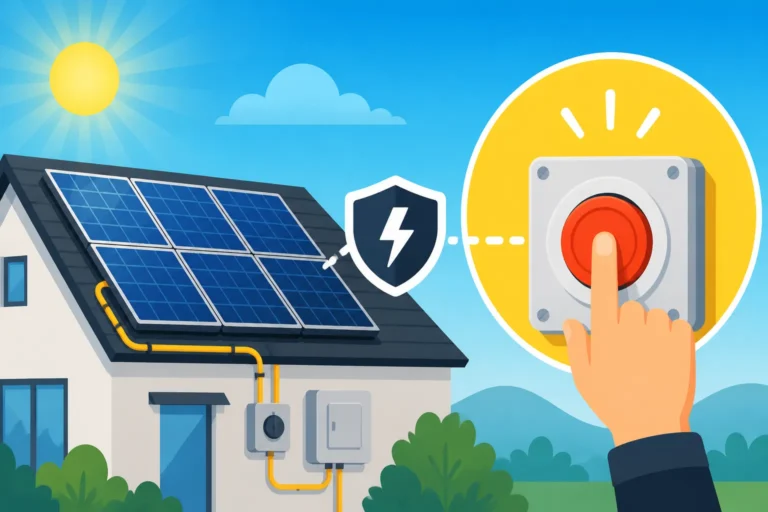
Before you can flip the switch and start basking in the glory of your new solar panels, there's a critical final hurdle known as Permission to Operate, or PTO. It’s not just a fancy term; it's a vital step that ensures your system is safe, legally compliant, and properly integrated with the local power grid. Skipping this step isn't an option, as it carries significant safety risks and could lead to legal and financial penalties.
More Than Just a Green Light: Why PTO is Critical
Think of PTO as your official license to connect your personal power plant to the utility company's vast electrical grid. It’s not just about you; it's about the entire community and the stability of the power supply. Without proper approval, your solar system could pose a risk to utility workers, create disruptions on the grid, or even damage your home's electrical infrastructure. This is why strict protocols are in place and why various entities need to sign off. The process ensures that your system adheres to the National Electric Code (NEC) and local building codes, protecting both your investment and public safety. Moreover, without PTO, you won't be eligible for crucial financial benefits like net metering credits from your utility, which means your hard-earned solar energy would be going to waste, or worse, you could be fined for operating an unapproved system.
Key Players in the PTO Process
Getting to PTO isn't a solo endeavor. It involves a coordinated effort from several key players, each with their own responsibilities and timelines. Understanding who does what can help you manage your expectations and know who to contact if you have questions or concerns.
- The Homeowner: While you're ultimately the system owner, your role in the PTO process is usually to provide necessary information, grant access for inspections, and sometimes sign final documents. Most of the heavy lifting is handled by your solar installer, but staying informed is crucial.
- Your Solar Installer: This is your primary point of contact and the quarterback of the entire solar project, including PTO. A reputable installer will manage the vast majority of the paperwork, permit applications, system design, installation, and coordination with local authorities and the utility company. They are responsible for ensuring the system meets all safety and code requirements. If you're looking for a reliable installer who understands the intricacies of the PTO process, services like Modernize can help connect you with vetted professionals in your area.
- Local Permitting Authority (City/County Building Department): Before any physical installation begins, your installer must secure construction permits from your local city or county building department. After installation, this authority will conduct an inspection to ensure the system was installed according to the approved plans and local building codes. This is typically the first major inspection after the panels are on your roof.
- Utility Company (e.g., PG&E, Con Edison, Florida Power & Light): This is the final gatekeeper. The utility company needs to approve your system's interconnection to their grid. They'll review all documentation, perform their own safety check (which might involve a field inspection), and, once satisfied, authorize you to energize your system. They'll also often install a new bi-directional meter if you don't already have one, which is essential for Net Metering Explained: How It Works by State.
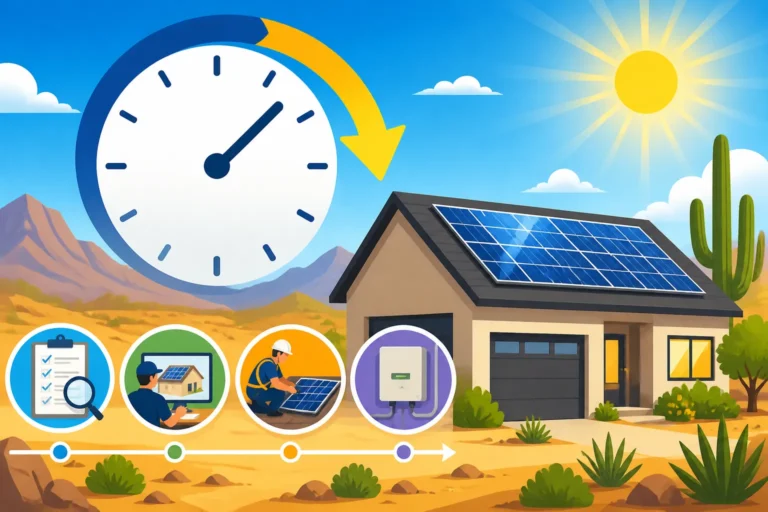
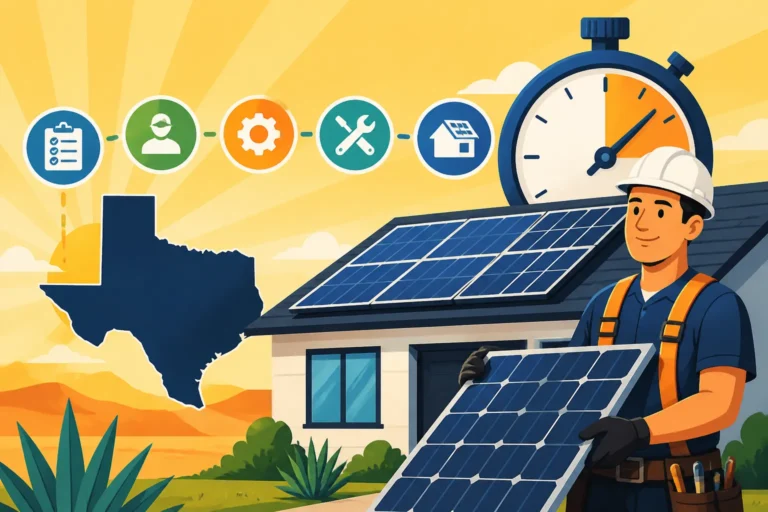
The Step-by-Step Journey to Getting Your PTO
Navigating the PTO process can feel a bit like a bureaucratic maze, but understanding the typical sequence of events can help make it less daunting. From initial paperwork to final approvals, each stage has specific requirements that need to be met.
Initial Documentation and Application Submission
The journey to PTO really begins even before the first solar panel is mounted. Your solar installer is responsible for compiling and submitting a comprehensive package of documents to both your local permitting authority and your utility company. This isn't just a casual form; it's a detailed blueprint of your entire solar project.
Typically, this package includes:
- System Design and Engineering Plans: Detailed schematics showing the layout of your panels, wiring diagrams, inverter locations, and how everything connects to your home's electrical system and the grid.
- Equipment Specifications: Cut sheets and data from the manufacturers of your chosen solar panels, inverters (like those from Enphase vs SolarEdge: Which Inverter Is Better?), and any other major components, demonstrating they meet safety and performance standards.
- Electrical Load Calculations: Proof that your new solar system is appropriately sized for your home's energy needs and won't overload your existing electrical infrastructure.
- Permit Applications: The official forms required by your city or county to secure building and electrical permits.
- Interconnection Agreement: A formal contract with your utility company outlining the terms and conditions for connecting your solar system to their grid, including details about Net Metering vs Net Billing: What's the Difference?.
Your installer will submit these documents. It’s absolutely vital that these submissions are accurate and complete. Any missing information or errors can lead to significant delays, pushing back your PTO date. A good installer, like those you might find through a network like Modernize, will have extensive experience with these processes and a strong track record of submitting correct paperwork.
The Inspection Phase: What to Expect
Once the physical installation of your solar panels and associated equipment is complete, it's time for inspections. This is where theory meets reality, and officials verify that your system was built precisely as approved and is up to code. There are typically two main inspections you’ll encounter:
- Local Jurisdiction Inspection: This is performed by an electrical inspector from your city or county's building department. They'll visit your property to ensure the installation adheres to all local building codes, electrical codes (like the NEC), and the approved plans. They'll check things like proper wiring, conduit installation, grounding, labeling, fire safety setbacks on the roof, and the secure mounting of panels. They're essentially looking for safety and compliance. It's not uncommon for minor issues to be found, leading to a "red tag" or a request for re-inspection. For instance, an inspector in Phoenix might check specifically for proper heat dissipation measures given the intense Arizona sun, while an inspector in Seattle might focus on watertight sealing for rain.
- Utility Company Inspection (if applicable): While some utilities rely solely on the local jurisdiction's inspection, others, particularly those with complex grid infrastructure, will send their own representatives. This utility inspection primarily focuses on the interconnection point, ensuring your system can safely and reliably connect to their grid without causing issues. They'll also verify the installation of your bi-directional meter (if required) and confirm that all safety disconnects are correctly installed and accessible.
During these inspections, it’s best to ensure the inspector has clear, unobstructed access to the panels, inverter, electrical panels, and meter. Your installer should be present, or at least available, to address any questions the inspector might have. If an inspection fails, your installer will need to make the necessary corrections and schedule a re-inspection, which unfortunately adds time to your overall Solar Installation Timeline: What to Expect.
Utility Review and Final Approval
After your system has successfully passed all necessary local and, if applicable, utility inspections, all the documentation, including signed-off inspection reports, makes its way back to the utility company. This is the final stage before you receive PTO.
The utility's review process involves a few key steps:
- Documentation Verification: They'll confirm that all required permits and inspection approvals have been secured and submitted correctly.
- Interconnection Agreement Finalization: They'll ensure that your signed interconnection agreement is in place, outlining the terms of your system's connection to the grid, including details about any specific Solar Buyback Programs in Texas or other state-specific rules.
- Meter Installation/Activation: If you haven't already had one, the utility will install a new net meter (also known as a bi-directional meter) or reprogram your existing meter. This special meter tracks both the electricity you pull from the grid and the excess solar electricity your system exports to the grid. This is foundational for any Net Metering Explained: How It Works by State or net billing policy.
- Final Approval and Notification: Once everything is in order and meets their safety and operational standards, the utility will issue the official Permission to Operate. This notification typically comes directly to the homeowner, often via email, and gives you the green light to energize your system.
The timeline for this final utility approval can vary significantly, ranging from a few days to several weeks, depending on the utility's backlog and the complexity of your local regulations. For example, utilities like Southern California Edison or Con Edison in New York generally have a more streamlined process than some smaller, rural co-ops, but even they can experience delays.
Common Hurdles and How to Overcome Them
The journey to PTO isn't always a smooth, straight line. Many homeowners face delays, communication issues, or unexpected bumps along the way. Understanding these common hurdles and knowing how to address them can save you a lot of stress.
Dealing with Delays and Communication Gaps
One of the most frustrating aspects of the PTO process is the waiting game. You see your beautiful new panels, you know they're ready to produce, but you can't touch them. Delays can stem from various sources, making it difficult to pinpoint the exact cause.
- Permitting Backlogs: Local building departments can get swamped, especially in areas with high solar adoption, leading to slow permit processing or inspection scheduling.
- Incomplete Paperwork: As mentioned, even a minor omission in the initial application from your installer can send the entire package back for revisions, adding weeks to the timeline.
- Utility Processing Times: Utility companies, particularly large ones like Pacific Gas and Electric (PG&E) or Florida Power & Light, have their own internal review processes and queues, which can lead to extended waiting periods. In some cases, waiting for the installation of a new bi-directional meter can be the bottleneck.
- Communication Breakdown: Sometimes, the issue isn't a backlog but a lack of clear communication between the installer, the permitting office, and the utility, leaving you in the dark.
To overcome these, proactive communication is key. Stay in touch with your solar installer regularly. Ask for specific updates on where your application stands in the queue with both the local authority and the utility. A good installer will use online tracking systems or dedicated personnel to manage this and should be able to provide you with concrete dates or estimates. If you’re feeling stuck and your installer isn't responsive, a platform like Modernize can be a valuable resource. They specialize in connecting homeowners with reputable installers who often have robust project management systems in place, reducing the chance of falling through the cracks. They can also help you understand what information you should be getting from your installer.
Navigating Inspection Red Flags
A failed inspection can be disheartening, but it's a relatively common part of the process. Inspectors are there to ensure safety and compliance, not to make your life difficult.
Common reasons for failed inspections include:
- Minor Wiring Issues: Loose connections, incorrectly sized conduits, or improper grounding.
- Labeling Deficiencies: Not all required electrical components are clearly labeled, which is crucial for safety and maintenance.
- Accessibility Problems: Components like disconnect switches are not easily accessible for emergency services or maintenance personnel.
- Deviations from Approved Plans: The installed system doesn't exactly match the engineering plans submitted and approved during the permitting phase. This could be anything from a panel being slightly off-location to a different type of inverter being used without an amendment.
If your system fails an inspection, your installer is responsible for addressing the issues and scheduling a re-inspection. It's important to understand the specific reasons for the failure and ask your installer for a clear timeline for corrections. Don't hesitate to ask for photographic evidence of the fixes. In some instances, especially with very complex systems or unusual roof types, an installer might need to work closely with the inspector to clarify interpretations of codes. This highlights why choosing an installer with a strong local reputation and deep knowledge of specific regional codes is so important – a factor you can vet when using services like Modernize.
Understanding Utility-Specific Requirements
One of the biggest variables in the PTO process is the specific rules and regulations of your local utility company. These can differ dramatically from state to state and even within different service areas of the same utility. What works for California Net Metering Rules in 2026 under NEM 3.0 might be completely different from Texas Net Metering Rules in 2026 or the policies in New England.
For example:
- Net Metering Policies: Some states and utilities offer full retail net metering, where you get credited the same rate for electricity exported as you pay for electricity imported. Others, like California under NEM 3.0, have shifted to net billing or an Avoided-Cost Rate & Export Credits Explained, which values exported solar energy at a lower wholesale rate. This affects not just your savings but also the technical requirements for interconnection.
- Application Fees: Utilities may charge application or interconnection fees, which vary widely.
- Equipment Requirements: Some utilities might have specific approved inverter models or rapid shutdown protocols that your system must adhere to.
- Timeline Commitments: While federal guidelines encourage timely interconnection, the actual processing times can vary significantly by utility.
It's a good idea to research your specific utility's solar interconnection guide or distributed generation handbook. These documents, usually available on their website (e.g., Duke Energy's renewable connection guides, Eversource's solar forms), lay out all their requirements. Your installer should be well-versed in these local rules, as navigating them effectively is a key part of their job. Asking your installer about their experience with your specific utility company can provide valuable insight into their preparedness for your PTO journey.
Here's a brief comparison of typical PTO stages and timelines:
| Stage | Description | Responsible Party | Typical Timeline | Potential Delays |
|---|---|---|---|---|
| Permit Application | Submission of system design and plans to local building authority. | Solar Installer | 1-4 weeks (initial review) | Incomplete documentation, local backlog, complex designs. |
| Permit Approval | Receipt of approved building/electrical permits. | Local Authority | Varies greatly: 2 days to 8+ weeks | High application volume, staffing shortages, complex project requiring multiple reviews. |
| System Installation | Physical installation of panels, inverters, wiring, etc. | Solar Installer | 1-5 days (on-site work) | Weather, equipment availability, unexpected structural issues. |
| Local Inspection | Building/electrical inspector verifies installation against codes and plans. | Local Authority | 1-3 weeks (scheduling after installation) | Failed inspection (re-inspection needed), inspector availability. |
| Utility Interconnection Application | Submission of inspection approvals and final system details to the utility. | Solar Installer | Concurrent with local inspections, or immediately after. | Utility-specific forms, additional data requirements. |
| Utility Review & Meter Swap | Utility reviews documents, performs final checks, and installs/reprograms bi-directional meter. | Utility Company | 2-8 weeks (after all documents received) | High volume of applications, meter technician availability, internal review processes. |
| Permission to Operate (PTO) | Official notification that you can energize your system. | Utility Company | Immediate (upon approval) | – |
Note: These timelines are approximate and can vary significantly based on location, utility, and specific project details.
What Happens After PTO is Granted?
Congratulations! You've officially received your Permission to Operate. This is the moment you've been waiting for, the green light to finally activate your system and start enjoying the benefits of solar energy.
Flipping the Switch: Activating Your System
The moment you receive that official PTO notification from your utility company, you're cleared for takeoff! In most cases, your solar installer will have already conducted preliminary tests during installation to ensure everything is wired correctly. Once PTO is granted, you or your installer can literally flip the switch (or switches) on your inverter and main service panel to energize your solar system.
It's an exciting milestone! Your panels will immediately begin converting sunlight into electricity. Depending on your system and inverter type, you might hear a faint hum from the inverter, or see indicator lights come on, confirming it's active. Many modern solar systems come with monitoring apps (like those from Enphase or SolarEdge) that allow you to track your real-time energy production directly from your smartphone. This is often the first thing homeowners do – eagerly watching those numbers climb. If you're unsure about how to properly activate your system or access your monitoring, your installer should provide a clear walkthrough as part of their post-installation service. This also ties into knowing What Happens After Solar Is Installed? beyond just PTO.
Enjoying Your Solar Benefits
With your system up and running, you're now fully integrated into the renewable energy landscape! The benefits typically start rolling in immediately, most notably on your monthly electricity bill.
- Immediate Savings: As your solar panels generate electricity, you'll be drawing less power from the utility grid. This directly translates to lower monthly electricity bills. The extent of these savings depends on your system's size, your energy consumption, and your utility's rates. Over time, these savings can be substantial, greatly influencing your Solar Panel Payback Period Explained.
- Net Metering Credits: Any excess electricity your solar system produces beyond your home's immediate needs will be sent back to the grid. Under a net metering or net billing agreement, your utility company will credit you for this exported energy. This is where the bi-directional meter really shines, keeping track of both what you consume and what you send back. Understanding How Does California Net Billing (NEM 3.0) Affect Savings? or other state-specific net metering policies is crucial for maximizing these credits.
- Environmental Impact: Beyond the financial savings, you're now making a tangible difference by reducing your carbon footprint. Every kilowatt-hour your system generates means one less kilowatt-hour produced by fossil fuels.
- Increased Home Value: Solar panels are increasingly seen as a valuable home improvement. While the exact increase can vary by location and system size, studies often show that Do Solar Panels Increase Home Value? for many homeowners.
Remember that while your system is now operational, proper Solar Panel Maintenance & Cleaning can help ensure it performs optimally for years to come. Your installer should provide information on Solar Panel Warranties Explained for both the equipment and the installation itself, offering peace of mind for your long-term investment.
Disclaimer
The information provided in this guide is intended for general informational purposes only and does not constitute professional advice. Solar regulations, incentives, and utility policies are subject to change and vary significantly by location. Always consult with a qualified solar professional and your local utility company for personalized advice specific to your situation.