How Do I Find a Reputable Solar Installer?
Deciding to go solar is an exciting step toward energy independence and savings, but let's be real: the sheer number of solar companies out there can feel overwhelming. It’s tough to know who to trust with such a significant investment in your home. This guide will walk you through exactly how to sift through the options and find a truly reputable solar installer, ensuring you get a high-quality system that performs for decades.
Why a Reputable Solar Installer is Non-Negotiable
Choosing a solar installer isn't just about finding the cheapest quote; it's about partnering with a company that will stand by their work for the long haul. This is a 25-year-plus commitment, and you want to ensure your investment is sound.
The Long-Term Investment Requires Trust
Think about it: your solar energy system will be an integral part of your home for a quarter-century or more. It's not like buying a new appliance that you can easily swap out if it malfunctions. You're entrusting an installer with the structural integrity of your roof, the electrical systems of your home, and your future energy bills. A cheap, shoddy installation can lead to a host of expensive problems down the line, from underperforming panels that don't deliver the promised savings to actual damage to your property. Imagine the frustration of having a system that barely covers your energy needs because it wasn't designed or installed correctly, or facing unexpected repair costs because the workmanship warranty is nonexistent. A reputable installer prioritizes long-term performance and your peace of mind, knowing your system is built to last and will truly save you money over time.
Avoiding the Headaches of Subpar Work
The horror stories are out there: homeowners dealing with persistent roof leaks where panels were installed, wiring issues that cause system shutdowns, or an installer disappearing altogether when a warranty claim arises. These aren't just minor inconveniences; they can be financially devastating and incredibly stressful. For instance, if an installer uses incorrect racking or sealing methods, you could face costly roof repairs that aren't covered by your homeowner's insurance if directly linked to a faulty solar installation. Furthermore, a poorly installed system might not produce the energy it was designed for, leaving you with higher utility bills than anticipated. And if the company goes out of business, you might be left scrambling to find someone to honor your Solar Panel Warranties Explained or even complete essential repairs. This is why it's vital to know What to Do if Your Solar Installer Goes Bankrupt ahead of time. A professional, reputable installer takes care of all the complex details, from navigating local permitting requirements to ensuring your system safely interconnects with the grid. They handle the bureaucracy and technicalities, preventing delays and saving you immense headaches.
Hallmarks of a Trustworthy Solar Company
When you're looking for a solar partner, there are specific qualities that scream "reliable!" and others that should send you running the other way. Knowing these indicators will empower you to make an informed choice.
Certifications, Licenses, and Insurance
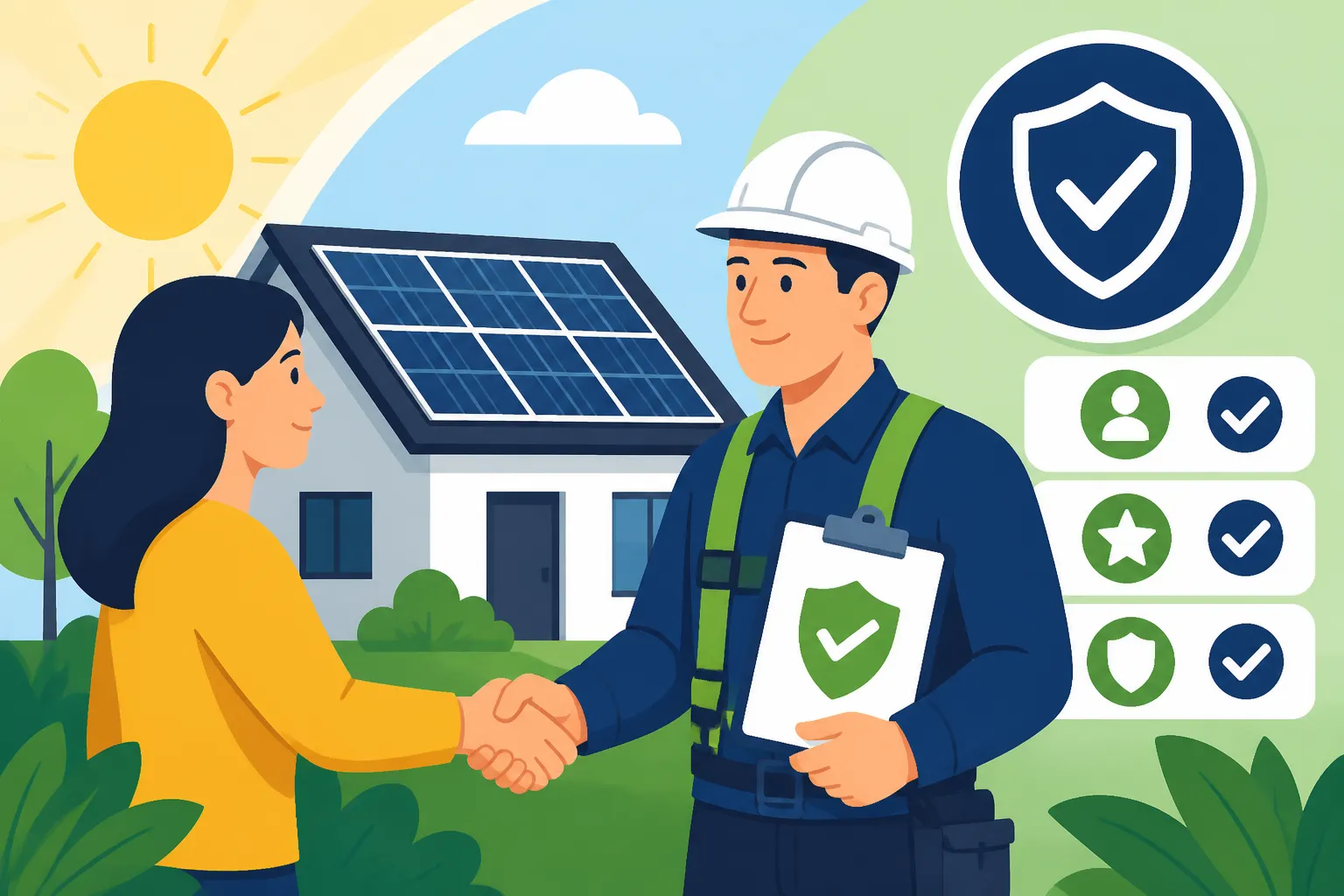
This is perhaps the most fundamental aspect of vetting any contractor, and solar installers are no exception. First and foremost, check that they hold all necessary state and local contractor licenses for electrical and general construction work in your area. These aren't just pieces of paper; they signify that the company has met specific standards, passed exams, and is accountable to regulatory bodies. For example, in California, contractors need a C-10 (electrical) and sometimes a B (general building) license. Without these, you might be dealing with an unlicensed individual, which could void warranties and leave you with no recourse if problems arise.
Beyond basic licensing, look for certifications from industry-recognized organizations. The North American Board of Certified Energy Practitioners (NABCEP) offers highly respected certifications for solar installers and technical sales professionals. Seeing a NABCEP-certified professional involved in your project means they've demonstrated a high level of expertise and commitment to best practices in solar energy. This ensures that the people designing and installing your system truly understand the intricacies of solar technology and safety. Lastly, always verify their insurance. They should carry comprehensive liability insurance to protect your property in case of damage during installation, and workers' compensation insurance to cover their employees if accidents occur on your site. Don't be shy about asking for proof of these documents; a reputable company will provide them readily.
Experience and Track Record
While every company has to start somewhere, when it comes to a major home improvement project like solar, experience truly matters. An installer who has been in business for several years, especially in your local market, is often a safer bet. This longevity suggests they've navigated market changes, handled various installation challenges, and likely have a stable customer base. A company that’s been around for ten years, having installed hundreds or thousands of systems, has ironed out many of the kinks that newer companies might still be facing.
Ask about the number of installations they've completed and, if possible, for references from previous customers in your area. This allows you to see their work firsthand and hear about real-world experiences. A strong local presence is also a huge plus. If their office is just a few towns over, it generally means quicker response times for service calls or warranty issues, compared to a company operating out of state or with only a virtual presence. A platform like Modernize can be incredibly useful here, as they often connect homeowners with vetted, local solar professionals who have established track records, giving you a head start on your research.
Transparent Communication and Clear Contracts
The quality of an installer's communication from your initial inquiry through to post-installation support speaks volumes about their professionalism. A reputable company will communicate clearly, promptly, and patiently. They should be able to answer all your questions thoroughly, explaining complex technical terms in an understandable way, and proactively update you on every stage of the process, from the initial site visit to the final Solar Permitting & Interconnection PTO Explained. Beware of installers who are vague, rush you through explanations, or don't seem to have time for your concerns.
When it comes to contracts, transparency is key. Your solar contract should be a detailed, easy-to-understand document that clearly outlines the total How Much Do Solar Panels Cost? (including any hidden fees, which you should definitely investigate, as this relates to Solar Dealer Fees Explained Hidden Loan Costs), the specific equipment brands and models (e.g., Qcells panels, Enphase microinverters), the scope of work, estimated energy production, financing terms (if applicable), and all warranty details. Every component and service should be itemized, leaving no room for ambiguity. They should also provide a clear Solar Installation Timeline What to Expect so you know exactly what will happen and when. If a company uses vague language, rushes you to sign, or resists explaining terms, consider it a major red flag.
Your Step-by-Step Guide to Vetting Installers
Finding the right installer doesn't have to be a shot in the dark. With a systematic approach, you can confidently narrow down your options and choose a partner you can trust.
Start with Online Research and Referrals
The first step in your journey should always involve a good old-fashioned dive into research. Begin by utilizing online platforms specifically designed to connect homeowners with solar installers, like EnergySage or SolarReviews. These sites often provide comparative quotes from pre-vetted companies in your area. You might also consider using a service like Modernize, which helps homeowners get multiple quotes from qualified local professionals. This immediately gives you a baseline for pricing and company offerings.
Next, scour customer reviews on independent sites like Google, Yelp, and the Better Business Bureau (BBB). Look for patterns in feedback, both positive and negative. How does the company respond to criticism? Do they address issues professionally or defensively? While a few negative reviews are normal for any business, a consistent stream of complaints about installation quality, customer service, or warranty issues should give you pause. Beyond online reviews, tap into your personal network. Ask friends, family, and neighbors who have gone solar for their recommendations and experiences. Personal referrals often carry the most weight because they come from trusted sources who have firsthand knowledge of the installer's work.
Get Multiple Quotes and Compare Apples to Apples
This cannot be stressed enough: always get at least three to five quotes from different solar installers. This is crucial for several reasons. Firstly, it helps you understand the average market rate for solar in your specific location and for your system size. This way, you can easily spot quotes that are suspiciously low (which might indicate low-quality equipment or cut corners) or excessively high. Secondly, it allows you to compare different proposed solutions. One installer might suggest specific Best Solar Panels of 2026 and inverter combinations, while another might offer different technology or a different system size based on their assessment of your energy needs and roof.
When comparing proposals, create a checklist to ensure you're evaluating them fairly, or what we call "apples to apples." Don't just look at the bottom-line price. Dig into the details:
| Feature to Compare | What to Look For | Why It Matters |
|---|---|---|
| Total System Cost | Itemized breakdown, cost per watt ($/W) | Helps understand value relative to system size. |
| Equipment | Brands and models of panels, inverters, batteries | Affects efficiency, lifespan, and warranty. |
| Warranties | Product (panels, inverter), Performance, Workmanship (installation) | Crucial for long-term protection against defects and underperformance. |
| System Size | Total kW (kilowatts) | Directly impacts how much electricity your system will produce. |
| Estimated Production | Annual kWh (kilowatt-hours) | How much energy the system is expected to generate, crucial for savings calculations. |
| Financing Terms | APR, loan term, dealer fees, cash discount | Determines your monthly payment and overall cost if you're not paying cash. |
| Net Metering/Billing | How your utility credits excess power (e.g., Net Metering Explained How It Works by State) | Directly impacts your savings and Solar Panel Payback Period Explained. |
| Permitting & Fees | Who handles it, what fees are included | Prevents unexpected costs and delays. |
This systematic comparison will help you identify the best value and ensure you're getting a solution tailored to your home.
Dig Deep into Warranties and Support
Warranties are your safety net and an indicator of an installer's confidence in their work and products. There are typically three main types of solar warranties you need to understand:
- Product Warranty (Equipment Warranty): This covers the physical components themselves, like the solar panels and inverters, against manufacturing defects. Panels usually have a 10-12 year product warranty, though premium brands like Maxeon (SunPower) and REC offer up to 25-40 years. Inverters often have 10-12 year warranties, with some microinverter brands like Enphase offering 25 years.
- Performance Warranty: This guarantees that your solar panels will produce a certain percentage of their original power output over time. Most panels promise to retain at least 80-85% of their original efficiency after 25 years. This is critical because Solar Panel Efficiency & Degradation Explained over time.
- Workmanship Warranty: This is perhaps the most crucial warranty directly related to the installer. It covers the actual installation work—things like roof penetrations, wiring, and mounting—against defects or errors. A strong workmanship warranty, ideally 10-25 years, shows that the installer stands behind their installation quality. Without a solid workmanship warranty, you could be on the hook for repairs if your roof leaks due to improper installation, even if the panels themselves are fine.
Beyond warranties, inquire about post-installation support. What happens if you have an issue a year down the road? Do they have a dedicated service department, or do you have to call a general number? Understanding their responsiveness and support structure is vital. Also, ask about monitoring systems. Most modern solar systems come with apps or online portals that allow you to track your system's energy production in real-time. A good installer will walk you through how to use this, help you interpret the data, and set up alerts for potential issues, ensuring you can proactively address any problems that arise.
Red Flags and Wise Choices
Even with all the right information, the solar market can have its share of slick sales tactics and less-than-reputable players. Knowing what to avoid is just as important as knowing what to look for.
Warning Signs to Watch Out For
Navigating the solar landscape can feel like walking through a minefield of potential pitfalls. Be incredibly wary of any installer that employs high-pressure sales tactics. If you're told that a "special deal" or a particular incentive (like the Solar Tax Credit 2026 What Happened to the Federal Credit) is expiring today and you must sign immediately, that's a classic sign of someone trying to rush you into a decision before you've had time to think or compare. Legitimate companies understand that purchasing solar is a big decision and will give you ample time to review proposals.
Another major red flag is unrealistic savings promises. If a company claims your solar panels will completely eliminate your electricity bill and even make you money from day one, without thoroughly analyzing your specific energy usage, roof characteristics, and local utility rates (including Net Metering Explained How It Works by State), they might be overpromising. While solar certainly saves money, the exact figures depend on many variables. Be cautious of vague or evasive answers about pricing, equipment specifications, or the installation process. Everything should be transparent and clearly documented.
Finally, be very careful about installers demanding a very large upfront deposit, especially before any work has begun or materials have been delivered. Most reputable companies require a reasonable deposit (often 10-30%) to secure materials and scheduling, but anything significantly higher should prompt further investigation. A lack of a verifiable online presence, or overwhelmingly negative and unaddressed reviews, are also clear indicators to steer clear. These are all common Solar Installer Red Flags to Watch For.
Trust Your Gut and Ask Questions
Ultimately, your intuition plays a role. During consultations, pay attention to how you feel about the sales representative and the company. Do they seem knowledgeable, professional, and genuinely interested in your needs, or do they feel pushy, uninformed, or more concerned with making a quick sale? If something feels "off," trust that feeling and consider other options.
Before making a final decision, arm yourself with a list of critical questions. Don't be afraid to ask them, and expect clear, confident answers. Here are some key questions you should absolutely pose to every prospective installer:
- "Can you provide proof of your state and local licenses, as well as your liability and worker's compensation insurance?"
- "Are your installers NABCEP certified?"
- "What specific panel, inverter, and battery brands do you typically install, and why do you recommend them for my home?"
- "What are the details of your workmanship warranty, and what is its duration?"
- "Who handles all the permitting and interconnection paperwork with my utility company?"
- "What is the estimated Solar Panel Payback Period Explained for my system?"
- "How do you handle post-installation support and maintenance?"
- "Can you provide references from customers in my area?"
- "What are your payment terms, and what is your policy regarding deposits?"
- "Have you assessed my roof's age and condition, and what are your recommendations regarding Roof Considerations for Solar Panels?"
By asking these detailed questions, you’ll not only gain a deeper understanding of their process but also gauge their transparency and expertise. A truly reputable installer will welcome these questions and provide satisfactory answers, helping you feel confident in your choice.
Disclaimer
Please remember that the information provided in this guide is for general educational purposes only and should not be considered professional financial, tax, or legal advice. Always consult with qualified professionals for advice tailored to your specific situation. Market conditions, incentives, and regulations can change, so verify all details with local authorities and certified professionals.