Solar Installation Process in Nevada
Thinking about going solar in Nevada can feel like stepping into a maze of paperwork, regulations, and unfamiliar terminology. Many homeowners find themselves overwhelmed by the sheer number of steps, wondering if it's truly worth the effort to navigate the local permits, utility rules, and installation logistics. This comprehensive guide is designed to demystify the solar installation process in Nevada, breaking down each phase into clear, actionable insights so you know exactly what to expect from start to finish.
Navigating the Initial Stages of Solar in Nevada
The journey to powering your home with the sun in Nevada begins long before any panels ever touch your roof. This foundational phase involves a lot of research, evaluation, and careful planning to ensure your system is perfectly tailored to your home and compliant with all local and state requirements. It's easy to feel rushed at this stage, but taking your time here can save you a world of headaches later on.
Understanding Site Assessments and System Design
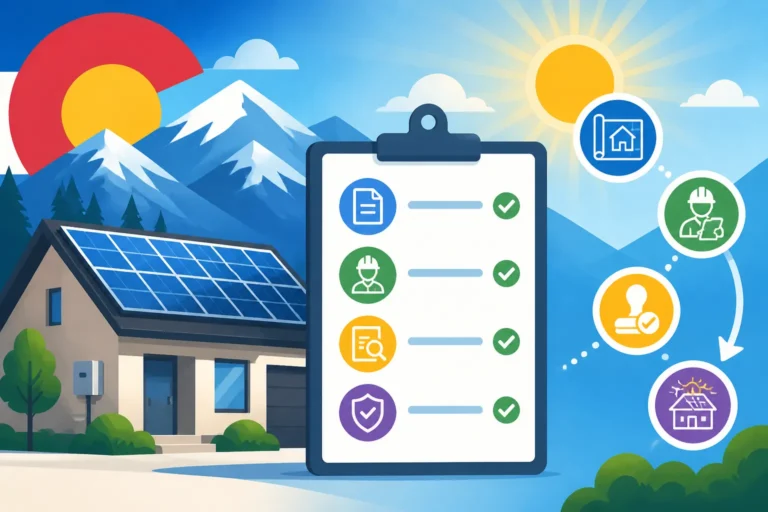
Before anyone can even give you an accurate quote, a thorough site assessment is absolutely critical. This isn't just about glancing at your roof; it's a detailed evaluation of your home's energy consumption, roof condition, sun exposure, and structural integrity. A solar professional will examine your past utility bills, often going back a full year, to understand your peak usage times and overall electricity needs. This data helps them design a system that can offset as much of your electricity consumption as possible, ideally aiming for 100% or more, depending on your goals and the available roof space.
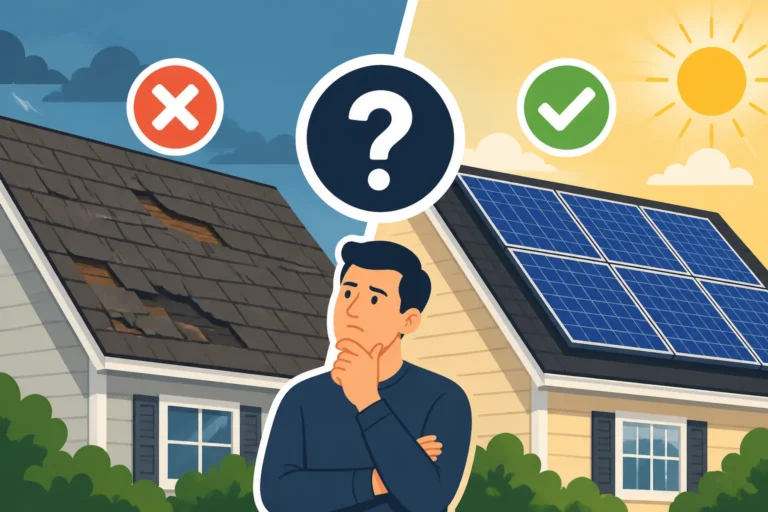
During the site assessment, the installer will also look at your roof's pitch, orientation (south-facing is generally ideal in the Northern Hemisphere, including Nevada), and any potential shading from trees or nearby buildings. They'll check the age and condition of your roof, as it's often more cost-effective to replace an aging roof before installing solar panels, rather than having to remove and reinstall them a few years down the line. They'll assess your electrical panel to ensure it can handle the new solar load and whether it needs an upgrade. This is also where discussions about different solar panel types and inverter technologies come into play, helping you decide what fits your budget and energy goals. When you're first thinking about solar, finding a reliable installer can feel daunting. That's where platforms like Modernize can be incredibly helpful in connecting you with local experts who can conduct these assessments.
The system design phase takes all this information and translates it into a detailed plan. This includes the number and type of solar panels, their precise placement on your roof, the kind of inverter (string, micro-inverter, or power optimizer), and the necessary wiring and racking. The design will also specify the size of your system in kilowatts (kW) and estimate its annual energy production. It's a complex process that balances efficiency, aesthetics, and cost, ensuring the system meets both your energy needs and Nevada's specific building codes. This is also a good time to understand the nuances of Solar Panel Cost by State, as prices can vary significantly even within Nevada based on system size and chosen equipment.
The Permitting Labyrinth: Local and Utility Requirements
Once a design is finalized, the next major hurdle is securing the necessary permits. This can often be one of the most frustrating parts of the solar installation process, as it involves navigating multiple bureaucratic layers, each with its own set of rules and timelines. You're not alone if you feel like you're drowning in paperwork; many homeowners find this aspect particularly challenging. This is precisely why most reputable solar installers handle the entire permitting process on your behalf, leveraging their experience with local authorities.
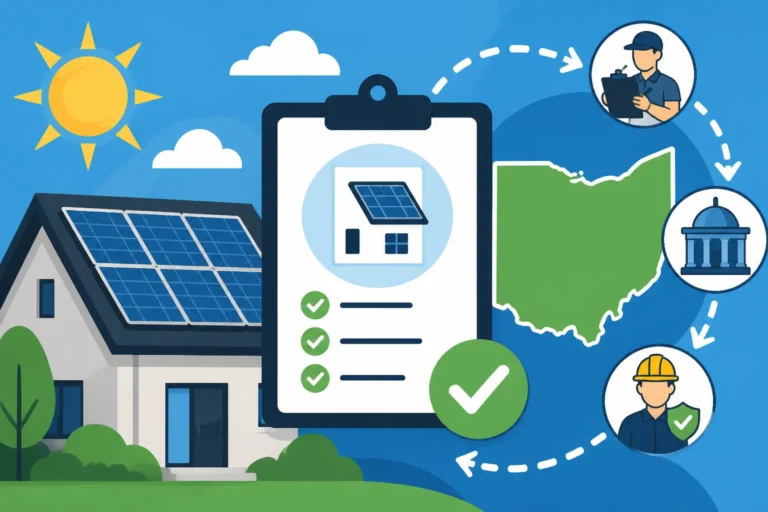
In Nevada, you'll typically need permits from both your local municipality (city or county) and from your utility company. Local building permits ensure that the structural, electrical, and safety aspects of your solar installation meet current codes. For example, homeowners in Las Vegas, Henderson, or Reno will deal with their respective city building departments, each having slightly different requirements and processing times. These permits often require detailed engineering plans, structural calculations for your roof, and electrical diagrams. It’s not uncommon for there to be a few rounds of revisions before approval is granted, leading to delays that can sometimes stretch for weeks.
Beyond the local building permit, you'll also need to secure interconnection approval from your utility provider, primarily NV Energy across much of the state. This critical step ensures that your solar system can safely connect to the grid and that you can participate in programs like net metering. While Nevada has a net metering framework, its specifics are defined by the Public Utilities Commission of Nevada (PUCN) and implemented by NV Energy. This process typically involves submitting an application, system design specifications, and undergoing a technical review to ensure grid stability and safety. Understanding Net Metering Explained: How It Works by State is vital, as the specific credits you receive for excess power can greatly impact your long-term savings. Before moving forward, it's wise to gather a few quotes. Tools available through Modernize can connect you with pre-vetted local solar companies who understand these intricate permitting requirements.
The Hands-On Installation and Grid Connection
After enduring the planning and permitting phases, the actual physical installation feels like a breath of fresh air for many homeowners. This is where your solar vision truly starts to take shape, culminating in the moment your system is finally energized and contributing to your home's power supply.
Physical Installation: From Roof Mounts to Wiring
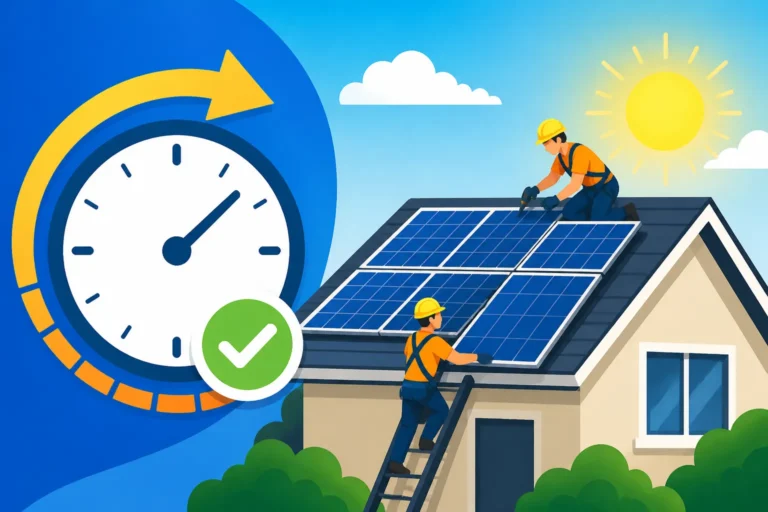
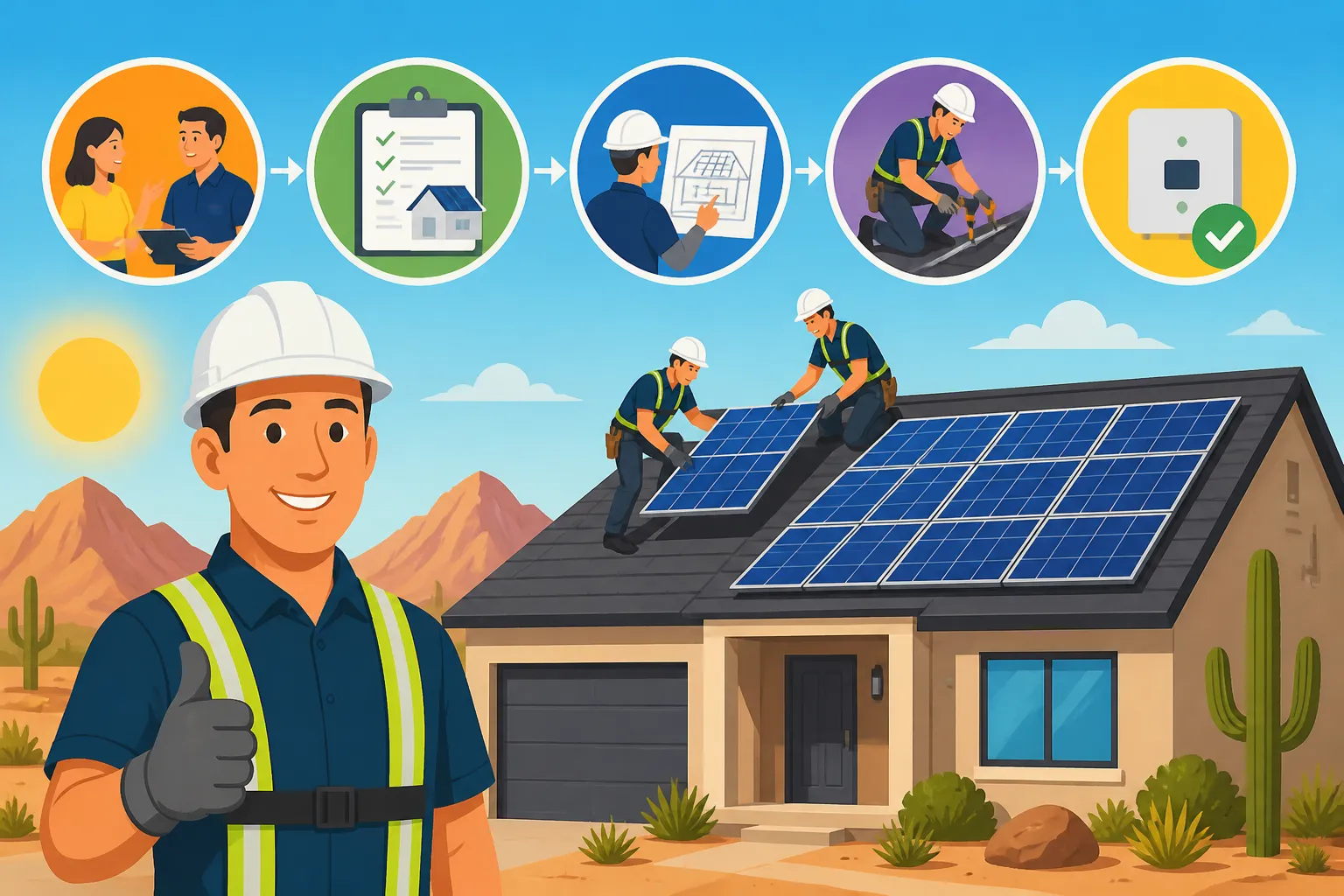
With all permits in hand, the installation crew can begin their work. Typically, a residential solar installation can take anywhere from one to three days, though this can vary depending on the system's size and complexity, as well as weather conditions. The first step involves installing the racking system, which are the rails that the solar panels will mount onto. These rails are securely attached to your roof's rafters, ensuring the entire array can withstand strong winds and other environmental stressors common in Nevada. Installers are meticulous about sealing any penetrations to prevent leaks, a common concern for homeowners worried about their roof's integrity. For more on this, check out Roof Considerations for Solar Panels.
Once the racking is in place, the solar panels themselves are carefully lifted onto the roof and bolted into position. This is a delicate process, as panels can be heavy and fragile. Each panel is then wired together, connecting to either micro-inverters mounted directly under each panel or to a central string inverter, usually located near your main electrical panel. The choice of inverter technology plays a significant role in how your system performs, especially if your roof has shaded areas. The wiring is then routed to your electrical panel, often involving an upgrade to ensure it can safely handle the new power flow.
Finally, the system is connected to a new solar meter, typically installed by NV Energy. This meter is crucial for tracking the electricity your panels produce and consume, especially if you're participating in net metering. The entire process, from preparing the site to final electrical connections, is conducted by licensed electricians and experienced solar technicians, adhering strictly to safety protocols and local electrical codes. The Solar Installation Timeline: What to Expect can give you a better idea of how these steps fit into the overall project duration.
Inspections and the All-Important Permission to Operate (PTO)
Even after the physical installation is complete and everything appears to be in place, your solar system isn't quite ready to generate power for your home or send electricity back to the grid. There are two crucial final steps: inspections and obtaining Permission to Operate (PTO). This waiting period can be agonizing for eager homeowners, but these checks are vital for safety and compliance.
First, your local building department will conduct a final inspection. This inspector will meticulously review the installation to ensure it aligns with the approved plans and meets all local building, electrical, and fire codes. They'll check the structural integrity of the mounts, the quality of the electrical connections, the proper labeling of components, and the presence of necessary safety features like rapid shutdown devices. Any deficiencies found will need to be corrected by the installer before the inspection can be passed. This phase often involves a bit of back-and-forth, but your installer should handle all corrections and re-inspections.
Once the local building inspection passes, your utility company – NV Energy, in most of Nevada – will perform its own final inspection. This utility inspection primarily focuses on the interconnection point: ensuring the solar system is safely and correctly tied into their grid, that the meter is installed properly, and that all necessary safety disconnects are in place. They verify that the system won't pose a risk to their grid or their linemen. After this utility inspection is successfully completed, NV Energy will issue the coveted Permission to Operate (PTO). This is the official green light that allows your system to be turned on and start generating electricity. For a deeper dive into this final crucial step, read more about What Is Permission to Operate (PTO)?.
Only after PTO is granted can your system be energized. Prior to this, turning on your solar panels can lead to fines, safety hazards, and even denial of interconnection. The wait between physical installation and receiving PTO can vary significantly, sometimes taking a few days, other times several weeks, depending on the municipality and utility's current workload. If you're ever feeling lost in the process or just need a good starting point, remember that resources like Modernize are designed to simplify these connections and guide you through.
Life After Installation: Monitoring, Maintenance, and Maximizing Savings
Getting your solar system up and running is a huge milestone, but the journey doesn't end there. Understanding how to monitor your system, maintain it properly, and leverage all available resources ensures you maximize your investment and enjoy clean energy for decades to come.
Getting the Most Out of Your Solar System
Once your solar panels are officially operating, you'll want to keep a close eye on their performance. Most modern solar systems come with a monitoring system, often accessible via a smartphone app or a web portal. This technology allows you to track your real-time electricity production, daily, monthly, and annual generation, and even your energy consumption. It’s incredibly satisfying to see how much power your home is generating and how little you're drawing from the grid. This data is also invaluable for quickly identifying any potential issues, such as a drop in production from a specific panel, which could indicate a shading problem or a technical fault. For more insights into how to track your system's output and what to expect, refer to What Happens After Solar Is Installed?.
To truly maximize your savings, it's wise to adjust your energy consumption habits based on your solar production. If you have net metering, running energy-intensive appliances like your washing machine, dishwasher, or EV charger during peak sunlight hours (when your panels are producing the most electricity) allows you to use your own generated power directly. This reduces the amount of electricity you need to pull from the grid, lowering your utility bill even further. If you generate more electricity than you consume, that excess power is sent back to the grid, and with Nevada's net metering policies, you'll receive credits on your bill, further offsetting costs.
Beyond day-to-day monitoring, it's also a good practice to occasionally compare your system's actual performance against its estimated production. Factors like extreme weather, prolonged shading, or even dust accumulation can affect output. If you notice a significant, unexplained discrepancy, it might be time to contact your installer for a check-up. Modernize emphasizes the importance of understanding all aspects of your solar agreement, including production guarantees and how to address performance issues.
Ongoing Care and Warranty Protections
One of the great advantages of solar panels is how little maintenance they generally require. Unlike a car or a traditional HVAC system, there are no moving parts that need regular oiling or replacement. However, "low maintenance" doesn't mean "no maintenance." The primary concern for most homeowners is keeping the panels clean. In Nevada, dust and dirt, especially during windy seasons or from nearby construction, can accumulate on your panels and reduce their efficiency. While rain can help wash them, a gentle rinse with a hose a couple of times a year (when the panels are cool, typically in the morning or evening) can make a noticeable difference in production. Avoid harsh chemicals or abrasive brushes that could damage the panel surface. For comprehensive advice on keeping your system sparkling, consult Solar Panel Maintenance & Cleaning.
Beyond cleaning, it’s also important to be aware of the robust warranties that come with most solar installations. These typically fall into three categories:
- Product Warranty (or Equipment Warranty): This covers the physical solar panels themselves against manufacturing defects, material flaws, and environmental damage. High-quality panels often come with a 10-12 year product warranty, though some premium brands offer 25 years.
- Performance Warranty: This guarantees that your solar panels will produce a certain percentage of their rated power output over time. For example, a common performance warranty might ensure that panels will still produce 90% of their original capacity after 10 years and 80-85% after 25 years. This accounts for the natural degradation of solar cells over their lifespan.
- Workmanship Warranty (or Installation Warranty): This covers the installation itself, guaranteeing that the system was installed correctly and free from defects in labor. This typically ranges from 10 to 25 years, covering issues like roof leaks due to faulty mounting or electrical wiring problems.
Always understand the specifics of your warranties before signing any contract. Knowing what's covered and for how long provides crucial peace of mind and protects your investment for the long haul. Ultimately, when you consider the long-term energy savings and environmental benefits, many homeowners find themselves asking, Are Solar Panels Worth It in Nevada? The answer, for a significant number, is a resounding yes.
| Solar Installation Stage | Key Activities | Common Duration (Approx.) | Who Handles It |
|---|---|---|---|
| Site Assessment | Energy audit, roof inspection, shading analysis | 1-2 weeks | Solar installer |
| System Design | Panel layout, inverter choice, electrical schematics | 1-3 weeks | Solar installer (engineering team) |
| Permitting | Local building permits, utility interconnection approval | 4-12 weeks (highly variable) | Solar installer (on your behalf) |
| Procurement | Ordering panels, inverters, racking | 2-6 weeks | Solar installer |
| Physical Installation | Racking, panels, wiring, inverter setup | 1-5 days | Solar installer (crew) |
| Inspections | Local building inspection, utility inspection | 2-6 weeks | Local authority, utility company |
| Permission to Operate | Utility approval to energize system | 1-2 weeks after utility inspection | Utility company (NV Energy) |
| System Activation | Flipping the switch, monitoring setup | Same day as PTO | Solar installer or homeowner (with guidance) |
Disclaimer
The information provided in this guide is intended for general informational purposes only and does not constitute professional advice. Solar policies, incentives, and regulations can change frequently. Always consult with certified solar professionals, local authorities, and your utility provider for the most accurate and up-to-date information pertaining to your specific location and circumstances in Nevada.