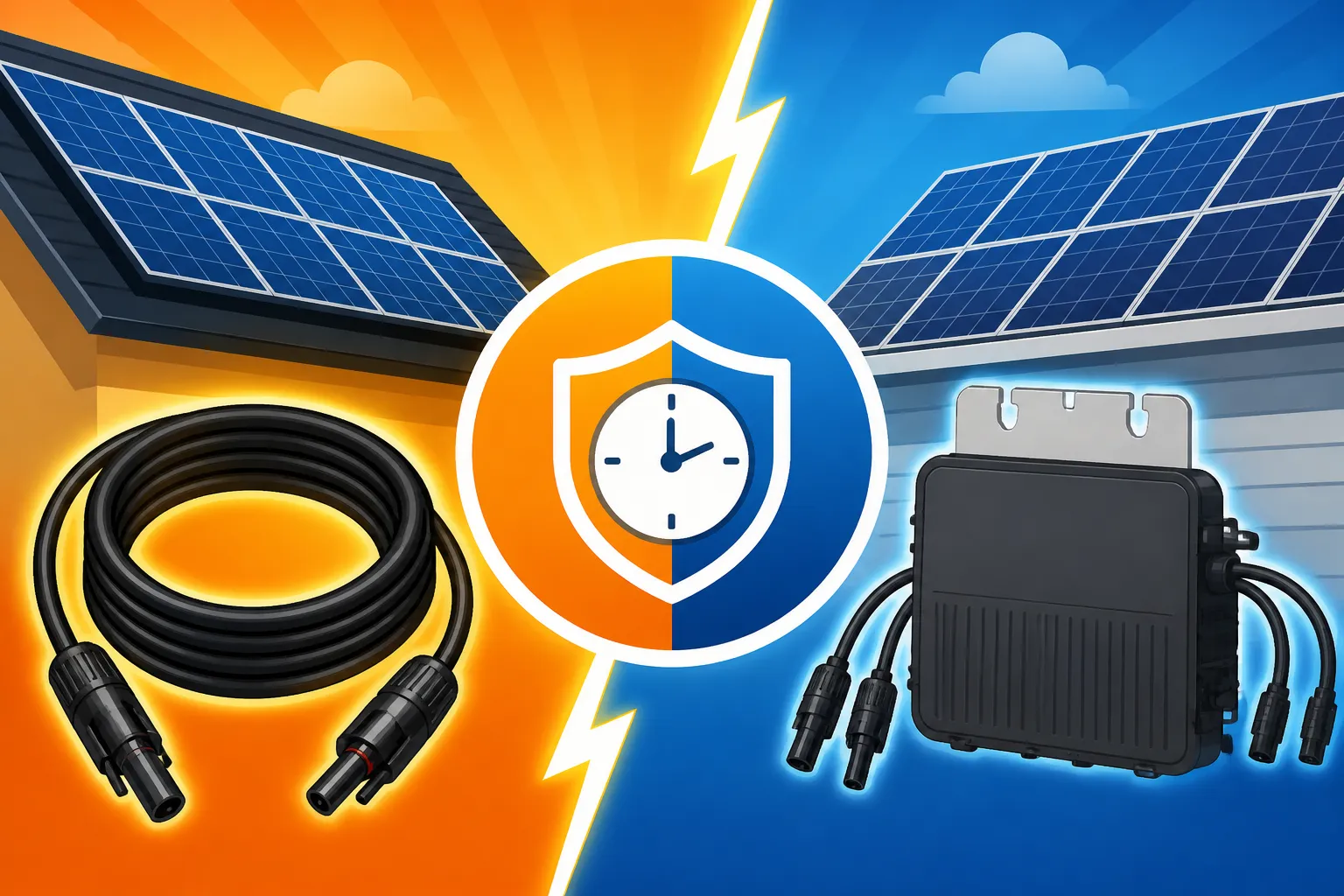
Which Lasts Longer: String or Microinverters?
It’s a common question that keeps many homeowners up at night when considering solar: how long will my solar inverter actually last? You’re pouring a significant investment into your home, and naturally, you want to know that the essential components will stand the test of time, delivering consistent power and savings for years to come. The inverter is often called the "brain" or "heart" of your solar system, and its longevity directly impacts your system's overall performance and return on investment. This guide will walk you through the expected lifespans of both string inverters and microinverters, delve into what affects their durability, and help you understand which option might be better for your long-term energy goals.
The Lifespan Quandary: Why Inverter Longevity Matters
When you decide to go solar, you're not just buying panels; you're investing in a sophisticated energy ecosystem for your home. Every component plays a vital role, but the inverter is particularly crucial. It's the unsung hero that takes the direct current (DC) electricity generated by your solar panels and converts it into the alternating current (AC) power that your home appliances use and that can be fed back into the utility grid. If your inverter fails, your entire solar production grinds to a halt.
The Long-Term Investment Perspective
Think about your solar array as a 25-year-plus commitment. Your solar panels themselves are incredibly durable, often warranted for 25 years or even longer, maintaining a high percentage of their original output. But what good are high-performing panels if the component that makes their electricity usable has a much shorter lifespan? This discrepancy is why inverter longevity becomes such a significant factor in your overall return on investment. If you have to replace an expensive inverter multiple times over the life of your panels, it eats into your savings and complicates your financial projections. Understanding the expected life of this critical piece of equipment is paramount to feeling secure in your solar journey. For a deeper dive into the overall value, check out whether solar is worth it in 2026.
Impact on System Performance and Savings
A healthy inverter means consistent power production and maximum savings on your electricity bills. When an inverter starts to degrade or fails outright, your system's efficiency plummets, or it stops producing power entirely. This means you're still drawing power from the utility company, losing out on the financial benefits of your solar investment. The goal is to maximize the time your system is actively generating power, and a long-lasting, reliable inverter is essential for achieving that. Imagine a scenario where your system is supposed to be offsetting 100% of your bill, but a failing inverter means you’re only offsetting 50% for several weeks while you wait for a replacement. That unexpected expense and reduced savings can be a real headache.
Delving into String Inverters: Expected Life and Realities
String inverters are the traditional workhorses of the solar world. They've been around for a long time and have a proven track record, but like any technology, they have their limitations, especially concerning lifespan compared to newer alternatives.
How String Inverters Work and Their Typical Lifespan
A string inverter operates by connecting multiple solar panels in a "string" (or series) to a central inverter unit. This single unit then converts all the DC power from that string of panels into AC power. For larger systems, you might have several strings feeding into one or more string inverters. Because they are centralized and handle a large electrical load, they often contain more complex internal components, like electrolytic capacitors, cooling fans, and other power electronics, that are subject to wear and tear.
The typical lifespan of a string inverter generally falls within 10 to 15 years. While some might last a bit longer, pushing towards 18-20 years with ideal conditions and meticulous maintenance, it's safer to budget for a replacement within that 10-15 year window. This means that over the 25-30 year lifespan of your solar panels, you will likely need to replace your string inverter at least once, possibly twice. For more general information on how these different components work, read our guide on Solar Inverters: String vs Microinverter vs Optimizer.
Common Reasons for String Inverter Failure
Several factors contribute to the eventual demise of a string inverter:
- Heat: These units generate a good deal of heat during operation, and excessive ambient temperatures or poor ventilation can accelerate the degradation of internal components. This is why proper installation in a cool, well-ventilated area (like a garage or shaded side of the house) is crucial.
- Capacitor Degradation: Electrolytic capacitors are often the first components to fail in a string inverter. They degrade over time, especially with heat cycling, and their failure can lead to reduced performance or complete system shutdown.
- Fan Failure: Many string inverters rely on internal cooling fans to dissipate heat. If these fans collect dust or simply wear out, the inverter can overheat and fail.
- Voltage Stress: Constant fluctuations in voltage from the grid or the solar array can stress the inverter's power electronics, leading to premature failure.
- Environmental Exposure: Even if installed in a garage, dust, humidity, or even small critters can impact the internal workings of the inverter over time.
The Replacement Process and Cost
When a string inverter fails, the good news is that the diagnosis is usually straightforward: your entire system stops producing power. The bad news is that you're left without solar until it's replaced. The replacement process involves removing the old unit and installing a new one, which typically requires a professional electrician or solar technician. The cost of a replacement string inverter can range from $1,500 to $4,000, plus labor, depending on the brand, size, and complexity of the unit. This unplanned expense is a significant consideration when evaluating the long-term value of your solar system.
Exploring Microinverters: Durability in a Distributed System
Microinverters represent a more modern approach to solar power conversion, and their design inherently offers different longevity characteristics compared to string inverters. They've become increasingly popular for good reason, especially concerning individual panel optimization and system resilience.
Microinverter Functionality and Expected Longevity
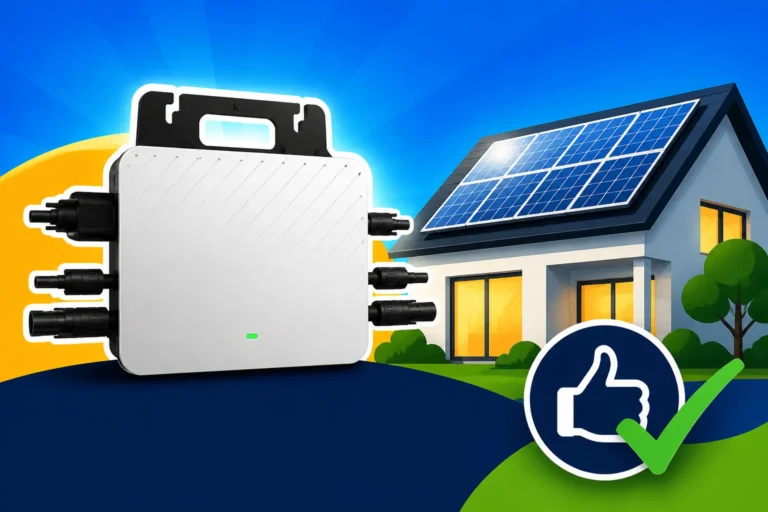
Instead of a single central inverter, microinverters are small, individual inverters installed directly beneath each solar panel. This means that each panel converts its DC power to AC power independently. This decentralized approach has profound implications for durability. Because each microinverter only handles the output of one panel, it processes a much lower electrical load and generates less heat than a large string inverter. Furthermore, they are often designed with more robust, solid-state components that are less prone to degradation from heat and cycling.
The expected lifespan for microinverters is typically much longer than string inverters, often ranging from 20 to 25 years or more. This longer lifespan aligns much more closely with the operational life of the solar panels themselves, meaning you're far less likely to need a full replacement during your system's lifetime. Popular brands like Enphase, for example, often offer comprehensive warranties that reflect this extended durability. For a direct comparison, you might want to read our article on Enphase vs SolarEdge: Which Inverter Is Better?.
Advantages of Distributed Architecture for Durability
The distributed nature of microinverters offers several key durability advantages:
- Reduced Heat Stress: Handling less power per unit means less heat generated, which is a primary enemy of electronic components. Most microinverters are also designed to withstand direct outdoor exposure, often located directly under the panels on the roof where they are engineered to cope with varying temperatures.
- No Single Point of Failure: If one microinverter fails, only that single panel's production is affected, not your entire system. This means your home still benefits from the power generated by all the other working panels. With a string inverter, a single failure can shut down your whole array.
- Robust Componentry: Manufacturers typically use higher-grade, more resilient components in microinverters due to their individual exposure to the elements and the long lifespan expectation.
- Easier Diagnostics: Most microinverter systems come with advanced monitoring software that allows you to see the performance of each individual panel. This makes it incredibly easy to pinpoint a failing microinverter, rather than troubleshooting an entire string.
What Happens When a Microinverter Fails
Should a microinverter fail, the impact on your system is minimal. You'll simply see a dip in production from one specific panel, while the rest of your array continues to operate normally. This partial loss of production is far less disruptive than a complete system shutdown. Replacement is also typically simpler: the faulty unit is identified via monitoring software, and a technician can usually swap it out quickly without affecting the rest of the array. The cost for a single microinverter replacement is usually lower than a full string inverter replacement, often in the range of $200-$400 for the unit plus labor, depending on the model and accessibility.
Key Factors That Influence Inverter Lifespan
While string inverters and microinverters have inherent differences in design and expected longevity, several universal factors can significantly influence how long any inverter will truly last. Ignoring these can shorten the life of even the most robust system.
Environmental Conditions and Their Wear and Tear
The environment where your inverter operates plays a huge role. Heat, humidity, and even dust can accelerate degradation.
- Temperature Extremes: All electronic components are sensitive to extreme temperatures. High heat is particularly detrimental, as it can cause internal components like capacitors and semiconductors to break down faster. Conversely, extreme cold can also stress materials, leading to cracking or reduced efficiency. Inverters typically have operating temperature ranges, and consistently exceeding those can shorten their life. For this reason, installing string inverters in a shaded, well-ventilated area like a garage or basement is ideal. Microinverters are designed to withstand the heat of being on the roof, but prolonged exposure to triple-digit temperatures year after year can still take a toll.
- Humidity and Moisture: High humidity, especially when combined with temperature fluctuations, can lead to condensation inside electronic enclosures. This moisture can cause corrosion, short circuits, and material degradation over time. Coastal regions or areas with heavy rainfall and high humidity can be tougher on inverters.
- Dust and Debris: For string inverters with cooling fans, dust and debris can clog vents and fans, reducing cooling efficiency and leading to overheating. While microinverters are sealed, heavy dust accumulation on their casings can still impede heat dissipation.
Quality of Installation and Manufacturing
You can have the best inverter on the market, but a poor installation can dramatically cut short its life.
- Proper Ventilation: For string inverters, ensuring adequate airflow around the unit is non-negotiable. If an installer places it in a cramped, unventilated space, it will consistently run hot and fail prematurely.
- Correct Wiring and Connections: Loose or improperly terminated wiring can lead to resistance, hot spots, and electrical stress on the inverter. High-quality connections ensure smooth power flow and prevent unnecessary strain.
- Manufacturing Quality: Not all inverters are created equal. Reputable brands invest in higher-grade components, more rigorous testing, and better thermal management designs. Opting for a low-cost, unproven brand might save you money upfront, but it could cost you significantly more in replacements down the line. It's often worth paying a bit more for a known, reliable manufacturer with a strong warranty and customer service. You can sometimes find detailed reviews and comparisons on well-known platforms or tech sites, much like you'd research electronics on Amazon. For guidance on choosing the right professional, see How to Choose a Solar Installer.
The Role of Monitoring and Maintenance
Even with the best equipment and installation, a little ongoing attention can go a long way in maximizing your inverter's lifespan.
- Regular Monitoring: Most modern solar systems come with monitoring apps that allow you to track your system's performance in real time. Pay attention to any dips in production or error messages. Catching issues early, like a single underperforming microinverter or a slight drop in output from a string inverter, can prevent larger, more costly failures.
- Keeping it Clean: For string inverters, periodically clearing dust and debris from vents and around the unit helps maintain proper airflow. While microinverters are sealed, ensuring your solar panels themselves are clean can help with overall system efficiency and reduce potential stress on individual units. Learn more about ongoing care in our guide to Solar Panel Maintenance & Cleaning.
- Professional Check-ups: While not always strictly necessary annually, having a qualified solar technician perform a system check every few years can help identify potential issues, tighten connections, and ensure all components are operating optimally.
Which One Wins? Comparing Actual Lifespans and Warranties
When it comes down to it, the numbers speak volumes. While both string inverters and microinverters perform the essential task of converting DC to AC, their typical lifespans and the confidence manufacturers place in them (as reflected in warranties) are quite different.
A Direct Comparison of Lifespan Expectations
Here’s a snapshot of what you can generally expect:
| Inverter Type | Typical Lifespan | Typical Warranty | Failure Impact | Replacement Frequency | Best Use Case |
|---|---|---|---|---|---|
| String Inverter | 10-15 years | 10-12 years | Whole system outage | 1-2 times over 25 years | Simple roofs, minimal shading, budget-conscious |
| Microinverter | 20-25+ years | 20-25 years | Individual panel outage | Rarely, if ever, over 25 years | Complex roofs, significant shading, long-term reliability focus |
As you can see, microinverters tend to have a significantly longer expected life, often matching or exceeding the lifespan of the solar panels themselves. This means less hassle and potentially lower replacement costs over the system's entire operational period.
Understanding Inverter Warranties
Warranties are your safety net and a strong indicator of a manufacturer's confidence in their product.
- String Inverter Warranties: Most string inverters come with a standard 10-year warranty. Some premium brands might offer 12 years, and you might be able to purchase an extended warranty up to 20 years. However, these extended warranties often come at an additional cost. When comparing quotes, always check what's covered in the standard warranty, especially for parts and labor. The Solar Panel Warranties Explained article offers more detail on what to look for.
- Microinverter Warranties: This is where microinverters really shine. It's standard for microinverters to come with a 20-year or 25-year warranty, which often covers both parts and labor. This extensive coverage offers tremendous peace of mind, knowing that if a unit fails well into your system's life, you're protected. Brands like Enphase Energy are well-known for their robust microinverter products and comprehensive warranties.
The warranty period is a critical component of your financial planning. A longer warranty on a microinverter system means fewer unexpected out-of-pocket expenses for replacement parts or labor over the decades your solar panels are active.
Real-World Performance and Longevity Data
Anecdotal evidence and industry reports generally support the idea that microinverters tend to outlast string inverters. While string inverters from leading brands like SolarEdge (who use optimizers with a central inverter) or SMA have improved significantly in reliability over the years, the inherent design of microinverters, with less heat stress and modularity, gives them a distinct advantage in the longevity race.
Homeowners with microinverter systems often report experiencing fewer full system downtimes and appreciate the granular monitoring that helps them quickly identify and address any single panel issues. On the other hand, those with string inverters, particularly older models, have often faced the reality of needing a replacement somewhere around the 10-12 year mark, sometimes an unexpected cost they hadn't fully factored in.
Making the Smart Choice for Your Solar System
Choosing between a string inverter and microinverters isn't just about lifespan; it's about finding the best fit for your home, your budget, and your long-term energy goals. Each technology has its strengths, and what works best for your neighbor in Sacramento might not be the ideal solution for your home in San Diego.
Assessing Your Home's Specific Needs
Before making a decision, take a good look at your property and energy usage:
- Roof Characteristics: Do you have a simple, unshaded roof that faces south? A string inverter system might work perfectly fine, as all panels will receive similar sunlight. However, if your roof has multiple facets, varying angles, or significant shading from trees or other structures, microinverters are often the superior choice. Because each panel operates independently, shade on one panel won't drag down the performance of the entire string, a common issue with string inverter systems. This is why discussing your specific roof profile with an installer is crucial, as highlighted in our guide on Microinverter vs String Inverter: Pros and Cons.
- Shading Issues: If you have even partial shading at certain times of the day, microinverters will generally offer better overall production. String inverters can experience a "bottleneck" effect where the least performing panel in a string dictates the output of the entire string.
- Budget: Generally, a microinverter system tends to have a higher upfront cost per watt than a string inverter system. This is due to the increased number of inverter units. However, when you factor in potential replacement costs and longer warranties, the lifetime cost can become much more competitive. It's important to get multiple quotes and compare the total cost of ownership over 20-25 years, not just the initial price tag. Don't forget to ask about options for Solar Plus Battery Cost if you're considering energy storage.
- Monitoring Preferences: If you're someone who likes detailed data and wants to see how each individual panel is performing, microinverters offer that level of granularity. String inverters provide overall system performance, but typically not panel-level insights.
Considering Long-Term Value and Peace of Mind
Think beyond the initial installation. Your solar system is a long-term asset.
- Replacement Costs: As we’ve discussed, a string inverter will likely need to be replaced at least once, representing a significant unplanned expense down the road. With microinverters, the probability of needing a full system inverter replacement is much lower, thanks to their extended lifespan and generous warranties. This translates to more predictable long-term costs.
- System Resilience: The distributed nature of microinverters means your system is more resilient to individual component failures. A single microinverter failure is an inconvenience; a string inverter failure is a total shutdown. For homeowners who prioritize uninterrupted power and minimal disruption, microinverters offer superior peace of mind.
- Future-Proofing: As solar technology continues to evolve, the modularity of microinverters can make it easier to expand your system or upgrade individual panels in the future without overhauling your entire inverter setup.
Consulting with Reputable Solar Professionals
The best way to determine which inverter type is right for you is to consult with several experienced and reputable solar installers. They can assess your specific roof, energy needs, and shading challenges, and provide tailored recommendations. Don't hesitate to ask detailed questions about:
- The specific brands and models of inverters they recommend (e.g., SolarEdge, Enphase, SMA).
- Their experience with both string and microinverter installations in your area.
- The warranty terms for the proposed inverters, including parts and labor.
- Estimated lifespan and expected replacement scenarios for each option.
By getting multiple quotes and understanding the pros and cons of each, you can make an informed decision that ensures your solar system is both efficient and durable for decades to come. Don't be afraid to compare different offers and read reviews to ensure you're working with a company you trust.
Disclaimer
Please remember that this article provides general information and recommendations. The solar industry and its regulations are constantly evolving. Always consult with certified solar professionals and financial advisors to get personalized advice tailored to your specific situation, location, and local policies.