Hoymiles Inverter Review
It's completely normal to feel a bit lost when you first start looking into home solar. There's so much jargon, so many different components, and frankly, it can all feel like a foreign language. One of the biggest pieces of the puzzle, and often one of the most confusing, is the inverter – essentially the brain of your solar system. Choosing the right one is crucial for your system's efficiency and longevity. This comprehensive guide will pull back the curtain on Hoymiles microinverters, exploring their technology, real-world benefits, and helping you decide if they're the perfect match for your solar aspirations.
Understanding Hoymiles Inverters and Their Role in Solar
When you're diving into solar, you quickly learn that solar panels produce direct current (DC) electricity, which isn't what your home appliances use. Your home runs on alternating current (AC) electricity. This is where the inverter comes in: it converts that DC power from your panels into usable AC power for your home. But not all inverters are created equal, and Hoymiles specializes in a specific type known as microinverters.
What Makes a Microinverter Different?
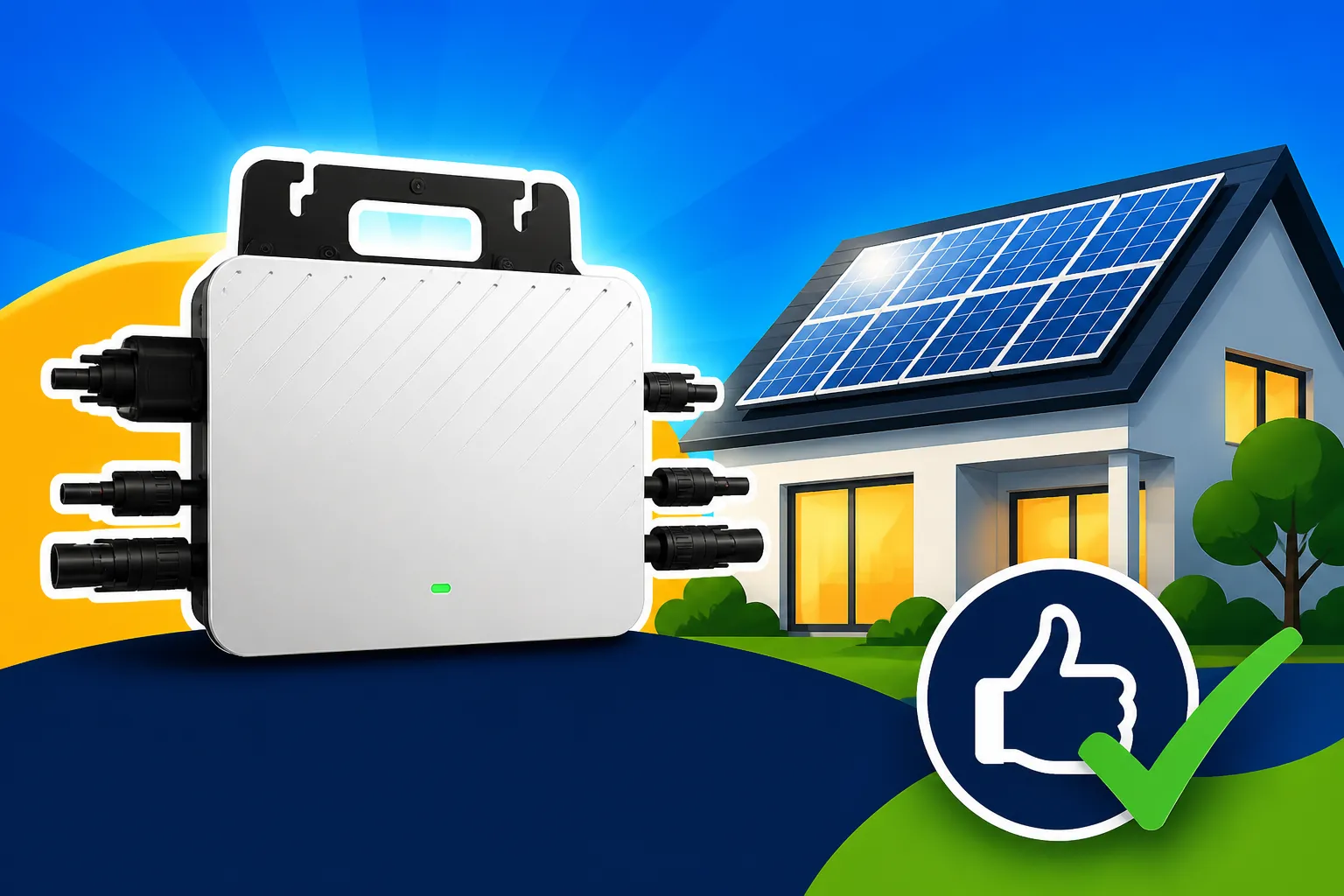
Unlike traditional "string inverters," which connect all your solar panels in a series like Christmas lights, microinverters take a different approach. With microinverters, each individual solar panel has its own small inverter attached directly to it, typically mounted on the racking beneath the panel itself. This means that the DC power conversion happens right at the panel level, before the electricity even leaves your roof.
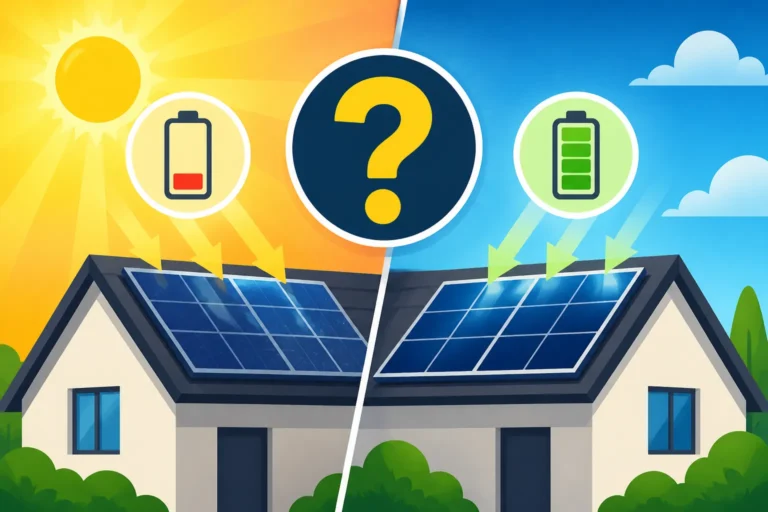
Imagine a traditional string inverter system where one panel gets shaded by a tree branch or covered in a bit of dust. Because all panels are linked in a series, that single underperforming panel can drag down the output of every other panel in its string. It's like a weak link in a chain. This can be incredibly frustrating when you've invested in a system designed to maximize your energy production. Hoymiles microinverters, however, bypass this problem entirely. Since each panel operates independently, if one panel is shaded or dirty, it only affects that specific panel's output, leaving the rest of your system to perform at its peak. This fundamental difference is a game-changer for many homeowners, especially those with complex rooflines or potential shading issues throughout the day.
Hoymiles' Commitment to Innovation
Hoymiles has emerged as a significant player in the microinverter market, often competing with established names like Enphase and SolarEdge. They've focused on developing robust, efficient, and user-friendly microinverter solutions. Their technology is designed not just for large, commercial installations but also specifically tailored for residential use, making solar more accessible and efficient for homeowners. They're recognized for their efforts in making solar systems more resilient and easier to manage, which is a huge relief for anyone trying to navigate the complexities of going solar.
Key Features and Advanced Technology of Hoymiles Microinverters
Once you understand the basic concept, it's worth diving into the nitty-gritty of what makes Hoymiles microinverters tick. They pack a lot of smart technology into those small boxes you'll find under each panel, all designed to make your solar system work better for you.
Individual Panel Optimization and Redundancy
The modular design is perhaps the most compelling feature. Each Hoymiles microinverter is paired with a single solar panel, or in some cases, a small group of panels (often two or four). This means that each panel operates at its absolute maximum potential, regardless of what the adjacent panels are doing. This concept, known as Maximum Power Point Tracking (MPPT) at the individual panel level, is crucial. If you've got panels facing slightly different directions, or if parts of your roof get morning shade while others get afternoon shade, Hoymiles microinverters ensure every panel is doing its best.
Think of it this way: if you have a string inverter and one of your 15 panels fails, your entire system could potentially go offline or significantly reduce its output. With Hoymiles, if one microinverter has an issue, only that one panel's production is affected. The other 14 panels continue humming along, generating power as usual. This built-in redundancy provides a huge sense of security, ensuring your investment keeps delivering even if a minor component needs attention. It also simplifies troubleshooting – your installer can pinpoint the exact problem panel, rather than having to diagnose an issue that could be anywhere in a long string.
High Efficiency and Robust Performance
Hoymiles microinverters are engineered for high efficiency, typically boasting peak efficiencies in the high 90s. This means a very small percentage of the DC power produced by your panels is lost during the conversion to AC. Modern Hoymiles units often feature advanced topologies and components that contribute to this high efficiency, ensuring you get the most out of every ray of sunshine.
Furthermore, these microinverters are built to withstand the elements. Designed for outdoor use, they're typically encased in durable, weather-resistant materials to protect against rain, dust, and temperature fluctuations. This robust construction is essential for components that live on your roof, exposed to harsh conditions day in and day out. Their wide operating voltage range also allows them to start generating power earlier in the morning and continue later in the evening, extending your daily energy harvest.
Comprehensive Monitoring and Control
One of the often-underestimated benefits of microinverter systems is the granular monitoring capabilities they offer. Hoymiles provides monitoring solutions, like their S-Miles Cloud platform, which allows you to track the performance of each individual solar panel in real-time. This is incredibly empowering for homeowners. You can log in from your phone or computer and see exactly how much power each panel is producing at any given moment.
This level of detail is fantastic for several reasons. Firstly, it gives you peace of mind that your system is performing as it should. Secondly, if there's ever an issue – say, a panel is being persistently shaded or has an unexpected dip in production – you'll know about it immediately. This allows for quick diagnosis and resolution, preventing prolonged energy losses. Many installers love this feature because it streamlines service calls, often allowing them to troubleshoot remotely before even sending a technician to your home. You might even find spare parts or additional monitoring accessories readily available on platforms like Amazon, should you ever need them for minor adjustments or upgrades. If you're comparing your options, exploring a deeper dive into topics like Enphase vs SolarEdge: Which Inverter Is Better? can give you even more context on monitoring features.
Flexible and Scalable Installation
The design of Hoymiles microinverters lends itself to incredible installation flexibility. Since each panel (or small group) has its own inverter, there's no need to worry about complex string sizing or matching panel wattages perfectly across an entire array. This makes them ideal for roofs with varying orientations, pitches, or small, irregular sections that might not accommodate a full string of panels. You can fit panels where they make the most sense, and the microinverters will optimize each one.
This modularity also means that your system is easily expandable. If your energy needs grow in the future—maybe you add an EV or a new appliance—you can simply add more solar panels and corresponding Hoymiles microinverters without overhauling your entire existing setup. This makes future-proofing your home solar a breeze. When considering how much solar you need, remember to account for potential future growth. You might want to check out resources like How Many Solar Panels Do I Need? or Solar Panel Wattage Guide (400W, 450W & More) to plan effectively.
The Advantages and Disadvantages of Hoymiles Microinverters
Like any technology, Hoymiles microinverters come with their own set of pros and cons. It's all about finding the right balance for your specific needs and priorities. It’s important to understand these trade-offs before committing to any inverter technology, and it’s a great idea to read up on general Microinverter vs String Inverter: Pros and Cons to see how they stack up.
Significant Benefits for Homeowners
Choosing Hoymiles microinverters can bring a host of advantages that directly impact your solar experience and long-term savings.
Maximized Energy Harvest and Performance
This is often the number one reason homeowners opt for microinverters. Because each panel is optimized individually, your system will consistently produce more electricity over its lifetime, especially if you have any degree of shading from trees, chimneys, or neighboring buildings. Even minor differences in panel degradation or manufacturing tolerances can be compensated for. This translates directly into greater energy independence and lower electricity bills. When you look at your potential savings, maximizing every watt is key.
Enhanced Safety Features
Safety is paramount when installing anything on your home, especially electrical components. Microinverters significantly enhance solar system safety. Traditional string inverter systems route high-voltage DC current (often 600-1000 volts) across your roof and into your home before it's converted to AC. In contrast, Hoymiles microinverters convert DC to low-voltage AC right at the panel. This eliminates the need for high-voltage DC wiring to traverse your roof or enter your attic, dramatically reducing potential fire hazards and making the system safer for installers, firefighters, and, of course, your family.
Impressive Durability and Warranty
Hoymiles microinverters are designed for longevity, typically backed by substantial warranties, often 25 years, matching the lifespan of many premium solar panels. This extended warranty covers the product itself, giving you peace of mind that your investment is protected for decades. Their robust construction, as mentioned earlier, is a testament to their expected lifespan. You'll find many reputable solar installers offering Hoymiles products as part of their comprehensive packages, assuring you of quality and support.
Future-Proofing and Scalability
Life changes, and so might your energy needs. As previously discussed, the modular nature of Hoymiles microinverters makes them incredibly easy to expand. If you decide to add an electric vehicle, expand your home, or simply want to increase your energy independence, you can simply add more panels and microinverters without redesigning your entire system. This flexibility provides excellent long-term value and avoids costly overhauls down the line. If you're curious about the overall Solar Panel Efficiency & Degradation Explained, it helps understand how these systems maintain performance over time.
Potential Drawbacks to Consider
While the advantages are compelling, it's equally important to be aware of the potential downsides of Hoymiles microinverters.
Higher Upfront Costs
Generally speaking, a solar system equipped with microinverters will have a higher upfront cost per watt compared to a system using a single string inverter. This is because you're essentially buying many small inverters instead of one larger one. While the long-term benefits in terms of energy harvest and reliability can often outweigh this initial cost, it's a significant factor for budget-conscious homeowners. When you're researching How Much Do Solar Panels Cost? 2026 Guide or even trying to figure out the Solar Panel Cost Per Watt Explained, remember to factor in the inverter type.
More Electronics on the Roof
The beauty of microinverters – having one under each panel – also means you have more electronic components exposed to the elements on your roof. While Hoymiles microinverters are designed to be durable and weather-resistant, more components inherently mean more potential points of failure than a single, centrally located string inverter. However, the modular design often mitigates the impact of such a failure, as it typically only affects one panel's output, not the entire system. And with warranties often stretching to 25 years, the risk is certainly managed.
Servicing Can Be More Involved (for failures)
If a microinverter does fail, it means a technician will need to access that specific unit on the roof, often requiring the removal of the affected solar panel. This can be a more involved process than simply replacing a single string inverter mounted on a wall in your garage or basement. That said, with advanced monitoring, diagnosing the exact faulty unit is much easier, and the reliability of modern microinverters means these instances are relatively rare. For those considering DIY options, be aware of the complexities; it's a good idea to look into DIY Solar Panels: Is It Worth It? before making a decision.
Is Hoymiles the Right Inverter for Your Home Solar System?
Deciding on the right inverter for your solar system is a big choice, and it really comes down to your specific home, energy needs, and priorities. Hoymiles microinverters are an excellent solution for many, but not necessarily for everyone. Let's break down where they truly shine and when you might consider alternatives.
Scenarios Where Hoymiles Microinverters Excel
If any of these descriptions sound like your situation, Hoymiles microinverters are definitely worth serious consideration:
- Roofs with Shading or Complex Layouts: This is perhaps the strongest case for microinverters. If your roof has sections that get shaded by trees, chimneys, dormers, or even neighboring houses at different times of the day, a Hoymiles system will drastically outperform a string inverter system. Each panel works independently, ensuring maximum power capture from every unshaded module. For instance, if you have a tricky roofline in a historic district of Savannah, Georgia, where trees are abundant, Hoymiles could be a lifesaver. You might also want to consult guides on What Affects the Cost of Solar Panels to see how roof complexity impacts pricing.
- Desire for Granular Monitoring: For homeowners who love data and want to keep a close eye on their system's performance, Hoymiles' per-panel monitoring is unbeatable. You can literally see how much power each individual panel is producing, which can be incredibly satisfying and helpful for identifying any issues early on. This level of transparency offers peace of mind.
- Plans for Future Expansion: Are you thinking about adding an electric vehicle in a few years, or perhaps expanding your home? The modularity of Hoymiles systems means you can easily add more panels and microinverters as your energy needs grow. It's a highly scalable solution that adapts with you, preventing the need for a complete system overhaul later.
- Prioritizing Safety: If reducing high-voltage DC electricity on your roof and in your home is a top priority, microinverters are the clear choice. The DC-to-AC conversion happens right at the panel, keeping high voltage away from your living spaces. This is a significant safety advantage for both your household and emergency responders.
- Homeowners in Specific Climate Zones: While solar panels perform globally, regions with frequent, patchy cloud cover can particularly benefit from microinverters. The individual optimization helps maintain consistent output even as clouds pass over parts of the array.
When to Consider Other Inverter Options
While Hoymiles microinverters are fantastic, there are situations where other inverter technologies might be a better fit:
- Very Simple, Unshaded Roofs: If you have a large, perfectly south-facing roof with absolutely no shading throughout the day, and your primary goal is the lowest possible upfront cost, a traditional string inverter might offer a slightly cheaper initial investment. However, even in these ideal scenarios, the long-term benefits of microinverters in terms of longevity, monitoring, and future flexibility still make them a strong contender.
- Extremely Tight Budgets: As mentioned, microinverters typically have a higher upfront cost. If your budget is extremely constrained and every dollar counts, you might find a string inverter system to be more accessible initially. However, always weigh this against potential long-term losses in energy production and the cost of replacing a single, central inverter if it fails. Many components, including smaller microinverter units for DIY projects, are often available through retailers like Amazon, which can sometimes help with cost comparisons.
- Systems with Very Specific Off-Grid Requirements: While Hoymiles is excellent for grid-tied and hybrid systems, highly specialized off-grid setups might sometimes lean towards certain types of charge controllers and battery-specific inverters, depending on the exact design. However, for most residential applications, including those with battery backup, Hoymiles can integrate seamlessly.
- Installers Who Prefer a Specific Brand/Technology: Sometimes, a solar installer might have a strong preference for a particular brand or type of inverter, like Enphase, due to their established expertise or supply chain. It's always a good idea to How to Choose a Solar Installer and get multiple quotes to compare the technologies they offer.
Ultimately, the decision to go with Hoymiles microinverters or another technology depends on your unique circumstances. It's about weighing the upfront cost against the long-term performance, safety, monitoring capabilities, and flexibility that each option provides. Don't be afraid to ask your potential installers detailed questions about why they recommend a particular inverter type for your specific home.
Hoymiles Microinverter Comparison Table
To give you a clearer picture, here's a brief comparison of how Hoymiles microinverters generally stack up against traditional string inverters:
| Feature | Hoymiles Microinverters | Traditional String Inverters |
|---|---|---|
| Power Conversion | Per individual panel (DC to AC) | Centralized for multiple panels (DC to AC) |
| Shading Impact | Only affects the shaded panel, others operate optimally | Can reduce the output of the entire string of panels |
| Safety on Roof | Low AC voltage on the roof | High DC voltage lines run across the roof and into home |
| Monitoring Level | Detailed, panel-by-panel performance data | System-level performance, sometimes string-level with optimizers |
| System Expandability | Very easy to add individual panels or small groups of panels | Requires adding full strings of panels, more complex |
| Redundancy | High; failure of one unit only affects that panel | Low; failure of the single inverter affects the entire system |
| Initial Cost | Generally higher per watt | Generally lower per watt |
| Warranty (typical) | Often 25 years (matching panel warranty) | Typically 10-12 years (with option to extend) |
| Best For | Shaded roofs, complex rooflines, future expansion, safety-focused | Unshaded roofs, budget-conscious, simpler installations |
Disclaimer
The information provided in this article is intended for general guidance and informational purposes only. While we strive to provide accurate and up-to-date content, solar technology, incentives, and market conditions are subject to change. It is crucial to consult with certified solar professionals for personalized advice tailored to your specific situation, local regulations, and energy needs. We do not endorse any specific brand or product over another, and any mention of brands is for contextual and illustrative purposes.