Performance-Based Incentives (PBI) Explained
Navigating the world of solar incentives can feel like deciphering a secret code, leaving many homeowners scratching their heads about how they'll actually benefit from going solar. One of the most straightforward and financially rewarding options for many is Performance-Based Incentives (PBIs), which directly compensate you for the clean energy your system generates. This guide will demystify PBIs, breaking down exactly how they work, what benefits they offer, and how you can tap into these valuable programs to maximize your solar savings.
What Exactly Are Performance-Based Incentives?
At its heart, a Performance-Based Incentive (PBI) is a solar incentive program designed to reward you based on the actual electricity your solar panel system produces. Instead of a one-time payment or a tax credit applied at the federal level, PBIs offer ongoing financial compensation that's directly tied to your system's output. Think of it as earning money for every kilowatt-hour (kWh) of clean energy your panels send to the grid or use in your home. It’s a powerful motivator to not only install solar, but to ensure it’s performing optimally year after year.
These incentives are distinct because they emphasize sustained performance. Unlike an upfront rebate, which is a lump sum paid out upon installation, PBIs continue to pay you for the lifespan of the program, which can be several years or even decades. This model aligns your financial interests with the actual environmental and energy benefits your system provides, creating a win-win scenario where the more clean energy you generate, the more you earn. It’s a commitment to long-term sustainability that offers tangible, recurring financial benefits.
How PBIs Differ from Tax Credits and Rebates
Understanding the nuances between different types of solar incentives is crucial for homeowners looking to go solar. PBIs stand apart from the more commonly known federal solar tax credit or state and utility rebates in several fundamental ways. A solar tax credit, like the one many homeowners are familiar with, typically allows you to deduct a percentage of your solar system's cost from your federal income taxes. This is a one-time reduction in your tax liability, and while incredibly valuable, it's not directly tied to how much electricity your panels produce after installation. You get the credit based on the cost, not the performance. For those wondering about the future, you might want to look into Solar Tax Credit 2026: What Happened to the Federal Credit to understand how these credits evolve.
Rebates, on the other hand, are generally upfront payments or discounts offered by state governments or local utility companies. They reduce the initial cost of your solar installation, making it more affordable from day one. Again, these are typically one-time financial boosts. You apply for the rebate, receive the payment or discount, and that's usually the end of the incentive aspect from that particular program. While these incentives are fantastic for reducing the initial financial hurdle, they don't provide an ongoing income stream tied to your system's daily, weekly, or monthly performance. PBIs, however, are all about that sustained, measurable output.
The Core Concept: Earning for What You Produce
The beauty of Performance-Based Incentives lies in their simplicity: you get paid for every unit of electricity your solar panels generate. This payment can come in various forms, but the underlying principle remains the same. Your solar system is equipped with monitoring equipment that precisely tracks its output in kilowatt-hours (kWh). This data is then reported to the program administrator, whether it's a state agency or a utility company, and you receive a payment based on a pre-determined rate per kWh.
Imagine your solar panels as a mini power plant on your roof. With a PBI, every kWh your "plant" produces is like a little cash deposit. This direct link to production means that factors like optimal panel placement, efficient equipment, and even diligent cleaning suddenly have a direct financial impact on your wallet. It encourages homeowners to not just install solar, but to maintain it well and ensure it's always working at its best capacity. It’s a constant reminder that your investment is actively working for you, producing both clean energy and tangible financial returns.
How Performance-Based Incentives Work in Practice
Delving into the practical application of PBIs reveals a structured system designed to ensure transparency and fair compensation for your solar generation. It's not just a vague promise; there are clear mechanisms in place to track, verify, and pay for the electricity your solar panels produce. Understanding these mechanisms is key to appreciating the long-term value a PBI can bring to your home solar project.
Understanding Production-Based Payments
The most common form of PBI involves direct payments based on the actual electricity output of your solar system. This is typically measured in kilowatt-hours (kWh). When your solar system is installed, it will include a meter that specifically tracks the energy generated by your panels. This is separate from your utility meter, which tracks your consumption from or export to the grid. The data from this production meter is periodically reported to the entity managing the PBI program.
For instance, if your program offers a rate of $0.05 per kWh, and your system produces 1,000 kWh in a month, you would receive a payment of $50 for that month's production. These payments are often disbursed quarterly or annually, depending on the program's structure. The duration of these payment contracts can vary widely, from 10 years to 20 years, providing a predictable income stream that helps offset your initial investment and ongoing electricity costs. This consistency is a major draw for homeowners looking for long-term financial stability from their solar investment.
The Role of SRECs and Other Certificates
One of the most prominent forms of Performance-Based Incentives comes through Solar Renewable Energy Certificates, or SRECs. An SREC is essentially a tradable commodity that represents the environmental benefits of one megawatt-hour (MWh) of electricity generated from a solar energy system. When your system generates electricity, you earn SRECs. These certificates can then be sold on a market to utility companies or other entities that need to meet state-mandated Renewable Portfolio Standards (RPS). For a deeper dive, check out SRECs Explained: Selling Solar Renewable Energy Credits.
The value of an SREC can fluctuate based on market demand, supply, and the specific RPS requirements in your state. Some states, like New Jersey and Massachusetts, have robust SREC markets, while others may not have them at all. The price you get for your SRECs adds a significant layer of financial benefit on top of the savings you already get from reduced electricity bills. It's an incentive that harnesses market dynamics to reward solar producers, turning your clean energy into a valuable asset. The topic of Solar Renewable Energy Credit Prices by State is particularly useful for those looking at specific regional markets.
Monitoring and Verification
For PBIs to work effectively, there needs to be a robust system for monitoring and verifying your solar array's performance. Most modern solar installations come equipped with sophisticated monitoring systems that track production data in real-time. These systems often connect to online portals, allowing you and the program administrator to see exactly how much electricity your panels are generating. This transparency is crucial for calculating your PBI payments accurately.
Regular reporting of this production data is a cornerstone of PBI programs. In many cases, the data is automatically collected and submitted by the solar inverter or a dedicated monitoring device. Some programs might require periodic verification or auditing of your system's performance to ensure everything is working as declared. This level of oversight provides assurance to all parties involved, ensuring that the incentive payments are based on verified, real-world energy production. It minimizes the administrative burden on homeowners while maintaining the integrity of the program.
Key Benefits of Performance-Based Incentives
Performance-Based Incentives offer a unique set of advantages that can make going solar even more appealing. Beyond the environmental benefits and reduced utility bills, these programs provide concrete financial upsides that differentiate them from other incentive types.
Direct Financial Rewards for Energy Production
Perhaps the most compelling benefit of PBIs is the direct financial reward you receive for every unit of electricity your solar panels produce. This isn't just about saving money on your utility bill by consuming less grid power; it's about actively earning income from the energy you generate. For many homeowners, this translates into a consistent, measurable revenue stream over many years.
Consider a homeowner in Massachusetts participating in the SMART Program. Not only are they reducing their monthly electricity bill by generating their own power, but they are also receiving a fixed payment rate per kWh produced for a set period, often 10 years. This dual benefit significantly improves the Solar Panel Payback Period Explained, making the initial investment even more attractive. This ongoing payment acts like a dividend for your solar investment, helping to quickly recoup costs and provide long-term financial stability.
Encouraging System Performance and Maintenance
Because your PBI payments are directly linked to your system's output, these incentives naturally encourage homeowners to ensure their solar panels are performing optimally. If your system isn't producing as much as it could be, your payments will be lower. This creates a strong incentive to address any issues promptly, from shading problems to necessary cleaning or maintenance.
For example, if you notice a dip in your solar production through your monitoring app, you'll be more motivated to investigate whether it's due to accumulated dirt, a technical issue, or increased shading from overgrown trees. This proactive approach helps to maximize the lifespan and efficiency of your solar array, ensuring you get the most out of your investment and continue to earn the highest possible PBI payments. It’s a built-in mechanism for self-care of your solar system.
Long-Term Financial Predictability
While some incentives, like the federal tax credit, offer a significant upfront boost, PBIs provide predictable financial benefits that can extend over a decade or more. This long-term predictability is a major advantage for financial planning. Knowing you'll receive a certain payment per kWh for a set number of years allows you to better project your overall solar savings and return on investment.
This stability is particularly valuable when considering the fluctuating nature of electricity prices. Even if your utility rates increase, your PBI payments remain a consistent source of income, further insulating you from rising energy costs. It transforms your roof into a reliable asset, generating not just power, but also a steady, predictable financial return that makes the prospect of going solar a sound long-term investment. This long-term outlook is key when asking Is Solar Worth It in 2026?.
Potential Drawbacks and Considerations
While Performance-Based Incentives offer compelling advantages, it's essential to approach them with a clear understanding of their potential downsides and specific program requirements. Like any financial instrument, they come with their own set of considerations that can impact your overall experience and returns.
Fluctuations in SREC Market Value
One of the primary considerations, especially for programs that rely on SRECs, is the potential for market value fluctuations. As mentioned earlier, SREC prices are determined by supply and demand within specific state markets. If more solar systems are installed than required by the state's Renewable Portfolio Standard, the supply of SRECs increases, which can drive down their market price. Conversely, if demand outstrips supply, prices can rise.
This volatility can introduce an element of uncertainty into your projected earnings. While some programs may offer long-term contracts for SRECs at a fixed price, many homeowners participating in open SREC markets are subject to these price changes. It's crucial to research the historical trends and projections for SREC values in your specific state or region. For example, if you're in a state like Maryland, understanding the Maryland SREC Market Guide would be vital to gauge potential fluctuations. This isn't to say SRECs aren't valuable, but rather to highlight the need for realistic expectations regarding their value over time.
Administrative Burden and Reporting Requirements
Depending on the specific PBI program, there might be a certain level of administrative burden and reporting requirements placed on the homeowner. While many modern systems automate data reporting, some programs may still require you to submit meter readings or other documentation periodically. This isn't usually a full-time job, but it's an ongoing task that needs to be factored into your decision.
Moreover, if you're participating in an SREC market, you'll often need to work with an aggregator or a broker to sell your SRECs. This involves setting up an account, tracking your SREC generation, and initiating sales. Companies like SRECTrade and Sol Systems specialize in this, as explored in How to Sell SRECs (SRECTrade, Sol Systems), but it's still an additional step in managing your solar investment. While most reputable installers will guide you through this, it's something to be aware of and factor into your personal time commitment.
Geographic Availability and Program Specifics
Perhaps the most significant limitation of PBIs is their geographic availability. Unlike the federal tax credit, which is nationwide, Performance-Based Incentives are typically state-specific or even utility-specific programs. This means that a fantastic PBI program available in Massachusetts might not exist in Arizona, or a robust program in Illinois might have different terms than one in New York.
Before getting too excited about PBIs, it's absolutely essential to research what programs are available in your specific location. Some states have never adopted PBI programs, relying instead on net metering or other upfront incentives. The terms, payment rates, program durations, and eligibility criteria can vary wildly from one region to another. This highlights the importance of consulting a comprehensive resource like the State Solar Incentives: Complete 2026 Guide or speaking with local solar experts who are familiar with your area's specific offerings.
Popular Performance-Based Incentive Programs Across the US
Many states have embraced Performance-Based Incentives as a cornerstone of their solar development strategies. These programs demonstrate a commitment to rewarding homeowners for their actual clean energy contributions, often leading to impressive financial returns for participants. Let's look at some prominent examples.
SREC Programs in the Northeast (e.g., Massachusetts SMART, New Jersey SREC-II / SuSI)
The Northeastern United States has been a hotbed for SREC-based PBI programs, largely driven by ambitious Renewable Portfolio Standards. These states require utility companies to source a certain percentage of their electricity from renewable sources, and SRECs are a key mechanism for meeting those targets.
In Massachusetts, the Solar Massachusetts Renewable Target (SMART) Program is a notable example. While technically a "fixed-price" PBI, it provides stable, long-term payments for solar generation, effectively replacing the previous SREC market with a more predictable framework. Homeowners receive a set payment per kWh generated, contracted for a period of 10 or 20 years, depending on the system size and other factors. This stability has made solar an incredibly attractive investment in the Bay State. You can dive deeper into the specifics with the Massachusetts SMART Program Explained.
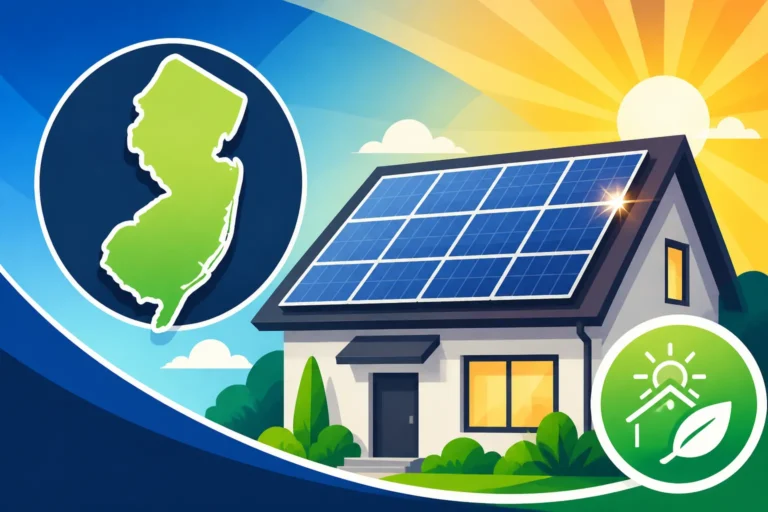
New Jersey has also long been a leader in solar, with its SREC program evolving over time. The state's current program, SREC-II / SuSI (Successor Solar Incentive), is another form of PBI where solar system owners earn certificates for their generation. These certificates are then sold on a market. The value of these certificates can fluctuate, but they represent a significant income stream for New Jersey solar owners. Understanding the intricacies of the New Jersey SREC-II / SuSI Program Guide is crucial for residents looking to capitalize on this incentive. Both of these programs illustrate how states can tailor PBIs to fit their specific energy goals and market conditions, providing substantial benefits to homeowners.
Illinois Shines and Other State-Specific PBIs
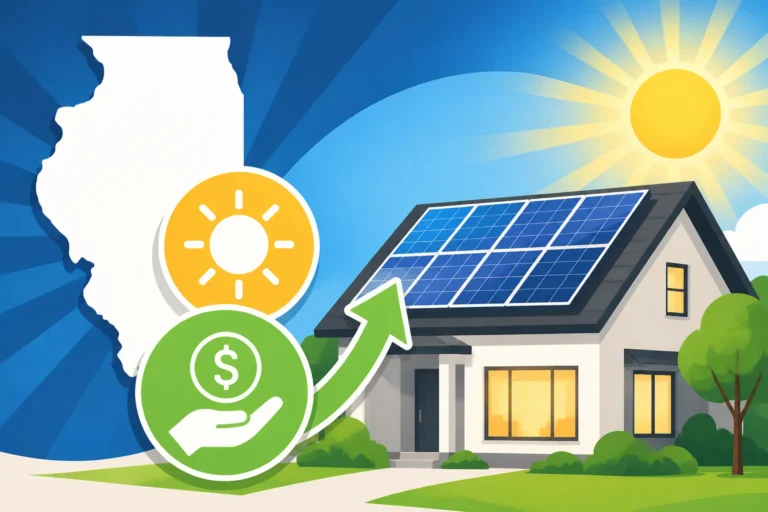
Beyond the Northeast, other states have also implemented robust Performance-Based Incentive programs, often with their own unique structures. Illinois is a prime example with its "Illinois Shines" program, which is technically a state-administered Adjustable Block Program (ABP) that functions very much like a PBI. Under Illinois Shines, homeowners with solar panels are eligible to receive fixed payments for the Renewable Energy Credits (RECs) their system generates. These payments are generally locked in for 15 years, providing a substantial and predictable financial return.
The payment rates are determined by "blocks," which decrease as more solar is installed in the state. This incentivizes early adoption but still provides strong returns for those joining later. The program also includes "Solar for All," which specifically targets low-income communities and environmental justice areas, ensuring that the benefits of solar are broadly accessible. This commitment to equitable access, alongside the strong financial incentives, makes Illinois a very attractive state for solar development. The guide on Illinois Shines & Solar for All offers a comprehensive overview for residents.
Other states might have similar, though perhaps smaller-scale, production-based incentives. For instance, some utility companies might offer "performance-based rebates" that pay out over a few years based on production, rather than a single upfront sum. While these may not be as extensive as full-blown SREC markets or long-term state programs, they still represent a valuable form of PBI that should be investigated when considering solar. Always check your local utility company's offerings and state energy office websites for the most current information.
Emerging Trends and Future of PBIs
The landscape of solar incentives is constantly evolving, and Performance-Based Incentives are no exception. We're seeing a trend towards programs that not only reward pure generation but also incentivize other grid-beneficial services, particularly from battery storage. Some newer programs are exploring ways to compensate homeowners for storing solar energy and discharging it during peak demand times, or for providing grid stability services.
Furthermore, there's a growing interest in making PBIs more accessible and easier to administer. This could mean more automated reporting, standardized contracts, and potentially even regional or multi-state PBI markets to create greater liquidity and stability. As grid modernization continues, and as more states adopt aggressive renewable energy targets, the role of performance-based compensation is likely to expand, providing even more innovative ways for homeowners to earn from their solar investment. It's an exciting time to be a solar owner, with potential new avenues for financial gain on the horizon.
Is a Performance-Based Incentive Right for Your Solar Project?
Deciding whether a Performance-Based Incentive is the best fit for your solar project involves weighing several factors unique to your home, location, and financial goals. It's not a one-size-fits-all solution, and a careful assessment can help you maximize your return on investment.
Assessing Your Energy Production Potential
The cornerstone of any PBI is, naturally, your solar system's ability to produce electricity. Therefore, a critical first step is to accurately assess your home's energy production potential. This involves looking at factors such as your roof's orientation (south-facing is generally ideal), its pitch, the amount of shading it experiences throughout the day and year, and the available roof space. Even geographic location plays a role, as some regions simply receive more intense sunlight than others.
A reputable solar installer will conduct a thorough site survey to evaluate these aspects and provide you with an estimate of your system's annual kWh production. This estimate is vital for calculating your potential PBI earnings. For instance, if your roof has significant shading from trees or adjacent buildings, your production might be lower, which would reduce your PBI income. Understanding How Many Solar Panels Do I Need for My Home? is intrinsically linked to maximizing your production potential and, by extension, your PBI earnings. Don't shy away from asking for detailed production estimates from your prospective installers.
Comparing PBI with Other Available Incentives
It’s rare that a homeowner will only qualify for a PBI. More often, PBIs exist alongside other incentives, such as net metering, state tax credits, or utility rebates. For example, many states with SREC programs also offer robust Net Metering Explained: How It Works by State, allowing you to credit excess solar electricity you send to the grid against your future consumption. The key is to understand how these different incentives can be combined or if they are mutually exclusive.
You'll need to conduct a comprehensive financial analysis that considers the upfront cost reductions from rebates and tax credits, the ongoing savings from net metering, and the long-term income from a PBI. Sometimes, a larger upfront incentive might be more appealing, especially if you have a significant tax liability or prefer immediate savings. Other times, the steady income stream from a PBI might offer a more attractive long-term return, particularly if SREC values are high in your area. A detailed comparison will reveal the optimal incentive strategy for your specific situation.
Working with a Reputable Solar Installer to Navigate Options
Given the complexity of solar incentives and the variations from state to state, working with a knowledgeable and reputable solar installer is paramount. A good installer won't just sell you panels; they'll act as a guide through the intricate world of incentives, helping you understand which programs you qualify for and how to maximize your benefits.
They should be familiar with all local, state, and federal incentives, including all types of PBIs, and be able to clearly explain the financial implications of each. They can help you apply for necessary programs, navigate administrative requirements, and provide accurate projections of your system's performance and associated earnings. When you're trying to figure out How to Choose a Solar Installer, look for one that prioritizes educating you on all your financial options, not just pushing a single product or financing model. Their expertise can truly make or break your solar investment.
Disclaimer
Please note that the information provided in this guide is for general informational purposes only and does not constitute financial, tax, or legal advice. Solar incentive programs, including Performance-Based Incentives, are subject to change and vary significantly by location and specific program rules. Always consult with qualified professionals, such as a certified financial advisor, tax specialist, or a reputable solar energy consultant, to understand how these incentives apply to your individual circumstances.