Enphase IQ8 Microinverter Review
Many homeowners feel overwhelmed by the sheer number of choices when considering solar, especially when it comes to the technical heart of the system: the inverter. You want to make sure your investment maximizes energy production and offers long-term reliability. This comprehensive guide will meticulously break down the Enphase IQ8 Microinverter series, exploring its innovative features, performance benefits, and what it means for your home's energy independence.
Understanding Microinverters and Their Role in Solar Systems
When you decide to go solar, one of the most critical decisions you'll make, often in consultation with your installer, concerns the type of inverter technology your system will use. For decades, central string inverters were the default, but microinverters have emerged as a powerful, more flexible alternative, fundamentally changing how individual solar panels contribute to your home's power supply.
What Makes Microinverters Different?
Traditional solar setups often rely on a single, central "string" inverter, typically installed on the side of your house or in your garage. All your solar panels connect to this one inverter in series, much like old-school Christmas lights. If one panel has an issue – say, it's shaded by a tree branch or a chimney, or it simply underperforms – it can drag down the output of every other panel connected in that same "string." This can be incredibly frustrating, as your entire system's efficiency is compromised by the weakest link.
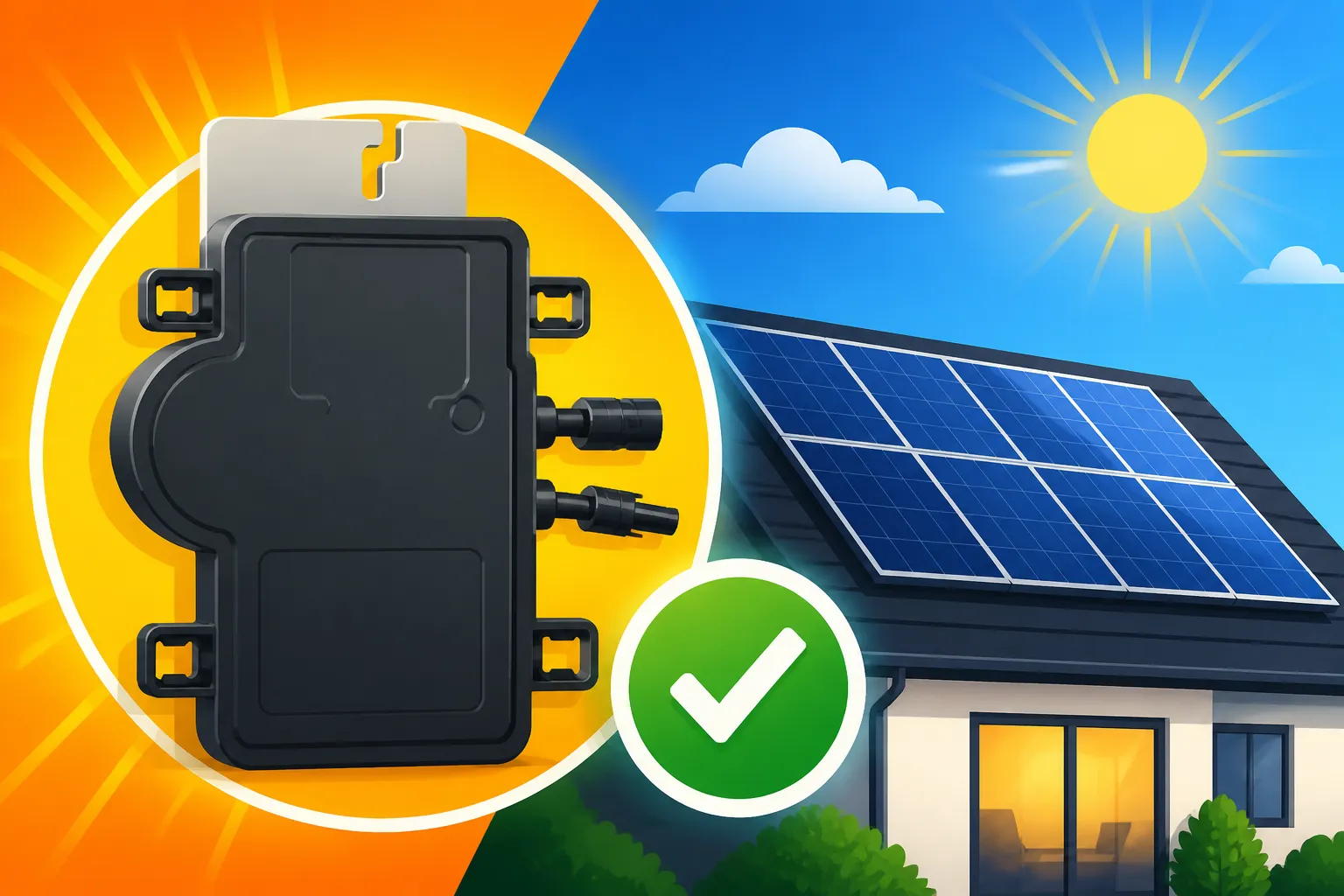
Microinverters, like the Enphase IQ8 series, completely flip this script. Instead of one large inverter, a small, individual microinverter is attached directly to the back of each solar panel. This means each panel operates independently, converting its harvested DC (direct current) electricity into usable AC (alternating current) electricity right there on the roof. Think of it as having a tiny, dedicated brain for every single solar panel you own. This localized conversion means that if one panel is shaded, dirty, or simply not performing its best, it only affects that one panel's output, leaving the rest of your system to generate power at full capacity. This distributed architecture offers a significant advantage in terms of system resilience and overall energy harvest, especially on roofs with complex layouts or potential for partial shading throughout the day. To learn more about the different types, you can explore our guide on Solar Inverters: String vs Microinverter vs Optimizer.
The Benefits of a Microinverter System
The independent operation of microinverters brings a host of benefits that directly impact a homeowner's experience and long-term savings. First and foremost is the increased energy production. Because each panel performs optimally regardless of its neighbors, you often see higher overall system output, especially in real-world conditions where perfect, unshaded sunlight is rarely a guarantee. This translates directly to more electricity generated and greater savings on your utility bill.
Secondly, microinverter systems boast enhanced safety. String inverters carry high-voltage DC current from the roof down to the inverter location. In contrast, microinverters convert DC to safer, low-voltage AC power directly at the panel level. This significantly reduces the amount of high-voltage DC on your roof and in your walls, minimizing potential fire hazards and making emergency situations safer for first responders. Many building codes now require rapid shutdown capabilities for solar systems, and microinverters inherently meet these requirements by ceasing DC power at the module level.
Finally, microinverter systems offer superior monitoring and diagnostics. With individual microinverters, you can track the performance of each solar panel in real-time through a user-friendly app, such as the Enphase App. If a single panel is underperforming, you'll know exactly which one it is, allowing for quicker troubleshooting and maintenance. This granular insight contrasts sharply with string inverter systems, where it can be much harder to pinpoint the exact source of a performance issue within a large array. This level of detail empowers homeowners to be more proactive in ensuring their solar investment is always working at its peak. When considering the advantages, it's worth reading our detailed comparison of Microinverter vs String Inverter: Pros and Cons.
A Deep Dive into the Enphase IQ8 Microinverter Series
Enphase has long been a leader in microinverter technology, and their IQ8 series represents a significant leap forward, particularly with its groundbreaking ability to provide backup power during grid outages without requiring a battery. This innovation addresses a common frustration for solar homeowners: the silent system during a blackout, even when the sun is shining.
Key Features and Technological Innovations
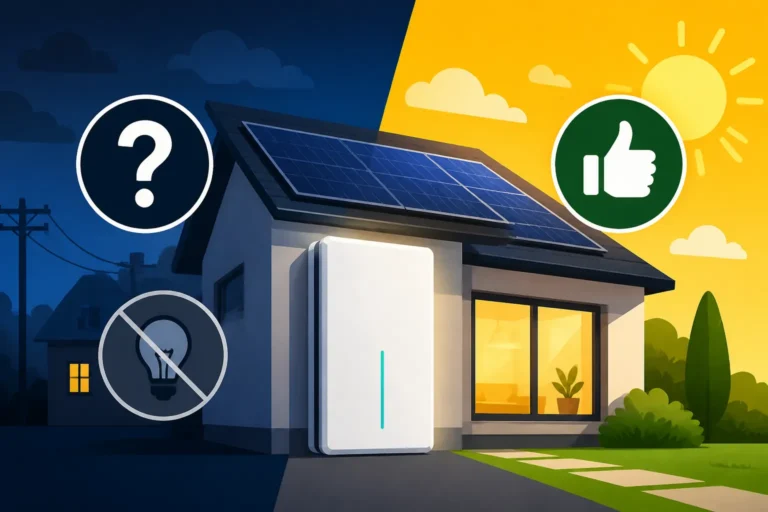
The defining feature of the Enphase IQ8 series is its "Sunlight Jump Start" or "Grid-Forming" technology. Unlike previous generations of microinverters and most other solar systems, IQ8 microinverters can form their own independent AC grid directly from sunlight. This means that if the main utility grid goes down, and you have sufficient sunlight, the IQ8 system can continue to produce power and supply specific loads in your home without relying on a battery. This is a game-changer for homes that might not yet be ready for a full battery backup system but still want some level of resilience during outages.
Beyond this groundbreaking capability, the IQ8 series is designed for maximum efficiency and integration. These microinverters are built with advanced power electronics and custom Application Specific Integrated Circuits (ASICs) that allow them to process power more efficiently and respond faster to changes in solar input. They are also future-proofed, designed to seamlessly integrate with other Enphase products, like their smart energy systems, EV chargers, and of course, the Enphase IQ Battery Review & Cost. This ensures a cohesive and expandable home energy management ecosystem.
The IQ8 also boasts a higher peak output power compared to its predecessors, making it compatible with the latest generation of high-power solar panels. This means fewer microinverters might be needed for a given system size, simplifying installation and potentially reducing overall costs while maximizing energy harvest from advanced modules.
The Range of IQ8 Models and Their Applications
The Enphase IQ8 series isn't a one-size-fits-all solution; it comprises several models, each optimized for different solar panel wattages and system requirements. This allows installers to precisely match the microinverter to the specific panels being used, ensuring optimal performance.
- IQ8, IQ8+: These are typically suited for standard residential solar panels, offering robust performance and the core grid-forming capabilities. They are excellent choices for most everyday home installations.
- IQ8M, IQ8A, IQ8H: These models feature higher output power ratings, designed to pair with more powerful solar panels (often 400W or more) that are increasingly common in today's market. Matching the microinverter's output to the panel's potential helps prevent "clipping," where the inverter limits the panel's maximum power output.
- IQ8X: A specialized, even higher-power model for certain large commercial or very high-wattage residential panels.
This diverse range ensures that whether you have a smaller, efficiency-focused system or a larger array utilizing cutting-edge, high-wattage panels, there's an IQ8 model perfectly suited to your needs. This flexibility is key to designing optimized solar systems that truly meet the unique energy demands and roof characteristics of individual homes. When planning your system, understanding How Many Solar Panels Do I Need? is a crucial first step.
Performance, Efficiency, and Real-World Applications
When investing in solar, you want assurances that your system will perform consistently and efficiently for decades to come. The Enphase IQ8 series is engineered with this long-term performance in mind, pushing the boundaries of what home solar can achieve, especially regarding energy harvest and resilience.
How IQ8 Microinverters Maximize Energy Harvest
The core design of the IQ8 microinverter directly addresses common issues that can plague solar panel efficiency. By allowing each panel to operate independently, the IQ8 ensures that partial shading, debris, or even differing degradation rates among panels don't compromise the entire system's output. Imagine a scenario where a neighbor's tree casts a shadow on just a few panels of your array for part of the afternoon. With a string inverter, that shadow could reduce the power output of many panels. With IQ8s, only the shaded panels are affected, and even they will still produce as much power as they possibly can under those specific conditions.
Furthermore, the IQ8's advanced Maximum Power Point Tracking (MPPT) technology is incredibly sophisticated. It constantly scans and adjusts to find the optimal operating point for each individual panel, even minute by minute. This is particularly valuable during times of fluctuating light conditions, such as cloudy days or periods of changing angles of the sun. This continuous, panel-level optimization means you're consistently extracting the most energy possible from every ray of sunlight that hits your roof, leading to higher overall system efficiency and greater overall energy production throughout the year. You can learn more about how panels perform over time by reading about Solar Panel Efficiency & Degradation Explained.
Grid Services and Backup Power Capabilities
The Enphase IQ8 series really stands out with its ability to provide specific "grid services" and, most notably, its unique approach to backup power. In areas where the grid can be unstable or outages are common, the IQ8's grid-forming capabilities offer a distinct advantage.
With the optional Enphase System Controller 2, the IQ8 system can disconnect from the utility grid during an outage and create its own mini-grid. This allows your solar panels to continue producing electricity, even without a battery, as long as the sun is shining. This "daylight backup" feature means you can power essential loads like lights, refrigerators, or charging devices during the day, providing crucial energy independence. While it's not a full 24/7 backup solution like a system with a battery, it provides a valuable layer of resilience that traditional solar systems without batteries simply cannot offer. This functionality is a major talking point when comparing it to systems like those employing a Tesla Powerwall vs Enphase IQ Battery.
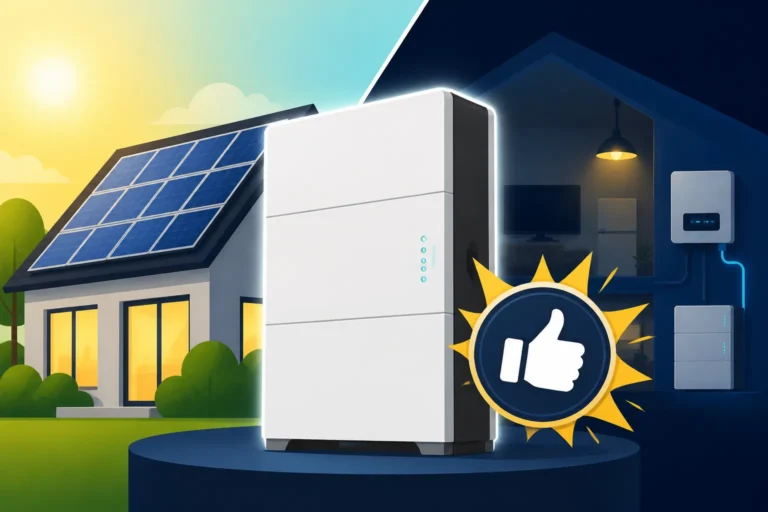
When paired with an Enphase IQ Battery, the IQ8 system forms a truly robust home energy solution. The battery stores excess solar energy generated during the day, allowing you to use that power at night or during extended grid outages, providing comprehensive backup power around the clock. The seamless integration between the IQ8 microinverters and the Enphase battery ecosystem creates a smart, adaptive energy system that optimizes power flow, maximizes self-consumption, and provides peace of mind during unpredictable grid events. This is why many homeowners consider if they Do I Need a Battery With Solar?.
Installation, Reliability, and Warranty Considerations
Choosing a solar system is a long-term commitment, and beyond raw performance, homeowners prioritize ease of installation, proven reliability, and robust warranty coverage. Enphase has built a strong reputation in these areas, and the IQ8 series continues this tradition.
Streamlined Installation and System Design
One of the often-overlooked benefits of microinverters is their streamlined installation process. Because each IQ8 microinverter is a compact, plug-and-play unit that attaches directly to the solar panel racking, installations are typically quicker and simpler than with string inverter systems. The AC cabling typically runs in a simpler configuration than DC homerun cables, reducing complexity and potential points of failure. This modular approach also makes system design more flexible, as arrays can be configured with varying panel orientations or on roofs with complex layouts without significant performance penalties.
For installers, the Enphase IQ System offers a cohesive ecosystem. The IQ Gateway (formerly Envoy) acts as the brain, collecting data from each microinverter and communicating it to the homeowner's monitoring app. The IQ System Controller 2 manages grid connections and forms the microgrid during outages. This integrated approach, where all components are designed to work together, simplifies commissioning and reduces potential compatibility issues that can sometimes arise with disparate equipment from different manufacturers. Our guide on How Are Solar Panels Installed? Step by Step provides a general overview, but microinverter systems often have distinct advantages in the electrical wiring phase.
Enphase's Commitment to Durability and Support
Enphase microinverters are renowned for their durability. Designed to operate directly on the roof, exposed to various weather conditions, they are built to withstand extreme temperatures, moisture, and UV exposure. Their robust construction and rigorous testing contribute to their industry-leading reliability. This high degree of reliability is also reflected in their product warranties.
Enphase typically offers a generous 25-year limited warranty on its microinverters. This extensive coverage matches or often exceeds the warranties offered on the solar panels themselves and significantly outlasts most central string inverters, which often come with 10-12 year warranties. A 25-year warranty on the most critical electronic component of your solar system provides immense peace of mind, knowing that your investment is protected for the long haul. This comprehensive warranty commitment is a strong indicator of Enphase's confidence in the longevity and performance of their IQ8 series. Understanding Solar Panel Warranties Explained is essential for any homeowner.
Comparing IQ8 to Previous Generations and Competitors
The solar industry is constantly evolving, with new technologies and product iterations emerging regularly. It's helpful to understand how the Enphase IQ8 microinverter stands in comparison to both its own predecessors and alternative inverter technologies on the market.
IQ8 vs. Older Enphase Microinverters
For homeowners familiar with previous Enphase generations, the IQ8 represents a significant evolutionary step. The most immediate and impactful difference, as mentioned, is the IQ8's ability to provide Sunlight Jump Start (grid-forming) capability without a battery. Older generations, such as the IQ7 series, required an Enphase IQ Battery to provide any form of backup power during an outage. This makes basic daylight backup more accessible and affordable for some homeowners.
Beyond backup power, the IQ8 series also boasts improved efficiency and higher power output ratings. This means they can effectively pair with and optimize the performance of newer, higher-wattage solar panels that are now standard in the industry. For example, an IQ7 model might clip the output of a 450W panel on a perfectly sunny day, meaning it couldn't fully utilize the panel's maximum potential. The corresponding IQ8 models are designed to handle these higher wattages, ensuring you get every watt your panels can produce. This keeps your system competitive and efficient as solar panel technology advances.
The IQ8 also features enhanced communication and integration capabilities, making it a more seamless part of the broader Enphase IQ energy ecosystem, which includes batteries, EV chargers, and smart switches. While IQ7s are excellent, tried-and-true microinverters, the IQ8 offers a more future-proof and resilient foundation for your home's energy needs.
How IQ8 Stacks Up Against Other Inverter Technologies
When you compare the IQ8 against other inverter technologies, like central string inverters or hybrid inverters (often used with battery systems), its strengths become even clearer.
- Against Central String Inverters: The IQ8's primary advantages over string inverters are clear: panel-level optimization, superior shading tolerance, enhanced safety (low DC voltage on the roof), and granular monitoring. While a string inverter system might have a lower upfront cost, the long-term energy production gains and peace of mind from resilience and safety often make microinverters a more attractive investment. However, string inverters, especially those paired with optimizers (like SolarEdge systems), have also evolved to mitigate some shading issues. For a detailed comparison, see Enphase vs SolarEdge: Which Inverter Is Better?
- Against Hybrid Inverters: Hybrid inverters, often found in systems designed specifically for battery backup, can also provide blackout protection. However, the IQ8's unique selling point is its ability to provide daylight backup without a battery. This is something most hybrid inverters cannot do on their own; they require the battery to form the microgrid. For homeowners who want some basic outage protection but aren't ready for a full battery investment, the IQ8 offers a compelling interim or primary solution.
The choice between these technologies often comes down to budget, roof characteristics, and desired level of energy independence. The IQ8 firmly positions itself as a premium, high-performance option that offers unique benefits, particularly in terms of resilience and long-term energy harvest, making it a strong contender in various solar scenarios.
Below is a table summarizing key differences between the IQ7 and IQ8 series:
| Feature | Enphase IQ7 Series | Enphase IQ8 Series |
|---|---|---|
| Grid-Forming | Requires IQ Battery to form microgrid/backup | Sunlight Jump Start (Grid-forming) capable without battery |
| Backup Power | Only with IQ Battery | Daylight backup possible without battery; 24/7 with IQ Battery |
| Max Panel Wattage | Generally up to ~400W panels (model dependent) | Supports higher wattage panels, e.g., 400W+ (model dependent) |
| Efficiency | High efficiency (industry standard) | Improved efficiency and power electronics |
| Integration | Integrates with Enphase ecosystem, but IQ8 is more advanced | Designed for seamless integration with latest Enphase IQ Ecosystem |
| Warranty (typical) | 25 years limited warranty | 25 years limited warranty |
| Cost | Generally slightly lower upfront cost | Generally slightly higher upfront cost due to advanced features |
Is the Enphase IQ8 Right for Your Home?
Deciding on the right solar technology for your home is a significant decision. The Enphase IQ8 series offers compelling advantages, but like any investment, it's important to consider if it aligns perfectly with your specific needs and circumstances.
Ideal Scenarios for IQ8 Deployment
The Enphase IQ8 microinverter series truly shines in several specific situations, making it an ideal choice for a diverse range of homeowners.
Firstly, if your roof has complex angles, multiple orientations, or suffers from intermittent shading throughout the day, IQ8 microinverters are an excellent fit. Because each panel operates independently, even if half your array is shaded by a large tree in the morning and the other half in the afternoon, your system will continue to generate power from the unshaded panels at their maximum potential. This is a common scenario for many suburban homes where perfect, unobstructed south-facing roofs are a rarity.
Secondly, for homeowners living in areas prone to frequent power outages who desire some level of energy resilience without immediately committing to a full battery storage system, the IQ8's "Sunlight Jump Start" feature is a game-changer. Imagine hurricane season in Florida or wildfire season in California; being able to power essential circuits during the day directly from your solar panels, even if the grid is down, offers immense peace of mind. This allows you to phase your investment, potentially adding a battery later when budget allows. Residents in these areas might also look into state-specific incentives, such as Florida Solar Incentives in 2026 or California Solar Incentives in 2026.
Finally, if you are looking for a modular, scalable, and highly reliable system with exceptional monitoring capabilities and a long-term warranty, the Enphase IQ8 is a top contender. Its component-level warranty, robust design, and seamless integration with the broader Enphase energy management ecosystem make it a future-proof choice for homeowners who want to grow their energy independence over time, potentially adding an Are Solar Batteries Still Eligible for Incentives in 2026? in the future.
Considerations Before Making Your Decision
While the Enphase IQ8 microinverters offer numerous benefits, there are a few considerations to keep in mind before making your final decision.
One primary factor is the upfront cost. Microinverter systems, including the IQ8 series, often have a slightly higher per-watt cost compared to traditional central string inverter systems. This is because you are essentially buying a small, sophisticated inverter for each panel instead of one large one. While this added cost often pays for itself through increased energy production, enhanced safety, and extended warranty coverage, it's an important budget consideration. It's always wise to get multiple quotes and compare the long-term value, not just the initial sticker price.
Another point to consider is the roof access for maintenance, however infrequent. While Enphase microinverters are designed to be extremely reliable, if an individual microinverter ever needs servicing or replacement, it's located directly under a solar panel on your roof. This means an installer would need to access the roof to work on it. However, given their 25-year warranty and low failure rates, this is often a minimal concern, but worth noting compared to a central inverter located on the ground.
Finally, while the IQ8 provides daylight backup without a battery, it's important to set realistic expectations for this feature. It means power when the sun is shining, and only for selected critical loads that the installer configures. It's not a full 24/7 backup solution for your entire home. For continuous, whole-home backup during nighttime outages or extended cloudy periods, you will still need to integrate an Enphase IQ Battery or another compatible storage solution. Understanding these nuances will help you make an informed decision that truly meets your expectations for solar performance and resilience. Some homeowners may even use third-party tools, or search on platforms like Amazon for smart home energy monitoring devices to further optimize their system usage and ensure they are getting the most out of their IQ8 microinverters, but the core Enphase app usually provides comprehensive insights.
Disclaimer
Please note that this guide provides general information about Enphase IQ8 microinverters. Specific product features, costs, and availability may vary based on your location, installer, and individual system design. It is always recommended to consult with multiple certified solar professionals to receive personalized recommendations and quotes tailored to your unique energy needs and home characteristics. Always verify current incentive programs and product specifications directly with manufacturers and installers.