Solar Panel Cost in Arizona
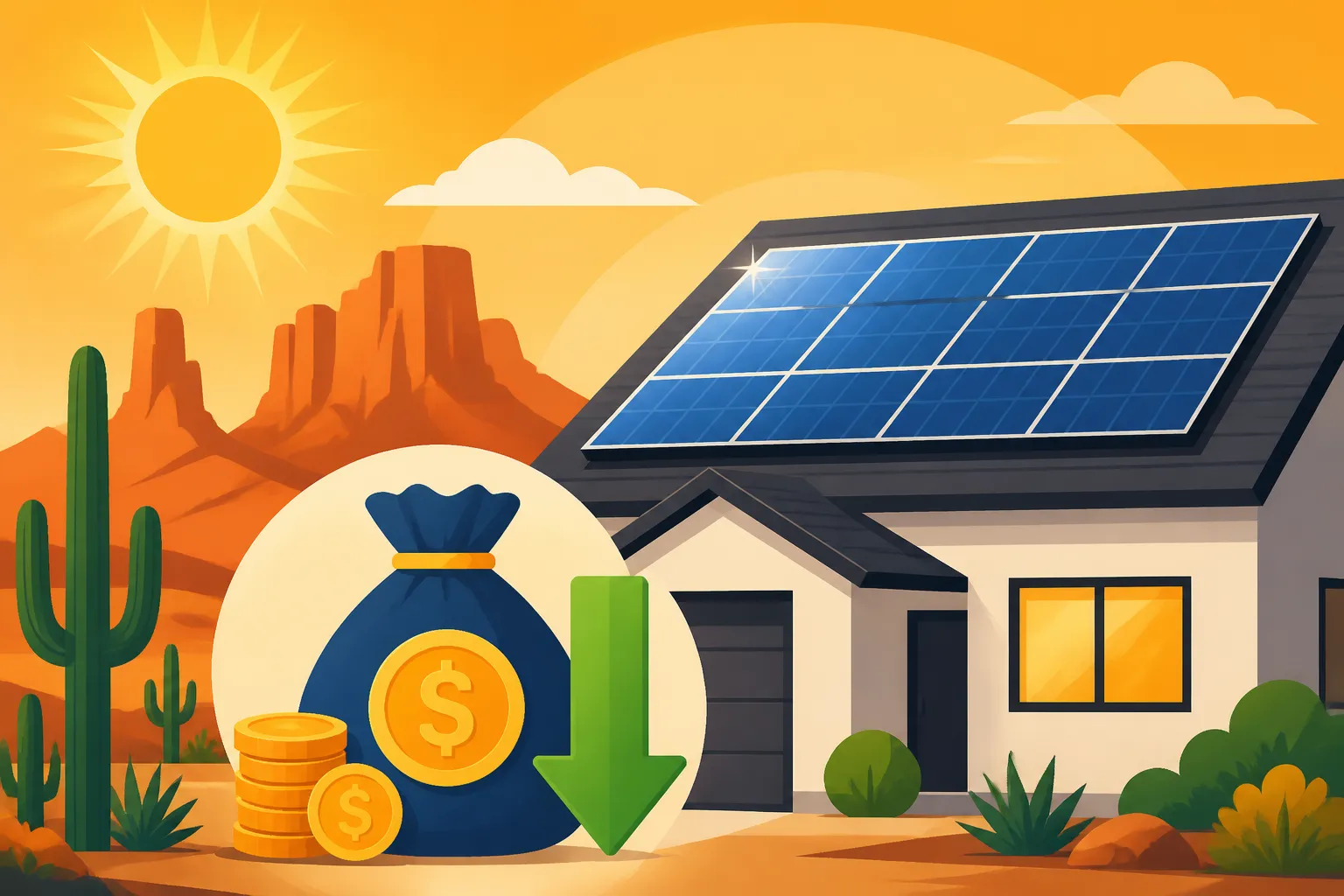
Living in Arizona, you know a thing or two about intense sunshine and, let's be honest, those electricity bills that can feel like they're climbing higher than the summer temperatures. Many of us are looking at solar panels as a way to take back control of our energy costs and embrace that abundant Arizona sun. But a big question looms: what's the actual cost of going solar here, and is it really worth it? This guide is designed to cut through the confusion, giving you a clear, realistic breakdown of solar panel costs in the Grand Canyon State and how you can maximize your savings.
Understanding the Average Solar Panel Cost in Arizona
When you first start looking into solar in Arizona, the sticker price can sometimes feel a bit daunting. It’s a significant home improvement, after all. But it’s crucial to understand what goes into that cost and how it compares to what homeowners are paying nationwide. Arizona has some unique factors that influence solar pricing, both for better and for worse.
Initial Investment: What to Expect
The average cost of solar panels in Arizona typically ranges from $2.50 to $3.50 per watt before incentives. This "per watt" cost is a crucial metric, as it allows you to compare different system sizes and quotes on an apples-to-apples basis. For context, the national average often hovers around $2.80 to $3.30 per watt, putting Arizona right in line, and sometimes even a bit lower, thanks to its mature solar market and high demand.
Let's talk about real numbers for common system sizes, which you can learn more about in our detailed article on Solar Panel Cost by System Size (kW). For an average Arizona home, you might need a system ranging from 6 kilowatts (kW) to 10 kW, depending on your energy consumption.
- 6 kW System: Ideal for smaller homes or those with lower energy usage. Expect to see prices in the range of $15,000 to $21,000 before any incentives are applied.
- 8 kW System: A common size for many average-sized Arizona homes. Costs typically fall between $20,000 and $28,000 before incentives.
- 10 kW System: Suitable for larger homes, families with high energy demands, or those looking to completely offset their electricity bill. This size could range from $25,000 to $35,000 before incentives.
Remember, these are just averages. Your actual cost will depend on a multitude of factors, from the specific components you choose to the complexity of your roof. It's always best to get personalized quotes to understand your unique situation.
Key Factors Influencing Your Solar Costs
The final price tag on your Arizona solar system isn't just pulled out of thin air. Several critical elements come into play, each contributing to the overall investment. Understanding these can help you better evaluate quotes and make informed decisions.
- System Size: This is arguably the biggest driver of cost. The more electricity you use, the larger the system you'll need, and thus, the higher the upfront price. To determine your ideal size, installers will look at your past utility bills to assess your average monthly consumption. Knowing How Many Solar Panels Do I Need for My Home? is step one in figuring out your budget.
- Panel Efficiency and Brand: Not all solar panels are created equal. High-efficiency panels, like those from manufacturers such as Maxeon (formerly SunPower) or REC, can convert more sunlight into electricity in a smaller footprint. This is fantastic if you have limited roof space but often comes with a higher price per panel. More budget-friendly options, like those from Jinko Solar or Qcells, might have slightly lower efficiency but offer excellent value. Our guide to the Best Solar Panels of 2026 dives deeper into different brands and their performance.
- Inverter Type: The inverter converts the DC electricity from your panels into AC electricity your home can use. You'll typically choose between string inverters, microinverters (like those from Enphase), or power optimizers (often paired with SolarEdge string inverters). Microinverters and optimizers generally cost more upfront but can offer better performance in shaded conditions and allow for panel-level monitoring. You can learn all about these options in our article, Solar Inverters: String vs Microinverter vs Optimizer.
- Roof Characteristics: The type, age, and slope of your roof can all impact installation costs. Complex roofs with multiple angles, obstructions (like chimneys or skylights), or materials like tile might require more labor and specialized mounting hardware, increasing the overall price. If your roof needs repairs or replacement, that's an additional cost to consider before solar installation.
- Labor Costs and Permitting Fees: Installation labor varies by installer and local market conditions. Arizona's solar market is competitive, which can sometimes lead to reasonable labor costs. Additionally, there are permitting fees from your local city or county and interconnection fees from your utility (like Arizona Public Service or Tucson Electric Power) to connect your system to the grid. These "soft costs" are often included in your total quote.
Breaking Down Your Solar Costs: Components and Installation
To truly grasp where your money is going, it helps to dissect the solar system into its main components and the services required for installation. This transparency can empower you to ask the right questions and ensure you're getting fair pricing.
Major Equipment Costs
The heart of any solar system lies in its hardware. This includes the panels themselves, the inverters, the racking system that holds them securely to your roof, and any necessary wiring or electrical upgrades.
- Solar Panels: As mentioned, panel choice significantly impacts cost. High-performance panels with better temperature coefficients (meaning they perform better in Arizona's extreme heat) might cost more but could offer better long-term returns. Brands like Maxeon (formerly SunPower) are known for their high efficiency and durability, making them popular choices in sunny climates like Arizona. However, advancements in technology mean that many Tier 1 manufacturers offer excellent performance.
- Inverters: For example, a system with individual Enphase microinverters might add slightly more to the upfront cost compared to a single SolarEdge string inverter with optimizers, or a traditional string inverter setup. However, the benefits of microinverters, such as localized power conversion and the ability for each panel to operate independently, can be very appealing, especially if your roof experiences partial shading throughout the day. Your installer should walk you through the pros and cons of each option for your specific home.
- Mounting and Racking Equipment: This essential hardware keeps your panels secure against Arizona's winds and elements. Quality racking from companies like IronRidge or Unirac ensures longevity and structural integrity. While not the most expensive component, it's vital for a safe and durable installation.
Installation and Soft Costs
Beyond the physical hardware, there are numerous "soft costs" that contribute to the overall price. These include everything from design to permits, and they're just as important as the panels themselves.
- System Design and Engineering: Before any panels go on your roof, a detailed design must be created. This involves assessing your home's energy needs, roof orientation, shade analysis, and structural integrity. Engineers will then draw up plans to ensure the system is optimally sized and configured for maximum sun exposure and adheres to all building codes. This expertise is a significant part of the value an installer provides.
- Permitting and Interconnection Fees: Navigating the bureaucracy of local permits can be a headache, but a good solar installer handles all of this for you. They'll submit plans to your city or county for building and electrical permits. Once installed, they'll also manage the application process with your utility (like APS or TEP) for interconnection, which gives you Permission to Operate (PTO). These fees vary, but they're a non-negotiable part of the process.
- Labor and Installation: This is where the experienced crews come in. Professional installation ensures your system is safely and correctly mounted, wired, and connected. The complexity of your roof, the number of stories your home has, and even the weather during installation can influence labor time and cost.
- Sales and Overhead: Like any business, solar companies have operational costs, marketing, and sales expenses. These are naturally factored into the overall price of a system. When you work with a platform like Modernize, they can help connect you with reputable local installers, streamlining the process of getting competitive quotes and ensuring you're working with established businesses.
Maximizing Savings and Incentives for Arizona Solar
While the initial cost of solar in Arizona might seem high, the good news is that there are significant incentives and smart strategies to reduce your out-of-pocket expenses and accelerate your payback period. Arizona's unique solar landscape offers some compelling ways to make solar more affordable.
Federal, State, and Local Programs
Even if the federal credit feels like a moving target sometimes, it's still the biggest incentive out there, and Arizona offers its own valuable benefits too.
- Federal Solar Investment Tax Credit (ITC): This is a huge one. Currently, the federal government offers a 30% tax credit for residential solar systems. This isn't a deduction; it's a dollar-for-dollar reduction of the income tax you owe. For example, if your system costs $25,000, you could get a $7,500 tax credit. It's important to understand the latest details on this, and our article, Solar Tax Credit 2026: What Happened to the Federal Credit, provides a comprehensive overview of its current status.
- Arizona State Income Tax Credit: Arizona offers its own state income tax credit for solar energy devices. Homeowners can typically claim 25% of the cost of their system, up to a maximum of $1,000. While not as large as the federal credit, it's another welcome reduction in your overall cost. This credit is claimed when you file your state taxes.
- Solar Property Tax Exemption: This is a fantastic benefit for Arizona homeowners. Normally, adding significant value to your home, like a solar system, would increase your property taxes. However, Arizona has a Solar Property Tax Exemptions by State law that exempts the added value of a solar energy device from your property tax assessment. This means you get the benefit of increased home value without the corresponding tax hike.
- Sales Tax Exemptions: While Arizona does not have a statewide sales tax exemption specifically for residential solar equipment purchases, the installation labor component is generally exempt from transaction privilege tax (TPT), which functions similarly to sales tax. This can result in a small but noticeable saving on the overall project cost.
- Utility Solar Rebates: While direct cash rebates from major Arizona utilities like APS and TEP are less common these days, it's always worth checking for any special programs or incentives they might offer for battery storage or energy efficiency upgrades. Smaller, municipal utilities might also have their own specific programs. Our guide on Utility Solar Rebates: How to Find Yours can help you search for options in your specific area.
Net Metering and Export Rates in Arizona
One of the most critical aspects of solar savings in Arizona, especially for long-term return on investment, is how your utility compensates you for excess electricity your panels produce. Arizona operates under a "net billing" or "export credit" model, rather than traditional full retail net metering.
- Understanding Arizona's Export Compensation: With utilities like APS and TEP, when your solar panels produce more electricity than your home consumes in real-time, that excess power is sent back to the grid. Instead of receiving credit at the full retail rate you pay for electricity, you are compensated at an "avoided-cost rate." This rate is typically lower than the retail rate you pay for power you pull from the grid. This system is different from traditional Net Metering Explained: How It Works by State found in some other states.
- Impact on System Sizing and Savings: Because of these export rates, it's often most financially beneficial to size your solar system to closely match your home's annual electricity consumption. Oversizing your system too much might mean you're selling a lot of power back to the grid at a lower rate than you buy it, which isn't the most efficient use of your investment. This dynamic makes understanding your personal energy usage even more critical in Arizona. Our article on Avoided-Cost Rate & Export Credits Explained offers a deeper dive into this compensation structure. This also highlights why adding a solar battery, while an additional upfront cost, can be incredibly beneficial in Arizona, allowing you to store your excess solar energy for use during peak hours when grid electricity rates are highest, or during power outages.
Real-World Scenarios and Finding the Right Installer in Arizona
Seeing real-world examples can make the cost breakdown much clearer. Plus, choosing the right installer in Arizona is paramount to ensuring your investment pays off.
Cost Examples for Different Home Sizes
Let's look at some hypothetical scenarios for homeowners in Arizona, taking into account current average costs and incentives. These examples include the 30% federal tax credit and the $1,000 Arizona state tax credit.
| System Size | Pre-Incentive Cost Range | Federal ITC (30%) | AZ State Tax Credit | Net Cost Range (Est.) | Annual Electricity Offset |
|---|---|---|---|---|---|
| 6 kW | $15,000 – $21,000 | $4,500 – $6,300 | $1,000 | $9,500 – $13,700 | 70-90% of a smaller home |
| 8 kW | $20,000 – $28,000 | $6,000 – $8,400 | $1,000 | $13,000 – $18,600 | 70-90% of an average home |
| 10 kW | $25,000 – $35,000 | $7,500 – $10,500 | $1,000 | $16,500 – $23,500 | 70-90% of a larger home |
- Note: These are estimates. Your actual costs and savings will vary based on your specific system, utility rates, and individual tax situation. The "Annual Electricity Offset" is an estimate for well-designed systems; exact offset depends on your specific usage and solar production.
Let's imagine a homeowner in Mesa, Arizona, with a monthly electricity bill averaging $180. They decide on an 8 kW system, costing $24,000 before incentives. After the $7,200 federal tax credit and the $1,000 state tax credit, their net cost drops to $15,800. With a well-designed system, they could see their monthly electricity bill drop significantly, potentially saving hundreds of dollars per month during peak summer usage, making their Solar Panel Payback Period Explained much shorter.
Choosing a Reputable Arizona Solar Installer
The solar installer you choose can make or break your experience and your system's long-term performance. In a busy solar market like Arizona, it’s crucial to do your homework.
- Get Multiple Quotes: This is perhaps the most important piece of advice. Don't settle for the first company you talk to. Contact at least three different reputable installers. This allows you to compare pricing, equipment options, warranties, and customer service. Platforms like Modernize can be incredibly helpful here, as they connect you with vetted, local solar companies that serve your area, saving you the legwork of finding them yourself.
- Check Licenses and Certifications: Ensure any installer you consider is licensed by the Arizona Registrar of Contractors (ROC) for electrical and solar work. Look for certifications like those from the North American Board of Certified Energy Practitioners (NABCEP), which indicates a high level of expertise.
- Read Reviews and Ask for References: Online reviews on sites like Google, Yelp, and the Better Business Bureau can offer insights into other customers' experiences. Don't hesitate to ask installers for references from recent installations in your area. Talking to real customers can give you a true sense of a company's reliability and quality of work. Our guide on How to Choose a Solar Installer provides even more tips.
- Understand Warranties: A robust warranty package is critical. You'll want to look for:
- Product Warranty: Covers the solar panels themselves against defects, typically 25 years.
- Performance Warranty: Guarantees a certain level of power production over time, usually 25-30 years.
- Workmanship Warranty: Covers the installation itself, ensuring the system is installed correctly and free from leaks or other issues, typically 10-25 years.
- Local Expertise: An installer familiar with Arizona's specific regulations, utility requirements (like APS or TEP's interconnection rules), and common roof types in areas like Phoenix, Tucson, or Scottsdale will be better equipped to handle your project smoothly. They'll also understand the local climate and recommend appropriate equipment that can withstand Arizona's intense heat and occasional monsoon season.
Going solar in Arizona is a significant decision, but with the right information and a bit of careful planning, it can lead to substantial long-term savings and a greener footprint. Don't let the initial cost deter you; explore all the incentives and options available to make solar a reality for your home.
Disclaimer
Please note that this article provides general information and estimates. Solar costs and incentives are subject to change based on market conditions, policy updates, and individual circumstances. It is essential to consult with qualified solar professionals and tax advisors to get personalized quotes and determine the exact financial implications for your specific situation.