Should I Get Solar Now or Wait?
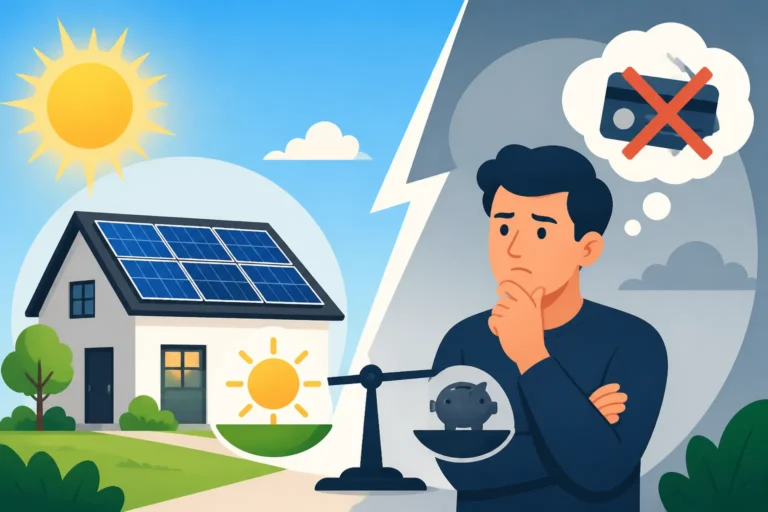
It's a question that weighs on so many homeowners' minds, especially with utility bills seeming to climb higher every quarter: "Should I get solar now, or should I wait?" It’s a completely valid concern, filled with unknowns about technology, incentives, and future costs. This guide aims to unpack this very dilemma, providing you with realistic insights into the pros and cons of acting today versus holding off on your solar investment.
The Current Solar Landscape: Why the Urgency?
You’re probably feeling the pinch of rising electricity rates, and you’re not alone. Many homeowners are looking for ways to take control of their energy future, and solar panels are often the first solution that comes to mind. But beyond just saving money, there are several compelling reasons why the "now or wait" question feels so urgent.
Rising Electricity Costs and Energy Independence
Let's be real: electricity prices rarely go down, and they're often unpredictable. One month you're paying a reasonable amount, the next you're staring at a bill that makes your jaw drop, thanks to peak demand charges, fuel cost adjustments, or general rate hikes approved by your state's Public Utilities Commission. This volatility is a major frustration for families trying to budget. Going solar offers a way to hedge against these rising costs, providing a degree of energy independence that a traditional utility customer simply doesn't have. Imagine knowing that a significant portion, if not all, of your electricity comes from your own roof, free from the whims of the market. It’s a powerful feeling of control.
Evolving Solar Incentives
This is often the biggest sticking point in the "now or wait" debate. Federal, state, and local incentives can dramatically reduce the upfront cost of solar, making it far more accessible. The federal solar tax credit, for instance, has been a game-changer for years, offering a percentage of your system's cost back as a credit on your taxes. While the Solar Tax Credit 2026: What Happened to the Federal Credit article dives deeper into its nuances, it's crucial to understand that these incentives are often subject to legislative changes, expiration dates, or gradual step-downs.
Beyond federal programs, many states offer their own robust incentive packages. You might find enticing programs like Solar Renewable Energy Credits (SRECs) in states like New Jersey and Maryland, or performance-based incentives (PBIs) that pay you for every kilowatt-hour your system produces. Our State Solar Incentives: Complete 2026 Guide provides a comprehensive overview. The fear, and a valid one, is that if you wait, these generous incentives might be reduced or disappear altogether, eroding a significant portion of your potential savings. It really creates a "use it or lose it" kind of pressure.
Advancements in Solar Technology
It's natural to think that if you just wait a little longer, solar panels will get even better, more efficient, and cheaper. And to some extent, that's true – technology is always improving. Today's solar panels are incredibly robust, with efficiencies typically ranging from 19-23% and designed to last 25-30 years or more. Manufacturers like Qcells, Maxeon, and REC are constantly pushing boundaries. They can capture more sunlight and perform better in various conditions than panels from a decade ago.
However, the rate of revolutionary advancements has slowed somewhat. We’re seeing incremental improvements, not massive leaps. The biggest strides are often in battery storage, making solar-plus-battery systems more appealing for backup power and maximizing self-consumption, especially in areas with less favorable Net Metering Explained: How It Works by State policies. Waiting indefinitely for the "next big thing" in panel technology might mean you miss out on years of significant electricity bill savings available with the already excellent technology we have today. The financial benefits of going solar now often outweigh the marginal gains you might see by waiting a few more years for slightly more efficient panels.
Factors to Consider Before Going Solar
Deciding to go solar isn't just about timing; it's also about suitability. Before you even ponder "now or later," you need to assess if solar is a good fit for your specific home and financial situation.
Your Home's Solar Suitability
Not every roof is a perfect candidate for solar, and that's okay! Several factors come into play here. First, the condition of your roof is paramount. Solar panels are a long-term investment, often lasting 25+ years. If your roof is already old or needs significant repairs, it almost certainly makes sense to address that before installing solar. Replacing a roof after solar panels are on it can be a costly and complicated endeavor, as the panels need to be temporarily removed and reinstalled. Our guide on Roof Considerations for Solar Panels can help you determine if your roof is ready.
Secondly, sun exposure is critical. Ideally, you want a roof that faces south (in the Northern Hemisphere) with minimal shading from trees, chimneys, or neighboring buildings. Shading can drastically reduce your system's energy production, impacting your overall savings and the Solar Panel Payback Period Explained. An installer will conduct a detailed site survey to analyze your roof's solar potential, including its pitch, orientation, and any potential shade obstructions throughout the year. They can usually provide you with an accurate estimate of how much power your roof can generate.
Financial Readiness and Investment Goals
Solar panels represent a significant upfront investment, though various financing options exist. The How Much Do Solar Panels Cost? 2026 Guide gives a great breakdown, but generally, a typical residential solar system can range from $15,000 to $30,000 before incentives. It's crucial to understand your financial goals. Are you looking to eliminate your electricity bill entirely? Generate a passive income? Or simply reduce your carbon footprint?
Your financing choice also plays a huge role. Buying outright with cash generally provides the best long-term return on investment, as you capture all available incentives and pay no interest. However, most homeowners opt for solar loans, which allow them to pay for the system over time. You might also encounter solar leases or Power Purchase Agreements (PPAs), which offer $0 down options but mean you don't own the system and thus forfeit some of the long-term benefits and incentives. Understanding the Solar Loan vs Lease: Pros and Cons can help you decide which financial path aligns best with your circumstances. Don't forget to factor in your credit score, as this will influence your loan terms.
Local and State Policies
This ties back to the incentive discussion but also includes critical operational policies. Net metering is a prime example: it's the billing mechanism that allows solar owners to send excess electricity back to the grid for credit, effectively "spinning their meter backward." This is a huge economic driver for solar. However, net metering policies are constantly changing, as seen with California's NEM 3.0, which significantly altered how solar homeowners are compensated.
Beyond net metering, research specific state and local programs. Are there Solar Property Tax Exemptions by State or Solar Sales Tax Exemptions by State that reduce the cost burden? Are there local utility rebates that can offer immediate savings, as discussed in our Utility Solar Rebates: How to Find Yours article? These policies vary wildly by location. For example, a homeowner in Arizona might have different opportunities than someone in Massachusetts. Before making a decision, it's vital to research the specific rules and incentives available in your exact service area. A reputable solar company, often found through a service like Modernize, can help you navigate these complex local regulations.
The Pros and Cons of Going Solar Now vs. Waiting
Now that we've laid the groundwork, let's tackle the heart of the matter: what happens if you jump in today versus putting it off? There are compelling arguments on both sides, and understanding them is key to your decision.
Benefits of Acting Now
One of the most significant advantages of going solar now is the ability to lock in current incentives. As we discussed, these can be quite substantial. For instance, if your state offers a specific rebate program that's capped or has a sunset date, securing your spot now means you won't miss out if those funds run dry or the program changes. Every year you delay is a year you miss out on potential federal tax credits, state rebates, or SREC earnings.
Secondly, you start saving money immediately. The moment your system is connected and producing power, you're reducing your reliance on expensive utility electricity. This could mean hundreds, if not thousands, of dollars in savings annually, depending on your system size and electricity rates. Waiting means you continue paying those ever-increasing utility bills, effectively throwing money away that could be going towards your solar investment. Think of it as investing in your home’s future value and current cash flow. Studies show that Do Solar Panels Increase Home Value?, making it a smart home improvement project.
Finally, getting on the installation schedule now can avoid potential future price increases or supply chain issues. While solar panel costs have generally trended downwards over the long term, short-term fluctuations due to tariffs, material costs, or increased demand can always occur. Securing a quote and moving forward today allows you to lock in current equipment and installation prices.
Potential Downsides of Waiting
The most obvious downside to waiting is missing out on existing financial incentives. This is a common and legitimate fear. If, for example, your state's net metering policy becomes less favorable (like California's NEM 3.0), or a state-specific tax credit expires, the financial benefits of solar could be significantly reduced. This means your payback period might lengthen, or your overall lifetime savings could decrease. The thought of paying thousands more for the same system just because you waited can be a tough pill to swallow.
Another considerable cost of waiting is the continued high utility bills. Each month you delay going solar, you're essentially paying your utility company for electricity you could be generating yourself. Over several years, these accumulated costs can quickly add up to a substantial sum that easily negates any minor price drops in solar equipment you might have been hoping for.
While technology is always advancing, the pace of game-changing advancements in solar panels themselves has slowed. Panels are already very efficient and durable. Waiting for a "better" panel often means waiting for marginal improvements that don't justify the lost savings and expired incentives of the interim years. The biggest innovation currently is in battery storage, which you can often add to an existing solar system later if your needs change. If you're pondering Is Solar Still Worth It in 2026 for Most Homeowners?, the answer is often yes, particularly because of ongoing utility price escalation.
Scenarios Where Waiting Might Make Sense
Of course, there are legitimate reasons why waiting might be the smarter play for your specific situation. If your roof is nearing the end of its lifespan and you know you'll need a full replacement in the next 1-5 years, it almost always makes sense to replace the roof before installing solar panels. Removing and reinstalling panels for a new roof adds significant costs ($2,000-$5,000 or more, depending on system size and complexity), so coordinating these projects can save you a lot of hassle and money.
Another scenario is if you know you're moving soon. While solar panels can increase home value and be an attractive feature for buyers, the process of selling a home with solar, especially if it's leased or financed, can add a layer of complexity. If you're planning to relocate within 1-3 years, the payback period for your solar investment might not fully materialize before you sell, reducing your overall financial gain. However, some homeowners still choose to go solar if they can recover a good portion of the investment through increased home value or if the savings in those few years are substantial.
| Feature / Consideration | Go Solar Now | Wait |
|---|---|---|
| Incentives | Lock in current federal, state, and local programs | Risk losing or seeing reduced incentives |
| Electricity Savings | Start saving immediately | Continue paying high and rising utility bills |
| Technology | Access to highly efficient, proven tech | Marginal improvements, but may miss current value |
| Installation Cost | Lock in current pricing | Potential for slight drops, but also for price increases |
| Roof Condition | Ideal if roof is in good condition | Consider waiting if roof needs replacement soon |
| Moving Plans | Beneficial for long-term homeowners | Better if moving within 1-3 years |
| Home Value | Immediate increase in property value | Delay benefits of increased home value |
| Energy Independence | Gain control over energy costs sooner | Remain reliant on utility grid prices |
Making Your Decision: A Step-by-Step Approach
It's a big decision, and it deserves a thoughtful, structured approach. Here's how you can navigate the process to confidently decide whether to move forward with solar now or hold off.
Researching Local Incentives and Policies
This is your first, most crucial step. What federal incentives are currently available? What about state-specific programs like New York NY-Sun & State Solar Tax Credit (25%) or Illinois Shines & Solar for All? Don't just rely on general information; dig into the specifics for your city and county. Are there local property tax abatements? Special grants for low-income households? Knowing the precise landscape of what's on offer right now will give you a clear picture of the financial benefits you stand to gain by acting quickly.
Many state energy offices or utility companies have dedicated websites detailing current solar incentives. This research will also help you understand the current net metering rules in your area, which is vital for calculating your potential savings. A good starting point is often your state's energy department website or searching for "Does My Utility Offer a Solar Rebate?" to see if local providers have their own programs.
Getting Multiple Quotes and Expert Advice
Once you have a handle on the incentives, it’s time to get down to brass tacks: quotes. This is where you bring in the professionals. It's not enough to get just one quote; always aim for at least three from different, reputable solar installers. This allows you to compare not just prices, but also equipment options (e.g., Best Solar Panels of 2026, Best Solar Batteries of 2026), warranties, and installation approaches. A service like Modernize can connect you with qualified local installers, simplifying the process of getting competitive bids.
When discussing with installers, ask pointed questions about their proposed system size, estimated energy production, specific components they use (panels, inverters like Enphase or SolarEdge, batteries), and their warranties (both product and workmanship). They should also be able to clearly explain how the various incentives apply to your specific quote and projected savings. Don’t hesitate to ask about the Solar Installation Timeline: What to Expect and the entire process from permitting to What Is Permission to Operate (PTO)?. This is also a good opportunity to ask about specific scenarios, like "what if I add a battery later?" or "how does shading affect my output?"
Assessing Your Personal Circumstances
Finally, bring it all back to you and your family. How long do you realistically plan to stay in your current home? If you're settling down for the next 10-20 years, the long-term savings and increased home value make solar a very strong contender. If you might move in 3-5 years, you'll want to carefully calculate your potential Solar Panel Payback Period Explained and how much value solar will add when you sell.
Consider your personal financial stability. While solar loans make it accessible, ensure the monthly payments fit comfortably within your budget, even after projected utility bill savings. Do you have a healthy emergency fund? Are you planning other major home renovations soon? These personal factors should weigh heavily in your final decision. There’s no universal "right" answer; it's about what makes the most sense for your unique situation.
Ultimately, the question of whether to go solar now or wait often comes down to the balance between securing present-day financial advantages and the potential for marginal future improvements. For many, the benefits of locking in current incentives, realizing immediate savings on utility bills, and gaining energy independence far outweigh the speculative gains of waiting.
Disclaimer
This article is for general informational purposes only and does not constitute professional advice. Laws, prices and regulations vary by location and change over time. Consult a qualified professional for guidance on your specific situation.