How Long Until Solar Panels Pay for Themselves in 2026?
The ever-increasing cost of electricity bills can feel like a constant drain on your wallet, leaving you wondering if there's any way to escape the cycle. For many homeowners, solar panels seem like a beacon of hope, promising energy independence and significant savings. But the big question that always comes up is, "How long until solar panels actually pay for themselves?" This guide is here to break down the reality of solar payback periods in 2026, so you can understand what to expect and make an informed decision for your home.
Understanding the Solar Payback Period
When you're considering a significant investment like solar panels, one of the first things on your mind is undoubtedly the return on that investment. You want to know when all those upfront costs will be recouped by the savings you generate. That's where the "solar payback period" comes in, and it's a concept that homeowners often misunderstand, leading to frustration if expectations aren't managed.
What Exactly is "Payback Period"?
In simple terms, the solar payback period is the amount of time it takes for the savings you accumulate from your solar panel system to equal the initial cost of installing that system. Think of it like this: you spend X amount of money to install solar, and then each month or year, your electricity bill is lower by Y amount. The payback period is when all those Y amounts add up to X. It's a critical metric for understanding the financial viability of going solar, offering a tangible timeframe for when your system moves from an expense to a pure money-saving asset. However, it's not a one-size-fits-all number; it fluctuates wildly based on a whole host of individual circumstances.
The Simple Payback Formula
Calculating a simple solar payback period isn't rocket science, but it does require knowing your numbers. The basic formula looks like this:
Total Cost of Solar System / Annual Electricity Savings = Payback Period (in years)
Let's say you get a quote for a 7 kW solar system that costs roughly $21,000 after any initial incentives are factored in. And let's imagine that system is projected to save you about $1,500 on your electricity bills each year.
$21,000 (Total System Cost) / $1,500 (Annual Savings) = 14 Years
So, in this hypothetical scenario, your solar panels would pay for themselves in 14 years. It’s important to remember that this "simple payback" doesn't account for things like the time value of money, the potential for electricity rates to increase, or the degradation of your panels over time. However, it provides a solid baseline to compare different solar options and understand the general timeframe. Many homeowners find that their initial investment starts to look much more appealing when they see a concrete number attached to its recoupment.
Key Factors Influencing Your Solar Payback
The question "How long until solar panels pay for themselves?" doesn't have a single answer because so many variables are at play. It's like asking how long it takes to drive across the country – it depends on your car, your speed, the route, and how many times you stop for coffee! Let's dive into the critical elements that shape your personal solar payback timeline.
Initial System Cost
This is perhaps the most significant factor. The upfront cost of your solar panel system includes everything from the panels themselves and inverters to installation labor, permitting fees, and interconnection costs. A higher initial investment naturally means a longer payback period, assuming all other factors remain constant.
The cost per watt can vary quite a bit depending on your location, the quality of components you choose, and the complexity of your installation. For instance, a system in a densely populated area with higher labor costs might be more expensive than one in a rural area. Also, choosing premium, high-efficiency panels or advanced battery storage will add to the initial outlay. This is where getting multiple, competitive quotes really matters. Services like Modernize can help connect you with several reputable installers in your area, allowing you to compare bids and potentially reduce that initial investment without sacrificing quality. Understanding what truly affects the cost of solar panels is the first step in managing your payback.
Electricity Rates and Usage
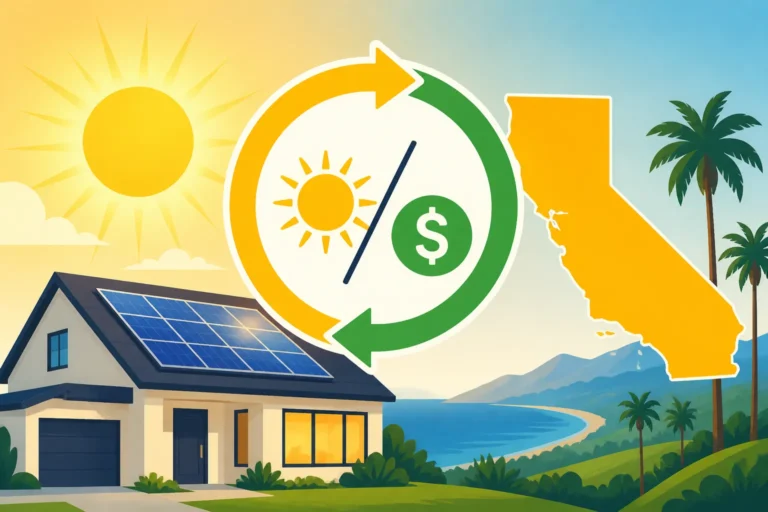
Think about it: the more you pay for electricity now, the more you stand to save when you generate your own power. Therefore, homeowners in areas with high electricity rates often see a faster payback period than those in regions with lower rates. For example, a homeowner in California, where electricity rates are notoriously high, might see quicker savings than someone in a state like Washington, where hydropower keeps rates relatively low.
Your household's electricity usage also plays a huge role. A large family running central air conditioning year-round, or someone who works from home and has a lot of electronics, will have higher energy consumption. This means more kilowatt-hours to offset with solar, leading to greater monthly savings and a quicker return on investment. If you're currently spending $300 a month on electricity, offsetting that bill will lead to much faster savings than if you only spend $80 a month. It directly impacts how much you can save with solar panels, which in turn shortens your payback time.
Solar Incentives and Rebates
Incentives are truly game-changers for solar economics, and understanding them is crucial, especially in 2026. While the federal solar tax credit has seen its share of changes, robust federal solar incentives that still exist in 2026 continue to make solar more affordable. Beyond federal programs, state solar incentives are incredibly diverse and can significantly reduce your out-of-pocket costs. Many states offer their own tax credits, grants, or performance-based incentives (PBIs).
For example, states like Massachusetts with its SMART Program or New York with NY-Sun offer substantial state-specific support that can shave years off your payback. Utility solar rebates are also common, where your local power company might offer a direct cash rebate for installing solar. These incentives act like a big discount on the initial system cost, directly reducing the top number in our simple payback formula and thereby shortening the time it takes to recoup your investment. Always do your homework to find out what's available in your specific state or even county.
Net Metering Policies
Net metering is a billing mechanism that credits solar energy system owners for the electricity they add to the grid. When your solar panels produce more electricity than you use, that excess power is sent back to the grid, and your utility credits your account. When your panels aren't producing enough (like at night), you draw power from the grid, and those credits help offset your bill. This essentially allows your utility meter to "spin backward" in terms of billing.
States with favorable net metering explained policies allow you to maximize your savings. Unfortunately, some states have moved away from full retail net metering towards less favorable compensation structures, like California's NEM 3.0 (California Net Billing). This change can significantly impact the financial benefits of solar, potentially extending the payback period. Understanding your state's specific net metering rules is vital. For instance, homeowners in Texas should research solar buyback programs in Texas, as the state does not have statewide net metering. The better your compensation for excess electricity, the faster your system will pay for itself.
System Performance and Efficiency
The efficiency of your solar panels and the overall performance of your system also play a role. Higher efficiency panels generate more electricity from the same amount of sunlight, which means more savings. Factors like the quality of your inverters (string vs microinverter vs optimizer), the orientation of your roof, and even local shading from trees or nearby buildings can impact how much power your system produces.
Even solar panel degradation over time is a factor. Most panels degrade about 0.5% to 1% per year, meaning they produce slightly less electricity each year. While this is built into long-term savings projections, choosing panels with a better degradation rate or ensuring optimal placement and minimal shading can help keep your annual production (and thus your savings) higher, contributing to a quicker payback.
Strategies to Shorten Your Solar Payback Time
If the idea of waiting over a decade for your solar panels to pay for themselves feels a bit daunting, don't worry! There are proactive steps you can take to accelerate that timeline and start enjoying pure savings sooner.
Maximizing Available Incentives
This is hands down one of the most impactful ways to shorten your payback period. Many homeowners focus solely on the federal tax credit, which is indeed significant, but they often overlook a treasure trove of state, local, and utility-specific programs. For instance, in some states, you can earn SRECs (Solar Renewable Energy Credits) by generating clean electricity, which you can then sell for additional income. Programs like Illinois Shines & Solar for All, or the New Jersey SREC-II / SuSI Program, demonstrate how valuable these localized incentives can be.
Make it your mission to uncover every incentive you qualify for. Check your state's energy office website, your local utility provider, and even your county or city. Sometimes there are specific grants for low-income solar programs or for adding solar batteries. Each incentive you leverage directly reduces your net upfront cost, making that payback point arrive much faster. Don't leave money on the table – a little research here can yield huge returns.
Smart System Sizing and Equipment Choices
It might seem counterintuitive, but sometimes less isn't more when it comes to solar. Sizing your system correctly to meet your actual energy needs, rather than just covering a portion of your bill, can optimize your savings, especially if you have favorable net metering. Over-sizing can lead to unnecessary costs if your utility doesn't compensate well for excess production, while under-sizing means you'll still have a significant electricity bill to pay.
Furthermore, the equipment you choose matters. While high-efficiency panels might have a higher upfront cost, their superior power output over decades can lead to greater cumulative savings, potentially shortening your long-term payback despite the initial expense. Explore different solar inverters, from string inverters to microinverters or power optimizers, as each has its own benefits depending on your roof's unique characteristics (like shading). Investing in quality components from reputable brands known for their durability and strong warranties can help ensure your system performs optimally for its entire lifespan, maximizing your savings year after year.
Comparing Installer Quotes Wisely
This is where many homeowners can save thousands of dollars and directly impact their payback period. Getting just one quote is like buying the first car you see – you have no idea if you're getting a fair price or the best fit for your needs. Different installers have different pricing structures, access to various equipment brands, and varying levels of customer service.
It's highly recommended to get at least three to five quotes from different solar companies. This allows you to compare not just the total price, but also the cost per watt, the specific equipment being offered, warranty terms, and estimated production. Websites and services like Modernize can be incredibly helpful here, as they connect you with pre-vetted local installers, streamlining the process of getting multiple, competitive bids. By taking the time to compare quotes thoroughly, you can often negotiate a better deal, ensuring your initial investment is as low as possible and setting you up for a faster solar payback.
Is Solar Still Worth It in 2026?
The question of whether solar is still a worthwhile investment in 2026 is on many homeowners' minds, especially with changes to incentives and fluctuating economic conditions. While the landscape evolves, the fundamental advantages of going solar remain strong, often making it a financially savvy decision, even if the payback period isn't as rapid as it might have been in previous years.
The Long-Term Financial Benefits
Beyond the initial payback period, solar panels offer a lifetime of financial advantages. Once your system has paid for itself, every kilowatt-hour it produces is essentially free electricity. This means pure savings on your utility bills for the remaining 10, 15, or even 20+ years of your system's life. Think about that: decades of drastically reduced or eliminated electricity payments, insulating you from future utility rate hikes that seem to climb steadily year after year.
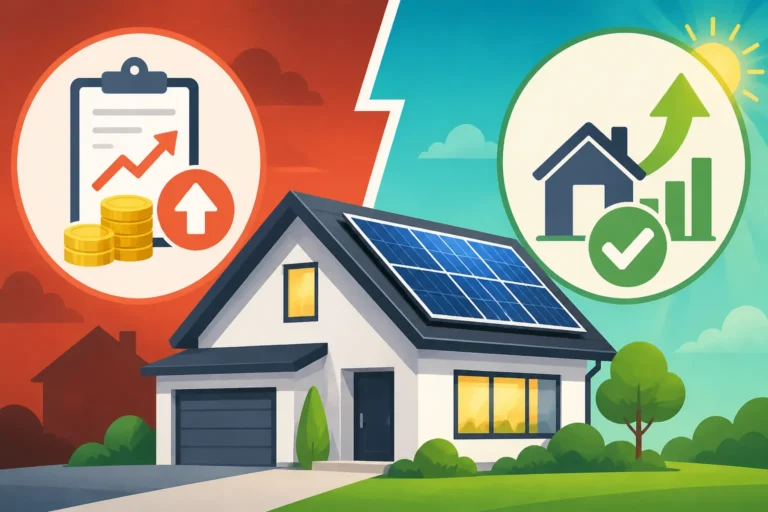
Furthermore, solar panels are a proven way to increase home value. Studies consistently show that homes with owned solar panels sell for more and often faster than comparable homes without them. This added equity is a significant, often overlooked, financial benefit. Even in regions with less favorable net metering, a well-designed system can still provide substantial savings over its 25-year operational lifespan, making it a sound long-term investment for many. If you're wondering how much value solar panels add to a home, it's often more than you might expect.
Environmental Impact and Energy Independence
While the financial return is a major driver, many homeowners are equally motivated by the desire to reduce their carbon footprint and achieve greater energy independence. Generating your own clean electricity directly reduces your reliance on fossil fuels, contributing to a healthier planet. Every solar panel installed on a rooftop means less demand on the often-outdated and carbon-intensive grid.
Moreover, having solar panels provides a sense of security and control over your energy future. You're no longer completely at the mercy of utility companies and their ever-changing rates. With the addition of a solar battery, you can even achieve a significant degree of energy independence, ensuring you have backup power during outages – a benefit that, for many, is priceless. It's about more than just money; it's about investing in a sustainable future for your family and community.
| Factor | Impact on Payback Period | Example |
|---|---|---|
| High Initial Cost | Lengthens | Choosing premium panels and a large battery, but with no incentives. |
| Low Initial Cost | Shortens | Finding competitive bids (e.g., through Modernize) and securing strong incentives. |
| High Electricity Rates | Shortens | Homeowner in California vs. homeowner in a state with low, regulated rates. |
| Low Electricity Rates | Lengthens | Less savings to offset the initial investment. |
| Generous Incentives | Shortens | State tax credits, SRECs, utility rebates reducing out-of-pocket costs. |
| Few/No Incentives | Lengthens | Relies purely on electricity bill savings. |
| Favorable Net Metering | Shortens | Full retail net metering, maximizing credits for excess energy. |
| Unfavorable Net Metering | Lengthens | Low export rates for excess energy, as seen with some NEM 3.0 scenarios. |
| High System Efficiency | Shortens | Maxeon or SunPower panels producing more power per square foot. |
| Low System Efficiency | Lengthens | Older technology panels, or significant roof shading reducing output. |
Disclaimer
The information provided in this article is for general informational purposes only and does not constitute financial, tax, or legal advice. Solar incentive programs, electricity rates, and regulations change frequently. We highly recommend consulting with a qualified solar professional and financial advisor to assess your specific situation and determine the best course of action for your home.