Is a Tesla Powerwall Worth It?
The unsettling reality of power outages, coupled with the ever-present anxiety of skyrocketing electricity bills, leaves many homeowners searching for real solutions. You’ve invested in solar panels, a fantastic step towards energy independence, but now you’re wondering: what about when the sun goes down, or the grid unexpectedly cuts out? This is where battery storage comes into play, and often, the first name that comes to mind is the Tesla Powerwall. This guide will meticulously break down whether a Tesla Powerwall is truly a worthwhile investment for your home, examining its features, benefits, costs, and practical implications.
Understanding the Tesla Powerwall: More Than Just a Battery
When people talk about the "Tesla Powerwall," they're referring to a compact, rechargeable lithium-ion battery system designed to store energy from your solar panels, the grid, or both. It's not just a standalone battery, though; it's a sophisticated energy management system that integrates seamlessly with your existing solar setup and your home's electrical system. Think of it as the brain and brawn behind your home's energy resilience, ensuring you have power when you need it most, regardless of what the utility company is doing.
How It Integrates with Your Solar System
For most homeowners, the primary function of a Powerwall is to capture and store excess solar energy generated during the day. Your solar panels are probably hard at work soaking up the sun's rays, often producing more electricity than your home is currently consuming. Instead of sending all that surplus back to the grid for minimal credit—especially in areas with less favorable programs like What Is NEM 3.0 (California Net Billing)?—the Powerwall acts as a personal energy bank. It stores this clean, free energy, ready to be deployed later.
This stored energy becomes invaluable in the evenings when your solar panels aren't producing, but your household consumption peaks. Instead of drawing expensive electricity from the grid, your home can seamlessly switch to using the power stored in your Powerwall. This process is entirely automated, so you won't even notice it happening, apart from a potential sigh of relief when you see your lower energy bill. It truly maximizes the value of your solar investment, making your home more self-sufficient.
Key Specifications and Features
The Tesla Powerwall system is quite impressive in its technical capabilities. The current iteration, the Powerwall 3, offers a substantial energy capacity, typically around 13.5 kWh of usable energy, and a continuous power output designed to handle the demands of an entire home. This means it can keep essential appliances running, and often much more, during an outage.
Beyond its raw power and capacity, the Powerwall boasts a built-in inverter, simplifying installation and integration. It's also known for its sophisticated software, which constantly monitors your energy usage, solar production, and grid conditions to optimize charging and discharging. This intelligent management system ensures that the battery is always working in your best interest, whether that's providing backup power, maximizing solar self-consumption, or participating in virtual power plants where available. For a deeper dive into its capabilities, you might want to check out a dedicated Tesla Powerwall 3 Review.
The Technology Behind It
At its core, the Powerwall uses advanced lithium-ion battery chemistry, similar to what's found in Tesla's electric vehicles. This technology offers high energy density, allowing a significant amount of power to be stored in a relatively compact unit. Tesla also incorporates robust thermal management systems to ensure the battery operates safely and efficiently across a wide range of temperatures.
The design is sleek and minimalist, usually mounted on a wall in your garage or on the exterior of your home. It's built to withstand various weather conditions, a crucial factor for a piece of equipment designed to provide reliability. The entire system is monitored and controlled through the intuitive Tesla app, giving you real-time insights into your energy production, consumption, and battery status right from your smartphone, which is a definite plus for anyone who loves to keep an eye on their home's performance.
The Real-World Benefits and Trade-offs of Powerwall Ownership
Deciding whether to add a battery storage system like the Powerwall to your solar setup involves weighing its compelling advantages against some notable drawbacks. It's not a one-size-fits-all solution, and what makes it "worth it" for one homeowner might not for another. Understanding these pros and cons is essential for making an informed decision about your home's energy future.
Power Outage Protection and Grid Resilience
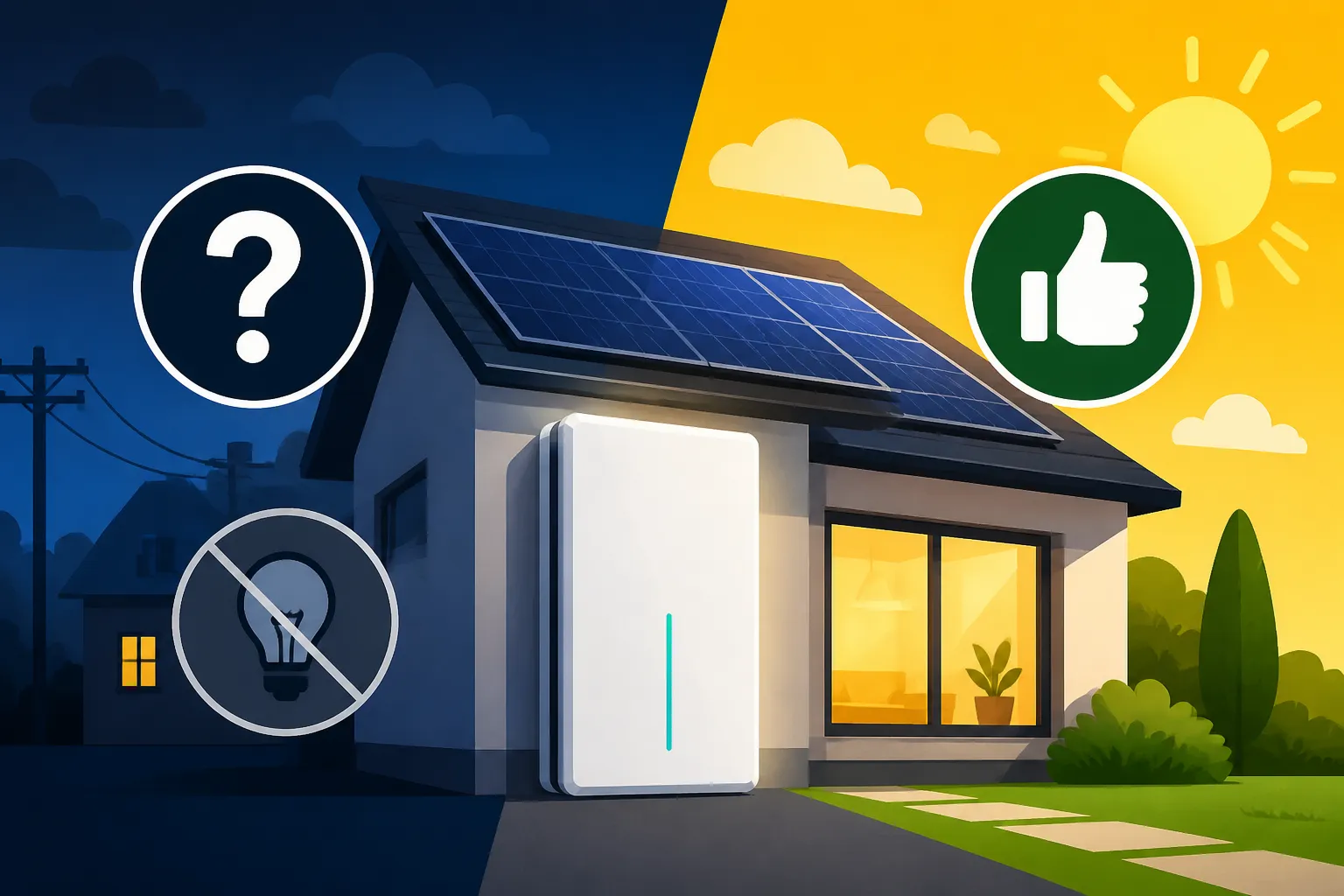
Let's face it, power outages are incredibly disruptive. Whether it's a summer thunderstorm knocking out lines in Florida, winter ice storms hitting the Northeast, or planned public safety power shutoffs in California due to wildfire risks, losing power can range from an annoyance to a genuine emergency. This is where the Powerwall truly shines. When the grid goes down, the Powerwall automatically detects the outage and seamlessly switches your home's power supply from the grid to its stored energy, often in milliseconds. You might not even notice a flicker.
This ability to provide uninterrupted backup power is a huge peace of mind for many families. Imagine your refrigerator staying cold, your Wi-Fi remaining active, and your lights staying on while your neighbors are in the dark. It’s not just about comfort; it’s about safety and maintaining crucial services like communication and medical devices. The Powerwall essentially creates a microgrid for your home, making you less vulnerable to external disruptions. It provides a level of energy independence that standard grid-tied solar systems cannot offer on their own, because traditional solar setups automatically shut down during an outage to protect utility workers.
Optimizing Solar Self-Consumption and Time-of-Use Savings
Beyond backup, the Powerwall plays a critical role in maximizing the financial benefits of your solar panels, especially in regions with complex utility rate structures. Many utility companies now employ "Time-of-Use" (TOU) rates, where electricity costs significantly more during peak demand hours (often late afternoon and early evening) and less during off-peak times. With solar panels alone, you might be generating electricity during the day when rates are low, and then buying expensive grid power at night.
A Powerwall effectively solves this problem. It stores your daytime solar production and then automatically discharges that stored energy to power your home during those expensive peak hours. This significantly reduces your reliance on grid electricity when it's most costly, leading to substantial savings on your monthly utility bill. In states like California, with its revised net metering rules (NEM 3.0), or in areas where net metering is less generous, the Powerwall becomes almost essential to making your solar investment truly pay off. It allows you to become an active manager of your own energy, rather than a passive consumer.
The Downsides: Cost, Installation Complexity, and Ecosystem Dependency
Of course, the Powerwall isn't without its challenges. The most significant barrier for many homeowners is the upfront cost. Installing a Powerwall, especially in combination with solar, represents a substantial investment. While you can look into Solar Battery Incentives in 2026 or Federal Solar Incentives That Still Exist in 2026 at the state and local levels to help offset some of the expense, the initial outlay is still considerable. For a detailed breakdown, explore How Much Does a Tesla Powerwall Cost?.
Beyond the price tag, installation can be complex. It requires certified installers and often involves electrical panel upgrades, depending on your home's existing setup. It's not a simple plug-and-play device you'd order from, say, Amazon, and install yourself. Furthermore, choosing a Tesla Powerwall means you're largely committing to the Tesla ecosystem. While this offers seamless integration and a polished user experience, it might limit your flexibility if you prefer to mix and match components from different manufacturers down the line. It's a significant commitment to a single brand's technology.
The Price Tag and Your Return on Investment
Let's talk numbers, because for many, the financial viability is a crucial part of the "worth it" equation. The investment in a Tesla Powerwall is considerable, but its value extends beyond just dollar signs to include resilience, energy independence, and environmental benefits. Still, understanding the costs and potential savings is paramount.
Upfront Costs and Installation Factors
The initial cost of a Tesla Powerwall typically ranges from about $10,000 to $15,000 per unit, before installation and any incentives. Keep in mind that many homes might require two Powerwalls to achieve sufficient backup capacity or energy storage, especially if you have higher energy demands or want to power your entire home during an extended outage. Installation costs can vary significantly depending on your home's existing electrical infrastructure, permit requirements in your area, and the complexity of integrating it with your solar system. Factors like trenching for outdoor installations or electrical panel upgrades can add thousands to the final price.
It's vital to get a comprehensive quote from a certified Tesla installer that breaks down all these elements. Don't be shy about asking questions about every line item. While you might occasionally find components or accessories on Amazon for related smart home devices, the Powerwall itself requires professional handling and installation to ensure safety and proper functionality. The overall cost for a Solar Plus Battery Cost system is definitely higher than solar panels alone.
Long-Term Savings and Financial Incentives
Despite the hefty upfront cost, the Powerwall can generate significant long-term savings. As discussed, it allows you to arbitrage electricity prices by storing cheap solar energy and using it when grid electricity is expensive, mitigating the impact of Time-of-Use rates. It also reduces your reliance on the grid, protecting you from future electricity rate hikes. Over the 10-15 year lifespan of the battery (and often longer with proper care), these savings can really add up.
Currently, the federal solar tax credit (the Investment Tax Credit, or ITC) applies to solar battery storage systems like the Powerwall when installed alongside a new solar system or as part of a solar energy property improvement. This can reduce your system cost by 30% for installations placed in service through 2032. While the main federal solar tax credit has seen changes over the years, thankfully, eligibility for solar batteries remains strong. Beyond federal incentives, many states offer their own programs, such as rebates or tax credits for battery storage. For instance, some states have specific programs aimed at grid resiliency. Be sure to research State Solar Incentives: Complete 2026 Guide and Solar Battery Incentives in 2026 for your specific location. These incentives are crucial for improving the overall return on investment.
Comparing Powerwall to Other Battery Storage Options
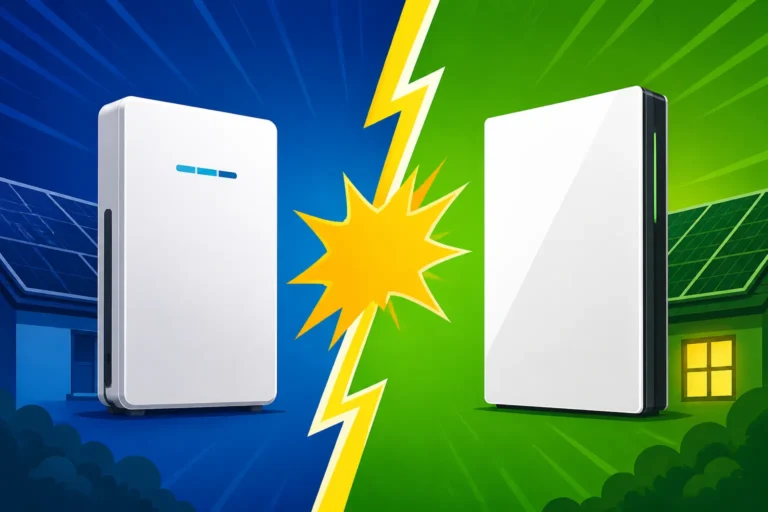
The market for home battery storage is growing, and Tesla's Powerwall isn't the only player. Competitors like Enphase, with their IQ Battery series, and FranklinWH with their aPower systems, offer compelling alternatives. Each system has its own strengths and weaknesses in terms of capacity, power output, integration, and warranty. For example, some homeowners prefer the modularity of Enphase systems, especially if they have an existing Enphase microinverter solar setup. Others might appreciate the robust backup capabilities of a particular brand.
| Feature | Tesla Powerwall (e.g., Powerwall 3) | Enphase IQ Battery (e.g., IQ Battery 5P) | FranklinWH aPower |
|---|---|---|---|
| Usable Capacity | ~13.5 kWh | ~5.0 kWh (per module) | ~13.6 kWh |
| Continuous Power | ~11.5 kW | ~3.84 kW (per module) | ~5 kW |
| Built-in Inverter | Yes | Yes (AC-coupled) | Yes (AC-coupled) |
| Scalability | Up to 10 Powerwalls | Highly modular | Stackable |
| Backup Capability | Whole home / partial home | Whole home / partial home | Whole home |
| Warranty | 10 years | 15 years | 12 years |
| Grid Interaction | Grid-tied, off-grid capable | Grid-tied, off-grid capable | Grid-tied, off-grid capable |
| Primary Use Case | Backup, TOU optimization | Backup, TOU optimization, modular | Whole-home backup |
The best choice often depends on your specific needs, existing solar equipment, and budget. For a detailed comparison, you might find articles like Tesla Powerwall vs Enphase IQ Battery helpful. It's always a good idea to get quotes and system designs from multiple installers offering different battery brands to see which solution best fits your household.
Deciding If a Powerwall is Right for Your Home
So, after all this information, how do you decide if a Tesla Powerwall is truly worth it for your unique situation? It boils down to a personalized assessment of your energy needs, local conditions, and what you value most in a home energy system.
Assessing Your Energy Needs and Lifestyle
The first step is to honestly evaluate your current and future energy consumption. Do you have a large family with heavy appliance use, or are you a single individual with minimal power needs? Do you work from home and rely heavily on constant internet access, or are you rarely home during the day? Homes with high energy consumption, particularly during peak evening hours, will see greater financial benefits from a Powerwall's ability to offset expensive grid electricity.
Consider your comfort level with power outages. If you live in an area prone to frequent or lengthy blackouts and find them highly disruptive to your daily life, the peace of mind offered by the Powerwall's seamless backup can be priceless. For some, ensuring medical equipment or critical home office systems remain operational during an outage is a non-negotiable requirement. On the other hand, if outages are rare and brief in your area, and you don't mind a few hours without power, the primary "worth" might shift more towards financial savings rather than emergency preparedness. A related question to ask yourself is, Do I Need a Battery With Solar?
Regional Considerations: Grid Reliability and Local Incentives
Where you live plays a massive role in the Powerwall's value proposition. As mentioned, states with less favorable net metering policies or high Time-of-Use rates—like California, where How Does California Net Billing (NEM 3.0) Affect Savings? can significantly impact solar economics—make battery storage a much more financially attractive option. In these scenarios, storing your excess solar energy instead of sending it back to the grid for minimal credit becomes a smart move.
Also, consider your local utility's grid reliability. Are you in an area with aging infrastructure, frequent severe weather events, or a history of planned power shutoffs? If so, the Powerwall's backup capabilities jump in value. Conversely, if your grid is exceptionally stable and reliable, the backup aspect might be less critical for you. Don't forget to research specific local and state incentives for battery storage, as these can drastically improve your return on investment. Some regions even have programs where your Powerwall can participate in virtual power plants, earning you additional credits by allowing the utility to draw small amounts of power from your battery during peak grid demand.
Future-Proofing Your Home
Investing in a Powerwall can also be seen as a way to future-proof your home against evolving energy landscapes. With the increasing adoption of electric vehicles (EVs) and smart home devices, household electricity demand is only expected to rise. A Powerwall helps manage this increased load, especially if you plan to charge an EV at home, potentially at night when electricity is more expensive. It allows you to use your own stored solar energy, reducing reliance on the grid and buffering against future energy price volatility.
Furthermore, as climate concerns grow and renewable energy integration becomes more critical, having a battery storage system positions your home at the forefront of sustainable living. It’s an investment not just in your personal energy independence but also in a cleaner, more resilient energy future. Considering that How Long Do Solar Panels Last? (typically 25-30 years) and a battery can extend your independence, this long-term perspective is crucial. For more context on overall system needs, you can also explore How Many Solar Panels Do I Need for My Home?.
Ultimately, the decision to invest in a Tesla Powerwall is a personal one, balancing the significant upfront costs with the substantial benefits of energy independence, financial savings, and peace of mind during outages. It's a premium product offering premium capabilities, and its worth is often best measured by how much you value those benefits in your specific home and region.
Disclaimer
Please remember that the information provided in this article is intended for general informational purposes only and does not constitute financial, tax, or professional energy advice. Solar incentives, costs, and regulations can vary significantly by location and change frequently. It is always recommended to consult with qualified solar professionals and financial advisors to determine the best energy solutions for your specific circumstances.