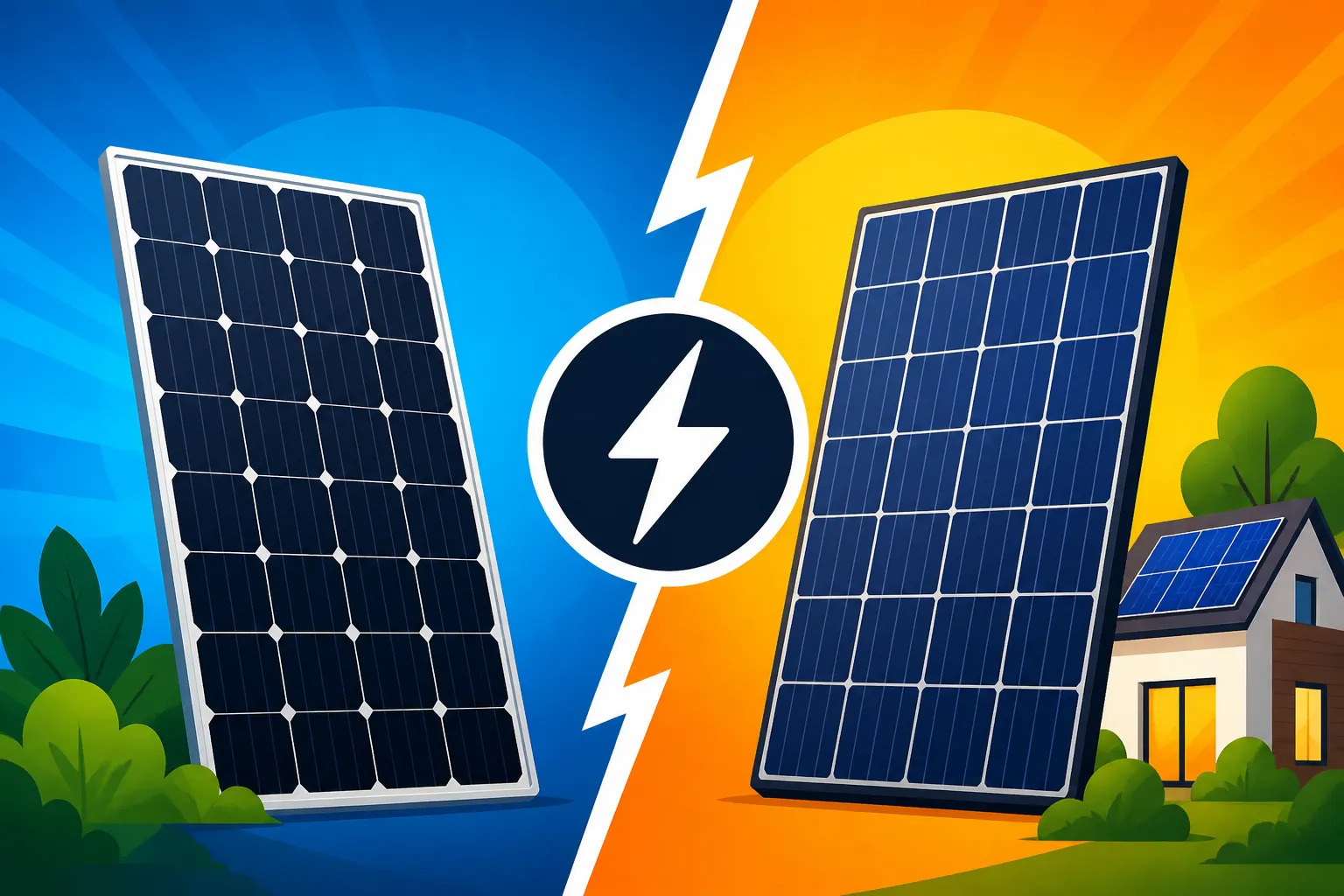
Maxeon vs REC Solar Panels
Choosing the right solar panels can feel like navigating a maze, especially when you're trying to compare top-tier manufacturers. It’s easy to get bogged down by technical jargon and conflicting claims, leaving you wondering if you’re truly making the best long-term investment for your home. This comprehensive guide is designed to cut through that noise, offering a clear, in-depth comparison of Maxeon and REC solar panels to help you confidently decide which brand might be the perfect fit for your solar journey.
Understanding Maxeon Solar Panels
When you hear "Maxeon," it's often linked with its strong legacy as the premium solar panel brand, formerly known as SunPower. They've built a reputation for pushing the boundaries of solar technology, consistently aiming for higher efficiency and extreme durability. Many homeowners who prioritize maximum performance and a long-lasting investment often gravitate towards Maxeon for these very reasons.
Maxeon's Unique Technology and Performance
Maxeon panels stand out primarily due to their unique cell architecture. Unlike conventional solar cells that have grid lines and electrical contacts on the front, Maxeon utilizes a solid copper foundation and back-contact cells. This design means that shading on the front grid lines, which can reduce power output, is eliminated. The copper foundation also makes the cells incredibly resistant to cracking and corrosion, which are common causes of degradation in standard panels over time. Imagine a tiny, resilient power plant on your roof, meticulously engineered to withstand the elements and keep performing year after year.
This innovative approach translates directly into superior performance. Maxeon panels typically boast some of the highest efficiency ratings in the residential market, often exceeding 22-23%. For a homeowner with limited roof space in a bustling area like San Francisco or Boston, where every square foot counts, these higher efficiencies mean you can generate more electricity with fewer panels. This also leads to lower degradation rates, meaning your panels lose less of their initial power output over their lifespan, contributing to consistent energy production for decades.
Maxeon's Reputation and Warranty Coverage
Maxeon has cultivated a well-deserved reputation as a premium brand in the solar industry, and their pricing often reflects this. You're not just buying a solar panel; you're investing in decades of research and development, stringent quality control, and a promise of enduring performance. While the initial cost might be higher than some other options, many homeowners view it as a wise investment, especially considering the long-term savings and peace of mind.
One of Maxeon's most compelling features is its industry-leading warranty. They often offer a comprehensive 40-year warranty, which covers product defects, performance degradation, and even service and labor. This incredible length far surpasses the industry standard of 25 years. This means if a panel fails or its performance drops below a guaranteed threshold within 40 years, Maxeon will replace it, and often cover the labor for that replacement. This kind of assurance is a significant factor for homeowners looking for absolute reliability and minimum hassle for nearly half a century. Understanding these comprehensive guarantees is crucial for anyone evaluating long-term value, and you can learn more about Solar Panel Warranties Explained to see how Maxeon stacks up.
Deep Dive into REC Solar Panels
REC is another name that consistently comes up when discussing high-quality solar panels, and for good reason. They've carved out a niche for themselves by focusing on innovation, sustainable manufacturing, and delivering robust performance that appeals to a wide range of homeowners. While often compared to Maxeon, REC offers its own distinct advantages and technological prowess.
REC's Innovation and N-Peak Technology
REC has been a significant player in the solar manufacturing space for a long time, originating from Norway and now having a strong global presence. Their commitment to innovation is evident in their pioneering use of half-cut cell technology and their advanced N-type TOPCon cells, such as those found in their popular REC Alpha Pure-R series. Half-cut cells essentially double the number of cells per panel, which reduces electrical resistance and improves performance, especially in conditions of partial shading. If your roof has a few trees that cast shadows at different times of the day, a system with REC Alpha panels might actually perform better throughout the day compared to panels with full-sized cells.
Their N-type TOPCon technology further boosts efficiency and performance by minimizing light-induced degradation (LID) and potential-induced degradation (PID), two common issues that can slowly reduce a panel's output over time. This makes REC panels highly reliable and efficient, even in demanding environments. They emphasize a highly automated and integrated manufacturing process, which contributes to consistent quality and lower environmental impact – something many eco-conscious homeowners appreciate.
REC's Market Position and Warranty Offerings
REC panels are generally positioned as a premium-quality option, offering excellent performance and reliability at a competitive price point. They often represent a sweet spot for homeowners who want top-tier technology without necessarily reaching for the absolute highest price tag. Their strong reputation for quality makes them a favorite among many solar installers who value dependable products for their customers.
When it comes to warranties, REC offers competitive terms that reflect their confidence in their products. Typically, you'll see a 25-year product warranty and a 25-year performance warranty on their panels. The product warranty covers manufacturing defects, while the performance warranty guarantees a certain power output over time – for example, guaranteeing that the panel will still produce 86% of its initial power after 25 years. What's more, if you have your REC panels installed by a certified REC Solar Professional, you can often qualify for an extended warranty, sometimes up to 25 years for both product and labor, bringing it closer to the comprehensive coverage offered by Maxeon, though typically not matching the 40-year duration. These extended options can make a big difference in long-term peace of mind, so it's always worth asking your installer about them.
Direct Comparison: Maxeon vs. REC
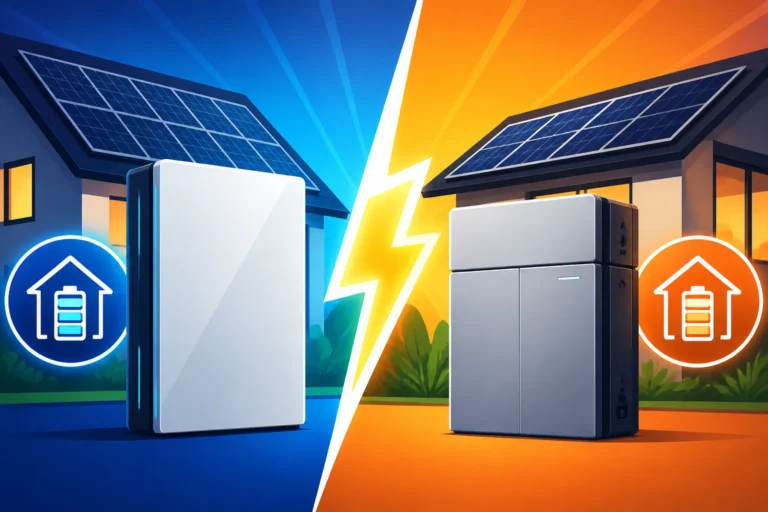
Now that we've taken a good look at each brand individually, let's put them side-by-side. For many homeowners, the real decision comes down to the subtle differences that make one a better fit for their specific needs, budget, and priorities. It’s not about one being definitively “better” in every single category, but rather which one aligns more closely with your personal goals for going solar.
Key Performance Metrics and Efficiency
When we talk about solar panel performance, efficiency is often the first thing that comes to mind. Maxeon panels, with their unique back-contact cell design, consistently push the upper limits of efficiency, often reaching over 23%. This means they can convert more sunlight into electricity per square foot than almost any other panel on the market. This is a huge advantage for smaller roofs or homeowners trying to maximize energy production in a compact area.
REC panels, while perhaps not reaching the absolute peak of Maxeon's efficiency in every model, are still highly efficient, typically ranging from 21-22% with their Alpha series. Their half-cut cell and N-type TOPCon technologies contribute to excellent real-world performance, particularly in sub-optimal conditions like partial shading or higher temperatures. For instance, REC panels often have a very good temperature coefficient, meaning they maintain more of their efficiency in hot climates.
Let's look at a quick comparison:
| Feature | Maxeon (e.g., Maxeon 6) | REC (e.g., REC Alpha Pure-R) |
|---|---|---|
| Typical Efficiency | 22.8% – 23.2% | 21.7% – 22.3% |
| Degradation Rate (Year 1) | 0.25% – 0.3% | 0.3% – 0.34% |
| Degradation Rate (Annual thereafter) | 0.25% | 0.25% – 0.28% |
| Power Output Warranty (Year 25) | 92% – 93.5% | 92% – 92.5% |
| Product Warranty | 40 Years | 20-25 Years (extendable to 25) |
| Cell Technology | Monocrystalline, Back-Contact | N-type TOPCon, Half-Cut, Heterojunction (HJT) |
While the numbers might seem small, these differences can add up to significant energy production over a 25-year or 40-year lifespan. For a homeowner in, say, Phoenix, Arizona, where temperatures soar, REC's temperature performance might slightly edge out others, while someone in a cloudy Seattle with limited roof space might favor Maxeon's peak efficiency. Delving deeper into specifics can really illustrate how Solar Panel Efficiency & Degradation Explained impacts your long-term output.
Durability, Aesthetics, and Physical Attributes
Both Maxeon and REC are known for their high build quality, designed to withstand various weather conditions. Maxeon's solid copper foundation makes its cells inherently more flexible and resistant to microcracks, which are tiny fractures that can occur during installation or from environmental stress, leading to long-term power loss. Their panels are built for extreme durability, often featuring robust frames and superior encapsulation to protect the cells.
REC panels also boast excellent durability, with solid frames and advanced glass. Their half-cut cell design, in addition to performance benefits, also contributes to better shade tolerance and can reduce stress on individual cells. Aesthetically, both brands offer sleek, all-black options that blend seamlessly into most roofs, a major plus for homeowners concerned about curb appeal. However, Maxeon's frameless or minimalist frame options on some models can give them a slight edge in pure visual integration. Maxeon often has a slightly more "invisible" look depending on the model, appealing to those who want the panels to disappear into the roofline.
Cost, Availability, and Overall Value Proposition
This is often where the rubber meets the road for many homeowners. Maxeon panels typically come with a higher upfront cost per watt compared to REC. This premium is justified by their industry-leading efficiency, superior durability, and an unparalleled 40-year warranty. If your budget allows, and you prioritize maximum long-term peace of mind and performance, Maxeon is a strong contender. For a deep dive into how pricing is calculated, you might find our guide on Solar Panel Cost Per Watt Explained incredibly useful.
REC panels offer an excellent balance of high performance, strong durability, and competitive pricing. They are generally more accessible from a cost perspective than Maxeon, while still delivering efficiency and reliability that far exceed many other brands. For many homeowners, REC provides a fantastic value proposition: premium quality and strong warranties without the absolute top-tier price tag. Their widespread availability through various certified installers across the country also makes them a popular choice. When considering the Average Solar Panel Cost in 2026, REC often sits comfortably in the upper-middle segment, offering a compelling blend of features and price.
When you are researching specific models, don't hesitate to check platforms like Amazon, not necessarily to buy panels directly, but to compare specifications, read reviews, and get a broader sense of the market. While large purchases like solar panels won't be made on Amazon, understanding the market and technical specs there can empower you in conversations with installers.
Choosing the Right Panel for Your Home
Deciding between Maxeon and REC isn't just about comparing spec sheets; it's about evaluating what truly matters for your unique home and energy goals. Both are fantastic, top-tier choices, so it often boils down to subtle preferences and priorities. Don't let the technical details overwhelm you; instead, focus on what will give you the most satisfaction and savings in the long run.
Factors to Consider Beyond Brand Names
While brand reputation and panel specifications are important, they are just part of the puzzle. Start by looking at your roof. Do you have a small roof with limited space, or a large, unobstructed surface? If space is tight, Maxeon’s higher efficiency might yield more power from fewer panels. What about shading? If your roof experiences partial shading throughout the day from trees or chimneys, REC's half-cut cells and excellent low-light performance might provide more consistent energy production.
Consider your local climate. While both perform well, specific temperature coefficients might give one a slight edge in extreme heat. Think about your budget, too. While both are premium, the cost difference can be significant, and it’s important to align your investment with what you’re comfortable spending. Aesthetics also play a role; do you prefer an all-black panel that seamlessly integrates, or is functionality your absolute top priority? Finally, it's always wise to research What Affects the Cost of Solar Panels? in your area before making a final decision.
Installer Expertise and System Design
Perhaps even more critical than the panel brand is the quality of your installer and their system design. A poorly designed system with the "best" panels won't perform as well as a well-designed system with slightly less efficient, but still high-quality, panels. Your installer will assess your energy needs, roof characteristics, and local regulations to propose a system that maximizes your savings.
Some installers might have preferred partnerships with certain brands, which could affect availability or pricing. For example, some companies might specialize in installing Maxeon panels and be able to offer better deals or more in-depth expertise on those specific products. The same goes for REC. It's vital to get quotes from multiple reputable solar companies. Asking detailed questions about their experience with both Maxeon and REC, and how they would design a system specifically for your home's unique conditions, is key. Our guide on How to Choose a Solar Installer provides excellent advice on vetting potential partners.
Don't forget that the inverter choice also significantly impacts system performance and monitoring. Whether your installer recommends string inverters, microinverters, or power optimizers can affect how each panel's output is managed, especially in shaded conditions. You can read more about Solar Inverters: String vs Microinverter vs Optimizer to understand these critical components. Even browsing solar system components on a site like Amazon can give you an idea of the various monitoring solutions available.
Ultimately, both Maxeon and REC are excellent choices that will likely serve your home well for decades. The "better" panel for you will be the one that best fits your specific roof, budget, long-term goals, and is installed by a skilled and reputable professional. Don't be afraid to ask for detailed quotes comparing systems using both brands.
Disclaimer
The information provided in this article is for general informational purposes only and does not constitute financial, legal, or professional advice. Solar panel costs, incentives, and performance can vary significantly based on location, system size, installation specifics, market conditions, and changes in policy. Always consult with a qualified solar professional and financial advisor before making any decisions related to solar energy investments. While we strive to provide accurate and up-to-date information, we cannot guarantee its completeness or accuracy.