Best Solar Inverters of 2026
Picking out solar panels often feels like the main event when you're considering going solar, but let's be honest, trying to understand the different types of inverters can feel like wading through a highly technical swamp. It's a critical component, literally the brain of your solar energy system, and choosing the right one can significantly impact your system's efficiency, reliability, and how much power you actually get to use. This guide will demystify solar inverters and help you navigate the best options available, ensuring you make an informed decision for your home.
Understanding the Crucial Role of a Solar Inverter
Many homeowners get caught up in panel wattage and aesthetic, but the inverter is where the magic really happens. Without a high-quality inverter, even the most efficient solar panels can't deliver their full potential. It's not just a fancy box; it's the bridge between your solar array and your home's electrical system, and ultimately, the grid.
What an Inverter Does for Your Solar System
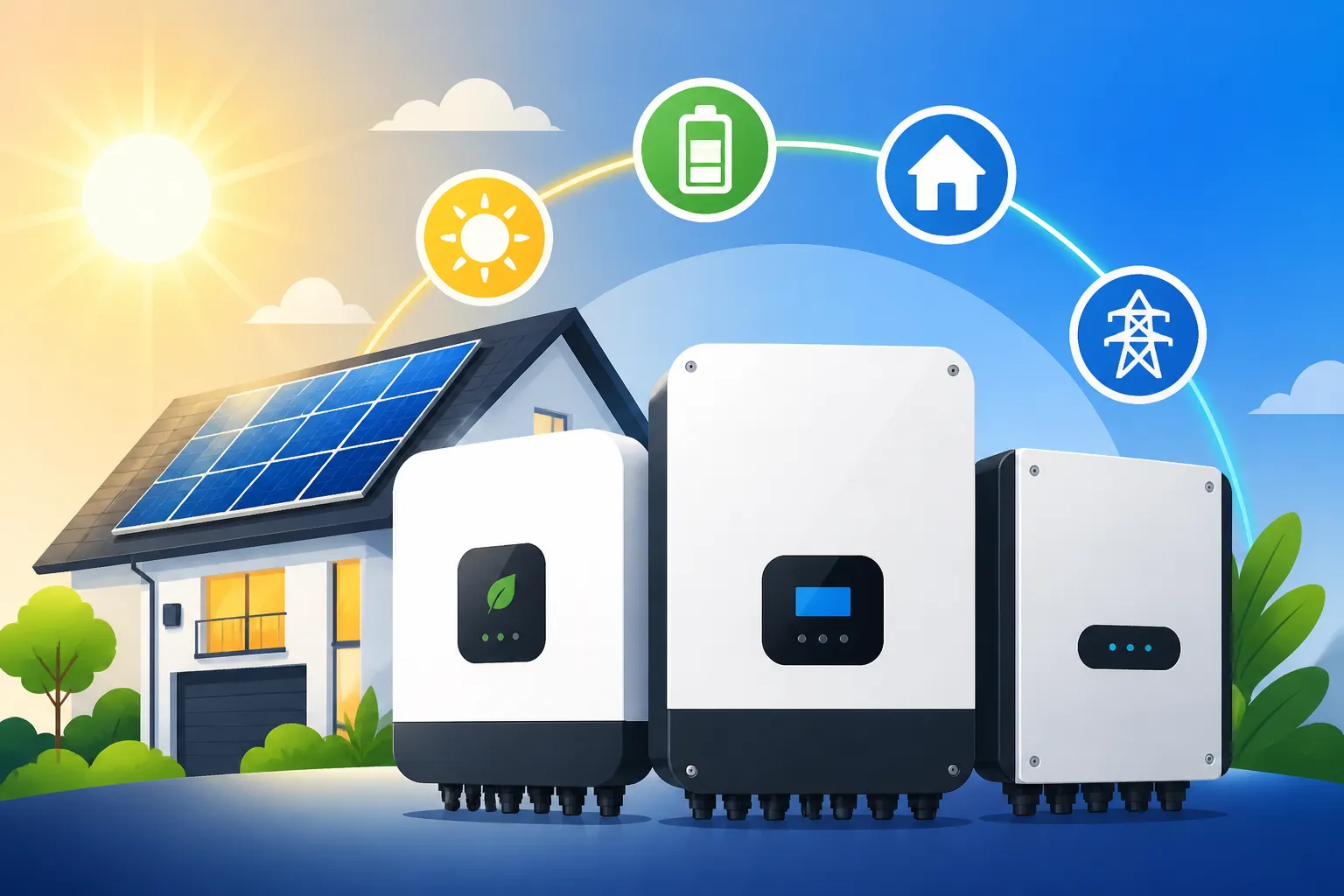
At its core, a solar inverter's job is to convert direct current (DC) electricity, which is what your solar panels produce from sunlight, into alternating current (AC) electricity. Why is this so important? Because virtually every appliance in your home, from your refrigerator to your television, runs on AC power. Your home's electrical grid is also AC, so for your solar-generated electricity to be useful and to be able to send any excess back to the utility, it must be converted.
Think of it like translating a language. Your panels speak DC, your home speaks AC, and the inverter is the essential translator making sure everyone understands each other. A good inverter does this conversion with minimal loss, maximizing the usable energy from your panels. This is crucial for optimizing your overall savings, especially when you consider factors like Solar Panel Cost Per Watt Explained and how different components contribute to the total system efficiency.
Why the Inverter is the Brain of Your PV Setup
Beyond simply converting DC to AC, modern solar inverters are incredibly sophisticated pieces of technology. They act as the central control unit for your entire solar array. Many inverters come equipped with advanced monitoring capabilities, allowing you to track your system's performance in real-time, identify any issues, and even predict future energy production. For instance, if a specific panel is underperforming due to shading or debris, a smart inverter system can often pinpoint the exact location of the problem.
They also handle critical safety functions, such as rapid shutdown capabilities, which are now often required by electrical codes to protect first responders. Furthermore, they manage grid synchronization, ensuring that the electricity your system feeds into the utility grid is perfectly matched in voltage and frequency. This "brain" function is why understanding the capabilities of your chosen inverter is just as important as selecting Best Solar Panels of 2026. It's the component that truly integrates your solar panels into a functioning, efficient home energy solution.
Types of Solar Inverters: Finding Your Perfect Match
The solar inverter market offers a few distinct technologies, each with its own set of advantages and ideal use cases. Understanding these differences is key to choosing the right system for your unique home and energy needs. It's not a one-size-fits-all situation, and what works best for your neighbor might not be the optimal solution for you.
String Inverters: The Traditional Workhorse
String inverters are the most traditional and often the most cost-effective option for many homeowners. In a system with a string inverter, multiple solar panels are wired together in a "string," and the DC electricity from that entire string is fed into a single central inverter, typically located near your main electrical panel or outside your house. The inverter then converts the combined DC power to AC power.
This setup is generally robust and reliable, with fewer individual components than other systems. If your roof has uniform sun exposure throughout the day, without much shading from trees, chimneys, or other obstructions, a string inverter can be a highly efficient and economical choice. However, a major drawback is that if one panel in a string underperforms (due to shade, dirt, or damage), it can drag down the performance of every other panel in that same string, impacting your overall energy production. This can be a significant concern if you have a complex roofline or frequent shading issues.
Microinverters: Panel-Level Power Optimism
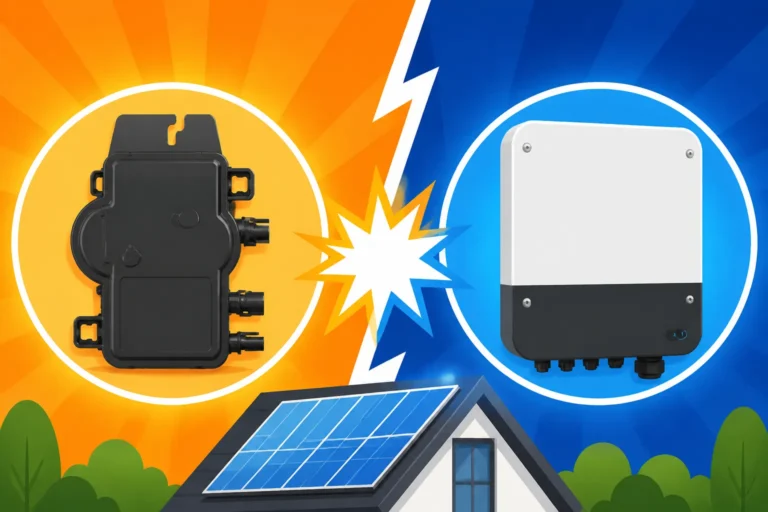
Microinverters represent a more advanced approach, addressing many of the limitations of string inverters. Instead of one central inverter for many panels, each individual solar panel has its own small microinverter attached directly to its back. This means the DC-to-AC conversion happens at the panel level.
The biggest advantage of microinverters is their ability to optimize power production independently for each panel. If one panel is shaded or dirty, it won't affect the performance of the other panels in the array. This translates to higher overall system efficiency, especially for roofs with partial shading or varying orientations. Microinverters also offer granular monitoring, allowing you to see the performance of each individual panel, which makes troubleshooting much easier. Brands like Enphase Energy are synonymous with this technology, offering systems that are known for their reliability and long warranties. While they generally have a higher upfront cost than string inverters, their long-term benefits in terms of energy harvest and monitoring can often justify the investment, especially when paired with an Enphase IQ8 Microinverter Review.
Power Optimizers: Bridging the Gap
Power optimizers offer a hybrid solution, blending some of the benefits of microinverters with the cost-effectiveness of string inverters. In a system with power optimizers, each solar panel has a small optimizer unit attached to it. These optimizers condition and "optimize" the DC power at the panel level, mitigating the effects of shading or panel-level inefficiencies, similar to microinverters. However, unlike microinverters, they don't convert DC to AC. Instead, the optimized DC power from all the panels is then sent to a single, central string inverter for the final DC-to-AC conversion.
This setup helps maximize the output of each panel, ensuring that an underperforming panel doesn't bring down the entire string. You get improved performance in shaded conditions and panel-level monitoring, but with the cost benefits of a single string inverter. SolarEdge is a leading brand in this space, providing integrated systems where their optimizers work seamlessly with their inverters. For homeowners looking for enhanced performance without the full cost of a microinverter system, power optimizers can be an excellent middle-ground. To understand the differences more clearly, you might want to read Microinverter vs String Inverter: Pros and Cons.
Here's a quick comparison of these three main inverter types:
| Feature | String Inverter | Microinverter | Power Optimizer + String Inverter |
|---|---|---|---|
| DC-AC Conversion | Centralized (one unit) | Per panel (individual units) | Centralized (one unit after optimization) |
| Shading Impact | High (entire string affected) | Low (only affected panel) | Low (affected panel's output optimized) |
| System Cost | Lower upfront | Higher upfront | Medium upfront |
| Monitoring | System-level | Panel-level | Panel-level |
| Expansion | Can be complex | Easier, modular | Relatively easy |
| Reliability Concern | Single point of failure | Multiple points of failure (but isolated) | Single point of failure (inverter) |
| Ideal For | Unshaded, simple roofs | Shaded, complex roofs | Shaded/complex roofs, cost-conscious |
Key Factors to Consider When Choosing an Inverter
Choosing a solar inverter isn't just about picking the cheapest or most popular option; it's about finding the best fit for your specific solar setup and long-term energy goals. A number of critical factors will influence your decision and ultimately impact your system's performance and longevity.
Efficiency and Performance
The efficiency of an inverter refers to how much DC power it can convert into usable AC power. For instance, if an inverter has 97% efficiency, it means 3% of the DC power generated by your panels is lost during the conversion process. While a few percentage points might not seem like a lot, over the 25+ year lifespan of your solar system, these small differences add up to significant amounts of energy and, more importantly, money in your pocket. Always look for inverters with high CEC or Euro efficiency ratings, which give a weighted average of performance under various conditions.
Beyond just the raw efficiency number, consider how the inverter performs under different real-world conditions. Does it handle temperature extremes well? How does it manage rapid fluctuations in solar input? Some inverters are better at maximizing power harvest during low-light conditions or when temperatures soar, factors that directly influence your Solar ROI & 25-Year Savings Breakdown. Manufacturers like SolarEdge, with their power optimizers, are specifically designed to excel in scenarios where panel performance might vary due to shade or varying orientation, ensuring optimal energy harvest from each individual panel.
Warranty and Reliability
Just like with solar panels themselves, the warranty offered on a solar inverter is a strong indicator of the manufacturer's confidence in their product. Inverter warranties typically range from 10 to 25 years. String inverters usually come with a standard 10 to 12-year warranty, while microinverters and power optimizers often boast longer warranties, sometimes up to 25 years, aligning more closely with the lifespan of your solar panels. This extended coverage provides significant peace of mind, knowing that a critical component of your system is protected for decades.
Beyond the length of the warranty, it's also important to understand what it covers. Does it include parts and labor? How quickly does the manufacturer typically resolve warranty claims? A reliable inverter not only performs consistently but also comes from a company with a strong track record of customer support and financial stability. Products from established brands like Enphase and SMA often carry a premium, but that cost is often offset by their proven reliability and robust warranty terms, which are key to understanding Solar Panel Warranties Explained. It's worth researching potential issues and how the manufacturer addresses them before committing.
Monitoring Capabilities and Smart Features
Modern solar inverters are far more than just power converters; they are smart devices that provide invaluable insights into your system's performance. Most leading brands offer user-friendly apps or online portals that allow you to monitor your system's energy production in real-time, track historical data, and even receive alerts if there's an issue. This level of transparency helps you understand exactly how much energy you're generating and consuming.
Advanced inverters can also integrate with other smart home devices and energy management systems. For example, a hybrid inverter might seamlessly integrate with a Solar Battery Incentives in 2026 to optimize charging and discharging based on time-of-use rates or grid conditions. Some systems even offer virtual power plant (VPP) capabilities, allowing your home battery to contribute to grid stability during peak demand, potentially earning you credits. These smart features can significantly enhance your solar experience, helping you make the most of your investment and offering convenience that you might not get from traditional systems. Many of these monitoring devices or accessories can sometimes be found on platforms like Amazon if you're looking for supplementary smart home integrations.
Compatibility and Expandability
When selecting an inverter, you need to ensure it's compatible not only with your chosen solar panels but also with your overall energy goals. If you're considering adding a Do I Need a Battery With Solar? system in the future, a hybrid inverter that can manage both solar production and battery storage is a must. These inverters are designed to work with specific battery brands or models, so planning ahead can save you significant costs and headaches down the road.
Furthermore, consider the expandability of your system. Will you want to add more solar panels later as your energy needs grow, or if Federal Solar Incentives That Still Exist in 2026 change? Microinverter systems are often the most flexible for expansion, as you can simply add more panels and microinverters as needed. String inverters, on the other hand, might require a more complex upgrade process if you significantly increase your array size. Always discuss your long-term energy plans with your solar installer to ensure the inverter you choose today can adapt to your needs tomorrow, making it a truly future-proof investment.
Top Solar Inverter Brands of 2026: Our Picks
When it comes to the best solar inverters on the market, several brands consistently rise to the top, known for their innovation, reliability, and performance. These companies have established themselves as leaders, offering technologies that cater to a wide range of homeowner needs and preferences.
Enphase Energy: The Microinverter Leader
Enphase Energy is virtually synonymous with microinverter technology. Hailing from California, they've revolutionized how solar energy is converted and managed at the panel level. Their IQ series microinverters, particularly the IQ8 models, are lauded for their robustness, high efficiency, and advanced monitoring capabilities. Each microinverter is attached to an individual solar panel, allowing for maximum energy harvest even when parts of your roof are shaded. This panel-level optimization means that if one panel is experiencing an issue, the rest of your system continues to perform optimally, preventing "single point of failure" issues common with traditional string inverters.
Enphase systems also offer impressive reliability with a 25-year warranty on their microinverters, matching the lifespan of most solar panels. Their integration with the Enphase Encharge (now IQ Battery) battery storage system provides a seamless whole-home energy solution, giving homeowners backup power and greater energy independence. Their Enlighten monitoring platform is intuitive and comprehensive, allowing homeowners to track production and consumption down to the individual panel. It's no wonder that many installers and homeowners prefer Enphase for its proven performance and peace of mind.
SolarEdge: The Power Optimizer Innovator
SolarEdge is another industry giant, pioneering the power optimizer technology that blends the benefits of microinverters with the cost-effectiveness of string inverters. Their system combines optimizers, which are attached to each panel to condition and maximize DC output, with a central, highly efficient string inverter that handles the final DC-to-AC conversion. This unique approach allows for panel-level optimization, mitigating the effects of shading or panel mismatch, while maintaining a simpler, less expensive central inverter.
Based in Israel and with a strong global presence, SolarEdge offers excellent performance, particularly on roofs with complex layouts or intermittent shading. Their HD-Wave inverters are known for their small size, lightweight design, and industry-leading efficiency. The SolarEdge monitoring platform provides detailed insights into individual panel performance, ensuring you can quickly identify and address any issues. With competitive warranties and a strong focus on safety features like integrated rapid shutdown, SolarEdge remains a top choice for homeowners seeking efficient and reliable solar solutions. Many solar professionals often debate Enphase vs SolarEdge: Which Inverter Is Better? because both offer such compelling advantages.
SMA: A Legacy of Reliability
SMA Solar Technology AG, a German company, has been a dominant force in the inverter market for decades, known for its robust and reliable string inverters. While other companies focused on microinverters and optimizers, SMA continued to innovate within the string inverter space, particularly for larger residential and commercial applications. Their Sunny Boy line of inverters is highly regarded for its build quality, high efficiency, and proven longevity.
SMA inverters are often a preferred choice for residential systems with straightforward, unshaded rooflines where a central inverter can operate at peak performance. They offer excellent power conversion efficiency and are designed to withstand harsh environmental conditions. SMA also offers comprehensive monitoring solutions, allowing homeowners to track their system's production. While their standard string inverters might not offer panel-level optimization, their reputation for engineering excellence and dependable performance makes them a solid choice for many installations. They've recently also ventured into hybrid inverter solutions, recognizing the growing demand for Solar Plus Battery Cost and integration.
Fronius: European Engineering Excellence
Another highly respected European manufacturer, Fronius International GmbH from Austria, has a long-standing reputation for producing high-quality and innovative solar inverters. Their SnapINverter series, such as the Primo and Symo models, are particularly popular in the residential and light commercial sectors. These inverters are known for their ease of installation and maintenance, featuring a unique "SnapINverter" design that allows the power stage to be easily removed and replaced, simplifying service calls.
Fronius inverters boast impressive efficiency ratings and are designed with advanced features, including integrated arc fault circuit interruption (AFCI) for enhanced safety and dynamic peak manager technology for optimizing power harvest even in partial shading conditions. They also offer flexible monitoring options through their Solar.web platform. With strong warranties and a commitment to innovation, Fronius remains a top contender for homeowners looking for reliable, high-performance string inverters, especially if they value robust European engineering and serviceability.
Future Trends in Solar Inverter Technology
The solar industry is constantly evolving, and inverters are at the forefront of this innovation. The next few years promise even more advanced functionalities that will make solar power more integrated, efficient, and resilient.
Hybrid Inverters and Battery Integration
One of the most significant trends transforming the inverter landscape is the rise of hybrid inverters. Traditional inverters primarily focus on converting solar DC to home AC. Hybrid inverters, however, are designed to manage both solar panel input and battery storage systems simultaneously. This means they can efficiently direct excess solar energy directly into a home battery, pull power from the battery when needed, and also interact with the utility grid.
This trend is driven by the increasing desire for energy independence, backup power during outages, and the ability to capitalize on time-of-use (TOU) electricity rates. Instead of needing separate components for solar conversion and battery management, a single hybrid inverter streamlines the system, often reducing installation costs and improving overall efficiency. As Solar Battery Cost: Full Breakdown becomes more accessible, hybrid inverters from companies like Enphase, SolarEdge, and even newer players like FranklinWH are becoming standard offerings, making it easier for homeowners to embrace a fully integrated Do I Need a Battery With Solar? system. These newer models are often designed for seamless integration with specific battery solutions, ensuring optimal performance and communication between the two critical components.
Smart Grid Functionality and VPPs
The future of solar inverters is deeply intertwined with the concept of the smart grid. Next-generation inverters are being designed with advanced communication capabilities, allowing them to interact more intelligently with the utility grid. This includes features like reactive power support, which helps stabilize grid voltage, and frequency regulation, which supports overall grid health. These functionalities are becoming increasingly important as more intermittent renewable energy sources come online.
Furthermore, some inverters are enabling participation in Virtual Power Plants (VPPs). In a VPP, residential solar-plus-battery systems are aggregated by a utility or third-party operator to act as a collective power plant. During periods of high demand or grid stress, the utility can draw stored energy from these home batteries, compensating homeowners for their contribution. This not only helps stabilize the grid but also creates new revenue streams for solar homeowners. Companies like Tesla with their Powerwall and Enphase with their IQ Battery systems are actively developing and deploying this VPP technology, signaling a future where homes are active participants in the energy market rather than just passive consumers. You can learn more about this by researching Community Solar: How It Works & Who Qualifies.
Enhanced Cybersecurity
As solar energy systems become more interconnected and "smart," the importance of cybersecurity for inverters cannot be overstated. With remote monitoring, control, and grid interaction, these devices become potential points of vulnerability if not properly secured. Future inverters will incorporate even more robust cybersecurity measures to protect against unauthorized access, data breaches, and potential disruptions to energy supply.
This includes advanced encryption protocols, secure firmware updates, and stronger authentication processes. Manufacturers are investing heavily in these areas to ensure the integrity and reliability of their products and the entire energy ecosystem. As homeowners increasingly rely on their solar systems for daily power and critical backup, the peace of mind that comes with a secure inverter is paramount. Keeping an eye on software updates and security advisories from your inverter manufacturer, or even checking forums (though not for purchasing) that discuss such concerns on platforms like Amazon, is a smart practice for any tech-savvy homeowner.
Disclaimer
Please note that this guide provides general information about solar inverters for informational purposes only. The solar industry is dynamic, and specific product availability, pricing, and incentive programs can change. Always consult with certified solar professionals for personalized advice and detailed quotes tailored to your specific home and energy needs.