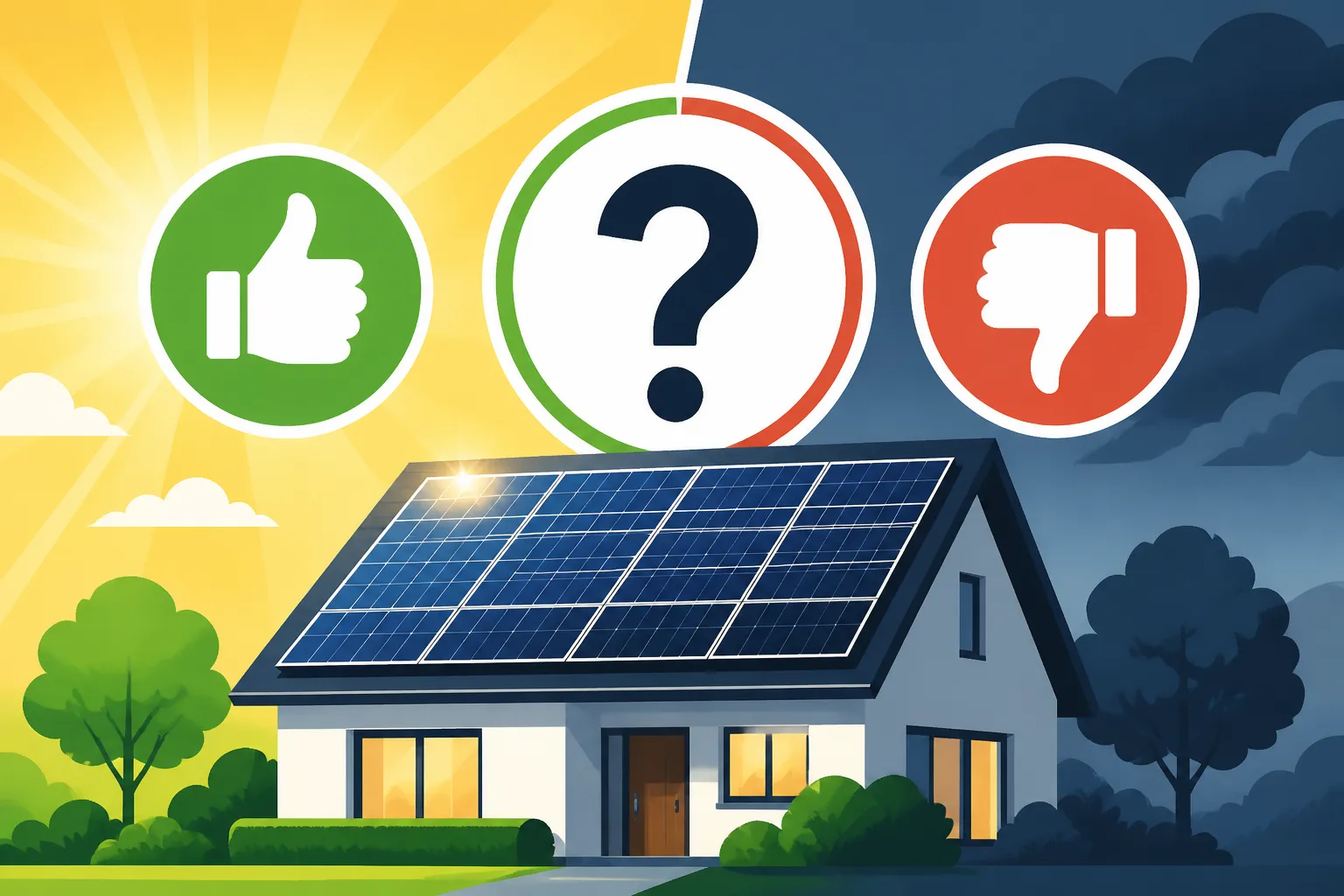
Are Tier 1 Solar Panels Worth It?
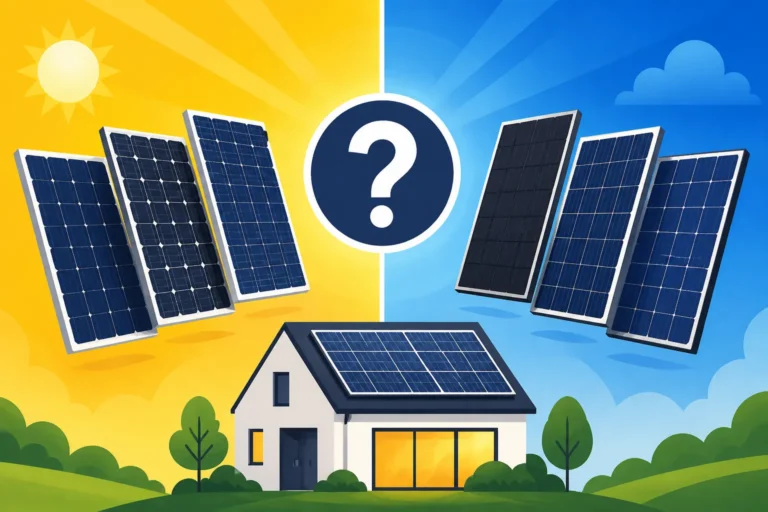
It's incredibly frustrating, isn't it? You start researching solar panels, hoping to find a clear path to energy independence, and suddenly you're bombarded with terms like "Tier 1." Everyone tells you to get Tier 1, but what does it even mean, and are these so-called premium panels really worth the extra cost? This guide is here to cut through the jargon and explain exactly what Tier 1 signifies, whether it's truly essential for your home, and what factors actually matter when choosing solar panels.
Demystifying "Tier 1 Solar Panels": What Does It Really Mean?
Let's get one thing straight right off the bat: the "Tier 1" label, as you often hear it in the solar industry, does not refer to the quality, efficiency, or performance of a solar panel. This is one of the biggest and most pervasive misconceptions out there, and it's completely understandable why homeowners get confused. When someone says "Tier 1," our natural inclination is to think "top quality" or "best in class," but in the solar world, it has a very specific, finance-oriented meaning.
The Source of the "Tier 1" Label
The term "Tier 1" originates from BloombergNEF (formerly Bloomberg New Energy Finance), a highly respected research organization. They developed this ranking system not for consumers, but for banks and financial institutions. Its primary purpose is to help these lenders assess the "bankability" of solar panel manufacturers when considering financing large-scale solar projects. Think of massive solar farms, not individual home rooftops. These banks need to know that the manufacturer providing panels for a multi-million dollar project is financially stable and will likely be around for the long haul to honor warranties and supply future components.
BloombergNEF's "Tier 1" list is updated quarterly and focuses on two core criteria: a manufacturer's financial health and its vertical integration. A company must own its manufacturing facilities and have a high degree of automation, rather than outsourcing production. More importantly, they must have provided panels for at least six different non-recourse financed projects (meaning the loan is secured by the project's assets and not the developer's general credit) from six different commercial banks in the past two years. So, when an installer touts "Tier 1 panels," they're essentially telling you that the manufacturer is deemed financially robust by leading financial institutions, not necessarily that their specific panels are inherently superior in a technical sense.
Why the Term Causes Confusion for Homeowners
Because of the natural association of "Tier 1" with "best" or "premium" in other industries, many solar sales representatives inadvertently, or sometimes deliberately, contribute to this misunderstanding. They might use it as a powerful selling point, implying that panels from a Tier 1 manufacturer are automatically the highest performing or most durable on the market. This often leaves homeowners feeling like they must have Tier 1 panels, or they're getting a subpar system.
Imagine Sarah and Tom, looking to go solar in Phoenix, Arizona. They get multiple quotes, and one installer emphasizes their "exclusive access to Tier 1 panels," implying others are selling inferior products. Sarah and Tom, wanting the best for their investment, feel pressured to choose that installer, believing they're getting a superior product. In reality, while the manufacturer might be financially stable, another brand not on the Tier 1 list could offer panels with better efficiency for their specific roof, a longer performance warranty, or a more aesthetically pleasing design, all at a comparable or even better price. It's a classic case of marketing blurring the lines of technical truth, and it's a frustration we hear all too often.
The Rigorous Criteria Behind the BloombergNEF Tier 1 Ranking
Understanding the criteria BloombergNEF uses for its Tier 1 list helps clarify why it's a financial assessment, not a quality one. It’s all about risk mitigation for lenders, ensuring that the vast investments in utility-scale solar projects are backed by manufacturers who can stand the test of time, both financially and operationally. This isn't just about making good panels; it's about being a rock-solid business entity.
Financial Health and Bankability
For a solar panel manufacturer to earn a Tier 1 ranking, they must demonstrate significant financial stability. This isn't a casual nod; it requires proof that multiple non-development banks have provided non-recourse financing for projects using their panels. What does "non-recourse financing" mean in this context? It means that if the large-scale solar project fails, the banks' repayment relies solely on the project's assets and expected cash flow, not on the general credit of the project developer. This makes the banks extremely careful about the equipment they're willing to back.
To satisfy this, manufacturers typically need to be publicly listed on a stock exchange, have a proven track record of significant sales volumes globally, and show consistent profitability. They need to demonstrate strong balance sheets, healthy cash flow, and a diversified business model that can weather market fluctuations. Essentially, banks want to see that the company is a safe bet for a 20-25 year project lifespan, minimizing the risk of warranty claims going unfulfilled or future parts becoming unavailable because the company went out of business.
Manufacturing Control and Innovation
Beyond financial stability, Tier 1 manufacturers are expected to have a high degree of vertical integration and sophisticated manufacturing processes. This means they largely control the entire production chain, from raw silicon wafers to finished solar modules, often with highly automated factories. This "in-house" approach allows for tighter quality control, greater consistency in product output, and generally more efficient operations. It's about reducing reliance on external suppliers, which adds layers of potential risk and complexity.
Innovation is also an implicit factor. While not directly measured in the Tier 1 criteria, companies with the financial might and internal manufacturing control tend to invest more heavily in research and development. This leads to advancements in panel technology, like the adoption of new cell structures such as TOPCon or HJT, which can result in Solar Panel Efficiency & Degradation Explained improvements. Manufacturers like Jinko Solar or Qcells, often found on the Tier 1 list, are known for their continuous investment in R&D, which indirectly benefits product quality and long-term performance, even if "Tier 1" itself isn't a direct measure of that. This holistic control reassures lenders that the panels they're financing are made to a consistent, high standard that can be reproduced at scale for years to come.
The Advantages of Opting for Tier 1 Solar Panels
While it’s crucial to understand that "Tier 1" isn't a direct measure of panel quality, there are indeed several compelling advantages to choosing a manufacturer with this designation. These benefits often come as indirect results of the financial stability and manufacturing prowess required to achieve the ranking, offering homeowners a greater sense of security and reliability.
Enhanced Reliability and Longevity
Think about it: a company that has the financial backing and operational sophistication to be deemed "bankable" by major institutions is very likely to also produce high-quality, reliable products. They have the resources for advanced R&D, stringent quality control measures, and state-of-the-art manufacturing facilities. This often translates into panels that consistently perform as advertised, with lower failure rates and a longer operational lifespan. You're less likely to encounter premature degradation or manufacturing defects compared to panels from a less established, less scrutinized manufacturer.
For instance, when you're looking at how your solar system will perform over two or three decades, knowing the manufacturer has a proven track record for producing reliable equipment that major banks trust for multi-million dollar projects brings significant peace of mind. It’s not a guarantee, but it’s a strong indicator. This reliability contributes directly to how long your How Long Do Solar Panels Last? and how much energy it produces over its lifetime. It means fewer headaches down the road and more consistent energy savings, which is what every homeowner truly wants.
Stronger Warranty Backing
Perhaps one of the most significant practical benefits for homeowners choosing Tier 1 panels is the increased assurance regarding warranties. Solar panels come with two main types of warranties: a product warranty (covering defects) and a performance warranty (guaranteeing a certain output over time). These warranties typically last 25 to 30 years, which is a long time for any company to stand behind its product.
If a manufacturer isn't financially stable or has a shaky business model, what happens to your warranty if they go out of business in 10 or 15 years? That expensive piece of paper becomes worthless. A Tier 1 manufacturer, by definition, is financially robust and has demonstrated long-term viability. This means they are far more likely to be around to honor their Solar Panel Warranties Explained decades into the future. For example, if you invest in panels from a well-established Tier 1 company like Canadian Solar or REC, you have a much higher confidence that if a panel fails in year 20, the company will still be there to replace it. This provides a crucial layer of long-term protection for your investment, safeguarding your energy savings for the duration of your system's life.
Easier Financing and Resale Value
The "bankability" factor that defines Tier 1 status can indirectly benefit you, the homeowner, in several ways. When you're seeking financing for your solar installation, some lenders or loan programs might view systems using Tier 1 panels more favorably. They might see it as a lower-risk investment, potentially leading to slightly better loan terms or a smoother approval process. This is particularly true for larger loans or specific green energy financing initiatives where lenders apply stricter due diligence.
Furthermore, if you decide to sell your home in the future, having a solar system equipped with panels from a recognized, financially stable (i.e., Tier 1) manufacturer can be an attractive selling point. Potential buyers, and their lenders or appraisers, may view such a system as a more secure and reliable asset. It demonstrates that the previous homeowner invested in quality components with robust, long-lasting warranty support, which could potentially contribute to a higher Do Solar Panels Increase Home Value? and an easier sale process. It adds another layer of credibility to your home’s solar upgrade.
Understanding the Downsides and Realities of Tier 1 Panels
While the advantages of Tier 1 panels are certainly appealing, it's important to approach them with a realistic understanding of potential drawbacks. Blindly chasing the "Tier 1" label without considering other factors can sometimes lead to paying a premium for benefits you might not fully leverage, or overlooking equally good alternatives.
Higher Upfront Costs
Generally speaking, panels from Tier 1 manufacturers tend to come with a higher price tag compared to those from less established or non-Tier 1 companies. This premium reflects not just the perceived security and brand recognition, but also the significant investment these companies make in their manufacturing facilities, R&D, and extensive distribution networks required to meet the BloombergNEF criteria. For homeowners on a tighter budget, this higher upfront cost can be a significant barrier.
Every dollar added to the panel cost contributes to your overall How Much Do Solar Panels Cost? 2026 Guide, and this needs to be weighed against your budget and desired payback period. While the long-term warranty security is valuable, sometimes the incremental cost increase for Tier 1 panels might not justify the difference in your personal financial model, especially if there are high-quality, non-Tier 1 options available at a more competitive price that still offer excellent warranties. It's about finding the sweet spot where value meets your financial comfort.
The Marketing Myth vs. Actual Performance
Here's where the biggest disconnect often lies: the marketing hype surrounding "Tier 1" often suggests these panels are inherently superior in performance, efficiency, or aesthetic appeal. However, this isn't necessarily true. While many Tier 1 manufacturers produce excellent panels, the ranking itself doesn't directly assess a panel's wattage, efficiency, or how well it performs in specific conditions like shading or high temperatures. A manufacturer can be Tier 1 with panels that are good, but not necessarily the best in terms of raw power output or cutting-edge technology.
For example, a high-quality non-Tier 1 panel, perhaps from a specialized boutique manufacturer, might actually boast higher efficiency ratings, a better temperature coefficient (meaning it performs better in hot climates), or a more sleek, all-black design that you prefer for your home. Companies like Maxeon (formerly SunPower) are renowned for their high-efficiency panels, and while often Tier 1, their selling point is performance, not just bankability. Similarly, you might find excellent performing panels from a company like Silfab that might not always appear on the Tier 1 list due to specific financial structure, but offer exceptional value. It's crucial to look beyond the "Tier 1" badge and delve into the actual specifications of the panels being offered, comparing metrics like efficiency, degradation rate, and specific product warranties.
Limited Options and Availability
Depending on your chosen solar installer, focusing solely on Tier 1 panels might limit your options. Not all installers have partnerships with every Tier 1 manufacturer, and some may prioritize brands they have a long-standing relationship with, or those that offer a better logistical fit for their operations. If you insist on only Tier 1 panels, you might find yourself with fewer installer choices, or an installer might only offer a limited selection of Tier 1 brands.
Additionally, certain niche or specialized panel types, such as bifacial panels or those designed for unique architectural integration, might not exclusively come from Tier 1 manufacturers. While you might occasionally find individual solar components or tools for smaller DIY projects on platforms like Amazon, entire high-quality solar panel systems and their associated installation services are almost exclusively sourced through professional solar installers directly from distributors. This means your options for specific brands, including Tier 1, are largely dictated by what your chosen installer offers. If your ideal panel comes from a non-Tier 1 company that still offers a fantastic product and warranty, rigid adherence to the Tier 1 label could mean missing out on a potentially better overall solution for your home.
Exploring Reputable Non-Tier 1 Alternatives
It's completely understandable to want the best for your home's solar investment. However, fixating solely on the "Tier 1" label can lead you to overlook a vast landscape of high-quality solar panels from manufacturers who, for various reasons, don't meet BloombergNEF's specific financial criteria. These companies often offer exceptional products, competitive warranties, and sometimes even better value.
Quality Panels from Emerging Manufacturers
There are numerous solar panel manufacturers that consistently produce excellent, reliable panels but might not be on the BloombergNEF Tier 1 list. This could be because they are privately held, have not yet financed six large-scale projects with non-recourse debt from six different commercial banks, or operate in a different market segment. For instance, some premium European or American manufacturers, while respected for their quality and innovation, might not focus on the utility-scale projects that drive the Tier 1 ranking.
Consider brands like Silfab Solar, a North American manufacturer known for its durable, high-performance panels. While they might fluctuate on or off the Tier 1 list based on project financing details, their product quality and Solar Panel Warranties Explained are often top-tier. Similarly, some innovative brands might specialize in certain technologies or markets that don't align with the specific criteria. When looking for alternatives, you should consult independent reviews and resources that focus on product quality, performance, and actual warranty strength, rather than just financial classifications. Resources like our guide on the Best Solar Panels of 2026 can highlight panels that excel in performance, not just bankability.
Focusing on the Right Metrics
Instead of getting hung up on "Tier 1," savvy homeowners should shift their focus to metrics that directly impact their system's performance, longevity, and overall return on investment. Here are some key factors to prioritize:
- Panel Efficiency: This measures how much sunlight a panel converts into electricity. Higher efficiency means more power from less roof space.
- Temperature Coefficient: This metric tells you how much a panel's power output will decrease as its temperature rises. Lower numbers are better, especially in hot climates like Texas or Florida.
- Product Warranty: This covers defects in the panel itself, typically 12-25 years. A longer product warranty from a reputable company offers significant peace of mind.
- Performance Warranty: This guarantees a minimum power output percentage over 25-30 years. Look for panels with a higher retained percentage (e.g., 85% or more after 25 years).
- Manufacturer Reputation and Certifications: Look for independent certifications like UL (Underwriters Laboratories) or IEC (International Electrotechnical Commission), which indicate adherence to safety and performance standards. Research the manufacturer's overall reputation for customer service and claims handling.
- Cell Technology: Whether you choose Monocrystalline vs Polycrystalline Solar Panels, understanding the type of cell and its specific advantages (e.g., PERC, TOPCon, HJT) can influence performance and durability.
By evaluating these specific metrics, you can make an informed decision that ensures you get a high-performing and reliable solar system, regardless of its BloombergNEF Tier 1 status. Remember, the goal is long-term energy savings and a system you can depend on, and quality can be found across many reputable brands.
Making the Smart Choice: Do You Truly Need Tier 1 Panels?
Ultimately, deciding whether Tier 1 solar panels are "worth it" for your home comes down to a careful assessment of your personal priorities, budget, and risk tolerance. There's no single right answer for everyone, and it's essential to weigh the perceived benefits against the realities of cost and performance.
Assessing Your Priorities
Before you make a decision, take some time to really think about what matters most to you in a solar investment. Are you the kind of person who prioritizes maximum long-term peace of mind, even if it means paying a bit more upfront? In that case, the robust financial backing and strong warranty assurance that often comes with Tier 1 manufacturers might be exactly what you're looking for. You might sleep better knowing that the company that made your panels is highly unlikely to disappear within the next two decades, potentially leaving your Solar Panel Warranties Explained in limbo.
On the other hand, if your primary goal is to minimize your How Much Do Solar Panels Cost? 2026 Guide while still getting a high-quality, reliable system with a solid warranty, then a reputable non-Tier 1 manufacturer might be a better fit. You could potentially achieve a quicker Solar Panel Payback Period Explained or a better overall Solar ROI & 25-Year Savings Breakdown by opting for excellent panels that aren't necessarily on BloombergNEF's list. Consider your roof space, local climate, and aesthetic preferences as well. Sometimes, a panel that offers slightly higher efficiency or a specific visual appeal might be a better choice, regardless of its Tier 1 status, especially if What Affects the Cost of Solar Panels? is a major concern.
The Importance of a Reputable Installer
Here's a truth that often gets overlooked in the pursuit of "Tier 1" panels: the quality of your solar installer is often more critical than the Tier 1 status of your panels. Even the most technologically advanced, financially bankable panels will underperform or cause problems if they are poorly designed, improperly installed, or if the installer provides inadequate customer service. A fantastic panel from a Tier 1 manufacturer, installed by an inexperienced or unethical company, can lead to years of headaches, poor energy production, and invalidated warranties.
This is why we always stress the importance of doing thorough due diligence on potential installers. Look for companies with a proven track record, excellent local reviews, proper certifications (like NABCEP), and strong communication skills. Ask them about their experience, their maintenance plans, and how they handle warranty claims. Get multiple quotes and compare not just the price, but the entire proposed system, including the specific panels, inverters (e.g., Enphase vs SolarEdge), and the installer's reputation. A great installer will guide you through the pros and cons of different panel options, whether they're Tier 1 or not, ensuring you get the best system tailored to your home and needs. Ultimately, choosing a reputable company from our guide on How to Choose a Solar Installer will protect your investment far more than simply opting for a Tier 1 panel from an unknown or questionable installer.
| Feature | Tier 1 Solar Panels (Typically) | High-Quality Non-Tier 1 Solar Panels |
|---|---|---|
| Origin of Label | BloombergNEF financial bankability rating | Not defined by a specific financial ranking |
| Core Advantage | Manufacturer financial stability, strong warranty backing | Often competitive performance, value, specialized features |
| Cost | Generally higher upfront cost | Often more budget-friendly, good value proposition |
| Warranty Assurance | High confidence in manufacturer's ability to honor long-term warranties | Depends heavily on specific manufacturer's reputation and financial health |
| Performance/Efficiency | Good, but not necessarily "best" (not directly measured by Tier 1) | Can be excellent, sometimes outperforming Tier 1 in specific metrics |
| Availability | Widely available through many installers | Varies; some installers specialize in certain brands |
| Risk (Manufacturer) | Lower risk of manufacturer bankruptcy | Higher perceived risk of manufacturer instability (though many are stable) |
| Financing/Resale Impact | Can be viewed favorably by lenders/buyers | Less direct impact, but quality and warranty still matter |
Disclaimer
The information provided in this article is for general informational purposes only and does not constitute financial, legal, or professional advice. Solar panel technology, costs, incentives, and regulations can change rapidly. Always consult with qualified solar professionals, financial advisors, and local authorities before making any decisions related to solar energy investments. We do not endorse specific brands or products mentioned implicitly or explicitly.