How Do I Choose Between Solar Installers?
Choosing a solar installer can feel like navigating a dense jungle, full of confusing terminology, varying prices, and slick sales pitches. It's a huge decision for your home, and finding the right partner is paramount to a successful and stress-free transition to solar. This comprehensive guide is designed to cut through the noise, empowering you with the knowledge and actionable steps to confidently select the perfect solar installer for your unique needs.
Beginning Your Search for the Right Solar Partner
Embarking on your solar journey is exciting, but the initial phase of finding an installer can feel daunting. It's not just about picking the first company that knocks on your door or sends you an enticing ad. This is a long-term investment in your home, and the quality of your installer will directly impact your system's performance, durability, and your overall peace of mind for decades to come. Think of this as building a relationship; you want trust, transparency, and a solid track record.
Gathering Multiple Quotes and Initial Vetting
One of the biggest mistakes homeowners make is settling for the first or second quote they receive. Just like any major home improvement project, getting multiple bids is absolutely essential. This isn't just about price comparison; it's about understanding different approaches, equipment options, and service levels. Aim for at least three to five quotes from different companies. This will give you a much clearer picture of the market rate for a system of your size and the various technologies and services available.
When you're starting your search, online platforms can be incredibly helpful. Many homeowners use services like Modernize to connect with pre-vetted local installers, making the initial outreach process much smoother. This can save you a ton of time compared to cold-calling or sifting through endless search results. Before you even invite someone to your home, do a quick background check. Look for their licensing information—most states require solar installers to be licensed contractors. A quick search on your state's contractor licensing board website can confirm their active status and reveal any past disciplinary actions. Also, check their standing with the Better Business Bureau (BBB) and read reviews on independent sites like Google, Yelp, and EnergySage. Pay attention not just to the star rating, but to the nature of the complaints and how the company responded. For a deeper dive into why this step is critical, check out our guide on Should I Get Multiple Solar Quotes?.
Checking Installer Credentials and Industry Certifications
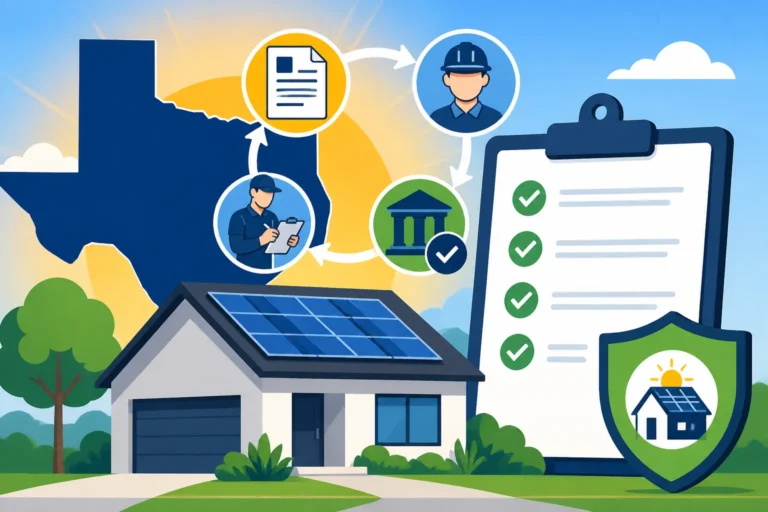
Once you have a few potential installers on your radar, it's time to dig deeper into their professional bona fides. A reputable solar installer should hold relevant certifications that demonstrate their commitment to quality and industry best practices. The North American Board of Certified Energy Practitioners (NABCEP) certification is the gold standard for solar professionals. Installers with NABCEP-certified personnel on staff often adhere to higher standards of safety and technical expertise.
Beyond general certifications, consider the manufacturer certifications they hold. Many top-tier solar panel and inverter manufacturers, like Qcells, REC, Enphase, and SolarEdge, offer specialized training and certification programs for installers. An installer certified by the brands they sell often has a deeper understanding of those products, which can lead to better installation quality and smoother warranty claims down the line. Don't hesitate to ask installers about their training and what specific certifications their lead installers and designers possess. This shows you're serious about quality and helps you distinguish between fly-by-night operations and established professionals.
Decoding Solar Proposals and Understanding the Fine Print
Once you've narrowed down your choices and started receiving detailed proposals, the real work of comparison begins. These documents can be dense, filled with technical jargon and financial figures that might make your head spin. But understanding them thoroughly is key to making an informed decision and ensuring you're getting the best value for your investment.
What to Look for in a Comprehensive Solar Quote
A good solar proposal should be far more than just a price tag. It needs to clearly outline the system size, the specific equipment being used, the expected energy production, and a transparent breakdown of costs. Look for the following elements:
- System Size (kW): This is the total capacity of your solar array. Does it align with your energy usage?
- Specific Equipment: Don't just accept "high-efficiency panels." Demand the exact make and model of the solar panels, inverters (e.g., microinverters like Enphase IQ8 or string inverters from SolarEdge), and any battery storage options. Understanding these components is crucial, as their quality and compatibility directly impact your system's performance.
- Estimated Annual Production (kWh): How much electricity is the system projected to produce each year? This should be based on factors like your roof's orientation, tilt, and any shading.
- Cost Per Watt: This is a fantastic metric for direct comparison between quotes. Divide the total system cost by the system size in watts (e.g., $30,000 for a 10,000-watt system = $3.00/watt). Generally, a good price per watt in many markets ranges from $2.50 to $4.00, but this varies by location and system complexity.
- Financial Breakdown: This should include the total cash price, any available incentives or rebates (like state solar incentives or local utility rebates), and the net cost you'll pay. If you're financing, it should clearly detail the loan terms, interest rates, and any Solar Dealer Fees Explained Hidden Loan Costs.
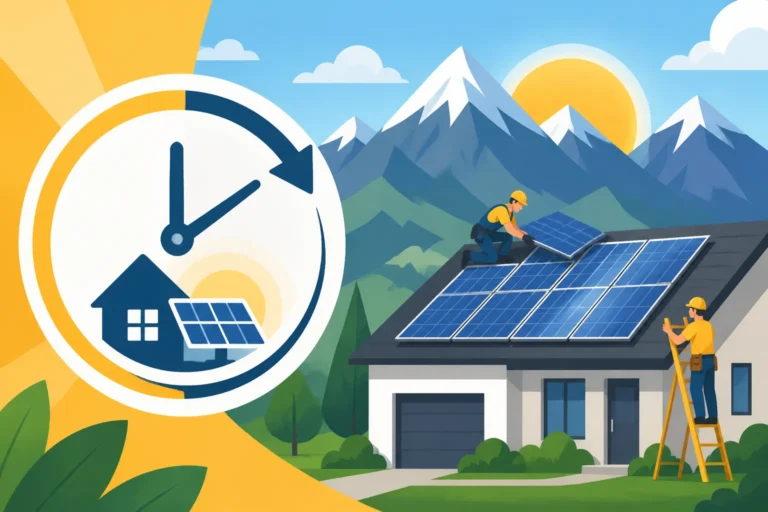
- Installation Timeline: What's the expected schedule from contract signing to Permission to Operate (PTO)?
Remember, the cheapest quote isn't always the best. A significantly lower price might indicate cheaper, lower-quality equipment or less experienced installers. Conversely, an extremely high quote might signal unnecessary markups. For more detailed insights on comparing offers, check out our article on How to Compare Solar Installer Quotes.
Diving Deep into Warranties and Guarantees
Solar panels are designed to last for decades, and robust warranties are your safety net. There are typically three main types of warranties you need to scrutinize:
- Product Warranty: This covers the physical components of the solar panels against defects. Most reputable manufacturers offer 12-25 year product warranties. Look for a longer term here, as it indicates confidence in the materials and manufacturing.
- Performance Warranty: This guarantees that your solar panels will produce a certain percentage of their rated power output over time. For example, a common performance warranty might state that panels will still produce 85% of their original output after 25 years. Understanding Solar Panel Warranties Explained is key.
- Workmanship Warranty: This is the installer's warranty, covering the actual installation work. This is incredibly important because installation errors can lead to leaks, electrical issues, or suboptimal performance. Look for a workmanship warranty of at least 10 years, though 20-25 years is offered by some top-tier companies. This warranty protects you if a roof leak occurs due to the installation or if wiring is faulty.
Don't just glance at the warranty periods; read the fine print. What voids the warranty? Who is responsible for labor if a panel needs replacing under a product warranty? A reputable installer will be transparent about their warranty offerings and happy to answer all your questions.
Understanding Your Solar Financing Options
Solar can be a significant investment, and understanding how you'll pay for it is just as important as the equipment itself. Most installers will offer various options, each with its own pros and cons:
- Cash Purchase: This offers the highest long-term savings and return on investment, as you own the system outright and benefit from all incentives and energy savings immediately. However, it requires significant upfront capital.
- Solar Loan: This is a popular choice, allowing you to own the system without the large upfront cost. You make monthly payments, similar to a mortgage, and still qualify for incentives. Be wary of hidden dealer fees that inflate the loan amount. Our guide on Solar Loans Complete Guide provides a comprehensive overview.
- Solar Lease or Power Purchase Agreement (PPA): With these options, you don't own the system. Instead, you pay a fixed monthly fee (lease) or purchase the electricity generated at a set rate (PPA). While often advertised as "$0 Down Solar," these options usually offer lower long-term savings and can sometimes complicate selling your home. Make sure you understand the nuances of Solar Lease vs PPA vs Buy Which Is Best? if you're considering these.
No matter which option you choose, ensure the installer's proposal clearly breaks down all costs, interest rates, payment schedules, and any escalator clauses (where your monthly payment or PPA rate increases over time).
Evaluating Installer Experience, Reputation, and Customer Service
Beyond the numbers and technical specifications, the human element of your solar project cannot be overstated. You'll be working closely with this company for weeks or months during the installation process, and potentially for years if you have service needs. Their experience, reputation, and commitment to customer satisfaction are incredibly valuable assets.
Assessing Company Longevity and Local Reputation
It's tempting to go with a new company offering an unbeatable deal, but in the solar industry, longevity often equates to stability and experience. A company that has been around for five to ten years or more has likely weathered economic shifts, refined its processes, and built a solid network of suppliers and certified staff. This doesn't mean new companies are bad, but established ones offer a track record you can rely on.
Consider their local reputation. Ask for references from customers in your area who had systems installed a few years ago. How well did the system perform? Were there any issues, and if so, how responsive was the installer? Local reviews often provide the most honest insights into a company's day-to-day operations and post-installation support. A well-known local installer like Lumina Solar in Maryland or Sunrun, a national player with strong local teams, often indicates a commitment to community and local service.
The Importance of Communication and Post-Installation Support
Think about the entire customer journey, not just the sales pitch. How responsive is the company during the proposal phase? Do they answer your questions thoroughly and patiently, or do they rush you? Good communication is a strong indicator of how they'll handle your project once you've signed on the dotted line.
Even after installation, you'll want reliable support. What kind of monitoring services do they provide? What's their process for handling warranty claims or unexpected issues? A top-notch installer will offer proactive monitoring of your system's performance and be readily available if you experience any dips in production or error messages. Make sure you understand what their post-installation service package includes and for how long. Remember, your panels are meant to last 25+ years, so knowing you have a reliable partner for that entire duration is crucial.
Making Your Final Decision with Confidence
You've done your homework, compared quotes, dissected warranties, and vetted installers. Now it's time to bring it all together and make your final choice. This stage is about synthesizing all the information you've gathered and trusting your gut feeling.
Key Questions to Ask Every Installer Before Signing
Before you commit, gather your final list of questions. Don't be shy; a good installer will appreciate your thoroughness. Here are some critical ones:
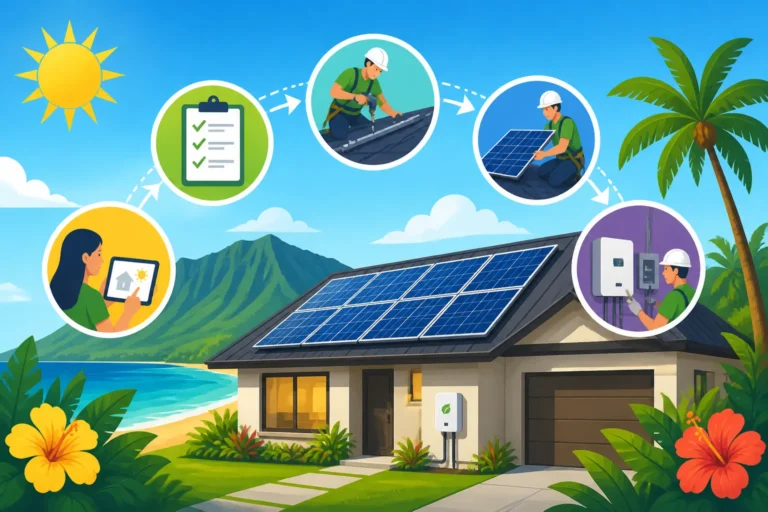
- "Can you walk me through the entire installation timeline, including permitting and utility interconnection?" Understanding the Solar Installation Timeline What to Expect can prevent frustration later.
- "Who will be performing the actual installation work – your employees or subcontractors?" While subcontractors aren't inherently bad, ensure the installer maintains oversight and responsibility.
- "What are your procedures for handling unexpected issues or changes during installation?" A clear plan for contingencies shows professionalism.
- "What happens if there's a problem with my roof during or after installation?" This is especially important if your roof is older. Our guide on Do I Need a New Roof Before Solar? explores this topic.
- "How do you handle system monitoring and what kind of ongoing support do you offer?"
- "Can you provide proof of insurance (liability and workers' compensation)?" This protects you from financial responsibility if an accident occurs on your property.
- "What are your payment terms and cancellation policy?"
- "What happens to my system if your company goes out of business?" While rare for established companies, it's a valid question. Reputable installers often work with manufacturers who honor equipment warranties directly.
Identifying Solar Installer Red Flags
While you're looking for positive indicators, it's equally important to spot potential warning signs. Some red flags should immediately make you pause:
- High-Pressure Sales Tactics: If an installer tries to rush you into signing a contract today with an "expiring deal," walk away. Reputable companies give you time to think and compare. Learn how to navigate these situations in How to Avoid High-Pressure Solar Sales.
- Vague or Incomplete Proposals: If the quote lacks specific equipment details, a clear cost per watt, or detailed financial terms, it's a sign of a lack of transparency.
- Demanding Large Upfront Payments: While a small deposit is common, be wary of companies asking for a significant portion of the total cost before any work has begun or materials have been delivered.
- Refusal to Provide References or Proof of Licensing: If they can't or won't provide these, it's a huge red flag.
- Negative Online Reviews or BBB Complaints: While some complaints are normal, a pattern of unresolved issues or serious accusations of fraud should prompt extreme caution. You can learn more about what to watch for in our article on Solar Installer Red Flags to Watch For.
- "Too Good to Be True" Deals: If a price seems significantly lower than all other quotes for comparable equipment and services, there might be hidden costs or corners being cut.
By carefully considering all these factors—from the initial research and quote comparison to evaluating their experience and service—you'll be well-equipped to choose a solar installer who will deliver a high-quality system and a positive experience. Remember, this is about investing in your home's future, so take your time and choose wisely.
Solar Installer Comparison Table
To help you organize your thoughts and make a side-by-side comparison, here’s a table with key criteria to evaluate for each installer:
| Feature/Criterion | Installer A (e.g., Sunrun) | Installer B (e.g., Local Solar Pros) | Installer C (e.g., Tesla Solar) |
|---|---|---|---|
| System Size (kW) | 10 kW | 9.8 kW | 10.2 kW |
| Total Cost (Cash Price) | $32,000 | $29,500 | $35,000 |
| Cost Per Watt | $3.20/watt | $3.01/watt | $3.43/watt |
| Solar Panels (Make/Model) | Qcells Q.PEAK DUO ML-G10+ 400W | REC Alpha Pure-R 400W | Tesla 420W |
| Inverter Type/Brand | Enphase IQ8M Microinverters | SolarEdge HD-Wave String Inverter with Optimizers | Tesla Inverter |
| Product Warranty (Panels) | 25 years | 25 years | 25 years |
| Performance Warranty | 25 years, 86% output | 25 years, 92% output | 25 years, 85% output |
| Workmanship Warranty | 25 years | 15 years | 10 years |
| Customer Reviews (Avg.) | 4.2 stars (Google), B+ (BBB) | 4.8 stars (Google), A+ (BBB) | 3.9 stars (Google), C (BBB – national average) |
| NABCEP Certified Staff? | Yes, multiple | Yes, lead installer | Yes, some regional teams |
| Payment Terms | 25% down, 75% at PTO | 10% down, 40% upon material delivery, 50% at PTO | 10% down, monthly payments (loan) |
| Estimated Install Timeline | 8-12 weeks | 6-10 weeks | 10-14 weeks |
| Local Office? | Yes | Yes | No (corporate presence) |
| Post-Install Support | 24/7 monitoring, dedicated support team | Local support, 9-5 phone line | App-based monitoring, online support tickets |
| Red Flags Identified | Minor delays reported in some reviews | None apparent | Inconsistent communication in some customer reviews |
Note: The brand examples (Sunrun, Local Solar Pros, Tesla Solar) are for illustrative purposes to show varied offerings and are generalized. Always research specific local branches and current offerings.
Disclaimer
The information provided in this guide is intended for general informational purposes only and does not constitute professional advice. Solar technology, incentives, and regulations are constantly evolving. Always consult with certified solar professionals, financial advisors, and relevant local authorities before making any decisions related to solar panel installation.