Can I Install Solar Panels Myself?
The idea of taking on a big home project yourself can be incredibly appealing, especially when it comes to something as impactful as installing solar panels. You might be dreaming of slashing your electricity bills, boosting your home's value, and feeling that deep satisfaction of knowing you did it. But before you grab your tool belt and start eyeing your roof, let's talk about the real challenges and triumphs of DIY solar. This guide will help you understand if installing solar panels yourself is truly a viable option for your home, what it entails, and when it might be wiser to call in the pros.
The Allure of DIY Solar: Why Homeowners Consider It
It's completely understandable why so many homeowners initially think about installing their own solar panels. The promise of significant savings and the personal satisfaction of a job well done are powerful motivators. Many of us are handy, enjoy a challenge, and love the idea of cutting out the middleman.
Cost Savings on Installation
Let's be honest, the sticker price of a professionally installed solar system can be a bit daunting. When you look at the total project cost, a substantial portion often goes towards labor and the installer's overhead. This is where the DIY dream really takes hold. If you can handle the installation yourself, theoretically, you're saving thousands of dollars right off the bat by eliminating those labor costs. For instance, if a typical 6 kW solar system costs around $18,000 to $24,000 before incentives, and labor can account for 10-20% of that, we're talking about $1,800 to $4,800 or more in potential savings. This chunk of change could buy you a few more panels, a better inverter, or even contribute to a solar battery.
Homeowners often dive into research, finding that individual solar panels, inverters, and racking systems can be purchased directly from wholesalers or online retailers for a fraction of what a full-service installer might charge for equipment. This upfront price difference creates a strong incentive to consider doing it yourself. They might think, "If I can build a deck or remodel a bathroom, how hard can putting some panels on the roof be?" This cost-saving angle is often the primary driver for exploring the DIY route, especially for those looking to maximize their return on investment. If you're wondering about the overall investment, our guide on How Much Do Solar Panels Cost? 2026 Guide can offer a broader perspective.
Sense of Accomplishment and Control
There's an undeniable appeal to the idea of self-sufficiency. Imagine sitting on your porch, looking up at those shining panels, and knowing that you personally engineered and installed the system that's powering your home. That's a huge source of pride! For many homeowners, taking on a DIY project isn't just about saving money; it's about the satisfaction of mastering a new skill, understanding how their home truly works, and having complete control over every aspect of the project.
This sense of control extends beyond the physical installation. When you're managing the project, you get to choose every component, from the exact brand of solar panel to the specific type of microinverter. You're not limited to an installer's preferred suppliers or package deals. You can research and select what you believe is truly the "best" for your specific needs, whether that's prioritizing efficiency, aesthetics, or a specific warranty. This hands-on approach can feel incredibly empowering, especially if you've had less-than-ideal experiences with contractors in the past.
Learning Opportunity and Self-Sufficiency
For the mechanically inclined and those with a thirst for knowledge, DIY solar presents an incredible learning opportunity. It's a chance to delve deep into electrical systems, structural engineering, and renewable energy principles. You'll learn about voltage, amperage, wiring diagrams, roof loads, and the intricacies of grid interconnection. This knowledge isn't just academic; it equips you to understand and troubleshoot your system long after installation, potentially saving you future maintenance costs.
Beyond the technical skills, it fosters a greater sense of self-sufficiency. In an era where many aspects of our homes are increasingly complex and managed by external services, generating your own power is a step towards energy independence. It's about being prepared for potential grid outages (especially if you incorporate battery storage) and having a deeper understanding of your energy consumption patterns. This quest for knowledge and independence is a powerful draw for many homeowners considering DIY solar.
The Realities of Solar Installation: It's More Than Just Panels
While the appeal of DIY solar is strong, it's crucial to approach it with a clear understanding of the complexities involved. This isn't just a weekend project like painting a room; it involves working with high voltage, structural modifications, and navigating a maze of regulations.
Electrical Expertise and Safety Hazards
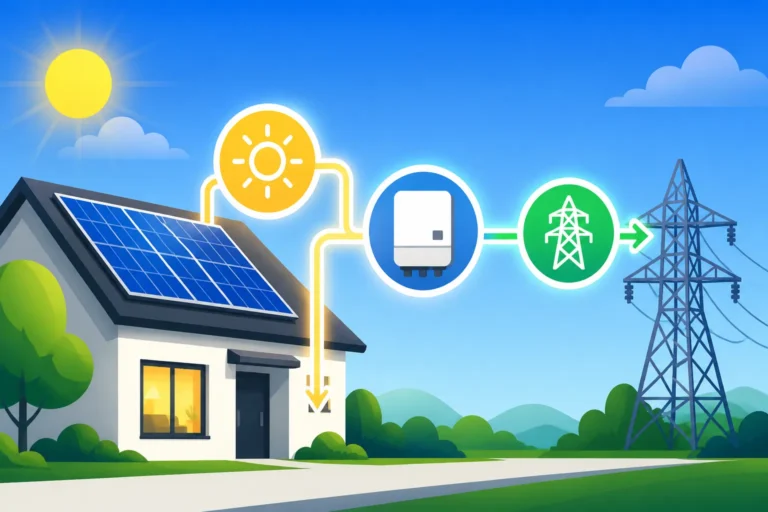
This is, without a doubt, the most critical hurdle for any DIY solar enthusiast. Solar panel systems involve direct current (DC) electricity generated by the panels and then converted into alternating current (AC) electricity that your home and the grid use. Both DC and AC, especially at the voltage and amperage produced by a solar array, are extremely dangerous. One wrong connection, one exposed wire, or a lapse in judgment can lead to severe injury, electrocution, fire, or even death. This isn't an exaggeration; electricity is unforgiving.
Even seemingly simple tasks like wiring string inverters or connecting microinverters require precise knowledge of electrical codes, proper grounding techniques, and understanding load calculations. You'll be working with your home's main electrical panel, which is often live and can be incredibly hazardous. Furthermore, most jurisdictions require a licensed electrician to perform the final hookup to your main electrical panel and grid tie-in, regardless of how much of the system you install yourself. This isn't just a suggestion; it's a legal requirement designed to protect you, your family, and emergency responders. If you lack formal electrical training and a deep understanding of safety protocols, the risks simply outweigh the potential savings.
Structural Integrity of Your Roof
Your roof isn't just there to keep the rain out; it's a structural component of your home, designed to bear certain loads. Adding solar panels, racking, and possibly snow accumulation significantly increases that load. Before installing anything, you absolutely need to know if your roof can handle the extra weight. This often requires a professional structural assessment from an engineer, especially for older homes or those with unique roofing materials. Improperly distributed weight or an overloaded roof can lead to serious structural damage, leaks, or even a roof collapse.
Beyond weight, you'll be drilling into your roof to attach the racking system. This means creating penetrations that, if not properly sealed and flashed, can lead to devastating water leaks. A poorly installed flashing can cause chronic leaks that go unnoticed for years, leading to rot, mold, and expensive repairs. Our article on Roof Considerations for Solar Panels offers more in-depth information about this crucial aspect. You'll also need to consider the age of your roof; if it's nearing the end of its lifespan, it might be smarter to tackle a Do I Need a New Roof Before Solar? project before adding panels that will last for decades.
Permitting, Codes, and Utility Interconnection
This is where the DIY dream often runs into a bureaucratic wall. Every city, county, and state has specific building codes, electrical codes, and permitting requirements for solar installations. These aren't just suggestions; they're legal mandates designed to ensure safety and compliance. Obtaining permits typically involves submitting detailed system designs, structural calculations, electrical schematics, and proof of professional engineering review. These documents need to meet specific standards, and without an engineering background, compiling them correctly can be a monumental task.
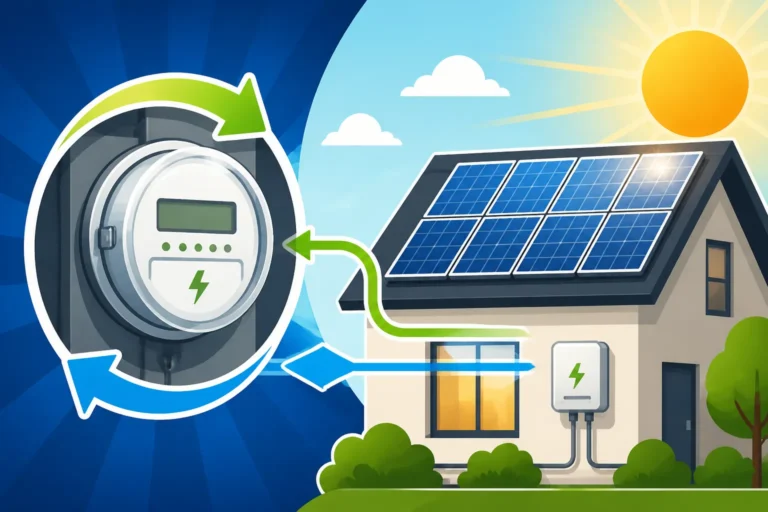
Even if you manage to navigate the permitting process, you then face the utility interconnection. This is the process of getting formal approval from your local utility company to connect your solar system to their electrical grid. It involves a separate application, often its own set of technical requirements, and typically requires a final inspection by the utility before you receive "Permission to Operate" (PTO). Without PTO, you can't legally turn your system on and benefit from net metering or other billing arrangements. Many utility companies will only approve interconnection applications submitted by licensed professionals due to the complex nature of grid safety and stability. For a full rundown, check out our guide on Solar Permitting & Interconnection (PTO) Explained.
Essential Skills and Equipment You'll Need
If you're still considering the DIY route, you need to be honest with yourself about the skills and tools you genuinely possess. This isn't about being generally "handy"; it requires a specific, multi-disciplinary skillset.
Tools and Specialized Gear
You won't just need a screwdriver and a wrench. A successful solar installation demands a comprehensive toolkit, much of which is specialized. Here’s a non-exhaustive list:
- Electrical Safety Gear: Arc-flash rated gloves, safety glasses, insulated tools, voltage tester (CAT III/IV rated), multimeter. This is non-negotiable.
- Roofing Tools: Safety harness and fall protection, extension ladders, roof jacks, chalk lines, sealant guns, drills (impact and regular), specific bits for mounting hardware, flashing tools.
- Wiring Tools: Wire strippers, crimpers for various gauge wires and connectors (MC4 connectors are common for panels), conduit benders, fish tape, wire cutters.
- Measuring and Layout: Tape measures, levels (including digital and laser levels for panel alignment), angle finders.
- Heavy Lifting: Depending on panel size and roof height, you might need a panel lift or multiple strong assistants. Solar panels are bulky and surprisingly heavy.
- Permit & Design Software: While not physical tools, you might need access to CAD software or similar programs to create the detailed blueprints required for permitting.
Renting or buying all this specialized equipment can quickly eat into your anticipated cost savings. Many of these tools are expensive, and if you only use them once, the investment might not be justified.
Electrical System Knowledge
This goes beyond knowing how to change an outlet. You need a deep understanding of:
- AC and DC Principles: How they differ, how they interact, and their respective safety considerations.
- Wiring Standards and Codes: The National Electrical Code (NEC) is the bible for electrical installations. You need to understand its requirements for wiring, grounding, overcurrent protection, conduit fill, conductor sizing, and disconnects. Local codes can add further layers of complexity.
- System Sizing and Design: How to properly size your solar array to meet your energy needs, calculate voltage and current for strings, and select the right inverter for your panel configuration. Our guide on How Many Solar Panels Do I Need for My Home? can help with system sizing.
- Troubleshooting: The ability to diagnose electrical issues, understand error codes on inverters, and safely test circuits.
- Grid Interconnection: Understanding how your system interacts with the utility grid, including anti-islanding protection and rapid shutdown requirements.
Without this deep knowledge, you're not just risking an inefficient system; you're risking a dangerous one that could be a hazard to your home and neighborhood.
Roofing and Construction Acumen
Beyond the electrical, the physical installation on your roof demands significant construction skills. This includes:
- Roof Assessment: Understanding different roofing materials (asphalt shingles, tile, metal, flat roofs), their characteristics, and how to safely work on them without causing damage. You need to know how to locate rafters and ensure secure attachment points.
- Structural Understanding: Knowledge of roof framing, truss systems, and how to assess their condition. You might need to reinforce rafters in certain areas.
- Waterproofing: Expertise in flashing techniques to prevent leaks where mounting hardware penetrates the roof. This is absolutely critical; a tiny error here can lead to massive long-term damage.
- Working at Heights: Comfort and proficiency working on ladders and roofs, often in challenging weather conditions. Fall protection and safety protocols are paramount.
- Panel Layout and Optimization: The ability to plan an optimal panel layout considering shading, roof angles, and aesthetics. This impacts system performance significantly.
If you've never re-roofed a section of your house or built a complex shed, doing a solar installation on your roof might be biting off more than you can chew.
Step-by-Step Overview of a Solar Installation (Simplified)
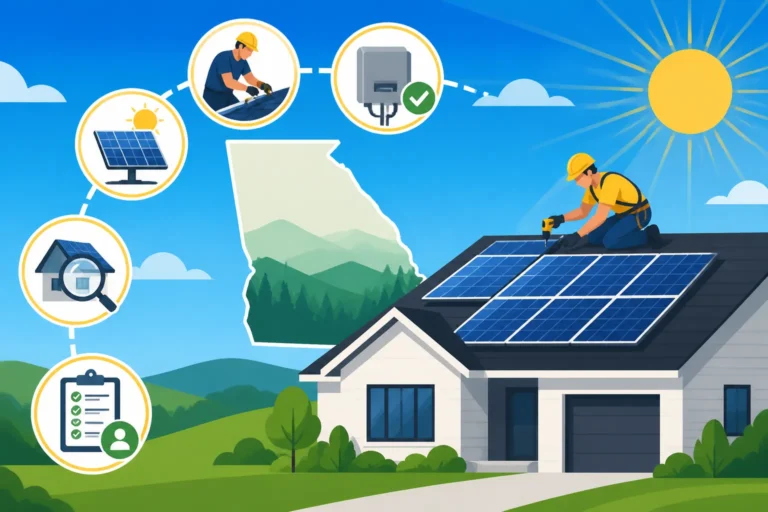
To truly grasp the scope, let's walk through a simplified overview of what a typical solar panel installation entails. Keep in mind, each of these steps has numerous sub-steps and specific requirements. Our article on the Solar Installation Timeline: What to Expect delves into more detail.
Planning and Design Phase
This is arguably the most crucial phase, and for a DIYer, it's where the most research and potential for errors lie. It starts with understanding your energy consumption, which means analyzing your past utility bills to determine your average daily and monthly electricity usage in kilowatt-hours (kWh). From there, you'll need to size your system to offset that usage, factoring in your local solar irradiance, roof orientation, and any shading. This means calculating how many panels you need and what wattage they should be.
Next comes the detailed design. This involves selecting your specific components: solar panels, inverters (string, microinverters, or power optimizers), racking system, and any battery storage. You'll need to create detailed electrical diagrams showing how everything connects, from the panels to the inverters, the main service panel, and the utility meter. Structural diagrams showing mounting points and roof load calculations are also essential. Then comes the arduous task of permit application – filling out forms, submitting your meticulously drawn plans, and awaiting approval from your local building department and utility company. This often involves back-and-forth communication, revisions, and sometimes even hiring a professional engineer to stamp your plans.
Mounting and Wiring the System
Once permits are in hand (and only then!), the physical work begins. First, the racking system must be installed on your roof. This involves locating rafters, marking penetration points, drilling holes, applying sealant, and attaching the mounting feet securely. Flashing is critical here to prevent leaks. Then, rails are attached to these mounting feet, creating a sturdy framework for your panels. Each panel is then lifted onto the rails, carefully aligned, and clamped into place. This lifting process can be quite challenging, especially with larger panels or a high roof, requiring multiple people or specialized equipment.
Next comes the wiring. Depending on your inverter choice, you'll either connect panels in series to a string inverter or connect individual panels to microinverters or optimizers. This requires precise, weather-tight connections (often using MC4 connectors) and careful cable management to ensure wires are secured, protected from UV damage, and follow electrical code requirements for conduit use and wire sizing. Wires then run down from the roof to the inverter location (which could be outside or in a garage/basement), and from the inverter to your main electrical panel through conduit. This stage involves significant electrical work, including installing new circuit breakers, a solar disconnect switch, and potentially an upgraded main panel if your existing one can't handle the new load.
Inspections and Permission to Operate
After all the panels are mounted and the wiring is complete, the journey is far from over. The first hurdle is a series of inspections. Your local building department will typically send an inspector to verify that the installation adheres to the approved plans, local building codes, and the National Electrical Code. They'll check structural integrity, wiring, grounding, safety disconnects, and proper component installation. If anything isn't up to code, you'll receive a list of deficiencies that must be corrected before a re-inspection.
Once you pass the local inspections, your utility company will conduct their own inspection to ensure your system meets their grid interconnection standards and safety requirements. They'll verify that necessary safety devices, like anti-islanding protection, are in place and that the system won't negatively impact the grid. After passing this final utility inspection, they will issue you the coveted "Permission to Operate" (PTO). Only after receiving PTO can you legally flip the switch and start generating power. Turning on your system before PTO can result in fines, disconnection, or even void your homeowner's insurance in case of an incident.
The Pros and Cons of DIY Solar Installation
Deciding whether to go DIY or hire a professional is a significant choice. Let's break down the advantages and considerable disadvantages to help you weigh your options realistically.
Advantages of Going It Alone
The primary driver for most DIY solar projects is the potential for significant cost savings. By eliminating labor costs, which can represent 10-20% or more of a total solar installation cost, you can indeed save thousands of dollars. For a system that might cost $20,000 professionally installed, you could realistically cut $2,000 to $4,000 off the price tag just by doing the labor yourself. This allows you to either reduce your upfront investment or perhaps invest in higher-quality components or add a battery storage system for similar overall cost. For example, if you're looking at a solar plus battery setup, even small savings can make a difference in the overall price.
Beyond the financial aspect, there's immense personal satisfaction and a deep sense of accomplishment. Knowing that you personally designed and built the system that powers your home is a unique feeling of empowerment and self-sufficiency. It's a fantastic learning experience, providing you with invaluable knowledge about electrical systems, construction, and renewable energy. This understanding means you'll be better equipped to troubleshoot minor issues, perform basic maintenance, and truly understand how your home's energy infrastructure works. Furthermore, you gain complete control over component selection and project timeline. You can choose precisely the panels, inverters, and racking systems you want, rather than being limited by an installer's preferred brands. You can also work at your own pace, fitting the project around your schedule, though this can also become a disadvantage if it stretches on too long.
Significant Drawbacks and Risks
However, the disadvantages and risks of DIY solar are substantial and often outweigh the benefits for the average homeowner. The most critical concern is safety. Working with high-voltage electricity on a roof is incredibly dangerous. The risk of electrocution, falls, or starting an electrical fire due to incorrect wiring is very real. If you lack formal electrical training and proper safety equipment, you're putting yourself and your home in serious jeopardy. Improper installation can also void manufacturer warranties for your panels and inverters, leaving you with no recourse if components fail prematurely.
Then there's the steep learning curve and time commitment. Solar installation requires expertise in electrical engineering, roofing, and local building codes. Researching, designing, permitting, and installing a system can take hundreds of hours, spanning several weeks or even months. The process of getting permits and utility approval alone can be incredibly frustrating and time-consuming, requiring detailed technical drawings and adherence to obscure regulations. Many homeowners find themselves overwhelmed by the bureaucratic hurdles and technical requirements.
Furthermore, missed incentives and financing challenges are a big drawback. Many state and local incentives, such as Solar Renewable Energy Credits (SRECs) or utility rebates, are often tied to installations performed by certified professionals. If you DIY, you might miss out on these valuable financial benefits. While the federal solar tax credit (currently 30% for systems installed in 2026 and beyond) generally applies to homeowners who purchase and install systems, navigating how to claim it correctly without professional guidance can be tricky. Also, traditional solar loans are often difficult to secure for DIY projects, as lenders prefer the assurance of a professionally installed and warranted system.
Finally, there's the potential for costly errors and long-term performance issues. An incorrectly installed system might not perform as expected, generating less power than calculated, leading to lower energy savings. Faulty wiring can lead to system failures, fire hazards, or even damage your home's electrical system. Poor roof penetrations can lead to leaks, mold, and expensive structural repairs down the line. Reselling your home can also be complicated, as potential buyers might be wary of a self-installed solar system without professional documentation and warranties. Our guide on DIY Solar Panels: Is It Worth It? explores these trade-offs in more detail.
When to Consider Professional Installation
Given the complexities and risks, for most homeowners, professional installation is not just a convenience, but a necessity. There are specific scenarios where attempting DIY solar would be particularly ill-advised.
Complex Roofs or Electrical Systems
If your home has a particularly challenging roof, professional installation becomes even more critical. This includes:
- Steeply Pitched Roofs: Working on a very steep roof significantly increases the risk of falls and makes maneuvering heavy panels extremely difficult. Professionals have specialized safety equipment and training for these conditions.
- Complex Rooflines: Multiple gables, dormers, and obstructions like chimneys or skylights make panel layout, racking, and wiring far more complicated. Optimizing panel placement for maximum sun exposure while navigating these features requires expertise.
- Older or Fragile Roofing Materials: Tile, slate, or very old asphalt shingles can be delicate and easily damaged during installation. Professionals know how to work with these materials or advise on necessary roof repairs or replacements before solar installation.
- Outdated Electrical Panels: If your home has an older electrical panel (e.g., a fuse box or a panel with insufficient amperage), it may need a complete upgrade to accommodate a solar system. This is definitely a job for a licensed electrician, not a DIY project.
In these situations, the potential for errors, damage, and personal injury skyrockets, making the cost of a professional installer a worthwhile investment in safety and long-term system integrity.
Navigating Incentives and Warranties
Understanding and successfully claiming solar incentives can be a labyrinthine process. The federal solar tax credit is significant, but many states and localities offer additional benefits like state tax credits, property tax exemptions, sales tax exemptions, or SRECs. For example, states like Massachusetts with its SMART Program or New Jersey with its SREC-II / SuSI Program Guide have complex incentive structures. Professional installers are intimately familiar with these programs, handling all the necessary paperwork, certifications, and application processes to ensure you get every dollar you're entitled to. For more on state-specific incentives, consider reading our State Solar Incentives: Complete 2026 Guide.
Furthermore, solar equipment comes with extensive warranties, typically covering product defects for 10-25 years and performance guarantees for 25-30 years. However, these warranties often require proof of professional installation to remain valid. If you install the system yourself, any issues that arise could be attributed to improper installation, thereby voiding your warranty. This means you'd be on the hook for the full cost of replacing a faulty panel or inverter, which can be thousands of dollars, completely negating any DIY savings. Professionals also provide their own workmanship warranties, offering an extra layer of protection.
Time Constraints and Peace of Mind
Let's be real: installing a solar system is a massive undertaking. Between the research, design, permitting, procurement of materials, physical installation, inspections, and utility interconnection, it can easily consume hundreds of hours over several months. Most homeowners have jobs, families, and other responsibilities that make dedicating this much time incredibly challenging. The project can drag on, causing frustration and delays in seeing the energy savings.
Hiring a professional installer offers unparalleled peace of mind. They handle every single step of the process: design, engineering, permitting, procurement, installation, inspections, and utility paperwork. They have the expertise to ensure the system is installed correctly, safely, and efficiently, maximizing its performance and longevity. Plus, they're typically insured, protecting you from liability in case of accidents during installation. If you value your time, your sanity, and the assurance that the job is done right, a professional installation is almost always the better choice. It means you can sit back, relax, and look forward to those lower electricity bills without the stress and risk of doing it all yourself.
Finding the Right Professional Installer
Even if you decide against DIY, the journey to solar isn't over. You need to find a trustworthy, competent professional to handle the job. This is where a little upfront research and due diligence really pay off.
Researching Reputable Companies
The solar industry has seen tremendous growth, which means there are many companies out there, both excellent and less-than-stellar. Start by looking for installers with a strong local presence and a proven track record. Online reviews on platforms like Google, Yelp, and the Better Business Bureau can be very insightful, but remember to look for patterns and read between the lines. Pay attention to comments about customer service, installation quality, adherence to timelines, and how the company handles issues.
Beyond general reviews, check industry-specific credentials. Look for installers certified by the North American Board of Certified Energy Practitioners (NABCEP), which is a mark of high quality and expertise in solar installation. Also, ensure they are fully licensed and insured in your state and local municipality. For example, in California, you'd want to check their CSLB (Contractors State License Board) license. Ask for references from past customers, preferably those whose systems have been operational for a few years, so you can inquire about long-term performance and service. A good starting point can be using services like Modernize, which connects homeowners with pre-vetted local solar installers.
Getting Multiple Quotes and Comparing Offers
This step is absolutely critical to ensure you get a fair price and the right system for your needs. Never settle for just one quote. Reach out to at least three, ideally five, different solar companies. A service like Modernize can help streamline this process by providing multiple options. When comparing quotes, don't just look at the bottom-line price. Dive into the details:
- System Size (kW): Ensure each quote proposes a system size that adequately meets your energy needs.
- Cost Per Watt: This is a key metric for comparison. Divide the total system cost by the system size in watts (e.g., $20,000 for a 6,000-watt system = $3.33/watt). Our article on Solar Panel Cost Per Watt Explained goes deeper into this.
- Equipment Details: What brand and model of solar panels are they proposing (e.g., Qcells, REC, Maxeon)? What type of inverter (Enphase microinverters, SolarEdge optimizers, string inverter)? Higher quality components often come with better warranties and performance.
- Warranties: Compare product, performance, and workmanship warranties. A strong warranty package offers long-term protection.
- Incentives Included: Confirm which federal, state, and local incentives are accounted for in the pricing.
- Financing Options: Understand the different financing options offered – cash purchase, solar loan, lease, or Power Purchase Agreement (PPA) – and their respective terms and hidden fees.
- Total Savings: Ask for a projection of your 25-year savings and the estimated payback period.
Don't be afraid to ask questions and push for clarity on any aspect you don't understand. A reputable installer will be happy to educate you.
Understanding Contracts and Warranties
Before signing anything, meticulously review the contract. It should clearly outline the scope of work, all costs, payment schedules, equipment specifics, warranty details, and estimated installation timelines. Look for any hidden fees, such as interconnection fees, permitting fees, or cancellation penalties. Ensure the contract specifies that the installer will handle all permitting and utility interconnection processes.
Pay close attention to the warranty section. Most panels come with a 25-year linear performance warranty and a 12-25 year product warranty. Inverters typically have 10-25 year warranties, and a good installer will offer a workmanship warranty (often 10-25 years) covering their installation labor. Understand what each warranty covers, how to make a claim, and any conditions that might void it. For example, if you were to perform your own maintenance that interfered with the system, it could impact your warranty. If you have any doubts about the contract, consider having an attorney review it before committing. This diligent approach ensures you're protected and confident in your investment.
Disclaimer
The information provided in this article is for general informational purposes only and does not constitute professional advice. Solar panel installation is a complex process that involves significant electrical and structural considerations and potential safety hazards. Always consult with licensed and certified solar professionals, electricians, and structural engineers before undertaking any solar installation project. Local regulations, permits, and utility interconnection requirements vary widely and must be strictly adhered to. This article is not intended as a substitute for expert advice or professional services.