How Long Does Solar Installation Take in Arizona?
Thinking about making the switch to solar in Arizona, you're probably dreaming of slashing those brutal summer electricity bills. But then the practical questions start swirling: how long will this whole process actually take? It can feel like a black box, full of permits, inspections, and utility approvals, and that uncertainty is genuinely frustrating. This guide will walk you through the typical solar installation timeline in Arizona, from your very first inquiry to the exciting moment you flip the switch on your sun-powered home.
Understanding the Arizona Solar Landscape and Timelines
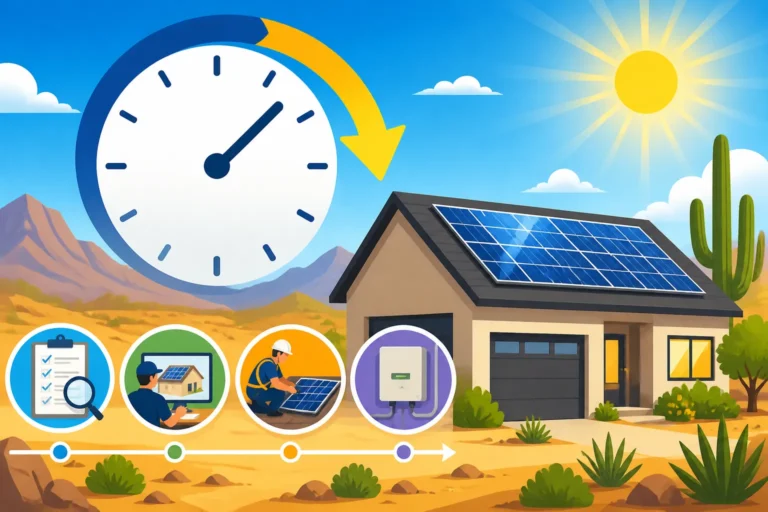
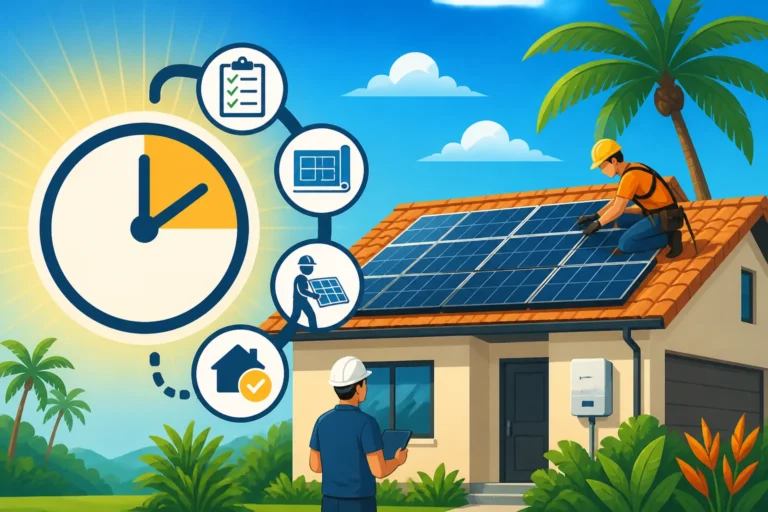
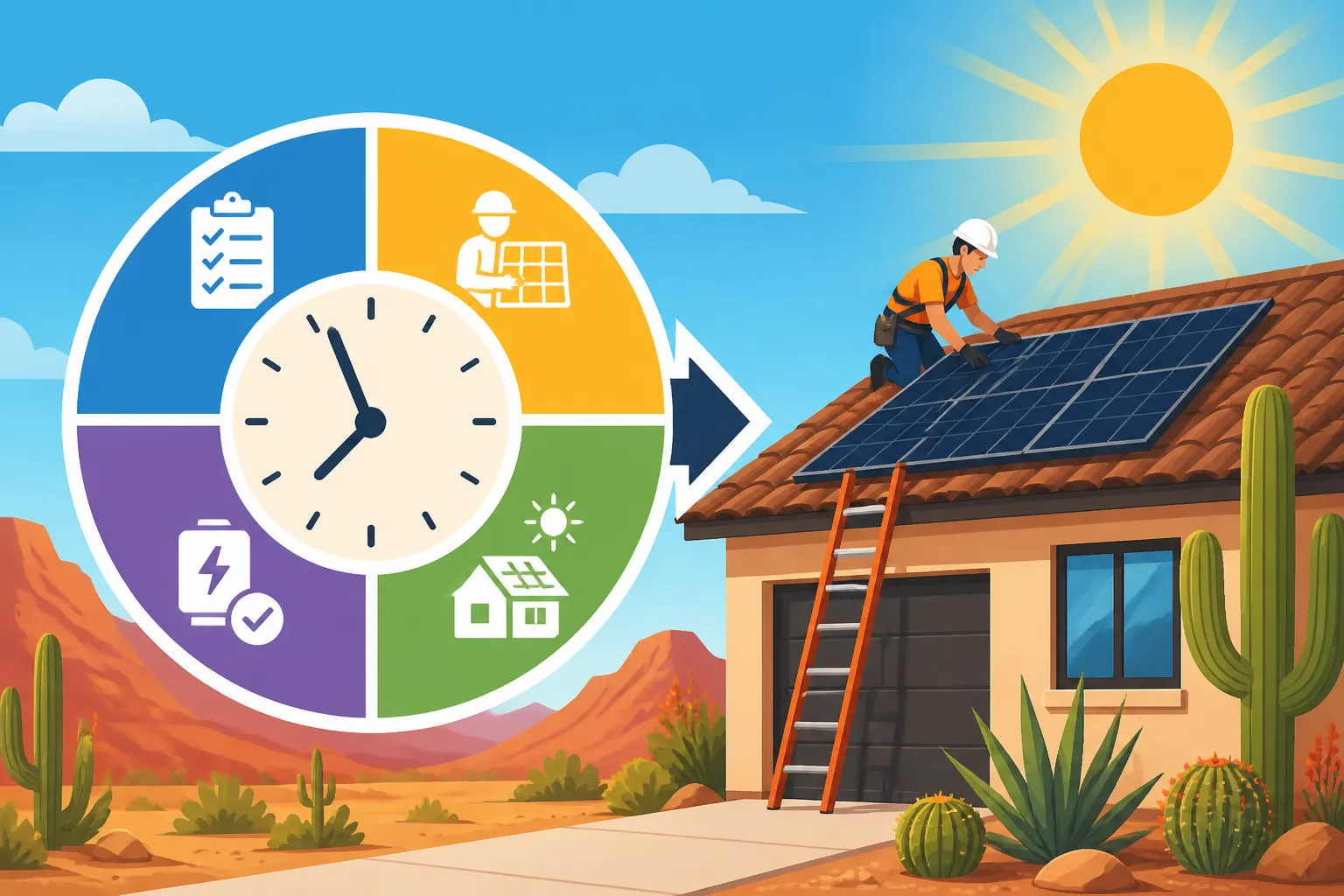
Going solar isn't like buying a new appliance; it's a significant home improvement project with several moving parts. In Arizona, the sunny skies are a huge advantage, but the administrative steps can still feel like a marathon. The entire journey, from your initial research to having your system fully operational, can typically take anywhere from 2 to 4 months, though some projects might stretch longer depending on various factors. It's rarely an overnight transformation, and understanding each phase helps manage expectations.
Initial Consultations and Site Assessments
The first real step in your solar journey is reaching out to solar companies. This usually involves an initial consultation where a sales representative discusses your energy needs, current electricity bills, and explains the benefits of solar. This can be done over the phone or with an in-home visit. Once you express serious interest, the next critical step is a comprehensive site assessment.
During a site assessment, a technician from the solar company will visit your home. Their job is to evaluate your roof's condition and size, identify any shading issues from trees or neighboring structures, check your electrical panel's capacity, and understand your overall energy consumption patterns. They'll measure your roof, inspect your attic, and confirm that your home is structurally sound enough to support the weight of solar panels. This is a crucial step that ensures the system designed for you will be both efficient and safe. Companies like Modernize can help streamline this initial phase by connecting you with reputable local installers who can perform these assessments promptly. This phase, from initial contact to a completed site assessment, usually takes about 1-2 weeks, depending on scheduling availability and how quickly you're able to compare different offers.
Design and Permitting Challenges
After the site assessment, the solar design team takes over. They'll create a customized solar panel system layout, specifying the number and type of panels, inverters (whether string inverters, microinverters, or power optimizers), and any necessary electrical upgrades. This design is then used to generate a detailed proposal, which you'll review and sign. Once the contract is signed, the real waiting game for permits begins.
In Arizona, just like anywhere else, you can't just slap solar panels on your roof without permission. Your installer will handle securing all the necessary permits from your local municipality – think city or county building departments. This process involves submitting detailed engineering plans, structural designs, and electrical schematics. The permitting phase is often the longest and most unpredictable part of the entire timeline, sometimes taking 4 to 8 weeks, or even longer. The turnaround time can vary dramatically based on the specific city you live in (Phoenix might have different processing times than Tucson or Flagstaff), the completeness of the application, and the current backlog at the permitting office. For instance, a complex roof structure or an older electrical system requiring upgrades could lead to additional reviews or revised plans, extending this period. Understanding the nuances of Solar Permit Process in Arizona can give you a better idea of what to expect from your local jurisdiction.
The Installation Phase: What Happens on Your Roof
Once all the permits are in hand, the tangible work begins! This is often the most exciting part for homeowners because you finally see your system taking shape. Unlike the waiting game for permits, the actual physical installation is typically much quicker.
Physical Installation of Panels and Equipment
The physical installation of your solar panels and associated equipment is surprisingly fast for most residential systems. A skilled installation crew can often complete the mounting of the racking system, placement of the solar panels, and installation of the inverters (or microinverters) in just 1 to 3 days. For larger or more complex systems, or those with difficult roof access, it might extend to 3-5 days.
Before the panels even go up, the crew will first install a racking system securely attached to your roof. This system is what holds your panels in place. Then, the solar panels themselves are carefully hoisted and bolted onto the racking. During this time, they'll also install the inverter(s) – the brain of your system that converts the DC power from your panels into AC power your home can use. If you're also adding a solar battery storage system, like a Tesla Powerwall or an Enphase IQ Battery, that would typically be installed around this time as well, usually on a wall in your garage or on the exterior of your home. It's a beehive of activity, but it's efficient. This stage is often what people visualize when they ask, "How Are Solar Panels Installed? Step by Step."
Electrical Hook-up and System Commissioning
After the panels and inverters are physically in place, the electrical work commences. This involves wiring the solar panels to the inverters and connecting the inverters to your home's main electrical panel (often referred to as the main service panel or breaker box). This critical step ensures that the electricity generated by your solar panels can power your home and, if applicable, send excess energy back to the grid.
The electricians will ensure all wiring meets local codes and safety standards. They will also install any necessary disconnect switches and monitoring equipment. Once the electrical connections are complete, the system is commissioned. This means they power it up for the first time, perform initial tests to ensure everything is working as designed, and activate the monitoring system so you can track your solar production. This electrical hook-up and commissioning usually happens immediately after the physical installation, wrapping up within the same 1-3 day timeframe, sometimes extending into a fourth day for very large systems or if unexpected electrical panel upgrades are required.
The Final Hurdles: Inspections and Permission to Operate (PTO)
You might think once the panels are on your roof and wired up, you're ready to go. Not quite! There are still a couple of critical steps that involve external authorities before you can legally flip the switch and start saving on your electricity bills.
Local Inspections and Utility Approvals
After your solar system is installed, it needs to pass inspection by your local building department. This is the same department that issued your permits. An inspector will visit your property to ensure that the installation adheres to all approved plans, local building codes, and safety regulations. They'll check the structural integrity, electrical wiring, grounding, and overall workmanship. If any issues are found, they'll issue a "correction notice," and your installer will need to fix them before a re-inspection can be scheduled.
Once your system passes the local building inspection, the next step is gaining approval from your utility company. In Arizona, this means either Arizona Public Service (APS) or Tucson Electric Power (TEP), or one of the smaller municipal utilities or co-ops, depending on your location. Your installer will submit the necessary documentation, including the passed inspection report, to the utility. The utility then reviews the application, ensures the system meets their interconnection standards, and often installs or updates your electric meter to one capable of net metering or net billing. This entire post-installation approval process, from the final city inspection to utility approval, can take another 2 to 6 weeks.
Why PTO is the Finish Line
The official green light you're waiting for is called "Permission to Operate," or PTO. This is the authorization from your utility company that allows you to turn on your solar system and connect it to the electrical grid. Without PTO, your system cannot legally generate and send power back to the grid, even if it's physically installed and passed local inspections. Trying to operate your system before PTO can lead to penalties or even disconnection.
PTO is the moment you've been waiting for. It signifies that your system is safe, code-compliant, and fully integrated with the utility grid. Only after receiving PTO can you truly begin realizing the financial benefits of solar power, offsetting your electricity consumption, and potentially earning credits for excess energy produced. It's a crucial step that wraps up the entire process and typically concludes the Solar Installation Timeline: What to Expect. For more detailed information on this final stage, you might find our guide on What Is Permission to Operate (PTO)? very helpful.
Here's a breakdown of the typical timeline for solar installation in Arizona:
| Phase | Estimated Duration | Key Activities | Potential Delays |
|---|---|---|---|
| Initial Consult & Site Survey | 1-2 Weeks | Discussions with solar providers, energy needs assessment, roof measurements, electrical panel check. | Scheduling conflicts, homeowner delays in decision-making, difficulty accessing property. |
| System Design & Contracting | 1-2 Weeks | Engineering of solar system, proposal generation, contract signing, financing arrangements. | Design revisions, financing approval delays, homeowner requests for changes. |
| Permitting | 4-8 Weeks | Submission of plans to city/county, review by building department, potential revisions. | Local municipal backlog, incomplete applications, specific city requirements (e.g., Phoenix vs. rural AZ), complex system designs. This is usually the longest waiting period. |
| Equipment Procurement | 2-4 Weeks | Ordering and receiving solar panels, inverters, racking, and other necessary components. | Supply chain issues, specific panel or inverter model availability, shipping delays. |
| Physical Installation | 1-3 Days | Mounting racks, installing panels, wiring inverters, setting up monitoring. | Inclement weather (monsoon season!), unexpected roof repairs, complex rooflines, crew availability. |
| Inspections & Utility Interconnection | 2-6 Weeks | Local building inspection, utility review of passed inspection, meter swap/upgrade, final utility approval. | Scheduling inspector, utility backlog, utility specific requirements (e.g., APS or SRP), system requiring re-inspection. |
| Total Estimated Time | 2-4 Months | From first contact to PTO. | Varies widely based on factors below. |
Factors That Can Speed Up or Slow Down Your Solar Project in Arizona
While the average timeline is 2-4 months, several variables can significantly influence how long your specific solar project in Arizona will take. Being aware of these can help you better prepare and even proactively address potential bottlenecks.
Your Solar Installer's Efficiency and Experience
The solar installer you choose plays a massive role in the overall timeline. A reputable and experienced installer with a strong local presence in Arizona often has established relationships with local permitting offices and utility companies like APS and SRP. They understand the specific requirements, know who to talk to, and can often navigate the bureaucratic hurdles more smoothly. They also tend to have efficient internal processes for design, procurement, and installation.
Conversely, a newer company or one with less experience in your specific Arizona city might encounter more delays due to unfamiliarity with local codes, submission errors in permits, or less efficient scheduling. When you're looking for an installer, don't just ask about the price; inquire about their typical project timelines, their process for handling permits, and their communication protocols. Utilizing a service like Modernize can help you compare multiple installers, giving you a chance to vet their experience and ensure they have a good track record. Asking What Questions to Ask a Solar Installer will also help you gauge their efficiency.
Specific Arizona City and Utility Requirements
Arizona is a big state, and while the state-level regulations provide a framework, individual cities and counties can have their own specific permitting requirements and processing times. For example, getting a permit in a large metropolitan area like Phoenix or Mesa might differ significantly from a smaller town in Yavapai County. Some cities have digitized permitting systems, which can speed things up, while others still rely heavily on paper submissions.
The same goes for utility companies. While APS and TEP are the two largest, the specifics of their interconnection agreements, meter upgrade schedules, and approval processes can vary. Some utilities are quicker than others to respond to interconnection requests or schedule meter installations. Changes to utility policies, such as the evolution of Net Metering Explained: How It Works by State or new solar buyback programs, can also introduce temporary delays as systems adapt. It's not uncommon for an installer to have a slightly different timeline estimation if your project falls under a specific utility's jurisdiction or within a city known for slower permit processing.
Weather, Supply Chains, and Home Readiness
Even in sunny Arizona, weather can play a role in installation timelines. While sunny days are perfect for solar production, monsoon season brings intense thunderstorms, high winds, and lightning that can halt rooftop work for safety reasons. Extreme summer heat can also limit working hours for installation crews, especially during the hottest parts of the day, which might extend the physical installation phase.
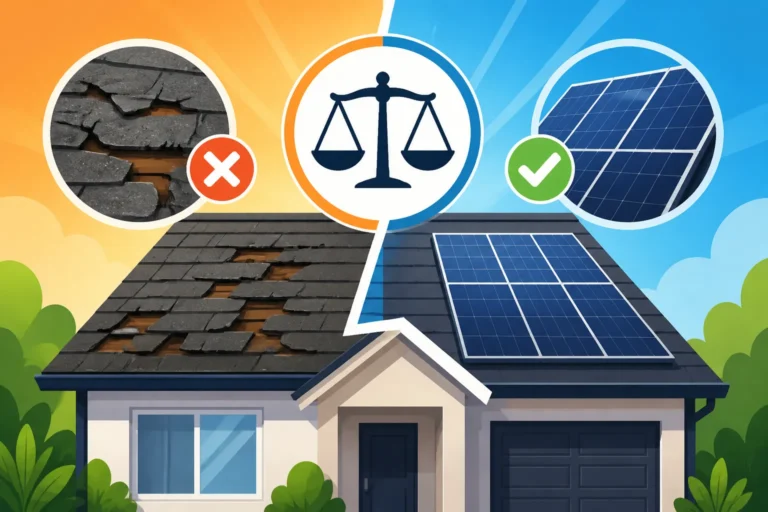
Global supply chain issues, though less severe than a few years ago, can still cause delays in receiving specific solar panels, inverters, or batteries. If you've opted for a niche or high-demand product, lead times might be longer. Finally, your home's readiness can impact the timeline. If your roof needs repairs or replacement before solar installation, that will add significant time to the project. Our guide on Do I Need a New Roof Before Solar? elaborates on this common scenario. Similarly, if your electrical panel needs an upgrade to accommodate the new solar system, that's another project that needs to be factored into the overall schedule. A prepared homeowner who has addressed these potential issues upfront will almost always experience a smoother and faster installation process.
Conclusion
Getting solar panels installed on your home in Arizona is a fantastic investment, especially with our abundant sunshine. While the actual rooftop work is relatively quick, the entire process, from initial consultation to receiving that all-important Permission to Operate (PTO), typically spans 2 to 4 months. The longest phases are often the administrative ones: design, permitting, and utility approvals.
Understanding these stages and the potential factors that can influence the timeline, such as your chosen installer's experience, local city regulations, and unexpected weather or supply chain hiccups, can help manage your expectations. By choosing a reputable installer and being prepared for the journey, you'll soon be enjoying those lower electricity bills and the satisfaction of harnessing the Arizona sun.
Disclaimer
Please remember that the information provided in this article is for general guidance only and should not be considered professional financial, tax, or energy advice. Solar incentives, regulations, and costs can change frequently. Always consult with qualified solar professionals, tax advisors, and local authorities for personalized information pertaining to your specific situation and location.