How Long Does Solar Installation Take in Maryland?
One of the biggest worries homeowners have when considering solar panels isn't just the upfront cost, but also how long the entire process will actually take. You're probably picturing scaffolding, workers on your roof for weeks, and endless paperwork, wondering when you'll finally be generating your own clean energy. This guide is here to walk you through the realistic timeline for solar installation in Maryland, from that very first inquiry to the moment your system finally goes live.
Understanding the Solar Installation Timeline in Maryland
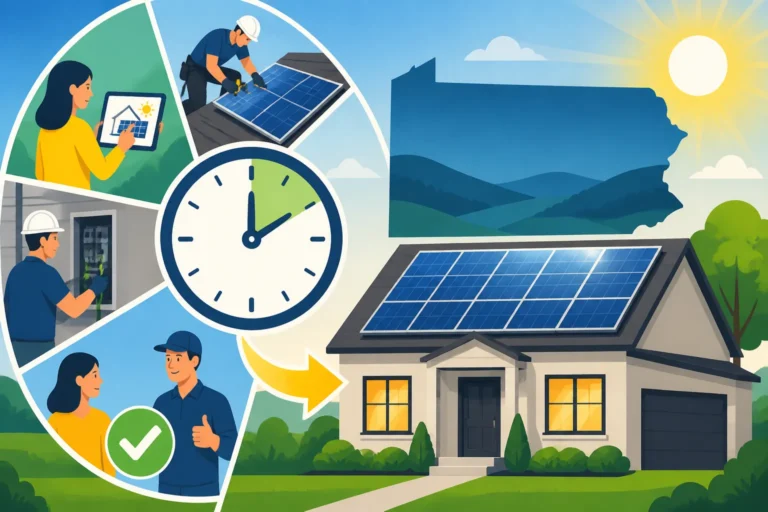
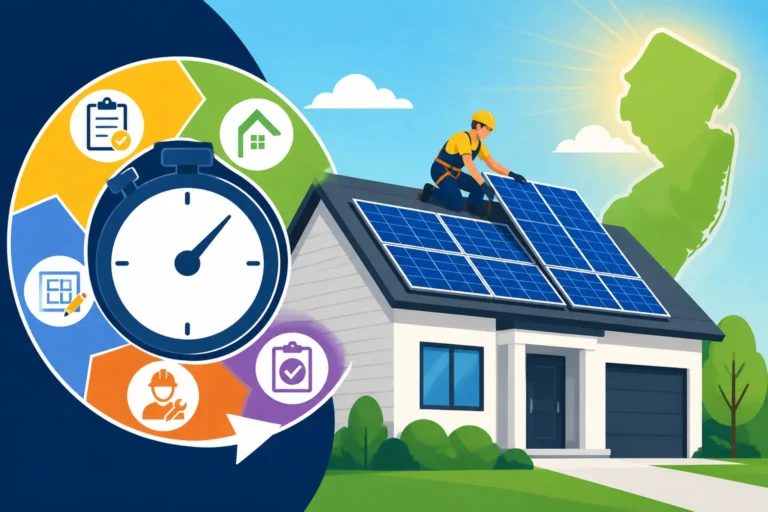
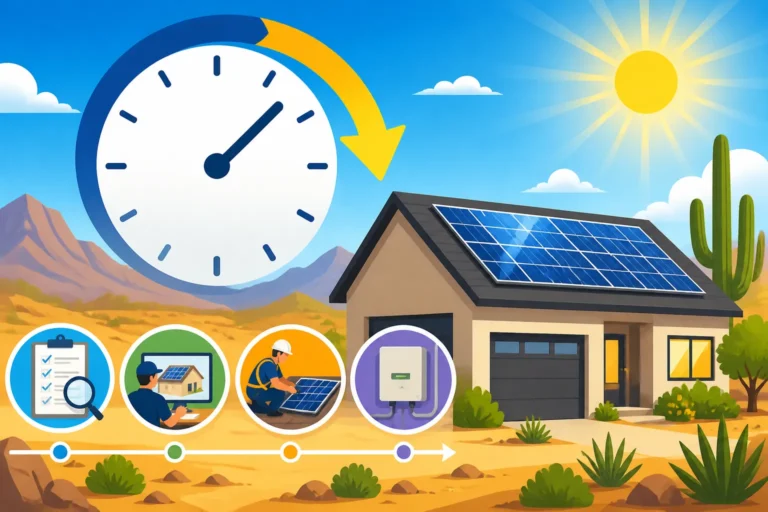
Getting solar panels isn't quite like ordering a new appliance; it's a multi-stage process that involves design, permitting, installation, and final inspections. Each step has its own timeframe, and while some are quick, others can take a surprising amount of time. It’s a journey, not a sprint, and understanding each phase will help you manage your expectations.
The Initial Consultation and Site Assessment
The very first step on your solar journey is usually a consultation with a solar provider. This often starts with a remote assessment using satellite imagery to get a preliminary idea of your roof's suitability. Then, a representative will typically visit your home in person. During this visit, they'll assess your roof's condition, orientation, shading from trees or nearby buildings, and your current electrical setup. They'll also review your past utility bills to understand your energy consumption patterns, which is crucial for designing a system that meets your needs.
This initial phase, from your first call to the completion of the physical site assessment, usually takes about 1-2 weeks. What you, the homeowner, can do to speed this up is have your past 12 months of electricity bills readily available. If you've been considering a new roof, or know your current one is nearing the end of its lifespan, it's wise to address that before solar installation, as it can significantly impact the project's logistics and cost down the line. Many homeowners ask, "Do I Need a New Roof Before Solar?", and the answer is often yes if your roof is old. Planning for a replacement simultaneously with solar can save you headaches later.
Design and Permitting: The Longest Leg of the Journey
Once the site assessment is complete and you've agreed on a proposal, your chosen solar company will move into the design phase. This is where engineers create a detailed blueprint of your solar energy system, specifying the number and type of panels, inverter selection (like a string inverter or an array of microinverters from brands like Enphase), and how everything will integrate with your home's electrical system. This design must adhere to local building codes, electrical codes, and utility company requirements specific to Maryland.
Following design approval, the permitting process begins. And let me tell you, this is often where the real waiting game starts. Solar permits in Maryland are handled at the county and sometimes city level, and the efficiency of these offices can vary wildly. For instance, obtaining a permit in Baltimore County might take a different amount of time than in Montgomery County or Anne Arundel County. Some jurisdictions have streamlined processes, while others might still be working through backlogs or have more stringent review cycles. This stage often involves submitting electrical plans, structural engineering reports, and other detailed documentation. It’s not uncommon for this permitting phase to take anywhere from 4 to 12 weeks, or even longer in some cases, depending on your specific location and the current workload of the local permitting office. It’s a frustrating but necessary step, ensuring everything is up to code for your safety and the system's longevity.
Equipment Procurement and Scheduling
After the design is finalized and all necessary permits are in hand, your solar installer will begin ordering the specific components for your system. This includes the solar panels themselves, inverters, racking systems, wiring, and potentially a battery storage solution like a Tesla Powerwall if you're opting for backup power. The availability of specific brands or models can sometimes cause slight delays, especially if there are global supply chain issues. However, most reputable installers work with multiple suppliers to minimize these risks.
Once the equipment is secured, your installer will then schedule the actual installation date. This involves coordinating their crew's availability with yours and ensuring all necessary materials are on-site. This phase typically adds another 2-4 weeks to the overall timeline after permitting is complete. While it might seem like a lot of moving parts, a good installer will keep you informed every step of the way, setting clear expectations for when the physical work will begin.
The Actual Installation Day(s) and Post-Installation Steps
After all the planning and paperwork, the moment arrives when the solar panels actually start going on your roof! This is often the quickest, most visually dramatic part of the entire process, and it’s truly exciting to see your energy future take shape.
The Physical Installation: What to Expect On-Site
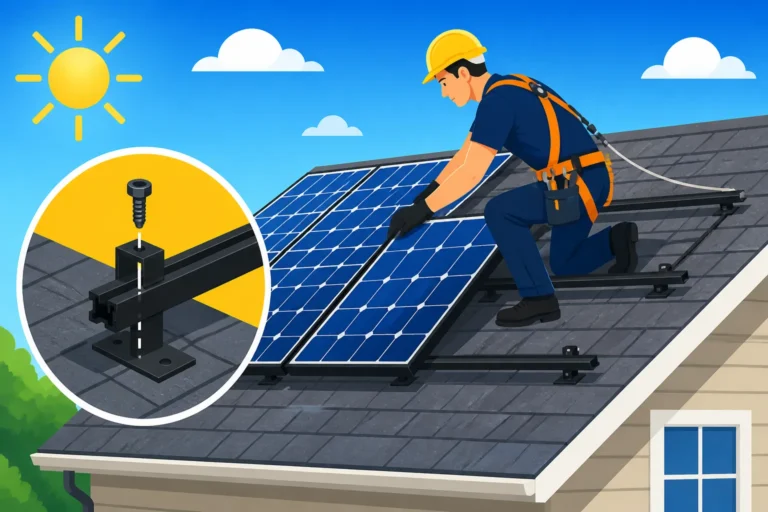
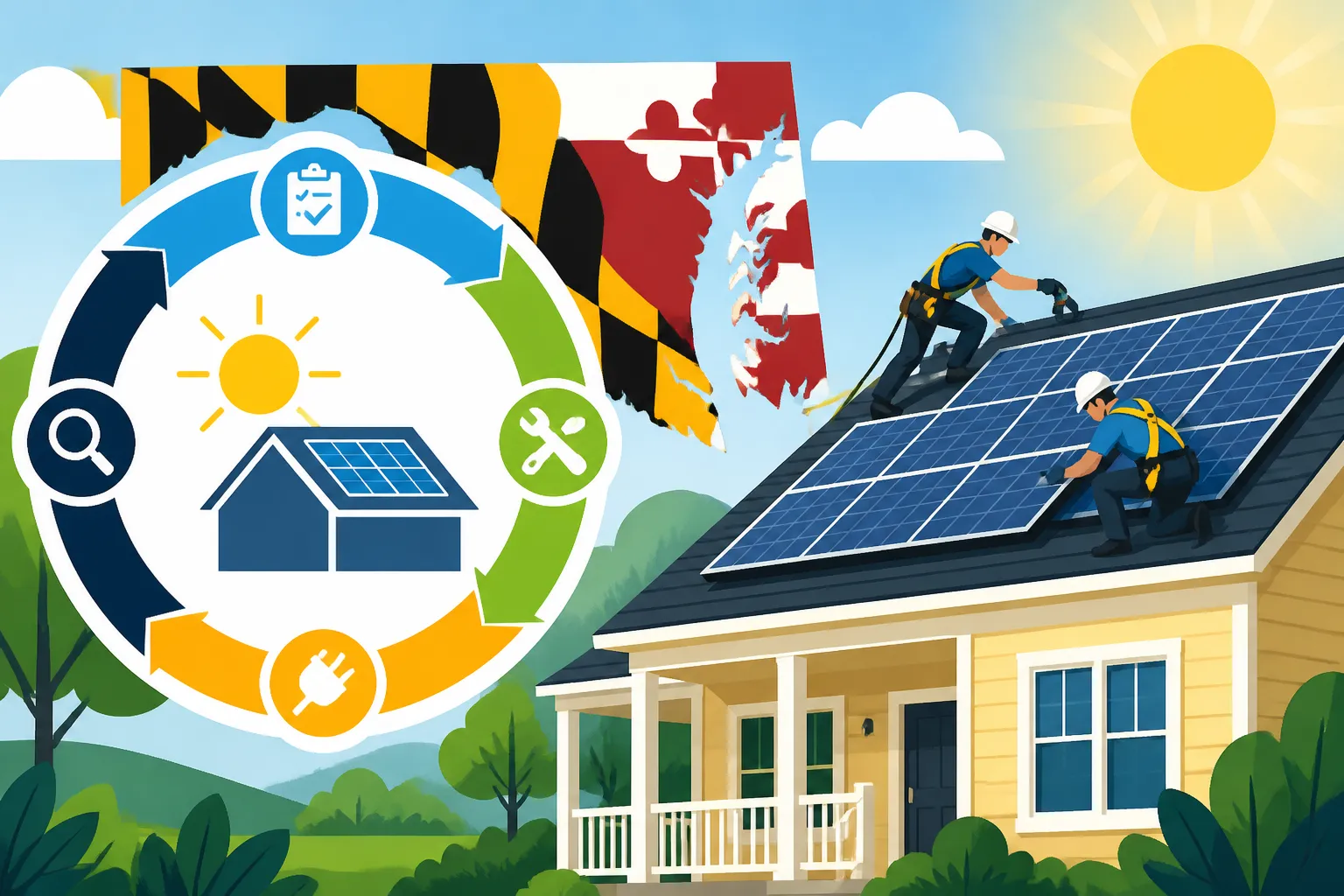
When the crew arrives, they'll typically start by preparing the roof, installing the racking system that the solar panels will mount onto. Then, they'll carefully hoist and secure each solar panel. Once the panels are in place, they'll connect the electrical wiring, installing inverters (either string inverters near your utility meter or microinverters directly under each panel) and integrating the new solar system with your home's existing electrical panel. If you're also adding a solar battery, that will be installed during this time as well.
For an average residential solar system in Maryland, this physical installation usually takes just 1 to 3 days. Yes, you read that right! The actual "boots on the roof" part is surprisingly fast. Larger or more complex systems, or those with ground-mount setups, might take a bit longer, perhaps up to a week. The installer will typically protect your property and ensure the work area is clean and safe throughout the process. It's a testament to the efficiency of modern solar installation crews. For a broader overview, you might find our guide on Solar Installation Process in Maryland helpful.
Inspections and Permission to Operate (PTO)
Once the physical installation is complete, the work isn't quite over. There are usually two crucial inspections that need to happen. First, your local county or municipal building department will conduct a final inspection to ensure the system meets all local codes and the initial permits. This inspection can take a few days to schedule after installation. Second, your utility company (such as BGE, Pepco, or Delmarva Power in Maryland) will need to perform their own inspection. They'll check the interconnection to the grid, the metering equipment, and overall safety standards.
This utility inspection is followed by what's known as Permission to Operate (PTO). This is the official green light from your utility that allows you to turn on your solar system and start sending excess electricity back to the grid. Without PTO, you can't legally operate your solar panels in grid-tied mode. This final utility process, from their inspection to receiving PTO, can take anywhere from 2 to 6 weeks. It’s another waiting period that can feel agonizingly long after your panels are already on the roof, but it’s essential for safety and for ensuring you get credit for the power you generate through net metering programs. Understanding How Do I Get Permission to Operate My Solar System? is key to this final step.
Factors That Can Influence Your Maryland Solar Timeline
While we've given some general timeframes, it's important to remember that these are estimates. Several factors can either speed up or slow down your journey to solar power in Maryland. Recognizing these can help you anticipate potential hurdles and plan accordingly.
Local Permitting Office Efficiency
As mentioned, the biggest variable in the timeline often comes down to your local permitting office. Maryland has 23 counties and independent cities like Baltimore, and each one can have its own quirks, staffing levels, and review processes. A small town with fewer permit applications might process yours quicker than a bustling county like Montgomery County, which sees a higher volume. Some jurisdictions have moved to online portals for applications, which can streamline the submission process, but the review itself still takes human eyes and time.
It's not just about the initial permit, either. Any revisions requested by the permitting office – perhaps a minor change to the electrical diagram or a clarification on a structural component – will add time as the installer makes the changes and resubmits. This back-and-forth can stretch out the permitting phase significantly. Your solar installer should be familiar with the specific requirements and typical turnaround times for your local jurisdiction and communicate these expectations clearly upfront.
System Complexity and Equipment Availability
The type and size of the solar energy system you choose can also impact the timeline. A standard rooftop system with basic panels and a single inverter might sail through quicker than a complex setup involving a significant number of panels, multiple inverters, or a robust battery storage solution. For example, adding several Tesla Powerwalls or Enphase IQ Batteries to an existing solar design can introduce additional electrical and structural considerations that require more detailed engineering and potentially more scrutiny from permitting authorities.
Furthermore, while supply chains have generally stabilized, specific high-demand components or less common panel types might have longer lead times. If you're set on a particular brand like Maxeon panels for their efficiency or a specific inverter model, your installer might need to order it specially, adding a few weeks to the procurement phase. Most installers will clarify these potential delays early on in the sales process.
Weather Delays and Contractor Scheduling
Maryland's climate can also throw a wrench into the works. Heavy snow, prolonged rain, or severe thunderstorms can make rooftop work unsafe, leading to delays in the physical installation phase. While installers try to schedule around known weather patterns, unexpected events can push back installation dates. Similarly, peak season for solar installations, often in the spring and fall when weather is most favorable, can mean installers have busier schedules.
Your chosen installer's workload and their ability to quickly deploy crews can influence how fast they can get to your project after permits are secured. Larger companies like Vivint Solar or smaller local outfits might have different scheduling flexibilities. If your installer is experiencing a boom in business, you might find yourself in a queue for a few extra weeks. It’s always a good idea to ask about their current project backlog during your initial discussions.
Tips for a Smoother Solar Journey in Maryland
Embarking on a solar project can feel like a huge undertaking, but with the right preparation and choices, you can make the process much smoother and minimize frustrating delays. It's all about being proactive and informed.
Choosing the Right Maryland Solar Installer
This is arguably the most critical decision you'll make in the entire process. A reputable and experienced local installer can make all the difference. Look for companies that have a strong track record in Maryland, understand the specific permitting requirements of your county, and have a solid reputation for customer service. Don't be shy about asking for references or checking online reviews.
When interviewing potential installers, ask specific questions about their average project timelines, how they handle permitting delays, and their communication protocols. Do they have a dedicated project manager who will keep you updated? Do they use high-quality equipment with strong warranties? Platforms like Modernize can help you gather quotes from multiple vetted installers in your area, allowing you to compare not just prices, but also their proposed timelines and approaches. Don't just go with the lowest bid; consider the company's experience and reputation, especially when it comes to navigating local regulations.
Being Prepared and Proactive as a Homeowner
Your involvement, or lack thereof, can also affect the timeline. Being prepared with all necessary documents, such as your utility bills for the past 12-24 months and any property surveys or architectural drawings you might have, can prevent early delays. Promptly responding to requests for information from your installer or utility company will also keep the project moving forward.
Don't hesitate to follow up with your installer periodically for updates, especially during the permitting and PTO phases. While they should be proactive in communicating, a gentle check-in from your side can ensure nothing falls through the cracks. If you know you'll be away from home or unreachable for a period, communicate this to your installer so they can plan accordingly. Thinking ahead can prevent simple miscommunications from becoming significant roadblocks.
Maryland Solar Installation Timeline Summary
To give you a clearer picture, here's a general breakdown of how long each phase of a residential solar installation typically takes in Maryland:
| Phase | Estimated Duration (Maryland) | Key Activities | Potential Delays |
|---|---|---|---|
| Initial Consultation & Site Assessment | 1-2 Weeks | Remote analysis, in-person home visit, energy usage review. | Homeowner not having utility bills ready, scheduling conflicts. |
| Design & Engineering | 1-3 Weeks | System blueprint creation, electrical diagrams, structural analysis. | Complex system, multiple revisions. |
| Permitting & Approvals (Local & Utility) | 4-12 Weeks (or more) | Submission of plans to county/city, utility interconnection application. | Local office backlogs, incomplete paperwork, revisions needed. |
| Equipment Procurement | 2-4 Weeks | Ordering panels, inverters, racking, batteries. | Supply chain issues, specific equipment lead times. |
| Physical Installation | 1-3 Days | Mounting panels, wiring, inverter installation, battery setup. | Bad weather, complex roof, larger system size. |
| Inspections (Local & Utility) | 1-2 Weeks | Local building inspector review, utility company review. | Inspector availability, failed initial inspection. |
| Permission to Operate (PTO) | 2-6 Weeks | Official approval from utility to activate system and connect to grid. | Utility backlogs, paperwork processing. |
| Total Estimated Time | 3 to 6 Months (on average) | From initial contact to system activation. This varies widely. | Many variables can extend this. |
As you can see, the actual physical installation is a relatively small part of the overall timeline. The bulk of the time is spent in the administrative and approval phases. While this might seem long, the long-term benefits of solar energy, including significant savings on your electricity bills and a reduced carbon footprint, often make the wait well worth it. Exploring Is Solar Worth It in Maryland? can provide insight into these long-term benefits specific to Maryland.
Disclaimer
Please remember that the information provided in this guide is for general informational purposes only and is subject to change. Solar incentives, regulations, and timelines can vary based on location, utility company, and legislative updates. Always consult with qualified solar professionals and local authorities for the most accurate and up-to-date information regarding your specific solar project.