Solar Permit Process in Virginia
Navigating the world of solar energy can feel incredibly exciting, a true step towards energy independence and saving money. But let's be honest, that initial excitement can sometimes get bogged down in the nitty-gritty details, especially when it comes to local bureaucracy. If you're looking to go solar in the Commonwealth, you've probably already realized that getting your solar permit in Virginia isn't always a straightforward "one-size-fits-all" process. This guide is here to cut through the confusion and walk you through what to expect, from application to activation, helping you understand the specific steps involved in securing your solar permits across Virginia.
Understanding Virginia's Solar Permitting Landscape
When you decide to install solar panels on your home in Virginia, one of the first hurdles you'll encounter is the permitting process. It's not just about slapping panels on your roof; there's a legal and safety framework designed to protect homeowners and ensure installations are up to code. Virginia has made strides in streamlining solar permitting, but the reality is, it's a mix of state guidelines and localized requirements that can vary significantly from one county or city to another. This can feel incredibly frustrating when you just want to get your clean energy system up and running.
State Directives vs. Local Ordinances
Virginia's State Corporation Commission (SCC) and the Department of Energy often provide overarching guidelines for solar installations, but the real heavy lifting of permitting is handled at the local level by your city or county building department. This means that while there's a general framework, the specific forms, fees, and even the review timelines can differ dramatically. For instance, what's required in Fairfax County might have slight variations compared to what you'd need in Virginia Beach or Richmond. This patchwork can make it difficult to get a clear picture right away, often leaving homeowners feeling overwhelmed.
Your installer usually handles the bulk of this permit application process, and frankly, that's one of the biggest reasons to choose a reputable company. They'll have experience with the local authorities and know exactly which hoops to jump through. They're typically familiar with the nuances of specific localities, understanding if the City of Chesapeake has a particular electrical inspection requirement that differs from, say, Arlington County. They’ll also be well-versed in the specifics of utility interconnection, which is a separate but intertwined process often critical for getting your solar system online. For example, knowing the ins and outs of connecting to Dominion Energy versus Appalachian Power can make a huge difference in the overall timeline.
General Requirements and Typical Fees
While specific documents vary, most localities in Virginia will ask for a similar set of plans and information. This often includes detailed structural plans of your roof, electrical schematics showing how the solar panels connect to your home's electrical system and the utility grid, and a site plan indicating where the panels will be placed. You'll also need specifications for the equipment you plan to use, like the solar panels themselves and the inverters.
Permit fees can range widely, typically from a few hundred dollars to over a thousand, depending on the system size and the specific jurisdiction. These fees cover the cost of reviewing your application, conducting inspections, and ensuring everything adheres to local building codes. It's an important part of the process, though it can feel like another expense on top of your solar investment. Your installer should provide a clear breakdown of these costs in your quote. If you're looking into how much solar actually costs in Virginia, these fees are a small but necessary part of the overall investment. For a clear idea of what to expect, consider using a service like Modernize, which can help connect you with installers familiar with the local permit costs in your area.
Here's a general idea of what types of permits you might need:
| Permit Type | Description | Typical Authority |
|---|---|---|
| Building Permit | Structural approval for mounting panels to the roof. | Local Building Dept |
| Electrical Permit | Approval for all wiring, inverters, and grid connection. | Local Building Dept |
| Zoning Permit | Ensures system complies with local land use regulations (height, setbacks). | Local Zoning Dept |
| Utility Interconnection | Permission to connect your system to the local utility grid. | Utility Company |
Step-by-Step Guide to the Solar Permit Application in Virginia
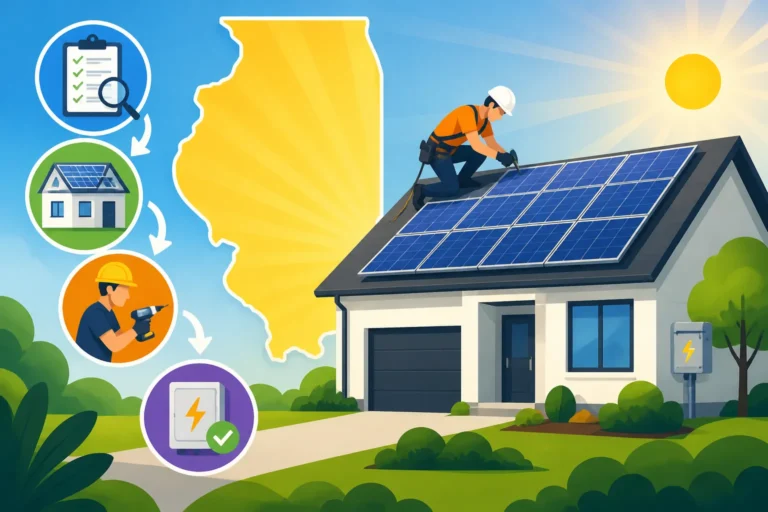
The solar permit process in Virginia, while varied by locality, generally follows a predictable sequence. Understanding these steps can help you manage your expectations and even prompt your installer with the right questions. It truly takes a village – or at least a coordinated effort between you, your installer, and local authorities – to get your system legally connected.
Initial Design and Documentation Gathering
The journey begins after you've chosen your solar installer and finalized your system design. Your installer's engineering team will create detailed plans that meet both your energy needs and local building codes. These plans are the core of your permit application. They include things like:
- Structural Engineering Documents: These confirm your roof can safely support the additional weight of the solar panels and racking system. If you have an older home, or a roof that hasn't been recently inspected, this is a crucial step to ensure everything is sound. You don't want any surprises after installation.
- Electrical Schematics: These diagrams show how the panels, inverters (like those from Enphase or SolarEdge), and electrical conduits integrate with your home’s existing electrical panel and the utility grid. This is vital for safety and functionality.
- Site Plans: These illustrate the proposed location of the panels on your roof, accounting for setbacks from roof edges, fire access pathways, and potential shading from nearby trees or structures. Proper placement is key to maximizing your solar production.
It's common for homeowners to worry about what happens if their roof isn't "perfect." Most modern solar panels are designed to be relatively lightweight, but an assessment is always necessary. If your roof is quite old, you might even consider doing a Roof Replacement Cost Before Solar as part of your overall project planning.
Submitting Your Application
Once all the plans and necessary paperwork are complete, your installer will typically submit the permit application to your local jurisdiction's building department. This submission often happens online, but some smaller counties might still require physical copies. Along with the technical plans, you’ll also include:
- Application Forms: These are standard forms provided by the city or county.
- Proof of Contractor Licensing: Your installer must be properly licensed to operate in Virginia.
- Homeowner/Property Information: Details about your property and ownership.
- Associated Fees: As discussed, these fees are paid at the time of submission.
In some areas, like Loudoun County or Prince William County, permit offices have specific submission portals or schedules, so timing can sometimes factor into how quickly your application starts its review. Good installers, often found through resources like Modernize, are well-versed in these local quirks and can navigate them efficiently.
Permit Review and Approval
After submission, your application enters the review phase. This is where building officials, electrical inspectors, and sometimes zoning officers examine your plans to ensure they comply with all applicable codes, safety standards, and local ordinances. The review period can vary significantly. In some well-staffed jurisdictions, it might take a couple of weeks, while in others, especially during peak construction seasons, it could stretch to several weeks or even a month or more.
During this period, it's not uncommon for the building department to request additional information or minor revisions to the plans. This is a normal part of the process and doesn't necessarily mean there's a major problem. Your installer will handle these communications and make any necessary adjustments. Clear and detailed plans upfront can help minimize these back-and-forth exchanges, speeding up the approval process. Patience is truly a virtue here, as delays can feel frustrating, but they're part of ensuring a safe and compliant installation. Remember, your ultimate goal is to reach that exciting What Is Permission to Operate (PTO)? stage, but permits are the critical precursor.
Common Challenges and Tips for a Smooth Process
The solar permit process, while essential, can occasionally throw a few curveballs your way. It’s important to acknowledge that it's not always seamless, and understanding potential roadblocks ahead of time can help you manage expectations and work effectively with your installer.
Navigating Local Bureaucracy and Varied Requirements
One of the biggest frustrations homeowners face in Virginia is the inconsistency across different jurisdictions. A process that works perfectly in Fairfax City might have different requirements or review times compared to Spotsylvania County. This local autonomy can be a double-edged sword: it allows communities to tailor regulations to their specific needs, but it also creates complexity for a statewide industry.
For example, some municipalities might have very strict aesthetic guidelines for solar installations, requiring panels to be less visible from the street, while others are more lenient. Similarly, historical districts in cities like Fredericksburg or Alexandria may have additional layers of review to protect architectural integrity. Your best defense against these surprises is a knowledgeable installer. They should have experience working within your specific locality and be able to anticipate potential issues. Don't hesitate to ask your prospective installers about their experience with your city or county during the vetting process – it's a critical question to determine How to Choose a Solar Installer.
Ensuring Complete and Accurate Documentation
The most common reason for permit delays is incomplete or inaccurate documentation. Building departments are swamped, and every time they have to send plans back for revisions, it adds to your waiting time. Imagine forgetting a crucial diagram or mislabeling an electrical component; it’s a small oversight that can lead to weeks of delay.
Here’s where your installer's attention to detail truly shines. They are responsible for preparing a permit package that is meticulously accurate and comprehensive. Before submission, it's a good idea to ensure they've cross-checked every requirement. While you might not understand every technical detail, you can ask about their internal quality control processes for permit applications. A professional installer will have robust systems in place to minimize errors. This proactive approach helps avoid those aggravating "request for information" notices from the county, keeping your project moving forward.
Communication and Follow-up
Once your permit application is submitted, it's not a "set it and forget it" situation. While your installer manages the direct communication with the permitting office, staying informed about the status is crucial. Regular check-ins with your solar company can help ensure they are actively following up and addressing any potential issues promptly.
Some delays are unavoidable, especially if a particular department is understaffed or experiencing a high volume of applications. However, an engaged installer will know how to effectively communicate with the permit office, sometimes even having established relationships that facilitate smoother processing. If you feel like your project is stuck, a polite inquiry with your installer about the permit status and estimated next steps is entirely appropriate. Remember, clear communication between all parties is key to avoiding frustration and ensuring a timely installation.
Post-Permit: Inspections and Permission to Operate
Congratulations! Your permit has been approved, and the solar panels are installed. But the journey isn't quite over. Before you can flip the switch and start generating your own clean electricity, there are a few more critical steps to complete, focusing on safety and official grid connection.
The Inspection Phase
Once the physical installation of your solar panels, racking, inverters, and electrical components is complete, the local building department will schedule one or more inspections. These inspections are paramount for safety and code compliance. An inspector, typically from your city or county, will verify that the installation matches the approved plans and meets all local and national electrical and building codes.
Here's what an inspector generally looks for:
- Structural Integrity: Are the panels securely mounted? Is the racking system properly installed and fastened to the roof structure?
- Electrical Safety: Is all wiring correctly routed, secured, and properly terminated? Are the inverters and electrical components installed according to manufacturer specifications and code? This includes checking things like grounding, conduit fill, and rapid shutdown mechanisms.
- Code Compliance: Does the entire system meet the National Electrical Code (NEC) and local building codes?
It’s not uncommon for minor issues to be flagged during an inspection, especially in larger or more complex systems. These might be small adjustments or clarifications. Your installer will be responsible for addressing any "red tags" or corrections required by the inspector. Once the corrections are made, a re-inspection may be necessary. This process can add a bit more time to your overall Solar Installation Timeline: What to Expect, but it's a non-negotiable step to ensure the safety and longevity of your system.
Utility Interconnection and PTO
Even after passing all local inspections, you still can't just plug in and start generating power. The final hurdle is obtaining "Permission to Operate" (PTO) from your local utility company. In Virginia, your main utility providers like Dominion Energy, Appalachian Power, and various electric cooperatives each have their own interconnection agreement processes.
The utility company needs to verify that your solar system meets their technical and safety standards for connecting to their grid. This usually involves:
- Application Submission: Your installer submits an interconnection application to the utility, often including copies of your approved electrical permits and system design.
- Meter Exchange/Configuration: The utility may need to install a new net meter (a bi-directional meter that tracks both electricity drawn from and sent to the grid) or reconfigure your existing meter. This is especially important for states with robust Net Metering Explained: How It Works by State policies, which are currently being evaluated or revised in many areas, including Virginia.
- Final Approval: Once the utility reviews everything and confirms that your system can safely connect to and interact with the grid, they issue the official PTO. Only then can you safely energize your solar panels.
The time it takes to get PTO can vary widely, from a few days to several weeks after passing inspections. It largely depends on the utility company's internal processing times and current workload. Waiting for PTO can be an anxious time for homeowners eager to start seeing those electricity bill savings, but it's the last crucial step to ensure everything is above board and safe for everyone involved.
Optimizing Your Solar Journey in Virginia
Getting solar panels installed on your home in Virginia is a fantastic investment, leading to long-term savings and a reduced carbon footprint. While the permitting process can seem like a bureaucratic maze, it’s a necessary step to ensure safety, quality, and compliance. By understanding the general framework, anticipating potential challenges, and working with a knowledgeable installer, you can navigate it with greater ease.
Partnering with Experienced Installers
The single most impactful decision you can make for a smooth permitting process is choosing a reputable and experienced solar installer. An installer familiar with Virginia's specific regulations, as well as the unique requirements of various cities and counties (like Chesterfield County, Henrico County, or the City of Roanoke), will be invaluable. They handle the lion's share of the paperwork, plans, and communication with local authorities, insulating you from much of the complexity.
Look for installers with a strong track record, good local reviews, and transparent communication about the permitting timeline and potential fees. They should be able to provide clear estimates for how long the permit review and utility interconnection process typically takes in your specific area. Services like Modernize can help you compare multiple quotes from vetted local installers, giving you peace of mind that you’re working with professionals who know the ropes. This isn’t just about getting the best price; it’s about ensuring a hassle-free journey from initial consultation to flipping the switch.
Staying Informed About Local Incentives
Beyond the immediate permitting process, Virginia offers various State Solar Incentives: Complete 2026 Guide that can significantly improve your solar ROI. These might include local property tax exemptions for solar installations, state grants, or specific programs offered by utility companies. For example, some counties might offer Solar Property Tax Exemptions by State which prevent your property taxes from increasing even though solar panels generally Do Solar Panels Increase Home Value?, adding to the overall financial benefit.
It’s always a good idea to stay informed about these incentives, as they can sometimes influence aspects of the installation or financing structure. Your chosen installer should also be well-versed in these local and state-level benefits and help you navigate the application processes for them. Understanding all the moving parts—from permits to potential savings—ensures you’re making the most informed decision for your Virginia home.
Disclaimer
The information provided in this guide is intended for general informational purposes only and does not constitute professional advice. Solar permitting rules, fees, and timelines are subject to change by local and state authorities in Virginia. Always consult with a qualified solar installer and your local building department for the most accurate and up-to-date information regarding your specific project.