Solar Payback Period in Maryland
Staring at your electricity bill each month in Maryland can feel like a losing battle, especially with those unpredictable spikes. You’re probably wondering if there’s a way to finally take control, and solar panels often come up as a promising solution. But before you jump in, the big question on everyone's mind is, "How long until these things actually pay for themselves?" This comprehensive guide will walk you through everything you need to know about the solar payback period in Maryland, breaking down the costs, incentives, and what you can realistically expect.
Understanding the Solar Payback Period
Going solar is a significant investment in your home and your future energy independence. It’s natural to want to know when that investment will start paying dividends. That’s where the concept of the solar payback period comes into play.
What is the Solar Payback Period?
Simply put, the solar payback period is the amount of time it takes for the savings you accumulate from your solar energy system to equal the initial cost of installing that system. Think of it as your solar system "breaking even." Once you've reached that point, every dollar you save on your electricity bill moving forward is pure profit in your pocket. It's a critical metric for homeowners because it helps you understand the financial viability of going solar and provides a clear timeline for your return on investment. Without understanding your Solar Panel Payback Period Explained, it's tough to make an informed decision. For many, the idea of paying a large sum upfront can be daunting, but seeing a clear path to recouping those costs often makes the decision much easier. It's not just about saving money; it's about financial predictability and stability in an often volatile energy market.
Factors Influencing Payback in Maryland
The payback period isn't a one-size-fits-all number. It's highly individualized and influenced by a variety of factors, many of which are unique to Maryland homeowners.
One of the most significant factors is your average electricity consumption. The more electricity you use, the more you stand to save by generating your own power, potentially shortening your payback time. Then there are the local electricity rates. Maryland's rates, while not the highest in the nation, are certainly not the lowest, making solar an attractive option for many residents. For example, customers of Baltimore Gas and Electric (BGE) or Pepco often see their bills climb steadily, which means the savings from solar can add up quickly.
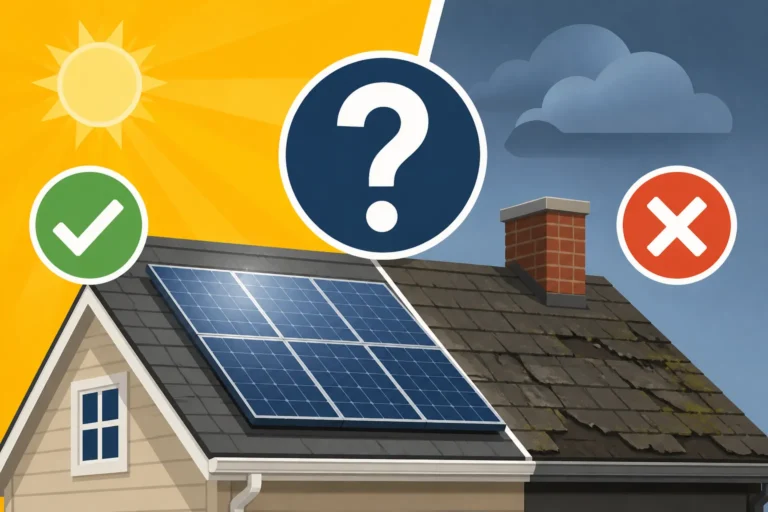
Sunlight exposure is another key player. While Maryland isn't as sunny as, say, Arizona, it still receives a healthy amount of solar insolation. The orientation of your roof, the amount of shading from trees or neighboring buildings, and the pitch of your roof all affect how much sunlight your panels capture, directly impacting their energy production and your savings. A south-facing roof with minimal shading will naturally lead to a faster payback.
Finally, the overall cost of your solar system and the available incentives dramatically influence payback. Installation costs can vary based on the size of your system, the type of equipment you choose (like premium panels or advanced inverters), and the installer's pricing. But this is where Maryland really shines with its incentives, which can significantly reduce the upfront cost and accelerate your path to profitability. We’ll dive deeper into these Maryland-specific incentives shortly.
Calculating Your Solar Payback Period in Maryland
Now that we understand the variables, let's get down to the numbers. Calculating your solar payback period in Maryland involves a few straightforward steps, though getting precise figures requires a personalized quote.
Average Payback Period in Maryland
On average, homeowners in Maryland can expect a solar payback period that typically falls between 9 and 12 years. This range is generally a bit shorter than the national average, primarily due to the state's robust incentive programs and relatively consistent electricity rates. Compare this to states with fewer incentives or lower electricity costs, where the payback might stretch to 12-15 years or even longer. For instance, in areas served by utilities like Delmarva Power on the Eastern Shore or Potomac Edison in western Maryland, the savings can be substantial, pulling down that payback time.
Of course, this is just an average. A highly efficient system on a perfectly optimized roof in a high-usage home might see a payback closer to the lower end of that range, while a less ideal scenario could push it higher. The important takeaway is that solar in Maryland is a strong investment with a reasonable timeframe for recouping your costs, especially when you consider that most solar panel systems come with a 25-year performance warranty, meaning you'll enjoy many years of free electricity long after your system has paid for itself.
Step-by-Step Calculation Guide
Want to get a ballpark figure for your own home? Here's how you can estimate your solar payback period:
-
Determine Your Total System Cost: This is the full price you pay for your solar panel system before any incentives are applied. Let’s say an average 8 kW system in Maryland costs around $28,000 to $35,000 before incentives. For this example, let's use $30,000 as our baseline.
-
Subtract Incentives and Rebates: This is where Maryland's generosity comes in.
- Federal Solar Tax Credit: As of 2026, the federal solar tax credit (Investment Tax Credit, ITC) is still a significant 30% of your system cost. So, 30% of $30,000 is $9,000. This is a dollar-for-dollar reduction in your tax liability. You can learn more about Federal Solar Incentives That Still Exist in 2026.
- Maryland SREC Program: Maryland has a thriving market for Solar Renewable Energy Credits (SRECs). Your system generates SRECs based on its production. For an 8 kW system producing around 10,000 kWh per year, you might generate 10 SRECs. While SREC prices fluctuate, let's assume an average of $60 per SREC. That’s another $600 per year in income. Over the first year, this is a direct financial benefit.
- Property Tax Exemption: In Maryland, adding solar panels generally won't increase your property taxes, thanks to specific exemptions. This isn't a direct upfront discount, but it's a significant long-term saving. You can explore Solar Property Tax Exemptions by State for more details.
- Other Potential Local/Utility Rebates: While less common for large upfront payments, some local utilities might offer small rebates. For simplicity, we'll focus on the big ones.
So, your net cost after the federal tax credit is $30,000 – $9,000 = $21,000.
-
Calculate Annual Electricity Savings: Look at your past electricity bills to find your average monthly usage in kilowatt-hours (kWh) and your average cost per kWh.
- Let's say your average monthly usage is 900 kWh, and your average cost is $0.15 per kWh.
- Annual savings from electricity generation: 900 kWh/month * 12 months * $0.15/kWh = $1,620.
-
Add Annual SREC Income: As calculated above, if your system produces 10 SRECs per year at $60 each, that's an additional $600 in annual income.
-
Total Annual Savings/Benefits: $1,620 (electricity savings) + $600 (SREC income) = $2,220 per year.
-
Divide Net Cost by Total Annual Savings:
- Payback Period = Net System Cost / Total Annual Savings
- Payback Period = $21,000 / $2,220 ≈ 9.46 years.
This example illustrates how powerful incentives and your energy savings can be in Maryland. A reliable solar company, like those you can find through Modernize, can help you get accurate quotes and calculations tailored to your specific situation.
Maryland-Specific Incentives and Their Impact on Payback
Maryland is often considered one of the leading states for solar energy, largely due to its commitment to renewable energy and the comprehensive incentive programs it offers. These programs play a crucial role in shortening the solar payback period for homeowners.
State and Local Programs
Maryland’s approach to solar incentives is multifaceted, hitting several key areas that directly benefit homeowners.
- Solar Renewable Energy Credits (SRECs): This is perhaps the most well-known Maryland incentive. Under the state’s Renewable Portfolio Standard (RPS), utility companies are mandated to source a certain percentage of their electricity from renewable sources, including solar. If they don't generate enough themselves, they must buy SRECs from homeowners and businesses who do generate solar power. Your solar system earns one SREC for every 1,000 kilowatt-hours (1 MWh) of electricity it produces. You can sell these credits on the SREC market, providing a recurring income stream that significantly boosts your return on investment. The value of an SREC fluctuates based on market demand and supply, but historically, they’ve offered a substantial financial benefit to Maryland solar owners. Understanding how to navigate this market is key, and resources like our guide on SRECs Explained: Selling Solar Renewable Energy Credits can be incredibly helpful.
- Net Metering: Maryland has a strong net metering policy. This means that when your solar panels produce more electricity than your home consumes, the excess power is sent back to the grid. Your utility company then credits your account for this electricity at the full retail rate. This effectively allows your electric meter to spin backward, reducing your monthly bill even further. Net metering ensures that every bit of electricity your system produces is valuable, contributing directly to your savings and shortening your payback time. Without robust net metering, the financial benefits of solar would be severely diminished. For more in-depth information, check out our article on Net Metering Explained: How It Works by State.
- Property Tax Exemption: As mentioned earlier, Maryland offers a property tax exemption for the added value that a solar energy system brings to your home. In most places, if you make an improvement that increases your property's value, your property taxes go up. With solar, Maryland homeowners are spared this additional burden, making solar an even more attractive investment. This exemption protects your long-term savings and ensures that the financial benefits of solar aren't eroded by higher taxes.
- Local and Utility Rebates: While state-wide programs are the heavy hitters, it's always worth checking for local municipal or utility-specific rebates. For example, some counties or cities might offer small grants or permitting fee reductions. Utility companies like BGE, Pepco, or Delmarva Power might occasionally run limited-time programs. While these might not be as substantial as SRECs or the federal tax credit, every little bit helps in reducing that initial investment and accelerating your payback. You can sometimes find these through resources like Utility Solar Rebates: How to Find Yours.
Federal Incentives
Beyond Maryland's excellent state-level programs, the federal solar tax credit (ITC) remains a cornerstone of solar affordability across the United States. This federal incentive allows you to claim 30% of the cost of your solar energy system as a credit against your federal income taxes. It's a direct reduction of what you owe the IRS, making it incredibly powerful. If you owe less in taxes than the credit amount, you can often carry the remaining credit forward to future tax years.
For a homeowner in, say, Silver Spring or Annapolis, this 30% off the total installation price can mean thousands of dollars saved upfront. This reduction in the net cost of your system is the single biggest factor in shortening your payback period. It's important to understand that this is a tax credit, not a deduction, which means it reduces your tax bill dollar-for-dollar. When you combine this significant federal incentive with Maryland's state-level benefits, the financial case for going solar becomes exceptionally strong.
Maximizing Your Solar ROI in Maryland
Getting solar panels is more than just installing equipment; it’s about making smart choices that will ensure your investment truly pays off over the long haul. Maximizing your return on investment (ROI) in Maryland involves strategic planning and diligent upkeep.
Choosing the Right System Size and Installer
One of the most critical decisions you'll make is determining the optimal size for your solar system. Oversizing your system can lead to unnecessary upfront costs and potentially generate more electricity than you can effectively use or sell back to the grid under certain net metering rules. Undersizing it means you'll still be relying heavily on your utility company for power, negating some of the savings potential. A good solar installer will perform a thorough energy audit, analyze your past electricity bills, and design a system that precisely matches your household's energy needs and future projections. They'll also consider factors like your roof space, shading, and the specific equipment that will perform best in Maryland's climate.
Equally important is choosing a reputable solar installer. This isn't a decision to take lightly. A shoddy installation can lead to performance issues, voided warranties, and even roof damage, completely undermining your investment. Look for installers with a strong track record in Maryland, positive customer reviews, and proper licensing and certifications. It's always a good idea to get multiple quotes and thoroughly vet each company. Don't be afraid to ask tough questions about their experience, warranties, and post-installation support. Platforms like Modernize can connect you with pre-vetted local installers, helping you compare offers and find a company that prioritizes quality and customer satisfaction. A reliable installer will be transparent about pricing, project timelines, and will guide you through the permitting and interconnection process with your local utility, such as Potomac Edison or BGE. Our guide on How to Choose a Solar Installer offers more tips for this crucial step.
Monitoring and Maintenance
Once your solar system is up and running, your job isn't quite over. Proactive monitoring and maintenance are essential for ensuring your panels consistently perform at their peak efficiency, which directly impacts your long-term savings and, consequently, your payback period.
Modern solar systems come with monitoring platforms that allow you to track your energy production in real-time, often through a convenient app on your phone. Keeping an eye on these numbers can help you quickly identify any dips in performance that might indicate an issue, such as a dirty panel, a malfunctioning inverter, or even shading from new tree growth. Catching and addressing these issues promptly prevents prolonged periods of underperformance.
While solar panels are generally low-maintenance, they do benefit from occasional cleaning. Dust, pollen, bird droppings, and accumulated debris can reduce their efficiency. In Maryland, fallen leaves in autumn or snow in winter can temporarily block panels. A quick rinse with a hose a couple of times a year (or after a heavy snowfall) is usually sufficient, but some homeowners might opt for professional cleaning services. Regular inspections by your installer can also catch potential problems early, like loose wiring or cracked panels, before they escalate into costly repairs. By maintaining your system, you protect its output, extend its lifespan, and keep your payback period on track, maximizing your overall Solar ROI & 25-Year Savings Breakdown.
Key Maryland Solar Incentives and Their Impact on Payback
To give you a clearer picture, here’s a table summarizing the primary solar incentives available to Maryland homeowners and how they contribute to reducing your solar payback period.
| Incentive Type | Description | Impact on Payback Period |
|---|---|---|
| Federal Solar Tax Credit (ITC) | A federal tax credit worth 30% of the total cost of your solar energy system, applied directly to your federal income tax liability. | Significant Reduction: Directly reduces your out-of-pocket expenses by a large margin, often thousands of dollars. |
| Maryland SREC Program | Homeowners earn one Solar Renewable Energy Credit (SREC) for every 1,000 kWh of electricity produced by their system, which can then be sold on a state market. | Ongoing Income Stream: Provides continuous revenue for years, adding to your annual savings and accelerating payback. |
| Maryland Net Metering | Allows solar homeowners to send excess electricity back to the grid and receive full retail-rate credits on their utility bill for that power. | Maximizes Savings: Ensures you get credit for all electricity produced, dramatically lowering or eliminating monthly bills. |
| Maryland Property Tax Exemption | Solar energy systems are exempt from property tax assessment, meaning the value added to your home by solar does not increase your property taxes. | Long-Term Savings: Prevents future cost increases, protecting your investment’s profitability over its lifespan. |
| Utility Rebates | Some local Maryland utility companies (e.g., BGE, Pepco) may offer their own smaller rebates or incentives, though these vary and may be less common. | Minor Reduction: Can slightly reduce initial costs, contributing to a faster, though often modest, payback. |
These combined incentives make Maryland an incredibly attractive state for solar investment. When considering your solar options, discussing these programs with an experienced provider is crucial. They can help you factor in all available benefits, offering a clearer picture of your specific Solar Panel Cost by State and eventual payback.
Disclaimer
The information provided in this guide is intended for general informational purposes only and does not constitute financial, tax, or legal advice. Solar incentive programs, policies, and market conditions (including SREC values) are subject to change without notice. Always consult with a qualified solar installer, tax professional, and financial advisor to determine the best course of action for your specific circumstances.