Is Solar Worth It in Wisconsin?
Many homeowners in Wisconsin look at their climbing electricity bills and wonder if there's a better way. With the fluctuating costs and a growing desire for energy independence, the idea of going solar often sparks a mix of excitement and skepticism. It's a big decision, and it’s perfectly normal to question whether solar panels are truly a smart investment in the Badger State. This comprehensive guide will cut through the noise, providing realistic insights into the financial, environmental, and practical aspects of installing solar in Wisconsin, helping you determine if it's the right move for your home and budget.
Understanding Wisconsin's Unique Solar Landscape and Climate
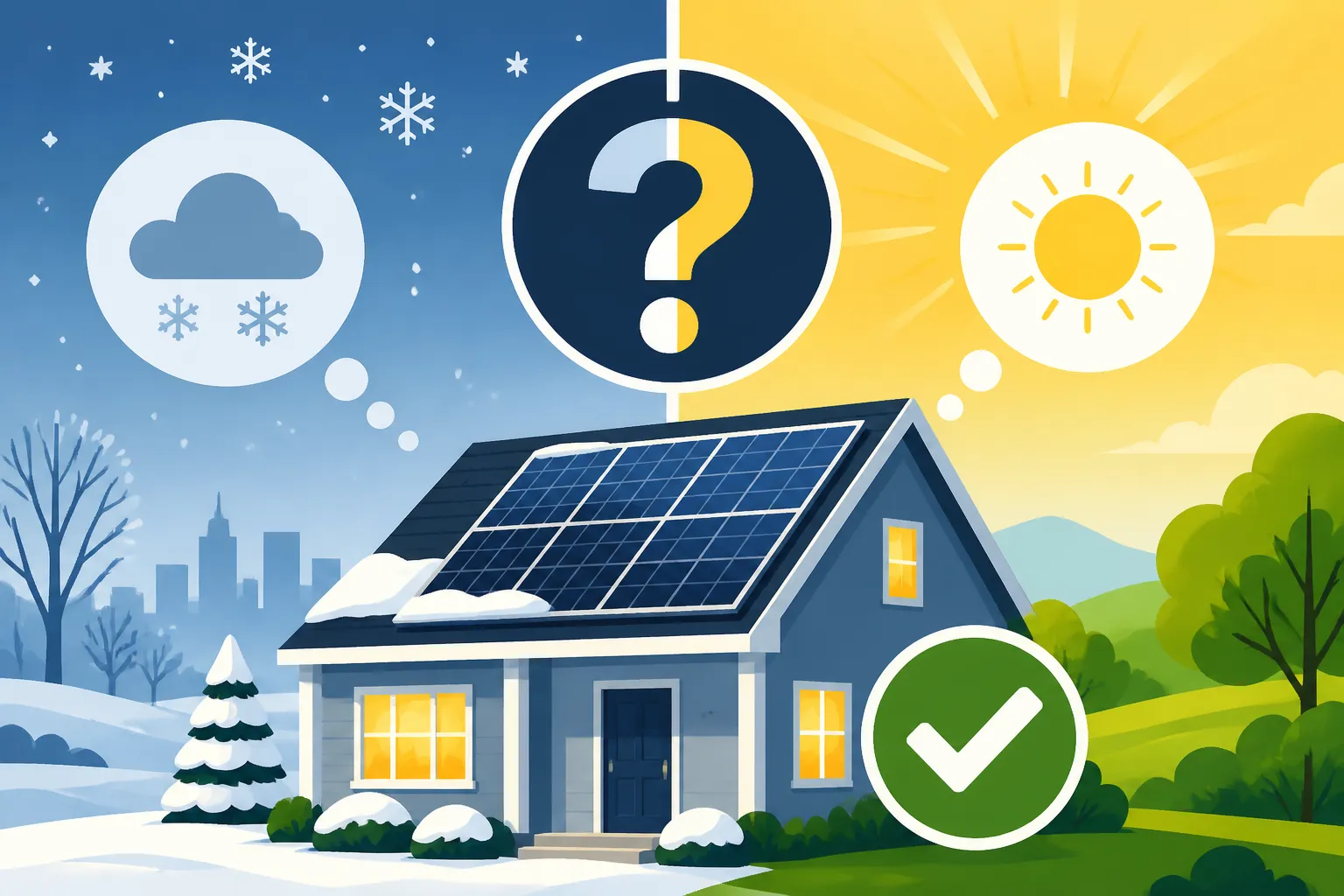
When you think of Wisconsin, you might picture long, snowy winters rather than abundant sunshine. It's a common misconception that solar panels aren't effective in colder climates or areas with less "peak" sun. However, the reality is far more nuanced, and Wisconsin offers plenty of opportunities for homeowners to benefit from solar energy.
Sunshine and Production Potential
While Wisconsin isn't typically considered a sun-drenched state like Arizona or California, it still receives a healthy amount of sunlight throughout the year. The average daily solar insolation in Wisconsin is comparable to states like New York or Oregon, where solar adoption is quite strong. Our longer summer days more than make up for the shorter, cloudier winter days. In fact, cooler temperatures can actually improve solar panel efficiency, as panels perform better when they aren't overheating. So, even when there's snow on the ground, the panels are often working hard, especially if the snow slides off quickly or gets cleared. It's important to remember that modern solar technology is designed to capture diffuse light, meaning even on overcast days, your system will still generate electricity, albeit at a lower rate.
Current Electricity Rates and Future Trends
One of the most compelling arguments for solar in Wisconsin is the rising cost of traditional electricity. Utilities like We Energies, Madison Gas and Electric (MG&E), and Alliant Energy have seen rates increase steadily over the years, and there's little to suggest this trend will reverse. When your solar system offsets a significant portion of your electricity consumption, you're essentially locking in your energy costs for decades. This predictability is a huge relief for many homeowners who are tired of playing guessing games with their monthly bills. Furthermore, many Wisconsin utilities are actively working towards cleaner energy goals, which could eventually influence pricing structures or introduce new programs, making solar an increasingly attractive option for long-term savings. The stability of a fixed monthly solar payment, especially compared to unpredictable utility bills, provides a sense of financial security that is hard to beat.
Key Financial Considerations for Wisconsin Homeowners
Deciding whether solar is worth it always comes down to the numbers. For Wisconsin residents, it's about weighing the upfront costs against the available incentives and the long-term savings. This involves understanding what you'll pay, what financial help is available, and how your utility company will credit you for the power you produce.
The Cost of Going Solar in Wisconsin
The initial investment for a solar panel system can seem daunting, but it’s crucial to look beyond the sticker price. The actual cost of solar panels can vary significantly based on your home's energy needs, the system size required, and the specific equipment you choose. On average, a typical 6 kW to 10 kW solar system in Wisconsin might range from $18,000 to $30,000 before any incentives. However, this is just a ballpark. Factors like your roof type, local labor costs, and even the complexity of the installation can influence the final price. Many homeowners find it helpful to look at the overall cost per watt to get a better sense of value. You can get a clearer picture by exploring resources that detail the Solar Panel Cost by State or even specific breakdowns like the Cost of a 6 kW Solar System. Reputable solar companies often offer detailed quotes that break down equipment, installation, and permitting costs, giving you a transparent view of your investment. Working with a platform like Modernize can help you compare multiple quotes from local installers, ensuring you get competitive pricing for your project.
State and Local Solar Incentives
While the federal solar tax credit (ITC) is a major incentive nationwide, Wisconsin also offers its own programs to help make solar more affordable. Unfortunately, Wisconsin does not have a statewide solar tax credit like some other states, but there are other avenues for financial assistance.
- Focus on Energy Rebates: Wisconsin's statewide energy efficiency and renewable energy program, Focus on Energy, often provides cash-back rebates for homeowners who install eligible solar photovoltaic (PV) systems. These rebates can significantly reduce your upfront costs. The amount of the rebate can change, so it's always wise to check their current offerings.
- Property Tax Exemptions: One of the often-overlooked benefits is that adding solar panels typically increases your home's value, but in Wisconsin, this added value from your solar system is exempt from property tax assessments. This means you won't pay higher property taxes just because you've invested in solar, which is a fantastic long-term saving. This is a common incentive, and you can learn more about Solar Property Tax Exemptions by State.
- PACE Financing: Some local governments in Wisconsin participate in Property Assessed Clean Energy (PACE) programs. While more common for commercial properties, some residential PACE programs might be available, allowing you to finance solar installations through a voluntary assessment on your property tax bill. This can be a way to avoid upfront costs and pay for solar over time.
- Utility-Specific Programs: It's always worth checking with your specific utility provider. While not universal, some utilities may offer their own rebates or incentives to encourage solar adoption within their service territories. You can research Utility Solar Rebates: How to Find Yours to see if your local provider has any current programs.
Understanding these various incentives is crucial for accurately calculating your total investment and potential return. Don't let the lack of a state tax credit deter you; the combination of federal and local programs, along with energy savings, can still make solar a strong financial choice.
How Net Metering Works in Wisconsin
Net metering is a critical component of solar savings, allowing you to get credit for the excess electricity your panels produce and send back to the grid. In Wisconsin, net metering policies vary by utility, but generally, utilities are required to offer some form of it.
- Credit for Excess Energy: When your solar panels generate more electricity than your home consumes, that surplus power is sent to the grid. Your utility meter will track this outflow, and you'll typically receive credits on your bill for that energy. Most utilities offer compensation at a rate that is close to the retail rate, though some might offer a slightly lower "avoided-cost" rate.
- Banking Credits: These credits can then be used to offset the electricity you draw from the grid during times when your panels aren't producing enough power (like at night or on very cloudy days). This effectively turns your utility grid into a giant battery, storing your excess energy for later use.
- Variations by Utility: It's important to understand the specific net metering rules for your utility, whether it's We Energies, MG&E, Alliant Energy, or a smaller municipal utility. Some utilities might have limits on system size for net metering eligibility or different credit rates. Consulting with a local solar installer that understands Wisconsin's regulatory landscape is key to maximizing your net metering benefits. For a deeper dive into how this system functions across different regions, you might want to read our article on Net Metering Explained: How It Works by State.
Without effective net metering, the financial case for solar would be significantly weaker. It's what allows you to essentially sell your excess power back to the grid, ensuring you get the most value out of every ray of sunshine your panels capture.
Calculating Your Solar ROI and Payback Period
So, with all the costs and incentives laid out, how long will it take for your solar investment to pay for itself, and what kind of return can you expect in the long run? These are the big questions every homeowner asks, and for good reason. Understanding your potential ROI (Return on Investment) and payback period is key to determining if solar is truly "worth it" in Wisconsin.
Estimating Your Long-Term Savings
The core of solar's financial benefit is the money you save by not purchasing electricity from the grid. Over the typical 25-30 year lifespan of a solar system, these savings can be substantial. In Wisconsin, with rising electricity rates, your savings only grow over time. Let's consider a few scenarios:
- Immediate Savings: From day one, your solar panels will reduce your reliance on grid electricity, leading to a noticeable drop in your monthly utility bill. The exact amount will depend on your system size and electricity consumption.
- Hedging Against Rate Hikes: As utility rates continue to climb, your solar savings become even more significant. You're effectively locking in your electricity costs for a major portion of your energy needs, protecting yourself from future price volatility.
- Net Metering Credits: As discussed, any excess energy you produce will earn you credits, further reducing your bill or even generating a small payout from some utilities if you overproduce significantly over a year.
- Payback Period: The payback period is the time it takes for your cumulative energy savings and incentives to equal the initial cost of your solar system. In Wisconsin, with a combination of the federal tax credit, Focus on Energy rebates, and property tax exemptions, the average payback period can range from 9 to 13 years. This is a solid timeframe, especially considering your panels will continue to produce free electricity for another 15-20 years after that. To understand the general calculations, check out Solar Panel Payback Period Explained.
Example Savings Scenario for a Wisconsin Homeowner:
Let's imagine a homeowner in Milwaukee installs a 7 kW solar system costing $22,000 before incentives.
- Federal Tax Credit (30%): $6,600
- Focus on Energy Rebate: Potentially $500 – $1,000 (amounts vary, let's use $750 for this example)
- Net Upfront Cost: $22,000 – $6,600 – $750 = $14,650
If this system offsets an average of $100 per month in electricity bills, that's $1,200 saved per year.
- Payback Period: $14,650 / $1,200 per year ≈ 12.2 years.
After that 12.2 years, the homeowner enjoys essentially free electricity for the remaining 12-18+ years of the system's life, totaling tens of thousands of dollars in pure savings. This table illustrates some key financial aspects:
| Metric | Typical Range in Wisconsin (Before Incentives) | Typical Range in Wisconsin (After Incentives) |
|---|---|---|
| System Cost (6-10 kW) | $18,000 – $30,000 | $12,000 – $20,000 |
| Cost Per Watt | $3.00 – $3.50 | $2.00 – $2.50 |
| Average Monthly Savings | $80 – $150+ | $80 – $150+ |
| Average Payback Period | 12 – 18 years | 9 – 13 years |
| 25-Year Lifetime Savings | $25,000 – $45,000+ | $25,000 – $45,000+ |
| Property Value Increase | 3-5% of home value | 3-5% of home value |
Note: These are averages and can vary greatly based on individual circumstances, electricity consumption, chosen equipment, and current incentive levels.
The Impact on Home Value
Beyond the direct savings on your electricity bill, installing solar panels can significantly increase your home's resale value. Studies consistently show that homes with owned solar systems sell for more and often sell faster than comparable homes without solar. In Wisconsin, where energy costs are a concern for many buyers, a home with a pre-installed, operational solar system is a major selling point.
- Appraisal Value: Appraisers are increasingly factoring solar installations into home valuations. The increase in value typically far outweighs any minor aesthetic concerns.
- Buyer Appeal: For many potential buyers, the idea of inheriting a home with dramatically lower or even non-existent electricity bills is incredibly appealing. It's a tangible financial benefit that makes your property stand out in the market.
- Long-Term Asset: Unlike other home improvements that might depreciate, a well-maintained solar system continues to produce value year after year. This makes it a valuable asset for years to come.
Understanding that solar panels increase home value adds another layer to the financial "worth" of going solar. It's not just about what you save; it's also about what you gain in equity. For more information, you can explore the topic of Do Solar Panels Increase Home Value?.
Practical Steps to Determine if Solar is Right for Your Home
So, you're intrigued by the financial benefits and environmental appeal of solar in Wisconsin. Now comes the practical side of things. Before you commit, there are a few essential steps to take to ensure your home is a good candidate for solar energy.
Assessing Your Roof and Energy Needs
The first step in any solar journey is to look up at your roof and then down at your utility bills.
-
Roof Suitability: Not all roofs are created equal when it comes to solar. You'll want to consider several factors:
- Roof Age and Condition: A solar system is designed to last 25-30 years. If your roof is nearing the end of its life, it's often more cost-effective to replace it before installing solar panels. Removing and reinstalling panels for a roof replacement can be an added expense later on. Many homeowners wonder, "Do I Need a New Roof Before Solar?" and the answer is often yes, if your roof is old.
- Shading: Trees, chimneys, or neighboring buildings that cast significant shade on your roof during peak sun hours can severely impact solar production. While microinverters can help mitigate the effects of partial shading, a heavily shaded roof might not be ideal.
- Orientation and Pitch: South-facing roofs are generally optimal for solar production in the Northern Hemisphere, but east and west-facing roofs can also be highly effective, especially if you have high energy usage in the mornings and evenings. The pitch (angle) of your roof also plays a role, with moderate pitches often being best for year-round sun exposure.
- Space: Do you have enough unobstructed roof space to accommodate the number of panels needed to meet your energy goals? A typical home might need 15-25 panels, depending on their wattage and your consumption.
-
Energy Consumption: Understanding your household's electricity usage is paramount.
- Review Past Bills: Look at your last 12-24 months of electricity bills to get an accurate average of your monthly and annual kilowatt-hour (kWh) consumption. This will help your solar installer design a system that adequately meets your needs.
- Future Plans: Are you planning to add an electric vehicle, upgrade to energy-efficient appliances, or expand your home? These changes will impact your future energy needs and should be factored into your solar system design.
By thoroughly assessing these factors, you can get a realistic idea of how much solar power your home can generate and how much of your current electricity bill you can offset.
Choosing the Right Solar Installer
Perhaps one of the most critical decisions you'll make is selecting a reputable solar installer. This isn't just about getting the best price; it's about peace of mind, quality workmanship, and reliable support for decades to come.
- Local Expertise: Look for installers with a strong track record in Wisconsin. They'll be familiar with local permitting requirements, utility interconnection processes, and the specific incentives available in your area (like those from Focus on Energy).
- Certifications and Licensing: Ensure the company and its electricians are properly licensed and insured in Wisconsin. North American Board of Certified Energy Practitioners (NABCEP) certification is a strong indicator of expertise.
- Track Record and Reviews: Check online reviews (Google, Yelp, BBB) and ask for references. Speak to previous customers about their experience with the installer from sales to installation and beyond.
- Transparent Quotes: A good installer will provide a detailed, easy-to-understand quote that breaks down all costs, equipment used (panels, inverters, racking), warranties, and estimated production. Be wary of installers who push for a quick signature without explaining everything clearly. Companies like Modernize can help connect you with vetted, local solar professionals who can provide these detailed proposals.
- Warranties: Understand the warranties offered – typically a product warranty for the panels (25 years is standard), a performance warranty (guaranteeing a certain output over time), and an installation/workmanship warranty (usually 10-25 years).
Choosing wisely can make all the difference in your solar experience. A reliable installer will be your partner throughout the entire process, from initial consultation to installation and ongoing support. They'll also be able to guide you through the process of getting Permission to Operate (PTO), which is the final step before you can start generating your own power.
Disclaimer
The information provided in this guide is for general informational purposes only and does not constitute financial, tax, or legal advice. Solar incentives, costs, and regulations are subject to change and can vary significantly by location and utility provider. Readers should consult with qualified solar professionals, financial advisors, and tax experts to determine the suitability of solar energy for their individual circumstances.