Is Solar Worth It in Vermont?
Many Vermont homeowners wonder if solar panels are truly a wise investment given our distinct climate and energy landscape. It’s a valid question, especially with thoughts of snowy winters and shorter daylight hours lingering in our minds. This comprehensive guide will peel back the layers on solar energy in Vermont, helping you understand the financial benefits, the available incentives, and the practical considerations to determine if going solar is the right move for your Green Mountain home.
Understanding Vermont's Unique Solar Landscape
When you think of solar panels, you might picture sunny California or Arizona, not necessarily the snowy peaks and vibrant foliage of Vermont. However, our state has made significant strides in embracing renewable energy, and understanding the local context is crucial to evaluating solar's worth. It’s not just about raw sunshine; it’s about how that sunshine translates into savings with local policies and your home’s specific needs.
Weather and Sunlight Exposure
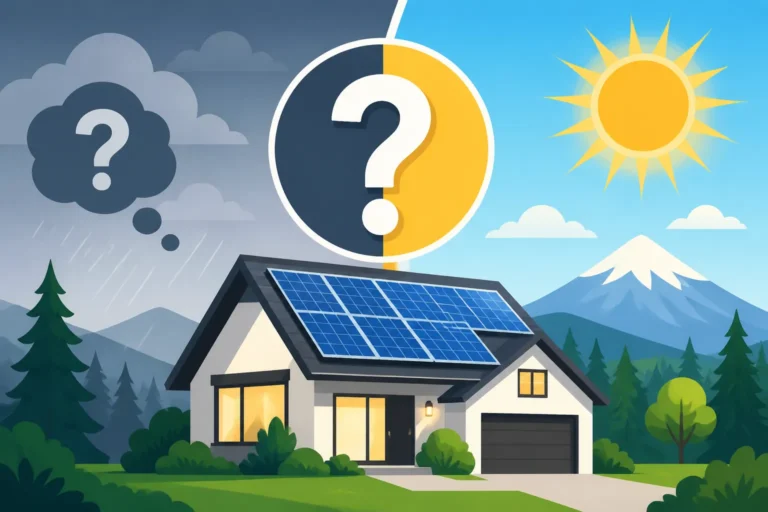
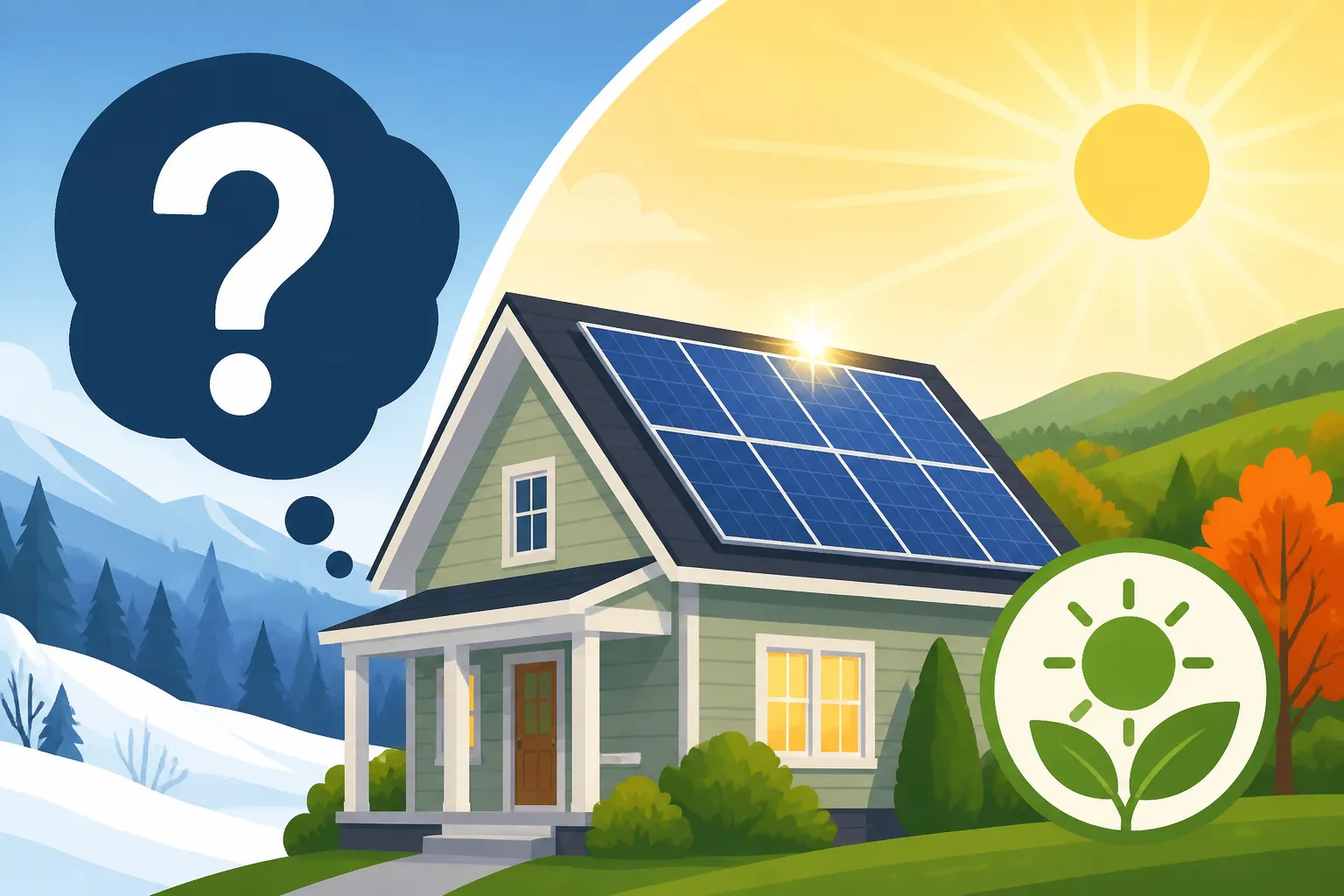
It's a common misconception that solar panels are only efficient in consistently sunny, warm climates. While Vermont certainly experiences its share of cloudy days and heavy snowfalls, modern solar technology is remarkably resilient. Our average daily sunlight hours, even when accounting for winter, are sufficient to make solar a viable option. In fact, cooler temperatures can actually increase solar panel efficiency, as panels perform better when they're not overheating.
During winter, snow cover can temporarily reduce production, but panels are often installed at an angle that encourages snow to slide off naturally. Plus, many systems are designed to capture diffuse light, meaning they still generate electricity even on overcast days. The key is proper system design that accounts for seasonal variations, ensuring your panels are optimized for year-round performance, not just peak summer days. You might be surprised to learn that spring and fall can be incredibly productive for solar in Vermont due to clear skies and cooler temperatures.
Electricity Rates and Their Impact
One of the most compelling arguments for solar in Vermont is the cost of electricity. Vermont's electricity rates are generally higher than the national average, making the prospect of generating your own power much more attractive. When you're paying more per kilowatt-hour, every bit of electricity your solar panels produce directly translates into greater savings on your utility bill.
Consider Green Mountain Power (GMP), one of the largest utilities in Vermont. Their rates, like many across the state, have seen gradual increases over time, and there's no real indication that this trend will reverse significantly. By locking in your electricity costs through solar, you're essentially hedging against future rate hikes. This long-term stability can be a huge relief for household budgets, offering predictable energy expenses for decades to come, far outweighing any initial concerns about Vermont's weather.
Key Financial Incentives and Programs in Vermont
The upfront cost of solar can feel daunting, but thankfully, Vermont offers a supportive environment with various financial incentives that significantly reduce the net expense and improve the return on investment. These programs are designed to encourage more homeowners to make the switch to clean energy, and they can dramatically impact your decision-making process.
State-Specific Incentives and Rebates
Vermont takes its commitment to renewable energy seriously, and it shows in the programs available. For instance, Efficiency Vermont often offers rebates on solar installations, battery storage, and even specific energy efficiency upgrades that complement a solar system. These aren't always guaranteed and can change, so it's vital to check their current offerings. They often have programs targeted at making clean energy more accessible for everyone.
Beyond Efficiency Vermont, there might be local utility rebates depending on your specific electric provider. Some smaller municipal utilities or co-ops might have their own initiatives. This is where getting quotes from multiple installers, perhaps through a service like Modernize, becomes incredibly useful, as they can often help you navigate these local and state-specific offerings. You’ll want to ask about any available Vermont Solar Incentives in 2026 to maximize your savings. Additionally, homeowners in Vermont can benefit from Solar Sales Tax Exemptions by State, meaning you won't pay sales tax on your solar equipment, which can shave off a significant chunk of the upfront cost.
Net Metering in the Green Mountain State
Net metering is a game-changer for solar homeowners, and Vermont has a robust system in place, though it has evolved over time. Essentially, when your solar panels produce more electricity than your home consumes, that excess energy is sent back to the grid. In return, your utility provides you with credits on your bill, typically at or near the retail rate, which you can use to offset future electricity consumption when your panels aren't producing as much (like at night or on very cloudy days).
Vermont's net metering program is critical for maximizing solar savings. It allows you to leverage the grid as a giant battery, eliminating the need for expensive battery storage for most homeowners, although Solar Battery Incentives in 2026 are becoming more common if you do want backup power. The specifics of net metering, including the credit rate and how excess credits roll over, can vary slightly by utility and program iteration, so it’s always good to confirm the latest rules with your specific provider. Knowing Does Vermont Have Net Metering in 2026? is crucial for financial planning.
Federal Incentives Still Available
It’s easy to get confused by all the talk about tax credits, but rest assured, the federal solar tax credit (officially known as the Investment Tax Credit, or ITC) is still very much alive and well. This incentive allows you to claim a significant percentage of your solar system's cost as a credit on your federal income taxes. This isn't just a deduction; it's a dollar-for-dollar reduction of your tax liability.
The ITC currently stands at 30% for systems installed through 2032, making it a powerful financial tool that dramatically reduces your overall out-of-pocket expenses. It’s important to understand that this is a federal incentive, meaning it applies uniformly across all states, including Vermont. So, while you're looking at specific state and local programs, don't forget this substantial federal boost. If you're wondering if you can still claim this, you'll be happy to know that Federal Solar Incentives That Still Exist in 2026 can significantly lower your system's cost.
Calculating Your Solar ROI and Payback Period in Vermont
The "worth" of solar often boils down to financial returns, or how much money you save compared to what you spend. In Vermont, with its unique blend of energy prices and supportive policies, calculating your return on investment (ROI) and payback period is a tangible process that can clearly illustrate the long-term benefits.
Factors Influencing Your Savings
Your specific savings and how quickly your solar panels pay for themselves will depend on several individualized factors. First, your current electricity consumption is key. Homes with higher electricity bills stand to save more. A large, energy-hungry household in Burlington, for example, will see greater dollar savings than a small, low-consumption cabin in the Northeast Kingdom, simply because there's more demand to offset.
Second, the size and efficiency of your solar system directly impact its output. A larger system, or one using higher-efficiency panels like those from Qcells or REC, will generate more electricity. Third, the total installation cost, after accounting for all incentives and rebates, plays a major role. Finally, your long-term savings are profoundly affected by how much electricity rates continue to climb. The more utility rates increase, the more valuable your fixed-cost solar electricity becomes. This means your savings compound over the decades, making solar a smart hedge against inflation.
Typical Payback Periods and Long-Term Value
The payback period for solar in Vermont, which is the time it takes for your energy savings to equal your initial investment, typically ranges from 8 to 12 years. This is a general estimate and can fluctuate based on the factors mentioned above, as well as the specific incentives you qualify for. After this period, the electricity your system generates is essentially free, leading to pure savings for the remainder of its 25+ year lifespan.
Beyond direct savings, solar panels significantly increase your home's value. Studies consistently show that homes with solar command a higher resale price and sell faster. In Vermont's competitive housing market, this can be a huge advantage. Plus, many towns and cities in Vermont offer Solar Property Tax Exemptions by State, meaning the increased value from your solar system won't lead to a higher property tax bill. This dual benefit—savings on energy bills and increased home equity—makes the long-term value proposition incredibly strong. Understanding your potential Solar Panel Payback Period Explained can help you set realistic expectations.
The Role of Financing Options
How you choose to pay for your solar system dramatically impacts your upfront costs and your overall ROI.
- Cash Purchase: This offers the best long-term ROI and the shortest payback period because you avoid interest payments. You pay the full cost upfront and then immediately start enjoying reduced or eliminated electricity bills.
- Solar Loan: Most homeowners opt for solar loans, which allow you to finance the system and pay it off over time, often with a low-interest rate. While you'll pay more in total due to interest, you can often achieve positive cash flow from day one, meaning your monthly loan payment is less than your previous utility bill. This makes solar accessible without a large upfront investment. Learning about Solar Loans: Complete Guide can help you understand the options.
- Lease or Power Purchase Agreement (PPA): These options involve a third party owning the system on your roof, and you pay them a fixed monthly fee (lease) or per-kilowatt-hour rate for the electricity produced (PPA). While these require $0 down and offer immediate savings, your overall financial benefit is typically less than owning the system outright, as the third-party company claims the incentives and depreciation. However, they're a great option for those who want solar without the financial commitment or hassle of ownership. When evaluating options, consider a Solar Lease vs PPA vs Buy: Which Is Best?.
Here's a quick comparison of the common financing methods:
| Financing Method | Upfront Cost | Ownership | Claim Incentives | Typical Payback Period | Long-Term Savings | Best For |
|---|---|---|---|---|---|---|
| Cash Purchase | High | You | Yes | Shortest | Highest | Homeowners with liquid cash, seeking max ROI |
| Solar Loan | Low to $0 | You | Yes | Medium | High | Homeowners wanting ownership with minimal upfront cost |
| Solar Lease / PPA | $0 | Third-Party | No | N/A (monthly payment) | Moderate | Homeowners wanting instant savings, no ownership hassle |
No matter which route you choose, understanding the full financial picture is crucial. A reputable solar installer can walk you through the specifics for your home. You can also connect with qualified solar experts through platforms like Modernize to get personalized quotes and advice.
Practical Considerations for Going Solar in Vermont
Beyond the numbers, there are practical aspects of going solar in Vermont that every homeowner should consider. These details can make a significant difference in your solar journey, from the initial consultation to flipping the switch on your new system.
Finding the Right Solar Installer
Choosing a reliable and experienced solar installer is paramount. You need a company that understands Vermont's specific permitting processes, utility requirements, and even how local weather patterns might affect system design. A good installer will perform a thorough site assessment, discuss your energy goals, and provide transparent quotes. Don't rush into the first offer you receive. It's always a good idea to get at least three to five quotes from different local companies.
You can start your search by asking for recommendations from neighbors who've gone solar, or by using a service like Modernize, which connects you with pre-vetted local installers. Ask about their experience in Vermont, their licensing and insurance, their warranty offerings (both for equipment and workmanship), and their customer service reputation. A quality installer will make the entire process smooth, from initial design to final interconnection. For more tips, check out How to Choose a Solar Installer.
Roof Suitability and System Design
Your roof is the foundation of your solar system, so its condition and characteristics are critical.
- Roof Age and Condition: If your roof is nearing the end of its lifespan (e.g., less than 10-15 years left), it often makes sense to replace it before installing solar panels. This avoids the costly and disruptive process of removing and reinstalling panels later.
- Roof Shading: Trees or nearby buildings that cast significant shade on your roof, especially during peak sun hours, can reduce solar production. An installer will conduct a shade analysis to determine if your roof has enough unobstructed sunlight.
- Roof Orientation and Pitch: While a south-facing roof with an optimal pitch is ideal, modern systems can perform well on east or west-facing roofs, especially with the use of microinverters or power optimizers. Vermont's varied topography means many homes might not have a perfectly south-facing roof, but that doesn't rule out solar entirely.
- Roof Material: Most common roofing materials, like asphalt shingles, are compatible with solar. Specialized roofs, like slate or certain metal roofs, might require specific mounting hardware, but it's rarely an insurmountable challenge.
A professional installer will assess all these factors during a site visit and design a system that maximizes energy production for your specific home and roof, taking into account the unique Roof Considerations for Solar Panels in Vermont.
Permitting and Interconnection Process
Going solar isn't as simple as just putting panels on your roof; there's a bureaucratic process involved. You'll need permits from your local Vermont municipality to ensure the installation meets safety and building codes. After installation, your solar system needs to be inspected and officially connected to the utility grid – a process known as interconnection.
This often culminates in receiving "Permission to Operate" (PTO) from your utility company. While it sounds complicated, a good solar installer will handle all the necessary paperwork, permits, and coordination with your local building department and utility (like Green Mountain Power, Vermont Electric Coop, or Burlington Electric Department). This can save you a significant amount of time and potential headaches, ensuring your system is legally compliant and ready to generate power.
Is Solar Worth It in Vermont? The Final Word
After looking at all the angles, it's clear that solar energy in Vermont isn't just a feel-good environmental choice; it's a sound financial investment for many homeowners. While our winters might give some pause, modern technology, combined with Vermont's higher electricity rates and supportive state and federal incentives, creates a compelling case for going solar.
You'll reduce your carbon footprint, gain energy independence, protect yourself from rising electricity costs, and likely increase your home's value. The typical payback period is reasonable, and the long-term savings are substantial. Just remember to do your homework: get multiple quotes from reputable local installers, understand all the incentives available to you, and carefully evaluate your financing options. With careful planning, your Vermont home can absolutely shine with solar power.
Disclaimer
Disclaimer: This article is intended for informational purposes only and does not constitute financial, tax, or legal advice. Solar incentives, policies, and electricity rates are subject to change. Readers should consult with qualified solar professionals, financial advisors, and tax experts to determine the suitability of solar energy for their individual circumstances.