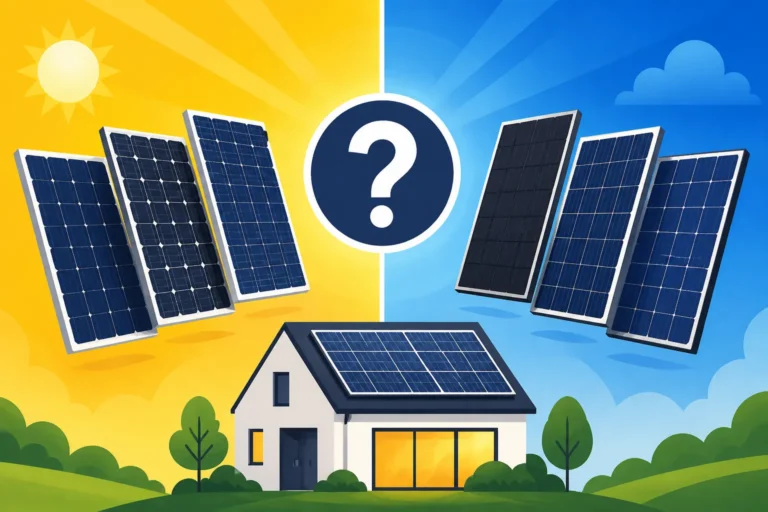
Bifacial Solar Panels: Are They Worth It?
Getting the most sunlight out of your home solar system can feel like a puzzle, especially when roof space is limited, or you have unique installation ideas. We all want to maximize our energy production and squeeze every last drop of efficiency from our investment. This guide is here to shed light on bifacial solar panels, a fascinating technology that promises to capture more sunshine, and help you figure out if they're truly worth considering for your specific situation.
Understanding Bifacial Solar Panels
For years, the vast majority of solar panels you'd see on rooftops or in solar farms were what we call "monofacial" – meaning they only absorb sunlight from one side, the front. But imagine if your panels could work double duty, soaking up rays from both the top and the bottom! That's the core concept behind bifacial solar panels, and it's a game-changer for many looking to boost their solar output.
What Makes Them Different?
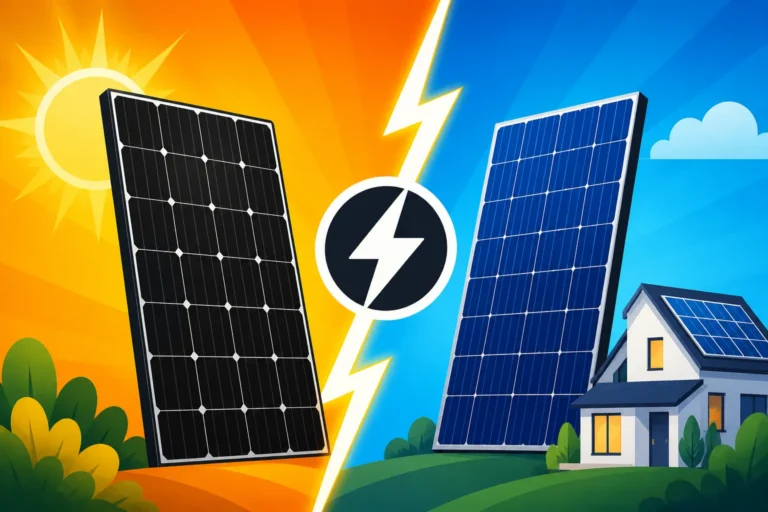
The fundamental difference between a traditional, monofacial solar panel and a bifacial one lies in its ability to absorb light from both its front and back surfaces. Think of it like a two-sided mirror, but for sunlight. Where a conventional panel has an opaque backsheet, usually white or black, that blocks light from passing through and reflecting into the cells, a bifacial panel replaces this with a transparent material, often another sheet of glass. This "glass-on-glass" construction is a hallmark of many bifacial designs.
This transparent back allows sunlight that reflects off the ground or other surfaces to bounce up and be captured by the cells from the rear. It's a clever way to utilize light that would otherwise be lost. The solar cells themselves in a bifacial panel are designed to allow current flow regardless of which side they're illuminated from. This dual-sided functionality means that even indirect light can contribute to electricity generation, offering an efficiency advantage that monofacial panels simply can't match. The frame design also often plays a role, with some bifacial panels featuring minimalist frames or no frames at all to avoid shading the rear cells.
How They Capture More Sunlight
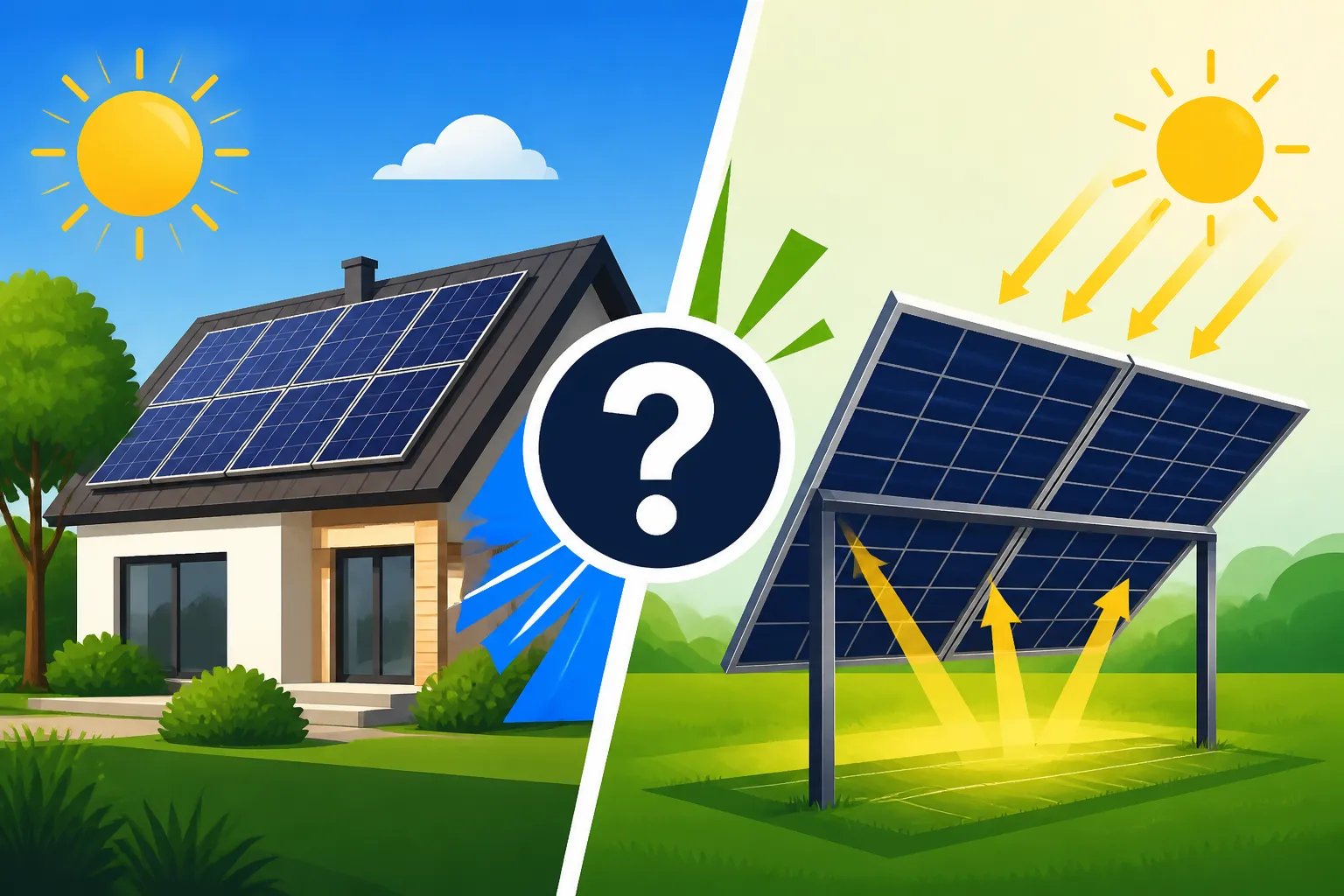
The magic of bifacial panels truly comes alive through what's known as the "albedo effect." Albedo refers to how much light a surface reflects. Imagine a pristine blanket of fresh snow in winter – it's incredibly reflective, right? This reflected light, along with diffuse light (light scattered by the atmosphere), hits the back of the bifacial panel, exciting the solar cells and generating additional power.
The degree to which a bifacial panel benefits from this backside absorption largely depends on the surface below and around it, as well as how it's mounted. Light-colored surfaces like white gravel, light-colored concrete, or even a white TPO roof can reflect a significant amount of sunlight, sometimes boosting a bifacial panel's output by 5-30% or more compared to its monofacial counterpart. Even natural ground cover like grass or soil can offer some reflection, though typically less than highly reflective manufactured surfaces. To maximize this effect, bifacial panels need to be elevated, allowing space for light to reflect and reach the back surface. This is why they're often seen on ground mounts, carports, or elevated racking systems on flat roofs, where ample light can bounce underneath.
The Advantages of Going Bifacial
When you're thinking about a solar investment, you want to know you're getting the best bang for your buck. Bifacial panels bring some compelling advantages to the table, especially for homeowners looking for peak performance and long-term reliability.
Increased Energy Production
Let's face it: the primary reason most of us go solar is to generate our own clean electricity and save money on those ever-increasing utility bills. Bifacial panels excel here because they can produce significantly more power from the same footprint as a traditional panel. By capturing sunlight from both sides, they can achieve a higher total energy yield throughout the day. This isn't just a marginal gain; studies and real-world installations have shown that bifacial modules can produce anywhere from 5% to sometimes over 30% more energy, depending on the specific installation environment.
Imagine you have a certain amount of roof space, and with traditional panels, you could generate, say, 10,000 kWh per year. With bifacial panels, you might be looking at 11,000 kWh or even 12,000 kWh from that exact same area. This means you might need fewer panels to meet your energy needs, or you could generate a surplus of electricity to sell back to the grid, further improving your Solar Panel Payback Period Explained. For those in states with strong net metering policies, this extra production can translate directly into substantial savings.
Enhanced Durability and Longevity
One of the often-overlooked benefits of bifacial technology is its inherent robustness. Many bifacial panels feature a "glass-on-glass" construction, meaning that instead of a polymer backsheet, they have a second sheet of tempered glass. This makes the module incredibly durable. Glass is less prone to moisture ingress, thermal stress, and UV degradation than plastic backsheets. This added protection helps prevent common issues like microcracks in the cells, which can slowly reduce a panel's performance over its lifespan.
Manufacturers often back this enhanced durability with impressive warranties. It's not uncommon to see bifacial panels offering longer product warranties (e.g., 20-30 years compared to 10-12 years for many monofacial panels) and a slower degradation rate in their performance warranties. This means your panels will not only last longer but will also maintain a higher percentage of their initial power output for more years. Plus, the space created for backside light absorption also allows for better airflow, which can keep the panels cooler, and cooler panels operate more efficiently. You can learn more about how solar panel longevity is assessed in our guide on Solar Panel Efficiency & Degradation Explained.
Aesthetic Appeal for Specific Installations
While aesthetics might not be the top priority for every homeowner, for many, the visual impact of solar panels is a real consideration. Traditional panels, with their opaque backings, present a solid, dark surface on your roof. Bifacial panels, however, can offer a much more modern and sleek appearance, particularly in certain installation types.
Because they are often transparent or semi-transparent, bifacial panels can allow light to pass through, creating a more open and less imposing look. This makes them exceptionally well-suited for applications where the underside of the panel is visible, such as carports, pergolas, patio covers, or even elevated awnings. Imagine a beautifully designed solar carport that not only powers your home but also creates a bright, airy space underneath, rather than a dark, shadowy one. This unique characteristic opens up new architectural possibilities for integrating solar into home design, moving beyond just rooftop installations.
The Practical Considerations and Challenges
While the idea of double-sided solar panels sounds amazing, it's essential to look at the full picture. Like any advanced technology, bifacial panels come with their own set of practical considerations and challenges that homeowners need to be aware of before making a decision.
Higher Upfront Costs
Let's address the elephant in the room: cost. Generally speaking, bifacial solar panels still carry a higher upfront cost per watt compared to their monofacial counterparts. Manufacturing glass-on-glass modules and integrating the technology for dual-sided light capture often requires more specialized materials and processes, which translates to a higher price tag. This can sometimes make homeowners pause, especially if they're focused solely on the initial investment.
However, it's crucial to look beyond just the raw price per panel. When evaluating if the higher cost is "worth it," you need to factor in the potential for increased energy production. If a bifacial system generates 15-20% more power, you might achieve similar overall energy savings with a slightly smaller system or simply generate more power for the same nominal wattage. This means the higher initial investment could be offset by greater long-term savings and a potentially faster Solar Panel Payback Period Explained. But it's a careful balance, and getting detailed quotes comparing both types of systems from installers is key. Our guide on How Much Do Solar Panels Cost? 2026 Guide can provide more context on overall solar expenses.
Installation Requirements and Site-Specific Factors
One of the biggest misconceptions about bifacial panels is that simply installing them will automatically unlock huge efficiency gains. The reality is more nuanced. To get the most out of the backside, these panels need to be installed in a way that maximizes the albedo effect and minimizes shading on the rear. This often means elevated racking systems, which lift the panels higher off the ground or roof surface. While standard roof mounts place panels just a few inches above the shingles, a bifacial setup might require several more inches or even feet of clearance, which can add to installation complexity and cost.
Furthermore, the ground or roof surface directly below the panels plays a monumental role. A dark asphalt shingle roof will reflect very little light, making the bifacial advantage minimal, if any, for a flush-mounted system. Conversely, a white TPO roof, a gravel patio, or a snowy landscape will provide a significant boost. This is why bifacial panels truly shine in Ground-Mount vs Roof-Mount Solar installations, or on carports where the panels are naturally elevated and the surface below can be chosen for optimal reflectivity. A thorough site assessment by an experienced installer is absolutely critical to accurately predict the performance gains you can expect.
Complexity in System Design and Monitoring
Designing a solar system with bifacial panels can be a bit more intricate than with traditional panels. Installers need to account for not only the direct sunlight but also the variable, often unpredictable, amount of reflected light. This requires specialized knowledge and sophisticated modeling tools to accurately estimate potential energy output. Factors like the precise mounting height, tilt angle, row spacing (to avoid self-shading), and the reflectance of the surrounding surfaces all need to be carefully considered.
Additionally, monitoring the performance of bifacial panels might require a bit more attention. While standard monitoring systems will show total output, discerning how much of that is coming from the backside can be challenging. Some advanced monitoring solutions can provide more granular data, but for the average homeowner, the key is the overall increased energy production, regardless of its source. When comparing quotes, make sure your installer clearly explains how they've factored in the bifacial gain and what their projected annual output is, allowing you to compare How Many Solar Panels Do I Need for My Home? effectively.
Real-World Applications and Best Scenarios
So, where do bifacial solar panels truly shine? Understanding the ideal conditions for their performance is key to determining if they're a wise investment for your specific property. It's all about maximizing that valuable backside light absorption.
Ideal Settings for Maximum Performance
Bifacial solar panels perform best in environments where there's ample opportunity for light to reflect and reach their rear surface. One of the prime applications is in ground-mounted systems. When panels are installed on the ground, they can be elevated to an optimal height, typically 1 to 2 feet (or more) above the ground, creating enough space for light to bounce off the surface below and interact with the back of the panel. The type of ground cover then becomes critical:
- Snow: In regions with snowy winters, like the mountainous areas of Colorado or parts of the Northeast, snow acts as an incredibly efficient reflective surface, sometimes boosting backside production dramatically. This phenomenon also makes them a strong choice if you're concerned about Do Solar Panels Work in Snow?.
- White Gravel or Light-Colored Concrete: These materials are excellent reflectors and can be specifically installed under ground-mount systems or on flat commercial rooftops to maximize the albedo effect.
- Light-Colored TPO/PVC Roofs: For commercial buildings with flat, light-colored membrane roofs, bifacial panels mounted on elevated racking can be a fantastic option, harnessing reflections from the expansive bright roof surface.
- Carports, Pergolas, and Awnings: These structures naturally elevate the panels, exposing the underside, and can be built with reflective materials below. The transparent nature of many bifacial panels also offers a unique aesthetic benefit here, providing shade without completely blocking light.
Consider larger installations where maximizing yield per square foot is paramount, such as agricultural solar canopies or utility-scale solar farms. In these settings, every percentage point of efficiency adds up to significant energy gains and financial returns.
Less Suitable Scenarios
While bifacial panels offer incredible potential, they aren't a magic bullet for every single solar installation. There are situations where their advantages are significantly diminished, making the higher upfront cost potentially unwarranted.
- Flush-Mounted Residential Rooftops: This is probably the most common scenario where bifacial panels lose their edge. When panels are installed just a few inches above a dark asphalt shingle roof, there's very little light able to reflect and reach the back of the panel. The backside effectively becomes useless, negating the primary benefit of bifacial technology. Unless your roof has a highly reflective, light-colored surface and allows for significant elevation, a traditional monofacial panel will likely offer similar performance at a lower cost for a standard rooftop array.
- Roofs with Heavy Shading: If your roof is heavily shaded by trees, chimneys, or other obstructions, whether it's bifacial or monofacial, your overall solar production will be compromised. The lack of direct light on the front, let alone reflected light on the back, means bifacial panels won't perform as intended.
- Tight Spaces Without Optimal Elevation: If your property or roof doesn't allow for the necessary elevation or spacing to maximize backside light, then the bifacial premium might not pay off. Clutter underneath the panels, or insufficient space for light to scatter and reflect, will limit their effectiveness.
It's crucial to have an honest conversation with your solar installer about your specific site conditions. A reputable installer will guide you toward the most cost-effective solution that maximizes your energy production based on your unique home.
Bifacial Panels in Specific Regions
The geographical location and climate of your home can also influence the effectiveness of bifacial panels. Certain regions naturally lend themselves to better performance from these dual-sided modules.
- Snowy Climates: As mentioned, areas that experience regular snowfall, such as New England, the Upper Midwest, or the Rocky Mountain states, are excellent candidates. The highly reflective nature of snow can significantly boost energy production during winter months, giving bifacial panels a distinct advantage over monofacial ones. Imagine a bright, sunny winter day after a fresh snowfall – that's prime bifacial territory.
- Sunny, Open Environments: States like Arizona, Nevada, or parts of California and Texas, with abundant sunshine and often open, arid landscapes, can also benefit. If you're considering a ground-mount system in these areas, the consistent direct sunlight combined with reflective gravel or light-colored soil could yield excellent results.
- Areas with High Albedo Structures: If your home or property has naturally light-colored patios, concrete driveways, or even a very light-colored house exterior that can reflect light towards a ground-mounted system, bifacial panels could be more effective.
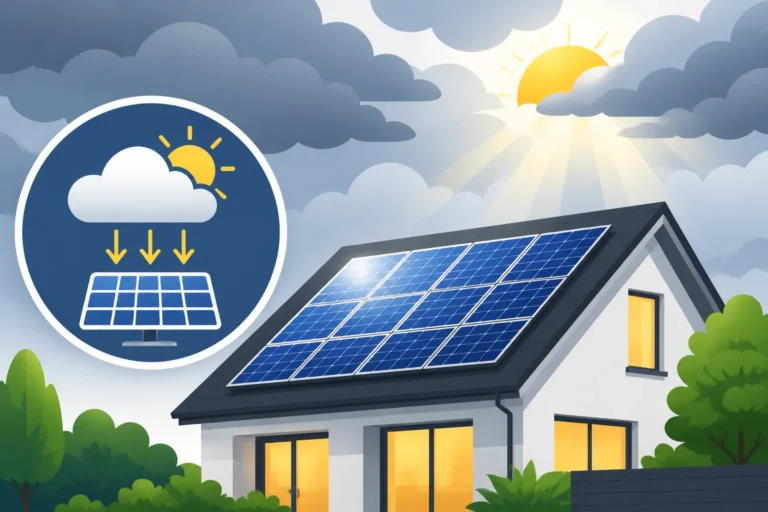
However, in extremely cloudy or overcast regions, where diffuse light is the primary source, the albedo effect might be less pronounced, though the glass-on-glass durability remains a strong point. For specific regional insights, you might find our articles like California Solar Incentives in 2026 or Texas Solar Incentives in 2026 helpful, as state-level factors often influence system design choices. You can even find small-scale portable bifacial chargers for camping or RVs on Amazon, showcasing the versatility of the technology on a different scale, though home installations are a much larger endeavor.
Are Bifacial Solar Panels Worth It for Your Home?
Deciding whether bifacial solar panels are the right choice for your home is a personal decision, intertwining financial considerations, property specifics, and your long-term energy goals. It's not a one-size-fits-all answer, but by carefully evaluating these factors, you can make an informed choice.
Weighing the Cost Against the Benefits
The core of the "worth it" question often comes down to dollars and cents. Bifacial panels typically have a higher initial price point than standard monofacial panels. So, you need to ask yourself: does the increased energy production justify that premium? For example, if a bifacial system costs 10% more but produces 15% more electricity annually, then over the lifetime of the system, it's likely a sound investment. That extra 5% more energy means greater savings and potentially a quicker return on your investment.
You'll need to work closely with your solar installer to get accurate projections. They should be able to model the expected energy output for both bifacial and monofacial options on your specific property, taking into account the albedo effect and installation type. This will allow you to compare the Solar Panel Cost Per Watt Explained for both, and then project your long-term savings. Don't just look at the upfront price; calculate the projected lifetime savings and the overall Solar Panel Payback Period Explained for each option. Sometimes, that slightly higher initial investment in bifacial technology can lead to substantially greater overall savings in the long run.
The Role of Your Specific Property and Goals
Your home's unique characteristics and your personal energy goals play a huge part in this decision.
- Roof Type and Space: If you have a traditional dark shingle roof with limited elevation, bifacial panels might not offer much advantage. However, if you have a flat, light-colored roof or are planning a ground-mount system, a carport, or a solar pergola, the calculus changes dramatically. The more opportunities for reflected light, the more sense bifacial panels make.
- Energy Needs: If you have very high electricity consumption and limited roof space for a conventional system, bifacial panels could be the solution to maximize generation within your constraints.
- Aesthetic Preferences: For those who appreciate modern design and want a solar solution that integrates seamlessly and artistically into their property, the transparent nature of bifacial panels for structures like carports can be a significant draw.
- Long-Term Commitment: Given their enhanced durability and often longer warranties, bifacial panels can be an excellent choice for homeowners who plan to stay in their home for many years and want a system that will perform reliably for decades. Also, consider the impact on Do Solar Panels Increase Home Value? if you plan to sell.
A professional site assessment is indispensable. A good installer will evaluate your roof's orientation, pitch, shading, and the surrounding environment to give you the most realistic picture of what a bifacial system could achieve for you.
Future Outlook and Market Trends
The solar industry is constantly evolving, and bifacial technology is a prime example of this innovation. What was once a niche, high-cost product is slowly becoming more mainstream. Major manufacturers like Jinko Solar, Canadian Solar, LONGi Solar, and REC Solar are increasingly offering bifacial options, driving down manufacturing costs and making them more accessible. This trend is likely to continue, making bifacial panels an even more competitive option in the years to come.
As efficiency standards improve across the board, and as more homeowners and businesses look for ways to maximize their clean energy production, bifacial panels are poised to become a standard rather than a specialty. Their inherent durability and ability to generate more power from a smaller footprint align perfectly with the industry's drive towards higher efficiency and lower levelized cost of energy (LCOE). While you can find some basic solar components or monitoring devices on platforms like Amazon, for actual bifacial solar panels, you'll almost always be working with specialized solar distributors or installers who can handle the complex design and installation. Researching different panel types, you might stumble upon various product listings on sites like Amazon, but always remember that large-scale home solar systems involve professional installation and complex design. For a deeper dive into maintenance, you could even find specialized cleaning tools or guides on Amazon, which can be useful for keeping both bifacial and monofacial panels performing their best.
The long-term benefits of increased energy yield and enhanced durability mean that for the right property and the right homeowner, bifacial solar panels represent a forward-thinking and highly rewarding investment in sustainable energy.
| Feature | Traditional (Monofacial) Solar Panels | Bifacial Solar Panels |
|---|---|---|
| Light Absorption | Front side only | Both front and back sides |
| Typical Construction | Glass front, opaque polymer backsheet | Glass front, transparent glass back (glass-on-glass) |
| Energy Production | Standard output per watt | 5-30%+ higher energy yield (site-dependent) |
| Durability | Good, but backsheet can be prone to degradation | Excellent, highly resistant to environmental factors |
| Warranty (Product) | Typically 10-12 years | Often 20-30 years (due to glass-on-glass durability) |
| Degradation Rate | Standard (e.g., 0.5% per year) | Often lower (e.g., 0.3-0.4% per year) |
| Cost Per Watt | Lower upfront | Higher upfront |
| Best Use Case | Standard flush-mounted residential rooftops | Ground mounts, carports, pergolas, elevated flat roofs |
| Aesthetics | Solid appearance | Transparent/modern look in specific applications |
| Reflectance Needs | Not applicable for backside | Requires reflective surface below for optimal performance |
Disclaimer
The information provided in this guide is intended for educational and informational purposes only and does not constitute financial, legal, or professional advice. Solar technology, incentives, and costs are subject to change. Always consult with qualified solar professionals for advice tailored to your specific situation and before making any purchasing or installation decisions.