How Much Can I Save Over 25 Years With Solar?
Thinking about going solar, but wondering if the savings really add up over the long haul? It's a completely valid question, and one many homeowners grapple with. The initial investment can feel significant, leading to a lot of "what if" scenarios about whether it truly pays off. This guide is here to break down exactly how much you can potentially save over 25 years with solar panels, looking beyond the immediate benefits to the lasting financial impact.
The Promise of Long-Term Solar Savings: More Than Just a Dream
For many homeowners, the idea of solar panels conjures images of reduced utility bills and a smaller carbon footprint. But the true financial power of solar energy often lies in its long-term benefits, particularly when looking at a quarter-century horizon. This isn't just about shaving a few dollars off your monthly statement; it's about fundamentally changing your relationship with your energy costs and building significant equity.
Confronting Rising Electricity Bills Head-On
Let's be real, seeing your electricity bill creep up year after year is incredibly frustrating. It feels like a never-ending battle against forces you can't control, whether it's fluctuating fuel prices, infrastructure upgrades, or just the general march of inflation. For many regions, electricity rates have seen steady increases over the past decades. For instance, in states like California, residents have experienced some of the steepest rate hikes in the nation, making predictable energy costs a distant memory. This is where solar steps in as a powerful antidote. By generating your own power, you essentially lock in your energy price for a significant portion of your home's consumption. Imagine knowing that a substantial part of your household's electricity needs will be met without being subject to the whims of the utility company. This insulation from market volatility is one of the most compelling long-term savings aspects.
The 25-Year Journey: Why It Matters
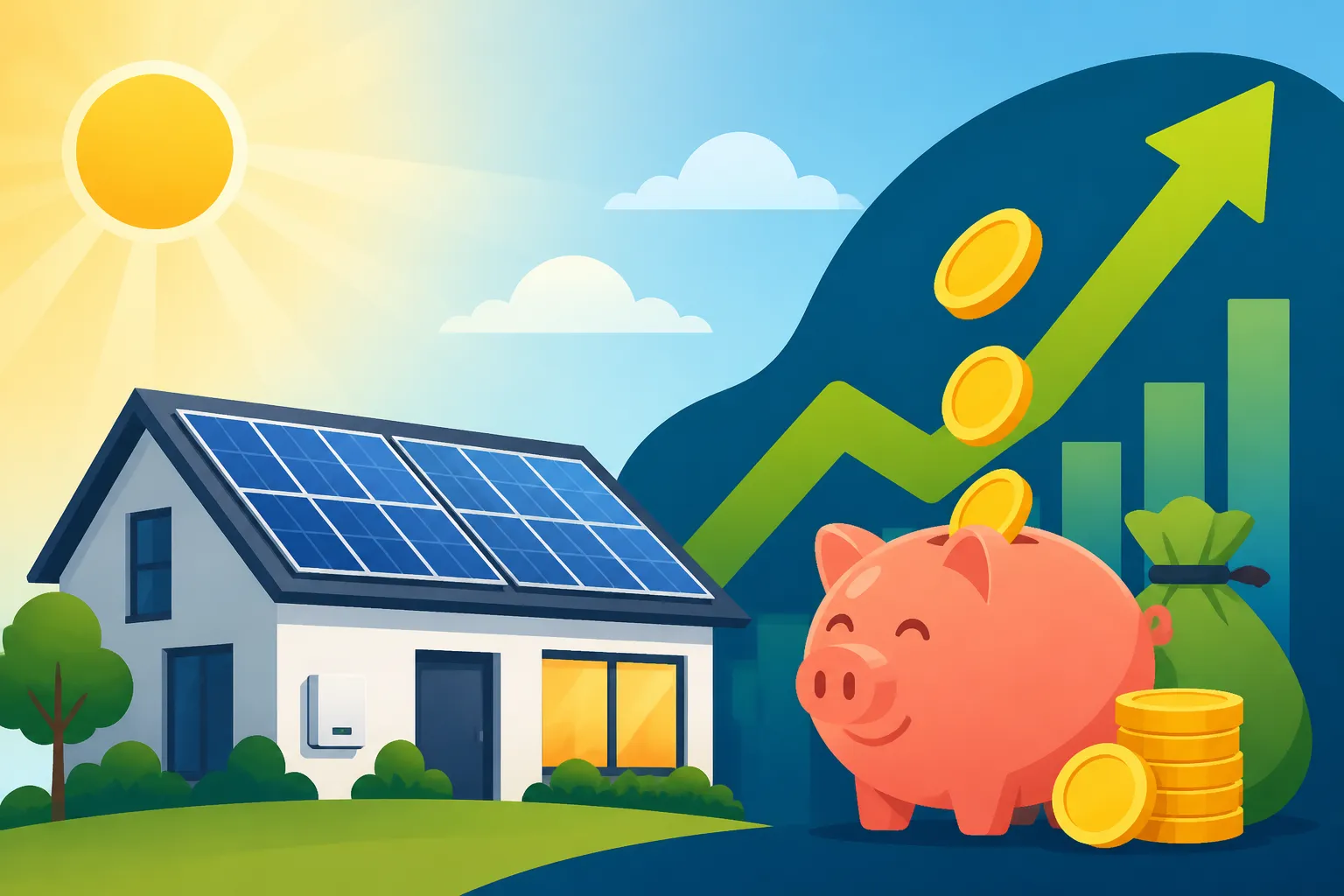
When we talk about solar savings over 25 years, we're not just picking a random number. This timeframe is largely based on the typical performance warranty of solar panels themselves. Most reputable manufacturers, like Qcells or Maxeon, offer performance warranties guaranteeing that their panels will still produce at least 80-85% of their original output after 25 years. This longevity means that your initial investment continues to pay dividends for decades. Over this extended period, those seemingly small monthly savings compound into truly substantial amounts. It's a consistent, passive income stream in the form of avoided utility costs that steadily grows as grid electricity prices continue their upward trajectory. This long-term perspective allows you to fully appreciate the power of compounding savings and the increasing value of self-generated electricity.
Unpacking the Variables That Define Your 25-Year Solar Savings
The exact amount you can save with solar over 25 years isn't a one-size-fits-all number. It's influenced by a dynamic interplay of factors unique to your home and location. Understanding these variables is key to getting a realistic picture of your potential savings.
Where You Live: Sunshine, Rates, and Local Support
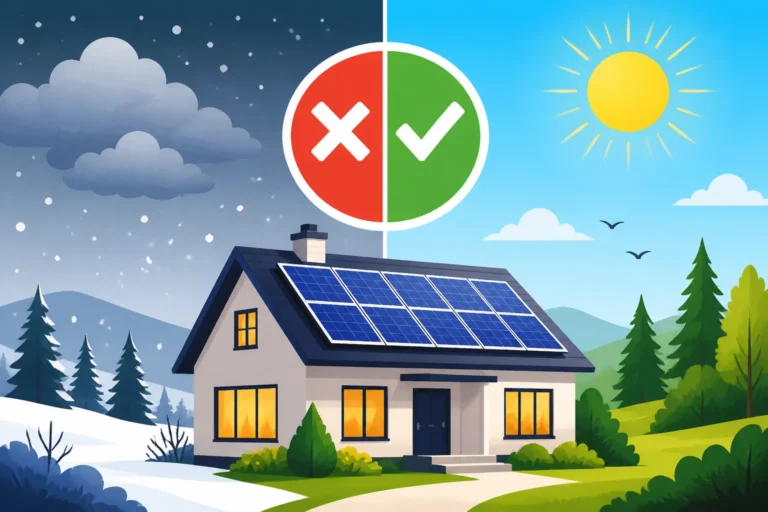
Your geographic location plays a monumental role in your solar savings. Firstly, consider the amount of sunshine your area receives. Homeowners in sunny states like Arizona, California, or Florida naturally produce more electricity from their panels than those in cloudier regions. More production means more offset electricity, translating directly to higher savings. Secondly, local electricity rates are a huge factor. If you live in a state with high electricity prices, such as California or Hawaii, the monetary value of the electricity your panels produce is significantly higher, leading to faster payback periods and greater overall savings. Conversely, in states with lower rates, the savings, while still present, might accumulate more slowly.
Beyond climate and rates, local and state-specific incentives are critical. Many states offer robust programs that can dramatically boost your solar ROI. For instance, New York's NY-Sun program and state tax credit, or the SREC markets in states like New Jersey and Maryland, can add thousands of dollars to your overall savings. To truly understand your potential, it's essential to look up specific incentives like these. Websites like Modernize can help you connect with local installers who understand these nuanced programs and can provide tailored estimates based on your exact address and energy usage. Getting quotes from multiple installers ensures you get competitive pricing and a system optimized for your specific conditions.
Your Energy Footprint: Sizing Up Your System
The amount of electricity your household consumes directly dictates the ideal size of your solar system. A large family in a sprawling home with heavy air conditioning use will need a much larger system to offset their consumption than a single person in a small apartment. A properly sized system is crucial for maximizing savings. If your system is too small, you'll still be relying heavily on grid power, limiting your savings. If it's too large, you might overproduce electricity, which, depending on your Net Metering Explained: How It Works by State rules, might not be credited at the full retail rate.
Most solar installers will analyze your past 12 months of electricity bills to determine your average daily and annual consumption. From there, they'll design a system that aims to offset 80-100% of your usage, balancing cost-effectiveness with your energy goals. This optimization is key to ensuring that every panel is working efficiently to reduce your reliance on the utility company.
The Power of Incentives and Net Metering
One of the biggest drivers of long-term solar savings comes from the various financial incentives available. While the federal Solar Tax Credit 2026: What Happened to the Federal Credit has been a huge boost, there are still many other programs. These can significantly reduce your upfront costs and increase your overall return on investment.
- State Solar Incentives: Beyond federal programs, many states offer their own robust incentive programs. These can include state tax credits, grants, or rebates that directly reduce your out-of-pocket expenses. For example, Hawaii offers a generous state tax credit, and states like Massachusetts have the SMART program. You can explore a comprehensive guide to State Solar Incentives: Complete 2026 Guide to see what's available in your area.
- Net Metering: This is a billing mechanism that credits solar energy system owners for the electricity they add to the grid. When your solar panels produce more electricity than you're using, that excess power is sent back to the grid, and your utility company credits your account. This is incredibly important for maximizing savings, as it ensures you get value for every kilowatt-hour your system produces, even when you're not home to use it. However, net metering policies vary significantly by state and even by utility, so understanding your local rules is essential.
- Solar Renewable Energy Credits (SRECs): In some states, particularly in the Northeast, you can earn SRECs for the clean electricity your system generates. These are tradable environmental commodities that represent the environmental benefits of solar energy. You can sell these credits on a market, providing an additional revenue stream that dramatically boosts your overall savings. Learning about SRECs Explained: Selling Solar Renewable Energy Credits can uncover an often-overlooked source of income for solar homeowners.
The Unseen Force: Electricity Rate Inflation
Perhaps the most underestimated factor in long-term solar savings is electricity rate inflation. While your solar system's output might decrease slightly over 25 years due to Solar Panel Efficiency & Degradation Explained, the cost of grid electricity is almost certainly going to rise. Historically, electricity rates have increased by an average of about 2-4% per year nationwide, though some regions experience much higher jumps.
Let's put this into perspective: if you're saving $150 a month on your electricity bill today, and electricity rates go up by 3% next year, your actual savings in purchasing power will increase. Over 25 years, these annual rate increases mean that the electricity you generate becomes more and more valuable compared to what you would have paid the utility. This creates a compounding savings effect that can make the long-term ROI of solar truly astounding. It transforms solar from a simple cost-saving measure into a powerful hedge against future energy price volatility.
Crunching the Numbers: Estimating Your Lifetime Solar Savings
Understanding the variables is one thing, but how do you actually translate all of this into a concrete savings estimate for your home? It involves looking at your initial investment, the payback period, and accounting for the ongoing realities of system ownership.
Initial Investment: Purchase, Loan, or Lease?
The first step in calculating long-term savings is understanding your upfront costs and how you're financing your system. The How Much Do Solar Panels Cost? 2026 Guide can give you a baseline, but your actual investment will depend on whether you purchase outright, take out a solar loan, or opt for a lease or Power Purchase Agreement (PPA).
- Cash Purchase: This typically yields the highest long-term savings because you avoid interest payments and benefit immediately from maximum incentives. Your net savings start accumulating the moment your system is operational.
- Solar Loan: A solar loan allows you to own the system without a large upfront payment. While you'll have monthly loan payments, these are often designed to be less than or equal to your previous electricity bill, creating immediate cash flow neutrality or even positive cash flow. Over 25 years, the savings from avoided utility bills, after subtracting loan payments, can still be substantial, especially as interest rates on solar loans can be quite competitive.
- Solar Lease or PPA: These options typically offer $0 down, but you don't own the panels. Instead, you pay a fixed monthly fee (lease) or a per-kilowatt-hour rate (PPA) for the electricity produced. While these can offer immediate savings, your overall 25-year savings will be less than owning the system because you don't fully capitalize on the asset's value or all available incentives. However, they remove the burden of maintenance and provide predictable energy costs.
When getting quotes, a reputable installer will provide a detailed breakdown of these financing options and their projected impact on your long-term savings, allowing you to choose the path that best fits your financial goals. Modernize, for instance, can help you gather multiple quotes that outline these financial scenarios.
Understanding Your Payback Period and ROI
Before you even start calculating 25-year savings, it's helpful to understand your Solar Panel Payback Period Explained. This is the length of time it takes for your cumulative savings (from avoided electricity bills and incentives) to equal your initial investment. For many homeowners in the U.S., the payback period can range from 6 to 12 years, depending on their location, system cost, and incentives. Once you've reached this point, every subsequent year of solar production is pure profit in the form of avoided costs.
Your Return on Investment (ROI) is another crucial metric. Over 25 years, the ROI of solar can be incredibly impressive, often equivalent to a significant interest rate on a conventional investment. It’s not uncommon for homeowners to see an internal rate of return of 10-20% or even higher, especially in high-electricity-cost areas with good incentives. This means your solar investment is working harder for you than many traditional financial products.
Accounting for Operations, Maintenance, and Degradation
It's important to be realistic. While solar panels are incredibly durable, they aren't entirely maintenance-free over 25 years. You might encounter minor costs.
- Maintenance: Generally, solar panel maintenance is minimal, primarily involving occasional cleaning to remove dust, pollen, or debris that might reduce efficiency. In most climates, rain does a good job of keeping them clean. Some homeowners choose professional cleaning, which might cost a few hundred dollars every few years.
- Component Replacement: While panels last 25+ years, inverters—the devices that convert DC power from your panels into AC power for your home—typically have a shorter lifespan of 10-15 years for string inverters or 20-25 years for microinverters like those from Enphase. You should factor in the potential cost of an inverter replacement or two over 25 years. This cost might be $1,500-$3,000, depending on the type and size.
- Degradation: Solar panels naturally lose a small amount of efficiency each year, usually about 0.5% to 1%. This means a panel that starts at 400 watts might produce around 340-360 watts after 25 years. Most reputable manufacturers account for this in their warranties. While this slightly reduces your annual production over time, the rising cost of grid electricity often more than offsets this minor decrease in output value.
By considering these realistic long-term operational factors, you get a more accurate picture of your net 25-year savings, which will still be substantial.
Strategies to Maximize Your Solar Savings Over a Quarter Century
While many factors influencing your 25-year savings are location-dependent, there are proactive steps you can take to ensure you get the absolute most out of your solar investment. These strategies are all about optimization and informed decision-making.
Choosing Quality Components and a Reputable Installer
The foundation of long-term savings starts with the quality of your solar system. Investing in Best Solar Panels of 2026 from reputable brands like REC, Maxeon, or Qcells, coupled with reliable inverters from companies like Enphase or SolarEdge, can make a significant difference. High-quality panels often come with better performance warranties and lower degradation rates, meaning they'll produce more power for longer.
Equally important is selecting the right installer. A trustworthy installer will:
- Accurately assess your energy needs and design an optimized system.
- Use high-quality components and ensure proper installation, preventing issues that could lead to costly repairs down the line.
- Handle all permitting, interconnection, and incentive paperwork efficiently.
- Provide excellent customer service and stand behind their work with robust warranties.
Don't settle for the first quote you receive. Always compare at least 3-5 bids from different companies. Use platforms like Modernize to find vetted local installers and ensure you're getting competitive pricing and the best overall value. A poorly installed system, even with great components, can negate years of potential savings through inefficiency or maintenance issues.
Proactive Monitoring and Maintenance
Once your solar system is up and running, being proactive about its performance can help maximize your savings. Most modern solar systems come with monitoring apps that allow you to track your daily, monthly, and annual energy production. Keep an eye on these numbers. If you notice a sudden, unexplained drop in production, it could signal an issue like shading from new tree growth, a dirty panel, or a component malfunction. Addressing these issues promptly prevents prolonged energy loss.
Regular, albeit minimal, Solar Panel Maintenance & Cleaning can also contribute to consistent high performance. While rain often does the trick, a quick rinse with a hose during a dry spell can remove stubborn grime and ensure your panels are always absorbing maximum sunlight. By being an engaged owner, you protect your investment and ensure it continues to deliver optimal savings for the full 25-year lifespan and beyond.
The Role of Energy Efficiency Upgrades
While solar panels generate clean energy, reducing your overall energy consumption can amplify your savings even further. Think of it this way: the less energy you need, the smaller (and less expensive) your solar system can be to achieve 100% offset, or the more surplus energy you'll have for net metering credits.
Consider coupling your solar investment with energy efficiency upgrades like:
- Improved Insulation: Proper insulation in your attic and walls can drastically reduce heating and cooling demands.
- Energy-Efficient Appliances: Swapping out old refrigerators or washing machines for ENERGY STAR® certified models can trim your base load.
- LED Lighting: A simple, cost-effective switch that reduces electricity consumption for lighting.
- Smart Thermostats: Devices like Nest or Ecobee can optimize your HVAC usage, further cutting down on peak demand.
By making your home more energy-efficient before or concurrently with your solar installation, you optimize your entire energy ecosystem, ensuring your solar panels are working smarter, not just harder, and maximizing your dollar savings over the long term. This holistic approach ensures you get the most significant financial benefit from your solar journey.
Real-World Examples and Key Takeaways
To illustrate the potential, let's look at some hypothetical 25-year savings scenarios for an average 6 kW solar system (costing roughly $20,000-$25,000 before incentives) in different states. Please remember these are generalized estimates and your actual savings will depend on specific factors like system size, electricity consumption, local rates, and incentives at the time of installation.
Hypothetical Savings Scenarios by State
| State (Example) | Average Electricity Rate (per kWh) | Initial System Cost (6kW, pre-incentive) | Key Incentives (examples) | Estimated 25-Year Savings (Net) | Notes |
|---|---|---|---|---|---|
| California | $0.30 | $24,000 | NEM 3.0, ITC | $50,000 – $70,000 | High electricity rates make savings significant, even with revised net metering. California Solar Incentives in 2026 are still beneficial. |
| Texas | $0.14 | $21,000 | Local utility rebates, ITC | $25,000 – $45,000 | Lower rates mean less avoided cost, but strong solar resources and some Solar Buyback Programs in Texas can still yield good savings. |
| New York | $0.20 | $23,000 | NY-Sun Program, State Tax Credit, ITC | $40,000 – $60,000 | Strong state support and decent rates provide substantial long-term benefits. |
| Florida | $0.16 | $20,000 | Property Tax Exemption, ITC | $30,000 – $50,000 | Abundant sunshine, though fewer state-level financial incentives than some other states. |
| Massachusetts | $0.28 | $25,000 | SMART Program, SRECs, ITC | $60,000 – $80,000 | High electricity rates and robust SREC market drive very high potential savings. |
As you can see, the range of potential savings is vast, often exceeding the initial investment by two to three times over the system's lifespan. This underscores the importance of researching Solar Panel Cost by State and combining it with local incentive knowledge. It's also worth noting that solar panels can significantly Do Solar Panels Increase Home Value? a factor not explicitly included in these utility bill savings, but a substantial financial benefit nonetheless. Many studies show solar adds measurable value to a home, making it an even more compelling investment. Ultimately, the question Is Solar Still Worth It in 2026 for Most Homeowners? usually boils down to a resounding yes when you consider the full 25-year scope.
Disclaimer
This article is intended for informational purposes only and does not constitute financial or energy advice. The figures and projections presented are estimates and can vary significantly based on individual circumstances, changes in policy, electricity rates, system performance, and other market factors. Always consult with qualified solar professionals and financial advisors before making any purchasing decisions.