Solar Panel Cost in Washington
Feeling those Washington winters hit hard on your utility bills, or just dreaming of a greener, more energy-independent life for your home? You’re not alone. Many homeowners across the Evergreen State are looking up at our often-cloudy skies and wondering if solar panels can really make a difference, and perhaps even more pressingly, what it will actually cost. This guide is going to break down the real numbers, delve into the factors that influence your investment, and uncover the valuable incentives available to make solar power a reality for your Washington home.
Understanding the Cost of Solar Panels in Washington
The idea of going solar often sparks two main thoughts: soaring electricity bill relief and a hefty upfront price tag. While it's true that investing in solar requires an initial outlay, understanding the cost structure in Washington state can help you see the bigger picture and how truly attainable it can be. It’s not just one fixed price; it’s a mosaic of factors unique to our state and your specific home.
Average System Costs in the Evergreen State
When you start looking into solar panels, one of the first things you'll want to know is the ballpark figure. In Washington, the average solar panel system typically falls within a range, largely dependent on the size of the system needed to offset your home's energy consumption. For a standard residential solar installation in Washington, you might expect to see prices generally hovering between $16,000 and $35,000 before any incentives are applied. This usually covers systems ranging from 5 kilowatts (kW) to 10 kW, which are common sizes for an average-sized home.
For instance, a smaller home with moderate energy needs in, say, Olympia, might only require a 5 kW system, potentially costing around $16,000 to $20,000. On the other hand, a larger family home with high energy usage in a place like Bellevue, especially if it runs a lot of electric heating or cooling, could easily need an 8 kW to 10 kW system, pushing the total cost towards the higher end of that spectrum, perhaps $25,000 to $35,000. It's truly a spectrum, and your individual needs will dictate where you land.
Cost Per Watt in Washington
Beyond the total system price, a common metric you’ll encounter when comparing solar quotes is the "cost per watt" ($/W). This standardized measurement helps you compare apples to apples across different system sizes and installers. In Washington, the cost per watt for solar panel installations typically ranges from about $2.70 to $3.50. This is generally in line with or sometimes even slightly below the national average, which is great news for Washington homeowners.
Let's break that down. If an installer quotes you a 7 kW system for $21,000, your cost per watt would be $3.00 ($21,000 / 7,000 watts). If another company offers a 6 kW system for $19,200, their cost per watt is $3.20 ($19,200 / 6,000 watts). Even though the first system had a higher total price, its lower cost per watt indicates potentially better value for the power you're getting. When you're looking at different quotes, especially from various providers, always calculate the cost per watt to get a true sense of the unit pricing. Many homeowners use platforms like Modernize to gather multiple quotes and compare these per-watt costs effectively, ensuring they get the most competitive offer available.
Factors Influencing Your Solar Investment
The "cost per watt" and average system prices are good starting points, but several underlying factors ultimately determine your final solar investment. It's a complex equation with many variables. First off, there's the equipment itself: the type and brand of solar panels, the inverters (string vs. microinverters), and whether you opt for a solar battery storage system. High-efficiency panels or premium brands like Maxeon (SunPower) might cost more upfront but could offer better long-term performance, especially in our less consistently sunny climate.
Then there's the installation labor and complexity. Every roof is different. Is yours a simple asphalt shingle roof, or a more complex tile or metal roof that requires specialized mounting? Is the electrical panel up to code, or will it need an upgrade? These factors directly impact labor hours and, consequently, your overall cost. Lastly, don't forget permitting and interconnection fees. Local municipalities across Washington, from Seattle to Spokane, have their own permitting requirements, and your utility company will have fees for connecting your system to the grid and getting Permission to Operate (PTO). These administrative costs, while often rolled into your overall quote, are a real part of the investment.
Key Factors Driving Solar Costs in Washington
Diving a bit deeper, it's clear that the price of going solar isn't a one-size-fits-all number. Your specific circumstances, choices, and even your roof's characteristics will play a significant role. Understanding these elements empowers you to make informed decisions and potentially save money.
System Size and Energy Needs
The most fundamental driver of your solar panel cost is the size of the system you need, measured in kilowatts (kW). This size is directly correlated with your household's electricity consumption. Think about it: a small condo in Tacoma with minimal energy use will require far fewer panels than a sprawling family home in Vancouver with electric vehicles, a hot tub, and multiple energy-intensive appliances.
To determine your ideal system size, solar installers will typically look at your past 12 months of utility bills. They'll assess your average monthly kilowatt-hour (kWh) usage and then design a system that aims to offset as much of that as possible, ideally 100%. For example, if your family in Redmond uses an average of 800 kWh per month, and a single solar panel produces roughly 30-40 kWh monthly in our Washington climate, you'd need a system of around 20-27 panels (assuming 350-400W panels) to get close to offsetting that usage. The more panels, the higher the cost. It's a delicate balance between upfront investment and maximizing your long-term savings by reducing your reliance on the utility grid. This is why accurately assessing your How Many Solar Panels Do I Need for My Home? is so critical.
Equipment Choices and Quality
Just like buying a car, there are different tiers of quality and technology when it comes to solar equipment, and these choices significantly impact the overall cost.
Solar Panels
The panels themselves come in various types and efficiencies. You'll primarily see monocrystalline panels dominate the market, known for their efficiency and sleek black appearance. Brands like Qcells, REC, and Jinko Solar are popular choices, offering a good balance of performance and price. Premium panels, such as those from Maxeon (formerly SunPower), often boast higher efficiencies and better warranties but come at a higher price point. While Monocrystalline vs Polycrystalline Solar Panels used to be a big debate, monocrystalline is generally the standard now. Higher efficiency panels can be particularly beneficial for homes with limited roof space, as you can generate more power with fewer panels.
Inverters
Another crucial piece of equipment is the inverter, which converts the DC electricity from your panels into AC electricity usable by your home. You'll typically choose between string inverters, power optimizers, or microinverters. String inverters are generally the most affordable but can be less efficient if even one panel is shaded. Microinverters, like those from Enphase, are installed under each panel, allowing them to operate independently and maximize production even with partial shading. However, they come at a higher cost. SolarEdge offers a hybrid solution with power optimizers at each panel and a central inverter. Your choice here can add hundreds or even thousands to your system cost, but it can also significantly impact your system's long-term performance and monitoring capabilities. Comparing Enphase vs SolarEdge: Which Inverter Is Better? is a common dilemma for homeowners.
Battery Storage
While not strictly required for grid-tied solar, adding a solar battery storage system has become increasingly popular, especially with concerns about grid reliability and changes to net metering policies. A battery, like a Tesla Powerwall or Enphase IQ Battery, allows you to store excess solar energy generated during the day for use at night or during power outages. This provides greater energy independence and resilience. However, batteries are a significant investment, often adding another $10,000 to $20,000 or more to the total project cost. If you're wondering Do I Need a Battery With Solar?, it really depends on your specific goals and local utility policies.
Installation Labor and Complexity
The actual process of installing solar panels on your roof involves a team of skilled professionals, and their labor costs are a substantial part of your overall investment. Several factors can increase or decrease this portion of the cost.
Roof Type and Condition
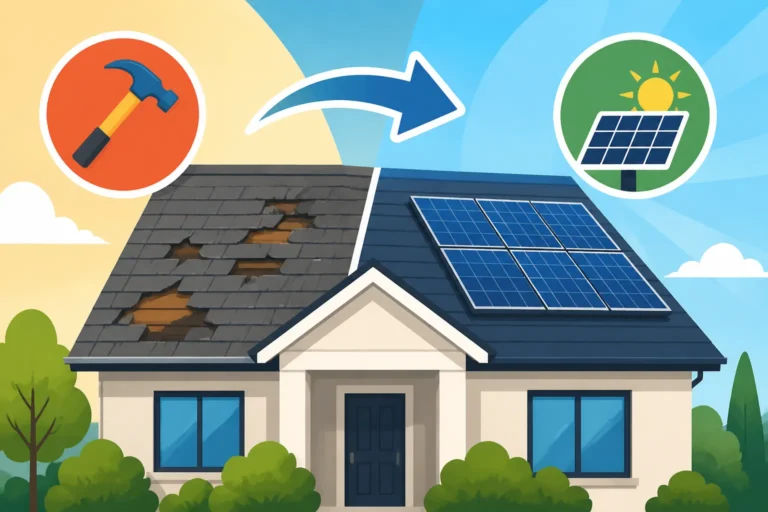
The type of roof you have can significantly impact installation complexity. Asphalt shingle roofs are generally the easiest and least expensive to work with. Tile roofs, slate roofs, or metal roofs (especially standing seam) often require specialized mounting hardware and techniques, which can increase labor time and material costs. Furthermore, if your roof is old or in poor condition, your installer might recommend a Do I Need a New Roof Before Solar? replacement before installation, adding another substantial cost to your project. Trying to put solar on a roof that needs repairs within the next 5-10 years is usually a false economy, as you'd have to pay to remove and reinstall the panels later.
Roof Pitch and Accessibility
A steeply pitched roof or a multi-level roof with many dormers will inherently be more challenging and time-consuming to work on than a simple, gently sloped roof. Difficult access to your roof, perhaps due to landscaping or lack of clear pathways, can also add to labor costs. Safety measures for installers working on high or complex roofs are paramount, and these are factored into the pricing.
Electrical Work and Upgrades
Most modern homes can accommodate solar without extensive electrical upgrades. However, older homes or those with heavily loaded electrical panels might require a panel upgrade to safely integrate the solar system. This "main panel upgrade" (MPU) can add several thousand dollars to your project cost. Additionally, the distance from your solar array to your main electrical panel can impact wiring costs.
Incentives and Savings Opportunities in Washington
Even with the upfront costs, Washington homeowners are in a good position to make solar energy a smart financial move, thanks to a combination of state-specific programs and federal incentives. These opportunities can significantly reduce your net investment and accelerate your payback period.
State-Specific Programs and Rebates
Washington state, while not always having direct cash rebates for every homeowner, offers some impactful financial benefits that make solar more accessible.
Sales Tax Exemption
One of the most significant state-level incentives in Washington is the sales tax exemption for solar energy systems. This means you don't pay sales tax on the purchase and installation of your residential solar panels, associated equipment, and labor. Given Washington's sales tax rate, which can range from 6.5% to over 10% depending on the county (e.g., King County is over 10%), this can translate into substantial savings on a multi-thousand-dollar project. For a $25,000 system, avoiding a 9% sales tax would save you $2,250 directly! This is a tangible, upfront saving that immediately reduces your overall investment.
Local Utility Solar Rebates
While statewide rebates are less common these days, it's always worth checking with your local utility provider. Some municipal utilities or Public Utility Districts (PUDs) across Washington have offered their own specific rebate programs in the past or may still have them. For example, Seattle City Light has periodically offered incentives for solar installations within its service territory. Tacoma Power and Puget Sound Energy (PSE) are other large utilities you should investigate. These rebates can vary widely in value and eligibility, so contacting your specific utility company directly or asking your solar installer (who should be familiar with local programs) is the best approach to see if you qualify for any Utility Solar Rebates: How to Find Yours.
Federal Incentives and Their Impact
Even without a plethora of direct state grants, the federal government offers a robust incentive that significantly slashes the cost of solar for homeowners nationwide, including right here in Washington.
The Federal Solar Tax Credit (ITC)
The most impactful financial incentive by far is the federal solar Investment Tax Credit (ITC), also known as the Residential Clean Energy Credit. This program allows you to claim a percentage of your solar system's cost as a tax credit on your federal income taxes. As of 2026, the ITC is set at a generous 30% of the total installed cost of your solar energy system. This credit is available for systems installed through 2032, after which it is scheduled to step down.
Let's put this into perspective: if your solar system costs $25,000 before any other incentives, the 30% federal tax credit would equate to a $7,500 reduction in your federal tax liability. This isn't a deduction; it's a dollar-for-dollar reduction of the taxes you owe. If you don't owe enough taxes in the year of installation to claim the full credit, you can carry forward the unused portion to future tax years, helping you recoup the entire amount eventually. It applies to the cost of panels, inverters, mounting hardware, labor, and even eligible battery storage systems. For many, this 30% credit is the single biggest factor in making solar financially viable. Understanding Federal Solar Incentives That Still Exist in 2026 is crucial for maximizing your savings.
Net Metering and Utility Buyback Programs
Beyond upfront cost reductions, how your utility company credits you for the excess energy your solar panels produce can significantly impact your long-term savings. This is where net metering comes in.
Washington's Net Metering Policy
Washington state has a strong statewide net metering policy, which is fantastic for solar homeowners. Under net metering, if your solar panels produce more electricity than your home consumes at any given moment, that excess power is sent back to the electrical grid. Your utility meter effectively spins backward or records the export. You then receive a credit on your utility bill for that exported energy. These credits can then be used to offset the electricity you draw from the grid when your panels aren't producing enough, like at night or on cloudy days.
Most utilities in Washington, including major players like Puget Sound Energy (PSE), Seattle City Light, Avista, and many PUDs, offer full retail rate net metering for residential systems up to 100 kW. This means you get credited at the same rate you pay for electricity, which is the gold standard for net metering and maximizes your long-term savings. At the end of a 12-month billing cycle, if you've produced more than you consumed, some utilities may pay you out for the excess at an avoided-cost rate, or the credits may roll over. It’s important to understand your specific utility's net metering rules, especially regarding annual true-ups. This policy is a huge boon for solar viability in Washington, ensuring that every kilowatt-hour your system generates works to reduce your bill. You can learn more about Net Metering Explained: How It Works by State to get the full picture.
Real-World Scenarios and Examples
Let's bring these numbers and factors to life with some hypothetical scenarios, showing what solar panel costs and savings could look like for actual Washington homeowners. Seeing concrete examples can help you envision the potential for your own property.
Cost Breakdown for a Typical Seattle Home
Imagine a homeowner, Sarah, living in a 2,000 square foot home in Seattle's Ballard neighborhood. Her electricity bills average around $150 per month, indicating an annual usage of about 10,000 kWh. To offset 100% of her usage, a solar installer might recommend an 8 kW solar panel system.
Here’s a potential cost breakdown for Sarah’s system:
- Gross System Cost (before incentives): Let's assume an average cost per watt of $3.20 for an 8 kW system (8,000 watts x $3.20/watt = $25,600). This includes panels, inverter, mounting, and standard installation labor.
- Federal Solar Tax Credit (30%): $25,600 x 0.30 = $7,680. This is a direct reduction of her federal tax liability.
- Washington State Sales Tax Exemption: On a $25,600 system with a local sales tax rate of, say, 10.25% (common in Seattle), this saves her $2,624.
- Net System Cost (after incentives): $25,600 – $7,680 – $2,624 = $15,296.
So, while the initial sticker price was over $25,000, Sarah's out-of-pocket expense drops significantly to just over $15,000 after taking advantage of available incentives. This dramatically improves the return on investment and makes solar much more affordable. This figure does not include any potential local utility rebates, which could further reduce the cost if available from Seattle City Light.
Long-Term Savings and Payback Period
The upfront cost is just one part of the equation; the long-term savings are where solar truly shines. Sarah, with her new 8 kW system, can expect substantial savings on her electricity bills over the 25-30+ year lifespan of her solar panels.
- Annual Electricity Savings: If Sarah's average monthly bill was $150, her annual savings from offsetting 100% of her usage would be around $1,800 in the first year alone.
- Protection Against Rising Rates: This is a huge benefit in Washington. Electricity rates, while relatively stable compared to some states, are subject to increases over time. By locking in her energy costs with solar, Sarah avoids future rate hikes from utilities like PSE or Seattle City Light, providing predictable energy expenses for decades. Over 25 years, these avoided costs can amount to tens of thousands of dollars.
- Solar Payback Period: The payback period is the time it takes for your cumulative energy savings to equal your initial net investment. For Sarah, with a net cost of $15,296 and annual savings of $1,800, her simple payback period would be roughly 8.5 years ($15,296 / $1,800). This is a very attractive payback period, especially considering that most solar panels come with a 25-year performance warranty. After those 8.5 years, all subsequent energy savings are essentially pure profit. You can find more detailed information on Solar Panel Payback Period Explained.
This long-term financial benefit is why, despite the initial cost, many homeowners in Washington find solar to be a worthwhile investment. It's not just about going green; it's about smart financial planning and achieving energy independence.
Making Solar Affordable for Your Washington Home
Now that you have a clearer picture of the costs and savings, let’s talk about how you can actually pay for your solar dream in Washington. There are several financing options available, each with its own benefits and considerations. Choosing the right one can make solar accessible for almost any budget.
Solar Financing Options
For most homeowners, paying for a solar system out-of-pocket with cash isn’t feasible. Thankfully, a variety of financing solutions can help spread the cost over time, making monthly payments often comparable to or even less than your current utility bill.
Solar Loans
The most common way to finance a solar panel system purchase is through a solar loan. These are typically unsecured loans, meaning you don't use your home as collateral, though some secured options exist. Solar loans usually come with fixed interest rates and terms ranging from 10 to 20 years. Many reputable solar installers work with specific lenders to offer competitive rates, sometimes even with $0 down options. For example, local banks or credit unions, as well as specialized solar lenders like Sunlight Financial or Mosaic, offer tailored financing. The key advantage of a loan is that you own the system outright, allowing you to claim the federal tax credit and benefit from all the long-term savings and increased home value. However, be vigilant about Solar Dealer Fees Explained (Hidden Loan Costs) that some installers might bake into loan offers.
Home Equity Loans or HELOCs
If you have equity in your home, a home equity loan or a Home Equity Line of Credit (HELOC) can be an excellent way to finance solar. These loans typically offer lower interest rates than unsecured solar loans because they're secured by your home. The interest paid on these loans may also be tax-deductible (consult a tax professional). However, remember that you are leveraging your home as collateral, so it carries more risk. This option is often preferred by homeowners who want the lowest possible interest rates and have significant home equity.
Cash Purchase vs. Financing
Deciding whether to pay cash or finance is a big choice, and each path has its pros and cons, particularly when considering the Washington market.
Benefits of a Cash Purchase
If you have the capital available, paying for your solar system in cash generally provides the greatest long-term savings. By avoiding interest payments and loan origination fees, your overall cost of ownership is the lowest. This means your solar payback period will be shorter, and your total return on investment (ROI) will be higher over the system's lifespan. You immediately own the asset and capture 100% of the energy savings from day one. For instance, a cash buyer in Seattle would realize savings faster than someone paying interest on a loan, maximizing their net gain over 25 years.
Advantages of Financing
For most Washington homeowners, financing is the more accessible route. The primary advantage is that you don't need a large sum of money upfront. Many solar loans are structured so that your monthly loan payment is less than or comparable to your previous utility bill, meaning you can go solar with little to no impact on your monthly budget, or even see immediate savings. While you'll pay interest, the significant savings from eliminating your electricity bill and the federal tax credit often outweigh the financing costs, making it a smart financial move. It's truly about determining Cash vs Financing Solar: Which Saves More? for your specific situation.
Increasing Your Home Value
Another often-overlooked financial benefit of installing solar panels in Washington is the positive impact on your home's value. Studies consistently show that homes with owned solar energy systems sell for a premium compared to comparable homes without solar.
Appreciating Your Investment
The exact increase in home value can vary depending on your location, system size, and local real estate market, but generally, homeowners can expect to see an increase of several thousand dollars. In a competitive market like Puget Sound, where energy efficiency is highly valued, solar panels can be a significant selling point. Buyers are increasingly willing to pay more for a home that comes with dramatically reduced or even eliminated electricity bills, viewing it as a tangible asset that saves them money from day one. This added value essentially recoups a portion of your solar investment if you decide to sell your home down the line. To fully understand this, you might explore Do Solar Panels Increase Home Value?.
Property Tax Implications
Historically, Washington had a property tax exemption for solar energy systems, but this expired at the end of 2019 for new installations. So, currently, the added value from a new solar system could theoretically increase your property taxes. However, the impact is often minor, and the benefits of energy savings and increased home value typically far outweigh any marginal increase in property taxes. It's always a good idea to check with your local county assessor's office for the most up-to-date information on property tax assessments related to home improvements.
Finding the Right Solar Installer in Washington
Choosing the right solar installer is paramount to a successful and cost-effective solar journey in Washington. You want a company that's reliable, experienced, and transparent about pricing and processes. This decision can be just as important as the equipment you choose.
Tips for Vetting Solar Companies
With numerous solar companies operating across Washington, from small local businesses to large national chains, it can feel overwhelming to pick the right one. Here are some key tips for vetting potential installers:
Check for Local Licensing and Certifications
Always ensure any solar installer you consider is properly licensed and insured to work in Washington state. They should hold a general contractor's license with an electrical specialty or work with licensed electricians. Look for certifications like those from the North American Board of Certified Energy Practitioners (NABCEP), which indicates a high level of expertise and commitment to quality. Local experience is also vital; an installer familiar with Washington's specific permitting processes, weather patterns, and utility requirements (like Seattle City Light's interconnection process) will generally provide a smoother installation experience.
Read Customer Reviews and Testimonials
Online reviews on platforms like Google, Yelp, and the Better Business Bureau can offer invaluable insights into a company's reputation, customer service, and project execution. Pay attention to common themes – are there consistent complaints about delays, hidden fees, or poor communication? Or do customers consistently praise their professionalism and efficiency? Look for companies with a strong track record and positive feedback from homeowners in your area. This will give you a realistic expectation of what working with them might be like.
Request Multiple Quotes
One of the best strategies for ensuring you get a fair price and a good fit is to get quotes from at least three different solar companies. This allows you to compare system designs, equipment proposals, warranties, and pricing structures side-by-side. Don't just look at the bottom line; dive into the cost per watt, the specific brands of panels and inverters they recommend, and the details of their warranties. Platforms like Modernize can simplify this process by connecting you with pre-vetted local installers, making it easier to gather and compare bids efficiently. This comparison is critical for understanding How to Compare Solar Installer Quotes effectively.
What to Look for in a Solar Proposal
Once you start receiving proposals, it's important to know what details to scrutinize. A comprehensive and transparent proposal will empower you to make an informed decision.
Detailed System Design and Equipment
A good proposal will clearly outline the proposed system size (kW), the estimated annual energy production (kWh), and the specific brands and models of solar panels and inverters they plan to install. It should also include a diagram showing the panel layout on your roof. Don't be shy about asking questions if you don't understand why a certain type of panel or inverter was chosen for your home. For example, if you have significant shading, a microinverter-based system might be a better (though pricier) option than a string inverter.
Transparent Pricing Breakdown
The proposal should break down all costs, including equipment, labor, permitting fees, and any necessary electrical upgrades (like a main panel upgrade). There should be no hidden fees. It should also clearly state the gross system cost, the estimated federal tax credit, the sales tax exemption savings, and any other applicable incentives, leading to your final net cost. Be wary of proposals that are vague about pricing components or push you to sign quickly without giving you time to review. Understanding the full financial picture, including the Solar Panel Cost Per Watt Explained, is crucial.
Comprehensive Warranties
Solar systems involve multiple components, and each should come with robust warranties. Look for:
- Product Warranty: Covers the solar panels themselves against manufacturing defects, typically 10-25 years.
- Performance Warranty: Guarantees that the panels will produce a certain percentage of their rated power output over time (e.g., 80% after 25 years).
- Inverter Warranty: Covers the inverter, usually 10-25 years depending on the type.
- Workmanship/Installation Warranty: Crucial for covering the installation itself, protecting against roof leaks or faulty wiring. This should typically be 10 years or more.
Strong warranties provide peace of mind and protect your investment for decades to come, especially in a region with varying weather conditions like Washington. A reputable installer will stand behind their work and the products they install.
Disclaimer
The information provided in this article is for general informational purposes only and does not constitute financial, tax, or legal advice. Solar costs, incentives, and regulations are subject to change. Readers should consult with qualified professionals, such as a certified solar installer, tax advisor, and local utility providers, to obtain advice tailored to their specific situation. We do not endorse any specific brand or product. While we strive to provide accurate and up-to-date information, we make no representations or warranties of any kind, express or implied, about the completeness, accuracy, reliability, suitability, or availability with respect to the article or the information, products, services, or related graphics contained in the article for any purpose.