How Good Are Silfab Solar Panels?
Choosing solar panels for your home can feel like navigating a maze, especially with so many brands out there promising the moon. You're trying to figure out if you're getting a good deal, if the quality is truly there, and if these panels will stand the test of time on your roof. This guide is here to cut through the noise and give you a real, no-nonsense look at Silfab solar panels, helping you understand their reputation, performance, and overall value for your home.
Understanding Silfab Solar Panels: A Closer Look
When you're looking at solar panels, one of the first things you want to know is, "Who are these people, and where do they make their stuff?" It makes a difference, right? Knowing a company's background and manufacturing process can tell you a lot about the quality and reliability you can expect.
Silfab's Reputation and Manufacturing
Silfab Solar has carved out a solid reputation in the North American solar market, and frankly, that's a big deal. Unlike many solar panel manufacturers that are based overseas, Silfab prides itself on its "Made in North America" label. They currently operate advanced manufacturing facilities in Washington state and South Carolina in the US, as well as Ontario, Canada. This isn't just a marketing gimmick; it means they're subject to North American labor laws and environmental regulations, and their supply chain is often more transparent and responsive.
What does this mean for you, the homeowner? It often translates to stricter quality control. Their plants use advanced automation and robotics, which helps minimize human error and ensures a consistent, high-quality product. This focus on precision during manufacturing helps ensure that each panel leaving their facility meets rigorous standards. They're primarily focused on the residential and commercial markets, so their products are specifically designed with the needs of homeowners and businesses in mind, rather than just massive utility-scale projects. This localized approach also makes them a strong contender if you're interested in supporting domestic manufacturing, and it can sometimes simplify logistics or warranty claims down the line.
Key Technologies and Panel Types
Silfab doesn't just rest on its North American manufacturing laurels; they also integrate cutting-edge technology into their panels. They primarily use monocrystalline silicon cells, which are known for their high efficiency and sleek, uniform black appearance, making them visually appealing on most homes. Within their product lines, you'll often find advanced PERC (Passivated Emitter Rear Contact) technology. Without getting too technical, PERC technology enhances the efficiency of solar cells by allowing them to capture more sunlight and convert it into electricity, even in less-than-ideal conditions like low light or higher temperatures.
You'll typically encounter a few main series from Silfab, like their Prime, Elite, and Pure lines. The Prime series often offers a good balance of performance and value, while the Elite series might push the boundaries with even higher efficiencies and potentially more robust frame designs. The Pure series, on the other hand, is known for its aesthetic appeal, often featuring all-black designs that blend seamlessly with many roof types. What sets these panels apart isn't just the raw power output, but how they perform when the sun isn't at its absolute peak. Their technology is designed to maintain stronger performance in partial shade or when it’s a bit cloudy, which is crucial for maximizing your overall energy production throughout the year. If you're wondering, for example, about the long-term output, understanding your specific panel's capabilities is key when asking How Many Solar Panels Do I Need for My Home?.
Performance and Efficiency: What to Expect from Silfab
When you invest in solar, you're looking for predictable, consistent performance. It's not just about the initial watt rating; it's about how much energy those panels will truly deliver day after day, year after year. Silfab understands this, which is why their design and manufacturing focus heavily on real-world conditions.
Real-World Energy Production
Silfab panels generally boast efficiency ratings in the upper tier of the industry, often ranging from 20% to 21.5% or even higher for some of their newer models. To put that in perspective, many common solar panels fall into the 17-19% range. What does a couple of percentage points mean to you? It means that for the same amount of roof space, a more efficient panel like a Silfab can generate more electricity. This is particularly beneficial for homeowners with limited roof area or those looking to maximize their energy offset without installing an excessive number of panels.
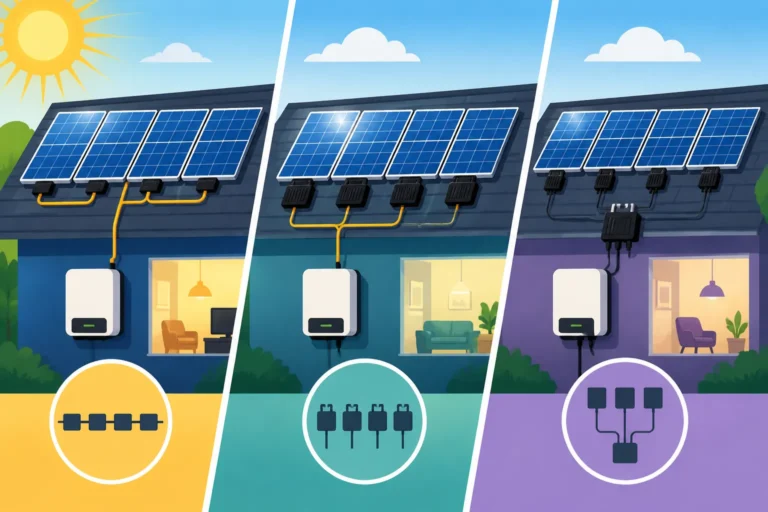
Beyond raw efficiency, Silfab panels are designed to perform well in varying conditions. For instance, their panels often have a low temperature coefficient, which means they lose less efficiency when temperatures rise. In hot climates, where traditional panels might see a significant dip in power output during peak summer, Silfab panels tend to maintain their performance more effectively. This robust performance in real-world scenarios, including partially shaded conditions where each panel's output might be independently optimized with microinverters, helps ensure you're getting consistent energy generation. This reliability contributes significantly to how much can you save with solar panels over their lifetime. You might even find replacement parts or certain components on major online marketplaces like Amazon if you ever needed them, though typically installations are handled by certified professionals.
Degradation Rate and Longevity
One of the biggest concerns for prospective solar owners is how well their panels will perform over decades. Solar panels, like any technology, experience a gradual decline in power output over time, known as the degradation rate. This is completely normal, but a lower degradation rate means your system will produce more electricity for longer. Silfab is highly competitive in this aspect, typically offering a linear performance warranty that guarantees minimal degradation. For many of their panels, this means they're guaranteed to produce at least 98% of their nameplate power in the first year, and then degrade by no more than 0.5% each subsequent year.
Consider a standard 25-year performance warranty with a typical 0.5% annual degradation. By year 25, your panels would still be producing around 87% of their original output. Some of Silfab's more premium lines even offer a 30-year performance warranty, often guaranteeing 85% of original output after three decades. This extended longevity and low degradation rate are vital for ensuring a strong Solar Panel Payback Period Explained and maximizing your long-term savings. The fact that they are manufactured with such stringent controls in North America adds an extra layer of confidence to these impressive longevity claims.
Warranties and Customer Support: Peace of Mind with Silfab
Let's face it, warranties are often where the rubber meets the road. A great product is only as good as the backing it receives, especially for an investment as significant as solar. Silfab stands out with some of the most comprehensive warranties in the industry, reflecting their confidence in their North American-made products.
Product and Performance Warranties
Silfab offers two primary types of warranties that are crucial for homeowners to understand: the product warranty and the performance warranty.
The product warranty covers defects in manufacturing, materials, or workmanship. Essentially, if the panel itself breaks down due to a fault in how it was made, Silfab will replace or repair it. For many years, the industry standard was a 10 or 12-year product warranty. However, Silfab has raised the bar significantly, often providing a robust 25-year product warranty on their panels. This is truly exceptional and signals a high level of confidence in their manufacturing quality. This means you’re covered for more than two decades against physical defects, which is a massive peace of mind. It’s definitely something to consider when you’re evaluating Best Solar Panels of 2026.
The performance warranty, as we touched on earlier, guarantees that your panels will produce a certain percentage of their original power output over time. Silfab typically offers a 30-year linear performance warranty, ensuring very gradual degradation. This means your system will continue to generate significant power far into the future. For example, some Silfab Elite panels guarantee at least 85% of their original power output after 30 years. When you combine an industry-leading 25-year product warranty with a 30-year performance warranty, you're looking at coverage that far exceeds the lifespan of many other home components, providing long-term security for your investment. Understanding the details of these guarantees is crucial, which is why we’ve delved into Solar Panel Warranties Explained in detail elsewhere.
The Importance of North American Support
Having a manufacturer with a strong North American presence isn't just about patriotism; it has practical implications for customer support and warranty claims. If you ever need to file a warranty claim, dealing with a company that has US-based offices and support staff can be significantly easier and faster than navigating international bureaucracy. Communication barriers are minimized, and response times tend to be quicker.
Imagine a scenario where you have an issue with a panel five or ten years down the line. If your manufacturer is thousands of miles away with no local representatives, getting a resolution can be a lengthy and frustrating process. With Silfab, their North American facilities mean that their customer service and technical support teams are often more accessible and better equipped to handle claims efficiently. This local connection also fosters a greater accountability, as they are operating within the same regulatory and consumer protection frameworks as you. This can be a huge differentiator when evaluating long-term reliability and the true cost of ownership, especially since buying solar is a 25+ year commitment.
Cost-Effectiveness and Value Proposition
When considering solar panels, the immediate sticker shock can be a deterrent for many. But it's crucial to look beyond the upfront price and consider the long-term value, especially with a brand like Silfab.
Pricing and Value Compared to Competitors
Silfab panels typically fall into the premium-to-mid-range segment of the solar market. They are generally not the cheapest panels you can find, but they are also not usually the most expensive, like some ultra-premium brands. This positioning reflects their balance of high quality, advanced technology, robust warranties, and North American manufacturing.
When you're comparing quotes, you might see Silfab panels come in slightly higher on a per-watt basis than, say, a generic Tier 1 panel from an overseas manufacturer. However, that slightly higher cost often translates into superior performance, especially in less-than-ideal conditions, and significantly better warranty coverage. For instance, while a budget panel might cost $2.50 per watt, a Silfab panel might be in the $2.75-$3.25 per watt range, depending on the model and the installer. This small difference can pay dividends over the lifespan of the system through higher energy production and greater peace of mind. Investing in a quality product from a reputable company like Silfab can often lead to a lower effective cost over 25-30 years, reducing overall Solar Panel Cost Per Watt Explained when factoring in long-term performance and warranty support. Even if you're looking for solar components or accessories, browsing online retailers like Amazon might show you various components, but the panels themselves are best sourced through certified installers who can provide these integrated solutions.
Is Silfab the Right Choice for Your Home?
So, who is Silfab ideal for? They are an excellent choice for homeowners who:
- Prioritize long-term reliability and performance: If you want a system that will consistently perform for decades with minimal degradation, Silfab's panels and warranties are very appealing.
- Value strong warranties: The 25-year product warranty is a significant competitive advantage, offering peace of mind that few other brands can match.
- Have limited roof space: Their high efficiency means you can generate more power from a smaller footprint, making them a great option for smaller roofs or homes with complex rooflines.
- Want to support North American manufacturing: If buying locally and supporting a domestic supply chain is important to you, Silfab is a clear frontrunner.
- Live in areas with varying weather conditions: Their strong temperature coefficients mean they handle hot summers well, and their overall robust construction stands up to diverse climates.
If you're on a very tight budget and simply looking for the absolute lowest upfront cost, Silfab might not be your first choice. However, if you view solar as a long-term investment where quality, reliability, and comprehensive support are paramount, Silfab offers a compelling value proposition. When you're working with your solar installer, make sure to get detailed quotes that compare not just the upfront price, but also the projected energy output and warranty details for different panel options. This diligent comparison will help you confidently answer the question, Are Solar Panels Worth It in 2026? for your specific situation.
Here’s a quick comparison of Silfab panels against some general industry averages:
| Feature | Silfab Solar Panels (Typical) | Industry Average Panels (Typical) |
|---|---|---|
| Manufacturing Location | North America | Primarily Asia |
| Efficiency Range | 20.0% – 21.5%+ | 17.0% – 19.5% |
| Product Warranty | 25 Years | 10 – 12 Years |
| Performance Warranty | 30 Years (guarantees 85%+) | 25 Years (guarantees 80% – 82%) |
| Annual Degradation Rate | ≤ 0.5% | 0.5% – 0.7% |
| Temperature Coefficient | ~ -0.34%/°C | ~ -0.40%/°C |
| Cost Per Watt (Relative) | Mid-to-High | Low-to-Mid |
Note: "Typical" ranges represent common offerings and can vary by specific model and manufacturer.
Choosing the right solar panels is a big decision, and it’s one that should be made with a clear understanding of what you’re getting. While many components like mounting hardware or even smart home integrations can be found on platforms like Amazon, the core solar panel choice impacts your energy production and savings for decades.
Disclaimer
This guide is intended for informational purposes only and does not constitute financial, legal, or professional advice. Solar panel performance and incentives can vary significantly based on location, system design, energy consumption, and policy changes. Always consult with certified solar professionals and financial advisors to determine the best solution for your specific circumstances.