SolarEdge Home Battery Review & Cost
It's a familiar feeling: watching your utility bill climb month after month, especially during peak hours, or worse, feeling that gut-wrenching dread when a storm rolls in and the power goes out, leaving you in the dark. Many homeowners are looking for ways to take more control over their energy usage, reduce their reliance on the grid, and gain true energy independence. This comprehensive guide dives deep into the SolarEdge Home Battery, exploring its features, performance, cost, and how it can be a game-changer for your home's energy future.
Understanding the SolarEdge Home Battery System
When you're considering a solar energy system, simply generating electricity is only half the battle. What happens to that excess power when the sun is shining brightly and your home isn't using it all? And what about those times, like at night or during an outage, when you need power but your panels aren't producing? That's where a home battery system comes in, and the SolarEdge Home Battery is designed to seamlessly integrate with a SolarEdge solar setup to tackle these very challenges.
What is the SolarEdge Home Battery and How Does It Work?
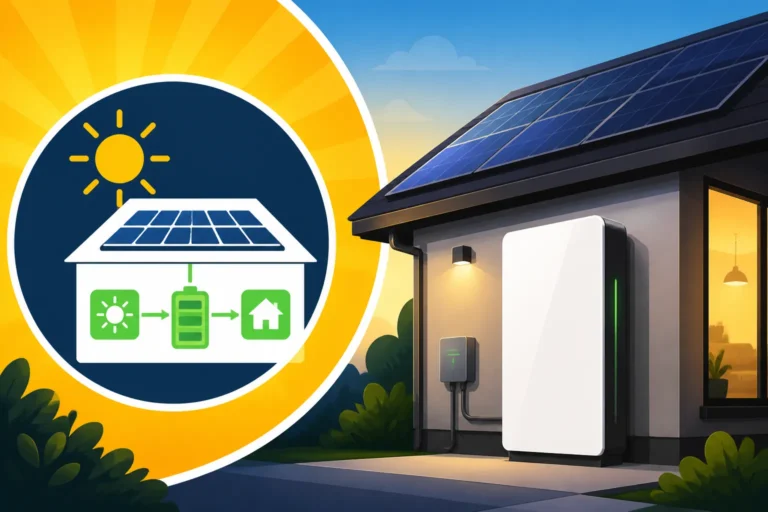
The SolarEdge Home Battery is a high-voltage, DC-coupled battery designed specifically to work hand-in-hand with SolarEdge's line of hybrid inverters. This isn't just a generic battery you can plop into any solar system; it's a proprietary solution built for optimal efficiency and performance within the SolarEdge ecosystem. In a nutshell, a DC-coupled system means the battery connects directly to the solar panels' DC output, before the power is converted to AC by the inverter. This direct connection minimizes energy losses that can occur during multiple conversions, making it a very efficient way to store solar power.
Here's how it generally works: your solar panels generate direct current (DC) electricity. This DC power can either be sent to your home for immediate use (after being converted to AC by the inverter), sent to the grid (if you have net metering), or directed to your SolarEdge Home Battery for storage. When your battery is full, and your home's needs are met, any remaining excess power can then be sent to the grid. When the sun goes down, or if the grid goes out, your stored battery power can then be discharged, converted to AC by the inverter, and used to power your home. This intelligent management allows you to maximize your solar self-consumption and potentially reduce your reliance on grid electricity, especially during peak pricing hours.
Key Features and Specifications
The SolarEdge Home Battery comes packed with features that make it a compelling option for homeowners already invested in or considering a SolarEdge solar setup. Currently, SolarEdge offers different capacities, typically around 9.7 kWh or 10 kWh, with the flexibility to stack multiple units for increased storage if your energy needs are higher. You might be asking, "What Size Solar Battery Do I Need?" It largely depends on your daily energy consumption and how much backup power you want.
One of the standout features is its high efficiency, often boasting round-trip efficiency ratings upwards of 94.5%. This means very little energy is lost when charging and discharging the battery, which translates to more of your hard-earned solar power actually making it to your home. The battery is also known for its continuous power output, ensuring that even under heavy load, it can deliver consistent electricity. It typically offers a 10-year warranty, which covers both material and performance, giving homeowners peace of mind. The design is often sleek and compact, allowing for flexible indoor or outdoor installation. Furthermore, the system integrates seamlessly with the SolarEdge monitoring platform, allowing you to track your energy production, consumption, and battery status right from your smartphone or computer, offering a granular view of your home's energy dynamics.
Performance and Efficiency
When you invest in a home battery, you want to know it's going to perform when it counts. The SolarEdge Home Battery is engineered to deliver reliable performance, especially within its optimized ecosystem. It's not just about capacity; it's about how efficiently that capacity is utilized and how smoothly it integrates into your daily life.
Real-World Performance Expectations
In real-world scenarios, the SolarEdge Home Battery really shines for homes that already have or are planning a SolarEdge inverter system. Because it's a DC-coupled battery, it bypasses some of the energy conversions that AC-coupled batteries require, leading to higher overall system efficiency. This means more of the DC electricity generated by your solar panels goes directly into storage without being converted to AC first, only to be converted back to DC for battery charging. This matters significantly, as every percentage point of efficiency gained means more usable energy and, ultimately, more savings.
Homeowners can expect the battery to provide reliable backup power during outages, allowing essential appliances to run. The exact duration of backup will depend on the battery's capacity and the power draw of the appliances you're running. For example, a single 9.7 kWh battery might run a refrigerator, some lights, and charge a few devices for a day or two, but it won't power your entire home with air conditioning indefinitely. Many users report excellent performance in shifting energy usage to off-peak hours, allowing them to draw from their stored solar power when grid electricity prices are highest, maximizing their savings under time-of-use utility rates.
How It Integrates with SolarEdge Inverters
The seamless integration with SolarEdge inverters is arguably the biggest selling point of the SolarEdge Home Battery. Unlike some universal batteries that can be paired with various inverter brands, the SolarEdge Home Battery is designed as a complete system. SolarEdge offers hybrid inverters that manage both solar production and battery storage from a single unit. This simplifies the installation process and ensures that the inverter and battery "speak" the same language, optimizing energy flow and management. You can learn more about different inverter types in our guide on Solar Inverters: String vs Microinverter vs Optimizer.
This integrated approach also extends to monitoring and control. Through the SolarEdge Energy Bank and mySolarEdge app, homeowners can monitor their system's performance, track historical data, and even set preferences for battery usage, such as prioritizing self-consumption, backup power, or time-of-use optimization. This level of control and visibility is crucial for maximizing the benefits of a solar-plus-storage system. For instance, if you anticipate a storm, you can manually set the battery to fully charge from the grid (if allowed by your utility) to ensure maximum backup capacity.
Cost Analysis and Value Proposition
Let's be real: the cost of adding a solar battery is a major consideration for any homeowner. While the initial investment can seem substantial, understanding the breakdown of costs and the potential for long-term savings helps clarify its value. The question "Is It Worth Adding a Battery to My Solar System?" is a common one, and the answer often comes down to your individual energy usage, local utility rates, and specific goals.
Breakdown of SolarEdge Home Battery Costs
The cost of a SolarEdge Home Battery isn't just the price tag of the battery unit itself. It encompasses several components:
- Battery Unit Cost: The battery unit itself typically ranges from $10,000 to $15,000 for a single 9.7 kWh to 10 kWh unit. This price can vary based on your location and the specific model.
- Inverter Compatibility: Remember, this battery works with SolarEdge's hybrid inverters. If you're installing a new solar system, this is usually part of the package. If you have an older SolarEdge inverter or a different brand, you might need to upgrade your inverter to ensure compatibility, which adds to the overall cost.
- Installation Costs: Professional installation is crucial for safety and optimal performance. These costs include labor, wiring, mounting hardware, and any necessary electrical upgrades. Installation can add several thousand dollars to the total.
- Permitting and Interconnection Fees: Like any major home energy upgrade, there are local permits and utility interconnection approvals required, which come with their own fees.
- Ancillary Equipment: This might include additional smart energy devices, backup interfaces, or monitoring hardware that integrates with the SolarEdge ecosystem.
When considering the overall Solar Plus Battery Cost, expect the total installed price for a single SolarEdge Home Battery system (including installation, but not necessarily a full new solar array) to be in the range of $15,000 to $25,000, depending heavily on regional labor rates and the complexity of your specific installation.
Long-Term Savings and ROI
The return on investment (ROI) for a solar battery isn't always as straightforward as solar panels alone. However, the savings are real and can add up over time, especially with rising electricity rates and favorable utility structures.
- Time-of-Use (TOU) Arbitrage: If your utility has TOU rates, where electricity is more expensive during peak evening hours, your SolarEdge battery can be a money-saving champion. You charge the battery with cheap solar power (or even cheap off-peak grid power) and then discharge it during expensive peak hours, significantly reducing your reliance on costly grid electricity.
- Reduced Demand Charges: For some commercial or high-usage residential customers, utilities impose "demand charges" based on your highest power draw during a billing cycle. A battery can help mitigate these spikes by providing power from storage when demand is high, keeping your grid usage consistent and lower.
- Backup Power Value: While harder to quantify financially, the value of reliable backup power during an outage is immense for many homeowners. Avoiding spoiled food, maintaining communication, and keeping essential medical equipment running provides peace of mind that goes beyond dollar figures.
- Incentives: Don't forget about incentives! Many states and even some local utilities offer rebates or tax credits for installing solar batteries. For instance, you might find specific programs that make Are Solar Batteries Still Eligible for Incentives in 2026? a resounding yes in your area. These incentives can significantly reduce your upfront costs and shorten your payback period.
To get a clearer picture of your potential savings, check out our detailed guide on Solar ROI & 25-Year Savings Breakdown.
Pros and Cons of the SolarEdge Home Battery
Like any significant investment for your home, the SolarEdge Home Battery comes with its own set of advantages and disadvantages. It's crucial to weigh these factors carefully to determine if it's the right fit for your unique energy needs and budget.
Advantages for Homeowners
For those already considering or committed to a SolarEdge solar system, the Home Battery offers some compelling benefits:
- High Efficiency DC-Coupling: As mentioned, the DC-coupled architecture minimizes conversion losses, meaning more of your solar energy is effectively stored and utilized. This translates directly to better overall system performance and energy savings compared to some AC-coupled alternatives.
- Seamless Integration with SolarEdge Ecosystem: This is a huge plus. The battery is designed from the ground up to work perfectly with SolarEdge inverters and the monitoring platform. This means fewer compatibility headaches, streamlined installation, and a unified control experience through the mySolarEdge app. You get a holistic view of your energy production, consumption, and storage, all in one place.
- Scalability: The modular design allows you to add multiple battery units to increase your storage capacity as your energy needs evolve. This flexibility means you're not locked into a single size from day one. If you decide later that you need more backup power or wish to store more solar energy, you can expand your system.
- Advanced Safety Features: SolarEdge incorporates multiple layers of protection, including built-in arc fault detection and rapid shutdown capabilities, which are essential for safety and compliance with electrical codes. This gives homeowners peace of mind knowing their system is designed with safety as a top priority.
- Optimized Energy Management: The smart energy management capabilities of the SolarEdge system allow for intelligent control over how and when the battery charges and discharges. This can be configured to prioritize self-consumption, backup power, or economic optimization based on time-of-use rates, giving you flexibility and control.
Potential Drawbacks and Considerations
No product is perfect for everyone, and the SolarEdge Home Battery has a few points to consider before making a purchase:
- Proprietary Ecosystem: This is a double-edged sword. While seamless integration is a pro, it also means you're locked into the SolarEdge brand for your inverter and battery. If you already have a non-SolarEdge inverter or prefer a different brand, this battery simply won't be compatible. This lack of interoperability can limit your choices down the line if you ever want to mix and match components from different manufacturers.
- Higher Upfront Cost: While competitive within its class, the initial Solar Battery Cost: Full Breakdown can be significant. The combination of the battery unit, compatible inverter (if needed), and installation can be a substantial investment, especially for those on a tight budget.
- Installation Complexity for Non-SolarEdge Systems: If you have an existing solar setup that isn't SolarEdge, integrating this battery would likely require replacing your current inverter with a compatible SolarEdge hybrid inverter, adding to the cost and complexity of the project. This is a crucial detail many homeowners overlook.
- Capacity Options: While scalable, the fixed capacity units (e.g., 9.7 kWh) might not perfectly align with every homeowner's specific needs without purchasing multiple units. Smaller homes might find a single unit more than enough, while very large homes with high energy demands might need several, escalating costs quickly.
- Grid Dependency: It's important to remember that most grid-tied battery systems, including SolarEdge, require the grid to be operational to function, even with solar panels. If the grid goes down, the inverter typically disconnects from the grid for safety reasons. The battery will provide power to your designated backup loads, but it cannot continuously charge from the solar panels and power your home indefinitely without a grid connection unless specifically set up for off-grid capabilities, which adds complexity and cost.
Consider consulting our guide on Do I Need a Battery With Solar? to help you decide if a battery is truly essential for your home.
Installation and Maintenance
Once you've decided the SolarEdge Home Battery is right for you, understanding the installation process and what ongoing maintenance it requires is the next step. It’s not something you’ll be doing yourself, but knowing what to expect can help you work better with your installer.
What to Expect During Installation
Installing a SolarEdge Home Battery, especially as part of a new solar-plus-storage system, is a multi-step process best handled by certified professionals. Here's a general overview of what you can anticipate:
- Site Assessment: First, a solar installer will conduct a thorough site assessment. This involves evaluating your home’s electrical panel, available space for the battery and inverter, and roof characteristics for the solar panels. They'll determine the best location for the battery, whether it's indoors (like a garage or utility room) or outdoors, considering temperature ranges and accessibility.
- Permitting and Design: Once the design is finalized, your installer will handle the necessary permits from your local municipality and prepare the interconnection application for your utility company. This can often be the longest part of the process, sometimes taking weeks or even months depending on the jurisdiction.
- Physical Installation: On installation day, the crew will typically mount the inverter and battery unit(s) in their designated location. This involves securing them to a wall or pad, running conduit, and connecting them to your home’s electrical system and the solar array. For DC-coupled systems like SolarEdge, the wiring between the panels, inverter, and battery is optimized for efficiency.
- Electrical Wiring and Connections: This is where certified electricians ensure all connections are safe and up to code, integrating the battery system with your main service panel and any dedicated backup loads.
- System Activation and Testing: After all physical components are in place and wired, the system will be powered on and thoroughly tested. Your installer will configure the software, connect it to the SolarEdge monitoring portal, and ensure everything is communicating correctly. They'll also walk you through how to use the monitoring app and what to expect.
- Utility Interconnection (Permission to Operate – PTO): The final step is getting "Permission to Operate" (PTO) from your utility company. This means they've inspected the installation and approved its connection to the grid. Only after PTO can you legally turn on your system and begin offsetting your electricity usage and earning credits (if applicable).
The entire process, from initial consultation to PTO, can take anywhere from 2 to 4 months, though the physical installation itself is usually just a few days.
Maintaining Your SolarEdge Battery
Good news here! SolarEdge Home Batteries, like most modern solar batteries, require very little hands-on maintenance from the homeowner. They are designed to be largely "set it and forget it" devices.
- Monitoring: The primary "maintenance" you'll be doing is simply monitoring your system's performance through the SolarEdge app. This allows you to keep an eye on battery charge levels, energy flow, and overall system health. If you notice any anomalies, you can contact your installer.
- Cleaning: The exterior of the battery unit might occasionally need a wipe-down to remove dust or debris, especially if installed outdoors. Ensure vents are not obstructed.
- Firmware Updates: Your installer or SolarEdge itself will typically handle any necessary software or firmware updates remotely to ensure optimal performance and security.
- Professional Checks: It's a good idea to have your entire solar and battery system inspected by a professional every few years, perhaps coinciding with your general home maintenance schedule, to ensure all components are functioning correctly and efficiently.
The 10-year warranty offered by SolarEdge provides a good baseline for expected product longevity and reliability, covering material defects and performance degradation over time.
Comparing with Other Leading Solar Batteries
The home battery market is growing, and the SolarEdge Home Battery isn't the only player. It's often compared to other top contenders, each with its own strengths. Understanding these differences can help you make an informed decision about the Best Solar Batteries of 2026.
SolarEdge vs. Tesla Powerwall
The Tesla Powerwall is often seen as the market leader and a household name in home battery storage, and for good reason. It offers robust performance and a sleek design, but how does it stack up against SolarEdge?
| Feature | SolarEdge Home Battery | Tesla Powerwall |
|---|---|---|
| Capacity (single) | ~9.7 kWh (usable) | ~13.5 kWh (usable) |
| Coupling Type | DC-coupled (with SolarEdge hybrid inverter) | AC-coupled (can pair with any inverter) |
| Efficiency | High (94.5% round-trip) | High (90% round-trip) |
| Scalability | Multiple units can be stacked | Up to 10 Powerwalls can be stacked |
| Integration | Seamless with SolarEdge inverters & monitoring | Integrates with Tesla Solar and third-party inverters |
| Power Output | Continuous power output designed for SolarEdge | High continuous and peak power output |
| Warranty | 10 years | 10 years |
| Backup Gateway | Included in SolarEdge Home Hub inverter | Requires separate Tesla Gateway |
Key Differences:
- Coupling: The most significant difference is the coupling type. SolarEdge is DC-coupled, requiring a compatible SolarEdge hybrid inverter for maximum efficiency. Tesla Powerwall is AC-coupled, meaning it can be added to virtually any existing or new solar system regardless of the inverter brand. This makes the Powerwall more flexible for retrofits.
- Capacity: A single Powerwall offers more usable capacity than a single SolarEdge unit. If you need maximum storage from fewer units, Powerwall might have an edge. However, both are highly scalable.
- Ecosystem: If you're already going with SolarEdge for your panels and inverter, the SolarEdge Home Battery provides an integrated, unified system. If you prefer a modular approach or have different solar components, the Powerwall's AC-coupling offers more universal compatibility.
- Backup Gateway: The SolarEdge Home Hub inverter often integrates the backup functionality, whereas the Powerwall requires a separate Tesla Gateway device to manage backup loads and grid disconnection.
For a deeper dive, check out our How Much Does a Tesla Powerwall Cost? article.
SolarEdge vs. Enphase IQ Battery
Enphase is another major player, particularly known for its microinverter technology. Their IQ Battery line is a strong competitor to SolarEdge. You can learn more about this comparison in our Enphase vs SolarEdge: Which Inverter Is Better? guide.
| Feature | SolarEdge Home Battery | Enphase IQ Battery |
|---|---|---|
| Capacity (single) | ~9.7 kWh (usable) | Various (e.g., 3.36 kWh, 10.08 kWh) |
| Coupling Type | DC-coupled (with SolarEdge hybrid inverter) | AC-coupled (with Enphase IQ microinverters) |
| Efficiency | High (94.5% round-trip) | High (90% round-trip) |
| Scalability | Multiple units can be stacked | Highly modular, can add individual units |
| Integration | Seamless with SolarEdge inverters & monitoring | Seamless with Enphase microinverters & monitoring |
| Power Output | Continuous power output designed for SolarEdge | High continuous power output |
| Warranty | 10 years | 10 years |
| Backup Gateway | Included in SolarEdge Home Hub inverter | Requires separate Enphase IQ System Controller |
Key Differences:
- System Architecture: The fundamental difference lies in the solar system architecture each battery is built for. SolarEdge uses a string inverter with optimizers, while Enphase uses microinverters, one per panel. The SolarEdge battery is DC-coupled to its string inverter, while the Enphase IQ Battery is AC-coupled and integrates with the AC output of Enphase microinverters.
- Modularity: Enphase offers incredibly modular batteries in smaller increments (e.g., 3.36 kWh for the IQ Battery 3, 10.08 kWh for the IQ Battery 10). This allows for very granular capacity sizing and future expansion. SolarEdge's units are larger, offering a different kind of modularity.
- Backup Device: Similar to Tesla, the Enphase system requires a separate IQ System Controller for managing grid connection and backup loads, whereas SolarEdge's hybrid inverter often consolidates this function.
- Brand Loyalty: If your solar array uses Enphase microinverters, the IQ Battery is the natural, most integrated choice. If you have a SolarEdge optimizer system, their Home Battery is the clear preference.
Both SolarEdge and Enphase offer excellent monitoring capabilities and robust warranties, making them top contenders in the residential solar battery market. Your choice often comes down to your existing solar equipment or your preference for a string inverter (SolarEdge) versus microinverter (Enphase) architecture. You can also review Tesla Powerwall vs Enphase IQ Battery for a broader comparison.
Is the SolarEdge Home Battery Right for You?
So, after all this information, you're probably wondering if the SolarEdge Home Battery is the ideal solution for your home. It truly shines for a specific type of homeowner, particularly those who value seamless integration, high efficiency, and a unified energy management system.
This battery is a fantastic choice if you're already planning to install a new solar energy system with SolarEdge inverters and optimizers, or if you already have such a system and are looking to add storage. The DC-coupled design and the integrated management through the mySolarEdge app mean you're getting a cohesive, highly efficient solution engineered to work perfectly together. It offers excellent performance for energy shifting to avoid peak utility rates and provides reliable backup power for essential loads during outages. If you prioritize a single-brand ecosystem with streamlined monitoring and control, and you're comfortable with the upfront investment, the SolarEdge Home Battery could be an excellent fit for your long-term energy independence goals.
Disclaimer
The information provided in this article is for general informational purposes only and does not constitute professional advice. Solar energy systems and battery storage solutions require careful planning, design, and installation by qualified professionals. Costs, incentives, and regulations can vary significantly by location and change over time. Always consult with a certified solar installer and financial advisor to determine the best solution for your specific needs and circumstances.