Maxeon vs Qcells Solar Panels
Deciding on solar panels for your home can feel like navigating a maze, especially when you're trying to compare two highly respected brands like Maxeon and Qcells. It's a significant investment, and you want to be sure you're getting the best bang for your buck and peace of mind for decades to come. This guide is here to untangle the complexities, offering a realistic, in-depth look at what each manufacturer brings to the table so you can confidently choose the right panels for your unique energy needs.
A Deep Dive into Maxeon Solar Panels
When you hear "Maxeon," many people immediately think of high-end, premium solar. And there's a good reason for that! Maxeon Solar Technologies, formerly known as SunPower, has built a formidable reputation for pushing the boundaries of solar cell technology. They've long been a go-to for homeowners who prioritize efficiency, durability, and a truly exceptional warranty.
Maxeon's Reputation and Technology
Maxeon has always been about innovation. Their core technology revolves around proprietary interdigitated back contact (IBC) solar cells, which they've dubbed Maxeon cells. Unlike conventional cells that have grid lines on the front, Maxeon cells move all the electrical contacts to the back. This design not only gives the panels a sleek, uniform black appearance, which many homeowners appreciate for aesthetic reasons, but it also means more of the front surface is dedicated to capturing sunlight. This seemingly small detail significantly boosts efficiency and provides superior performance.
Imagine you have a smaller roof, maybe in a crowded urban area or a historically preserved neighborhood, where every square inch of sunlight collection truly matters. In such a scenario, Maxeon panels can be a game-changer. Their higher power density allows you to generate more electricity with fewer panels, maximizing the potential of limited roof space. This can also be incredibly beneficial in regions like San Francisco or Boston where space is at a premium. They’re designed to withstand the test of time and harsh environmental conditions, making them a premium choice for long-term reliability.
Performance and Efficiency for Maxeon
One of the headline features of Maxeon panels is their industry-leading efficiency. Typically, their panels boast efficiency ratings that can climb past 22% and even reach up to 23%. To put that into perspective, most standard solar panels on the market today range from 19-21% efficiency. This higher efficiency means that for the same amount of sunlight hitting your roof, a Maxeon panel will convert more of that light into usable electricity.
Beyond raw numbers, Maxeon panels are renowned for their low degradation rates. Most solar panels degrade by about 0.5% each year, meaning they lose a small fraction of their power output annually. Maxeon's panels often boast degradation rates closer to 0.25% per year, sometimes even less. This slower degradation means your system will maintain a higher power output for a longer period, translating into more savings over the decades. They also perform exceptionally well in partial shade conditions, a common concern for many homeowners. Their unique cell architecture minimizes power loss when a portion of the panel is shaded, which can be a real advantage if you have trees or other obstructions around your home. For homeowners seriously looking into their long-term savings, understanding how Solar Panel Efficiency & Degradation Explained can significantly impact their return on investment is crucial.
Maxeon's Warranty Offerings
When it comes to warranties, Maxeon truly sets itself apart. They offer an unprecedented 40-year warranty, covering product, performance, and service. This is virtually unmatched in the solar industry, where the standard is usually 25 years. This comprehensive warranty means:
- Product Warranty: Covers defects in manufacturing, materials, and workmanship for 40 years. If a panel breaks due to a fault, they'll replace it.
- Performance Warranty: Guarantees that your panels will produce a certain percentage of their original power output for 40 years. For instance, some Maxeon panels are guaranteed to maintain at least 92% of their original output after 25 years and over 80% after 40 years. This significantly outperforms standard warranties.
- Service Warranty: This is often overlooked but incredibly valuable. Maxeon’s warranty covers the repair, replacement, or reimbursement for labor costs if a panel needs servicing within the warranty period, which is not always standard across the industry.
This kind of extensive coverage offers unparalleled peace of mind. It tells you that Maxeon stands firmly behind the quality and longevity of their product, making them an excellent choice for those who view solar as a multi-generational investment. While searching for solar products, you might even find people discussing these robust warranties on various consumer review platforms, much like how many would check reviews for general home electronics or appliances on sites like Amazon.
Unpacking Qcells Solar Panels
Qcells, a major global player, represents an excellent blend of performance, reliability, and value. Originating from Germany and now part of the Hanwha Group, they have a massive manufacturing presence and a strong focus on delivering high-quality solar solutions accessible to a wider range of homeowners.
Qcells' Market Position and Innovation
Qcells has carved out a significant niche as a leading global manufacturer, known for its robust and reliable panels that offer excellent performance without always carrying the premium price tag of some ultra-high-efficiency brands. They've been a consistent innovator, particularly with their Q.ANTUM DUO technology. This technology combines passivation (a layer that minimizes electron recombination, improving efficiency) with half-cut cells and multi-busbar designs. Half-cut cells essentially double the number of cells in a panel, reducing current and resistance losses, which improves overall efficiency and durability.
Qcells panels are a fantastic option for homeowners who might have a larger roof footprint and are looking to balance initial costs with strong, dependable performance over the long haul. In states like Texas or Florida, where ample roof space is common, Qcells allows for substantial system sizes without exorbitant costs, providing a reliable power source. They are a popular choice for families looking to make a sound solar investment without breaking the bank, providing a great value proposition.
Performance and Efficiency for Qcells
Qcells panels typically offer efficiency ratings in the 20-21.5% range. While this might be slightly lower than Maxeon's absolute peak, it's still very competitive and often exceeds the average efficiency of many panels on the market. Their Q.ANTUM DUO technology helps them achieve solid output even in less-than-ideal conditions, such as early morning or late afternoon, or on partly cloudy days.
The robust construction of Qcells panels also contributes to their consistent performance. They are designed to withstand significant snow loads and wind pressures, making them suitable for diverse climates. Their degradation rate is typically around 0.5% per year, which is standard for the industry. While not as low as Maxeon’s, it still ensures a strong output guarantee for the lifetime of the warranty. For many homes, a Qcells system can provide significant energy savings, especially when factoring in the Solar Panel Cost Per Watt Explained and the overall system size you can afford.
Qcells' Warranty Structure
Qcells provides a strong 25-year warranty package that covers both the product and its performance. This is the industry standard for high-quality panels and offers substantial protection for homeowners.
- Product Warranty: Covers manufacturing defects and material failures for 25 years. This means if a defect appears within 25 years, Qcells will repair or replace the panel.
- Performance Warranty: Guarantees a minimum power output for 25 years. For example, Qcells typically guarantees at least 86% of the original power output after 25 years.
While not as extended as Maxeon's 40-year offering, Qcells' 25-year warranty is still excellent and provides robust coverage that should last well beyond the typical Solar Panel Payback Period Explained. For many homeowners, a 25-year warranty aligns perfectly with their expected time in the home and provides ample security for their investment.
Head-to-Head Comparison: Maxeon vs. Qcells
Now that we've looked at each brand individually, let's put them side-by-side to highlight their key differences and similarities. Understanding these distinctions is crucial for making an informed decision about your home solar system.
Efficiency and Power Output
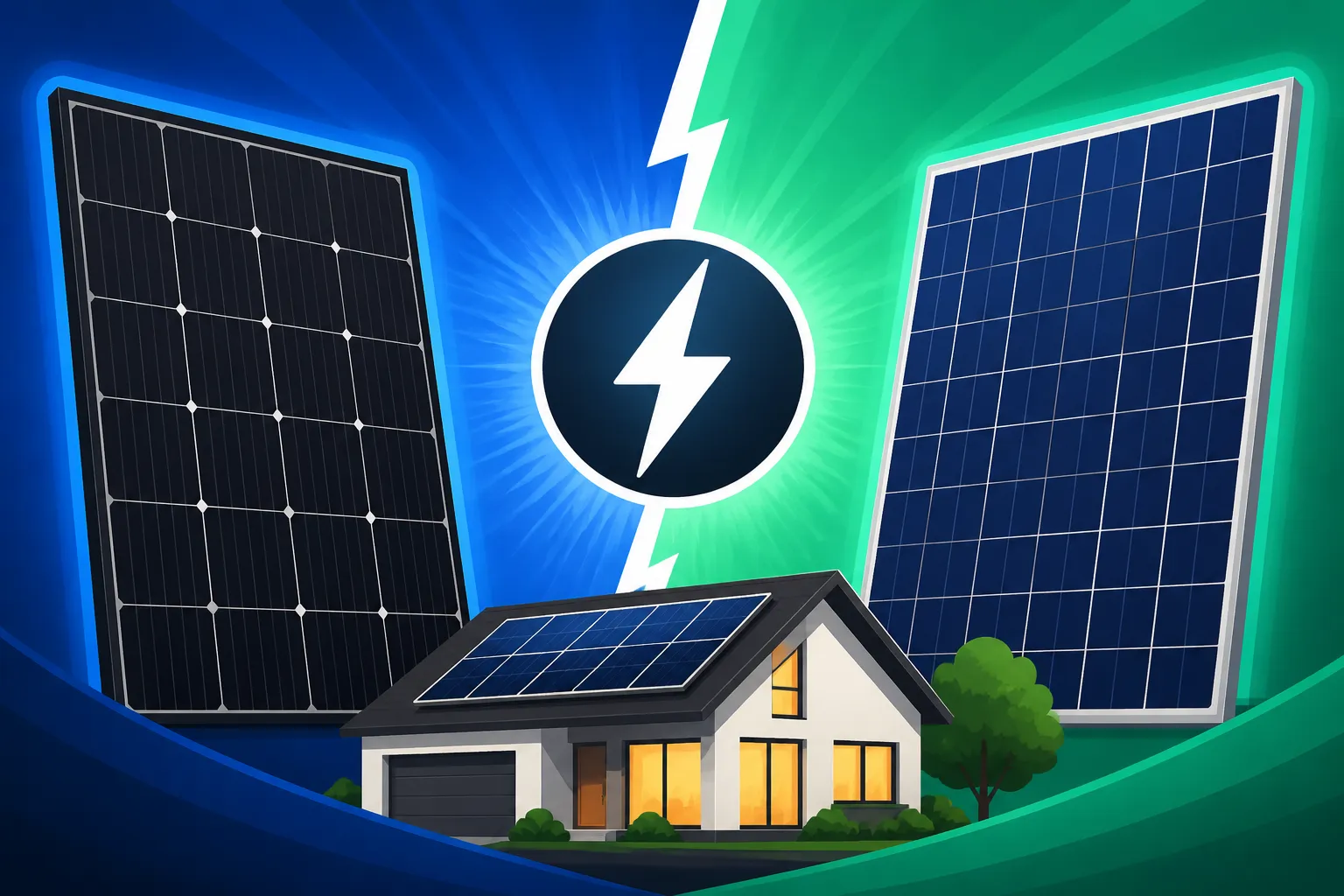
This is often the first metric people look at, and it's where Maxeon tends to have a slight edge. Maxeon panels, with their IBC cell technology, generally reach higher peak efficiencies, sometimes touching 23%. Qcells panels, utilizing Q.ANTUM DUO, typically fall into the 20-21.5% range.
What does this mean in practical terms? If you have very limited roof space, those extra percentage points of efficiency from Maxeon can allow you to generate more power with fewer panels, maximizing your energy production. However, if you have ample roof space, Qcells can still provide excellent power output by simply installing a few more panels, often at a lower overall system cost per watt. It’s a trade-off between maximizing production per square foot versus overall system cost. Many savvy homeowners will analyze their specific roof dimensions to see if the higher efficiency of Maxeon genuinely provides enough added benefit to justify the extra cost, or if a slightly larger Qcells system would be more cost-effective.
| Feature / Brand | Maxeon (formerly SunPower) | Qcells (Hanwha Qcells) |
|---|---|---|
| Typical Efficiency | 22-23%+ | 20-21.5% |
| Product Warranty | 40 years | 25 years |
| Performance Warranty | 40 years (e.g., 92% after 25 yrs, 80% after 40 yrs) | 25 years (e.g., 86% after 25 years) |
| Cell Technology | Interdigitated Back Contact (IBC) | Q.ANTUM DUO (PERC, half-cut, multi-busbar) |
| Degradation Rate (annual) | ~0.25% or less | ~0.5% |
| Shade Performance | Excellent due to bypass diode placement and cell design | Very good with half-cut cell technology |
| Aesthetics | All-black, sleek | Typically black frame, white backsheet (some all-black options) |
| Price Point | Premium | Mid-range to Upper Mid-range |
Durability and Longevity
Both Maxeon and Qcells are known for manufacturing highly durable panels, but they approach it with slightly different philosophies. Maxeon's IBC cells are built on a solid copper foundation, which makes them incredibly resistant to cracking and corrosion, common failure points for traditional cells. This robust design is a key factor in their extended 40-year warranty. They are engineered to perform in extreme temperatures and high-humidity environments.
Qcells panels, on the other hand, utilize their Q.ANTUM DUO technology and a sturdy frame design. They focus on minimizing potential-induced degradation (PID) and light-induced degradation (LID) through their cell passivation layers, enhancing their long-term stability. While their warranty is 25 years, this is still a testament to their confidence in the panel's ability to withstand environmental stressors over a significant period. Both brands adhere to rigorous testing standards to ensure their panels can handle everything from heavy snow in Colorado to intense heat in Arizona.
Cost-Effectiveness and Value Proposition
Here's where the decision often boils down for many homeowners. Maxeon panels typically come with a higher upfront cost due to their advanced technology, superior efficiency, and industry-leading warranty. If your budget allows, and you have limited roof space, the extra upfront investment can pay off over the incredibly long lifespan of the panels, maximizing your energy production and offering unmatched peace of mind. For homeowners asking themselves, “Is Solar Worth It in 2026?”, factoring in these long-term benefits is essential.
Qcells offers an excellent balance of quality and cost-effectiveness. Their panels are generally more affordable per watt than Maxeon, making them an attractive option for larger systems where the total cost can quickly add up. You're still getting a high-performing, reliable panel with a strong 25-year warranty, making them a fantastic value for the money. If you have ample roof space and want to maximize your solar investment without necessarily buying the absolute highest-efficiency panel available, Qcells provides a compelling proposition.
Aesthetics and Design
For some homeowners, how the panels look on their roof is just as important as how they perform. Maxeon panels are known for their sleek, all-black appearance. Because the electrical contacts are on the back, there are no visible grid lines on the front, giving them a very uniform and premium look that blends seamlessly with most dark-colored roofs.
Qcells offers various aesthetic options, including all-black panels and panels with black frames and white backsheets. While their standard panels might have visible busbars (thin lines on the cells), their all-black versions offer a very clean look that also integrates well with modern home designs. While you won't typically find "aesthetic reviews" on Amazon for solar panels, you can often see product images that give you a sense of how different designs might look.
Which Solar Panel is Right for Your Home?
Choosing between Maxeon and Qcells ultimately depends on your specific priorities, budget, and property characteristics. There's no single "best" panel; there's only the best panel for you.
When Maxeon Shines Brightest
Maxeon panels are the clear winner if you fall into one or more of these categories:
- Limited Roof Space: If your roof has constraints, whether due to size, shape, or obstructions, Maxeon’s higher efficiency means you can generate more power from fewer panels. This is crucial for maximizing your energy independence in tight spaces.
- Premium Investment Mindset: You're looking for the absolute best performance, durability, and the longest warranty available, and you're willing to pay a premium for it. You see solar as a 30-40 year asset.
- Extreme Conditions: If you live in an area with harsh weather, high humidity, or significant temperature fluctuations, Maxeon's robust build and copper foundation offer superior resilience.
- Maximum Peace of Mind: The 40-year comprehensive warranty provides unparalleled assurance, making Maxeon an excellent choice for those who want to set it and forget it for decades. If you are comparing Solar Panel Warranties Explained, Maxeon really stands out.
Consider Maxeon if you're building a "forever home" and want to equip it with the absolute top-tier components, much like choosing high-end appliances or fixtures that are built to last a lifetime.
When Qcells is the Smart Choice
Qcells panels are an outstanding option for a different set of priorities:
- Ample Roof Space: If you have plenty of unshaded roof area, Qcells allows you to build a powerful system that provides excellent energy savings without the top-tier price tag of Maxeon.
- Balancing Cost and Quality: You want high-quality, reliable panels with strong performance and a solid warranty, but you're also mindful of your budget. Qcells offers exceptional value.
- Solid Performance, Great Value: You need consistent energy production and robust panels that can handle typical weather conditions, and you appreciate getting a great product for a reasonable price.
- Established Brand Reliability: Qcells is a globally recognized Tier 1 manufacturer with a proven track record, providing confidence in their long-term support. For an overview of how these costs compare, you might want to look into How Much Do Solar Panels Cost? 2026 Guide.
Qcells is an excellent choice for the majority of homeowners looking for a dependable solar solution that offers strong returns on investment over 25 years.
Factors Beyond the Panel
Remember, the panels themselves are just one part of your solar journey. The success and longevity of your system also heavily depend on:
- Your Installer: A reputable and experienced installer is critical. They handle the design, permitting, installation quality, and often, the initial warranty claims. Always vet potential installers thoroughly; looking up reviews on local business directories or even checking if they have a good reputation on wider platforms like Yelp or for purchasing home electronics on Amazon can sometimes give you a sense of general customer service. Make sure you know How to Choose a Solar Installer in your area.
- System Design: The optimal number of panels, their orientation, and the type of inverter (microinverters like Enphase or string inverters with optimizers like SolarEdge) are all crucial decisions that affect your system's performance and efficiency.
- Local Incentives: State and local incentives, such as Net Metering Explained How It Works by State, utility rebates, or property tax exemptions, can significantly impact the overall cost-effectiveness of your system, regardless of the panel brand you choose.
- Financing: How you pay for your system – cash, solar loan, or even a PPA – will greatly influence your total cost and long-term savings. Explore all your options to determine the best financial fit.
Ultimately, both Maxeon and Qcells produce exceptional solar panels. Your best bet is to get quotes from multiple reputable solar installers in your area, specifying your interest in both brands. Have them assess your unique property, discuss your energy goals and budget, and present tailored solutions. This comprehensive approach will ensure you make the most informed decision for your solar investment.
Disclaimer
Please note that the information provided in this article is for general guidance and informational purposes only. Solar technology, incentives, and market conditions can change rapidly. Always consult with certified solar professionals and financial advisors for advice tailored to your specific situation and local regulations. The author and publisher are not liable for any decisions made based on this information.