SolarEdge vs Enphase for Shaded Roofs
It’s a common frustration: you're excited about going solar, but then you look at your roof and see that towering oak tree or the neighboring building casting shadows for a good chunk of the day. You might even wonder if solar is truly worth it if your roof isn't bathed in sunshine from dawn till dusk. This guide is here to tackle that very real problem, diving deep into two of the most popular inverter technologies – SolarEdge and Enphase – to help you understand which one is your best bet for maximizing solar production, even when shade is an inevitable part of your home's landscape.
Understanding How Shade Impacts Solar Production
Before we compare the technical solutions, it’s crucial to understand why shade is such a headache for solar panels. It’s not just about losing the sunshine on one panel; it can actually hurt the output of your entire system in surprising ways.
The "Christmas Light Effect" on String Inverters
Think about those old-fashioned Christmas lights. Remember how if one bulb went out, the whole string often went dark? Traditional "string" inverters can sometimes behave similarly, especially when not paired with optimization technology. In a typical string inverter setup, multiple solar panels are wired together in a series, forming a "string." The electricity generated by these panels flows to a single central inverter, which then converts the DC power into AC power for your home.
The problem arises because the current from a string is limited by the weakest link – the panel producing the least amount of power. If even a small portion of one panel in the string is shaded by a tree branch, a chimney, or even accumulated dirt, that panel's output plummets. This reduced output can then pull down the performance of all the other unshaded panels in that same string. It's incredibly disheartening to see perfectly good panels under the sun performing poorly because of a single shadow, and it's a primary reason why traditional string inverters alone are rarely recommended for roofs with significant shade.
Why Shade is a Big Deal for Your Wallet
Beyond the technical frustration, the impact of shade directly hits your pocketbook. Less energy production means you're still relying on your utility company for more electricity, leading to higher monthly bills than you anticipated. This directly affects your solar panel payback period, potentially extending the time it takes for your system to "pay for itself" through energy savings.
For example, if you designed a system expecting to offset 90% of your electricity bill, but shade consistently reduces your production by 20%, you might only be offsetting 70%. That extra 20% you're buying from the grid adds up quickly over months and years, eroding the financial benefits you signed up for. It can also make a significant difference in states with less favorable net metering policies, like California's NEM 3.0, where selling excess power back to the grid at a lower rate means you absolutely want to maximize your self-consumption and direct energy production. The less you produce when you need it, the more you have to pull from the grid, often at peak rates.
Enphase Microinverters: The Individual Panel Powerhouses
Enphase has become a household name in the solar industry, largely due to its pioneering work with microinverter technology. For many homeowners with complex roofs or persistent shade, Enphase offers a compelling solution.
How Microinverters Work Against Shade
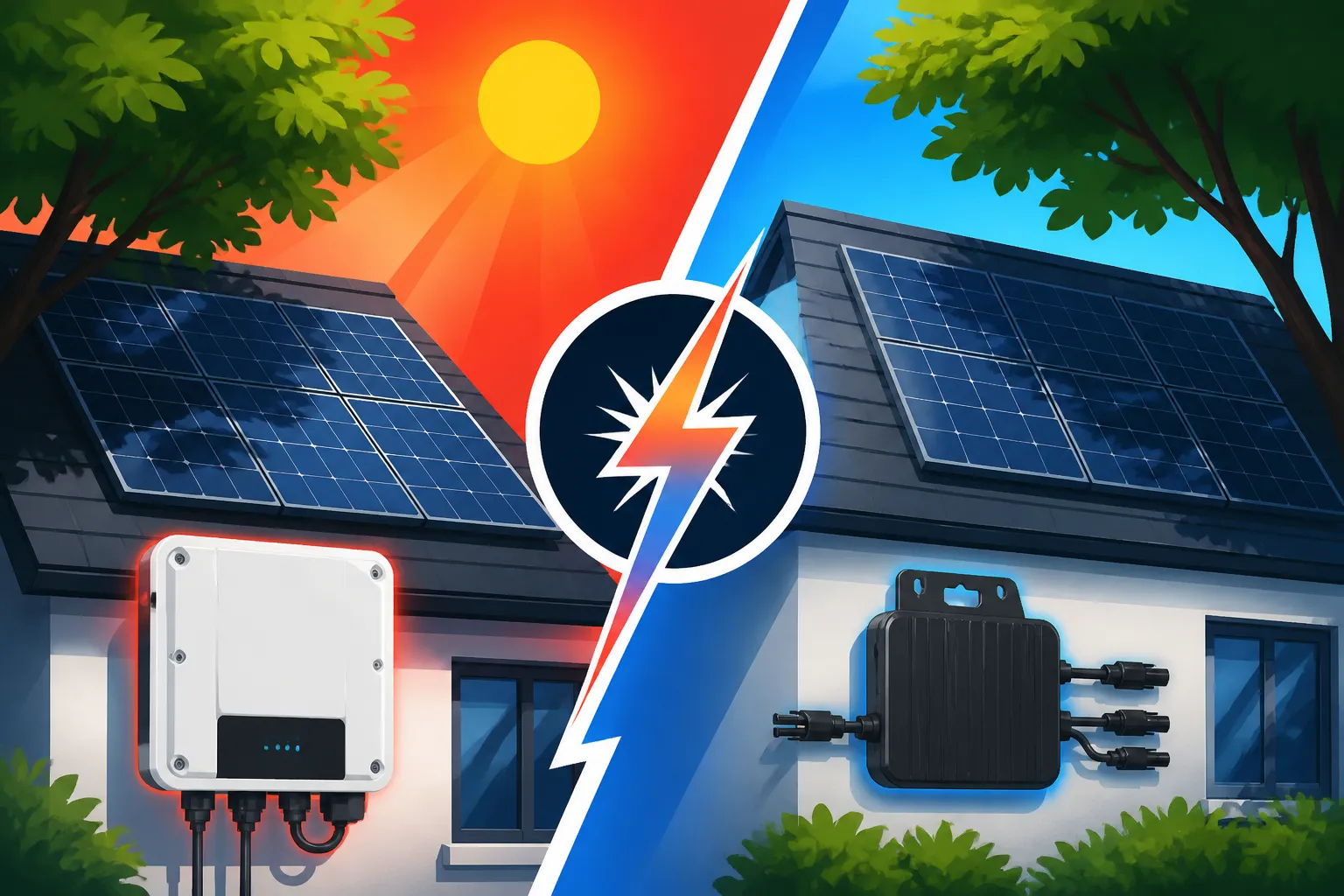
Instead of one central inverter for many panels, an Enphase system uses a small, independent inverter attached to the back of each individual solar panel. This design fundamentally changes how your solar array handles shade. When a shadow falls on one panel, only that specific panel's output is affected. All the other panels continue to produce power at their maximum potential, entirely independently.
This individual optimization, often called Maximum Power Point Tracking (MPPT) at the panel level, is incredibly effective. It's like having hundreds of individual Christmas light strings, where if one bulb goes out, all the others stay lit. Each microinverter converts the DC power from its assigned panel into AC power right there on the roof, sending ready-to-use electricity down to your home's electrical panel. This architecture provides unparalleled resilience against localized shading, making it a favorite for tricky installations.
Advantages of Enphase for Shaded Roofs
The benefits of Enphase for homes dealing with shade are numerous and significant:
- Superior Shade Mitigation: This is the big one. Because each panel operates independently, partial shading on one or more panels doesn't dramatically impact the rest of the array. If half your roof is shaded in the morning and the other half in the afternoon, each panel still produces its best possible output whenever it's unshaded. This often translates to higher overall energy yield compared to traditional string systems in shaded conditions.
- Granular Monitoring: Enphase systems provide incredibly detailed, panel-level monitoring. You can literally see the output of each individual solar panel through their MyEnlighten app. This is fantastic for troubleshooting; if one panel is underperforming, you can quickly identify it – maybe it's covered in leaves, or perhaps there's a bird's nest. This level of insight helps ensure your system is always performing optimally. You can even access monitoring details on your phone while ordering accessories or research guides from sites like Amazon.
- Increased Reliability and Redundancy: With a central string inverter, if that one unit fails, your entire solar system goes down. With microinverters, if one unit fails, only that single panel's production is lost. The rest of your system continues to operate normally, providing a much higher degree of system reliability.
- Flexibility in System Design: Microinverters allow for panels to be installed in different orientations and angles, and even in different numbers per string without complex wiring considerations. This is particularly useful for roofs with multiple facets, dormers, or varying sun exposure throughout the day, where a traditional string layout might be inefficient.
Potential Drawbacks of Enphase for Shaded Systems
While fantastic for shade, Enphase systems do have a few considerations:
- Higher Upfront Cost: Generally, microinverter systems tend to have a slightly higher upfront cost per watt compared to string inverter systems, mainly due to the cost of purchasing an inverter for each panel. While the long-term energy yield often offsets this, it's a factor in initial budgeting.
- More Components on the Roof: Since there's an inverter under every panel, there are more individual pieces of equipment installed on your roof. This means more connection points and potentially more components that could individually require service over the system's lifetime, though Enphase microinverters are known for their durability and long warranties.
- Troubleshooting Can Be More Complex for Installers: While you get granular monitoring, if a microinverter does fail, an installer might need to go up on the roof to replace it. This is in contrast to a central inverter, which is usually located on a wall or side of the house and easier to access for maintenance or replacement.
SolarEdge Power Optimizers and Central Inverters: A Hybrid Approach
SolarEdge offers a clever hybrid solution that combines some of the best features of string inverters with the panel-level optimization found in microinverters. It’s often seen as a middle-ground, providing excellent performance in shaded conditions without the full per-panel inverter cost.
How Power Optimizers Tackle Shade
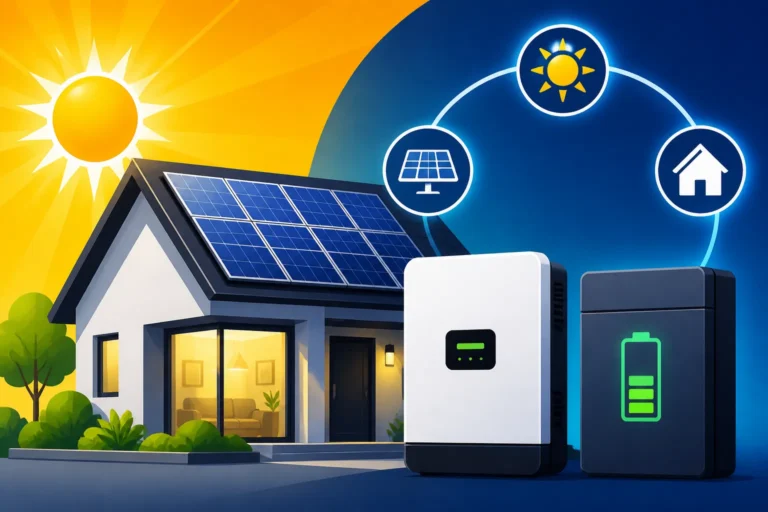
A SolarEdge system consists of two main components: power optimizers and a central inverter. Similar to microinverters, a small power optimizer is installed on the back of each solar panel. However, unlike microinverters, these optimizers don't convert DC to AC power. Instead, they condition the DC power and perform the MPPT function for each individual panel, ensuring each panel operates at its peak performance regardless of what the other panels are doing. This optimized DC power is then sent down to a single central string inverter, usually located at ground level, which then converts all the aggregated DC power into AC power for your home.
So, if a shadow falls on one panel, its power optimizer isolates that panel's performance issue, preventing it from dragging down the entire string. The other panels, thanks to their optimizers, continue to push maximum power to the central inverter. This "optimized string" approach offers many of the shade-mitigation benefits of microinverters while retaining the simplicity of a single central inverter.
Advantages of SolarEdge for Shaded Roofs
SolarEdge brings a strong set of advantages to the table for homeowners with shading challenges:
- Effective Shade Performance: Just like microinverters, power optimizers ensure that each panel can operate independently, meaning a shaded panel won't diminish the performance of unshaded panels in the same string. This makes SolarEdge highly effective at mitigating the impact of partial shading.
- Higher System Efficiency: SolarEdge systems are renowned for their high efficiency, with their central inverters typically boasting efficiency ratings in the upper 90s. The optimized DC current delivery to the central inverter minimizes power loss, ensuring more of the sun's energy makes it to your home.
- Simplified Inverter Replacement: Since there’s only one central inverter, located in an easily accessible spot (like your garage or utility room), it's much simpler and less costly to service or replace than individual microinverters spread across your roof. This can be a significant advantage for long-term maintenance.
- Longer String Lengths and Design Flexibility: SolarEdge's optimized DC architecture allows for longer string lengths and more flexible system designs than traditional string inverters. This can sometimes translate to fewer components and simpler wiring for certain roof layouts.
Potential Drawbacks of SolarEdge for Shaded Systems
While robust, SolarEdge systems also have a few points to consider:
- Single Point of Failure (Central Inverter): Although individual panel performance is optimized, if the central inverter fails, your entire system goes offline. This is a crucial difference from microinverter systems, where only the affected panel stops producing. While SolarEdge inverters are highly reliable, this remains a factor for overall system redundancy.
- Less Granular Monitoring: While SolarEdge offers panel-level monitoring through its application, some users report that the real-time updates and diagnostic capabilities aren't quite as instant or detailed as Enphase's system. You can still pinpoint underperforming panels, but the data refresh rate or specific diagnostic codes might differ.
- DC Power Still Flows Across the Roof: Unlike microinverters that convert DC to AC right at the panel, SolarEdge optimizers still send high-voltage DC power across your roof to the central inverter. While entirely safe when installed correctly by certified professionals, some homeowners prefer the lower voltage AC wiring on the roof that microinverters provide.
Direct Comparison: Enphase vs. SolarEdge for Shady Spots
When shade is a constant factor, the choice between Enphase and SolarEdge really boils down to subtle differences in their approach and what aspects you prioritize. Both are excellent choices for mitigating shade, but they achieve it in slightly different ways.
Performance Under Partial Shading
This is where both technologies truly shine compared to unoptimized string inverters.
- Enphase (Microinverters): With individual MPPT at each panel, Enphase offers the absolute purest form of shade mitigation. If a tiny leaf falls on one corner of one panel, only that panel's output is momentarily affected. The remaining panels in the array continue to produce at their maximum. This makes Enphase particularly strong for complex, irregular, or transient shading patterns – think a tree with dappled light moving across the roof, or multiple small obstructions. Its granular optimization captures every possible watt from every unshaded portion of your array.
- SolarEdge (Power Optimizers): SolarEdge's optimizers also perform MPPT at the panel level, preventing the "Christmas light effect." They are highly effective at ensuring each panel produces its best despite individual shading. The main difference in performance perception often comes down to the efficiency of the central inverter and the overall system conversion. For more consistent or predictable partial shading (e.g., a chimney casting a shadow on a few panels for a specific time each day), SolarEdge often performs very competitively with Enphase. Some analyses suggest SolarEdge might have a slight edge in very large, uniformly shaded arrays due to the centralized, high-efficiency inverter, but for residential systems with varied shade, both are strong contenders.
Monitoring Capabilities and Granularity
For homeowners, being able to see what your system is doing is incredibly satisfying, and even more critical when managing shade.
- Enphase: Enphase is widely praised for its user-friendly and incredibly detailed MyEnlighten monitoring platform. You get real-time, panel-by-panel performance data, typically updating every few minutes. This allows you to literally see if one panel is underperforming due to shade, dirt, or a fault. This level of granularity is excellent for identifying issues quickly and for peace of mind. For instance, if you're trying out a new cleaning solution purchased from Amazon, you can monitor the before and after effect on specific panels. This detailed view empowers homeowners to be proactive about their system's health.
- SolarEdge: SolarEdge also offers panel-level monitoring through its monitoring portal. You can see the production of each optimizer, giving you visibility into how individual panels are performing. While very good, some users and installers might find the interface slightly less intuitive or the data refresh rate not quite as real-time as Enphase's, depending on the specific model and connection. However, it still provides ample information to diagnose performance issues related to shading or other factors.
Cost Considerations and Long-Term Value
The upfront cost and long-term financial benefits are always paramount.
- Initial Investment: Generally, Enphase microinverter systems tend to have a slightly higher upfront cost per watt installed than SolarEdge systems. This is primarily because you're purchasing an inverter for every panel, versus a single central inverter plus optimizers with SolarEdge. However, this isn't always a hard-and-fast rule, as installer pricing and specific system sizes can vary.
- Long-Term Value with Shade: Both systems are designed to maximize energy production in shaded environments, which directly translates to greater long-term savings on your electricity bill and a faster solar panel payback period. The slight difference in efficiency or shade performance between the two might be negligible over time for many typical residential shade scenarios. However, for homes with extremely complex and dynamic shade patterns, the absolute individual optimization of Enphase might eke out slightly more lifetime production.
- Maintenance and Warranty: Both companies offer excellent warranties for their equipment. Enphase microinverters typically come with a 25-year warranty, matching the lifespan of most solar panels. SolarEdge optimizers usually have a 25-year warranty, while their central inverters typically have a 12-year warranty, extendable to 20 or 25 years. The potential cost of replacing a central inverter versus a single microinverter might be different, but considering warranty coverage, it's often more about the labor cost for service.
| Feature | Enphase Microinverters | SolarEdge Power Optimizers & Central Inverter |
|---|---|---|
| Shade Mitigation | Excellent (individual panel optimization) | Excellent (individual panel optimization) |
| Architecture | Inverter per panel (DC to AC conversion at panel) | Optimizer per panel (DC optimization), central inverter for DC to AC |
| System Redundancy | High (if one fails, others produce) | Moderate (central inverter is single point of failure) |
| Monitoring Granularity | Highly granular (real-time panel-level) | Granular (panel-level, near real-time) |
| Installation Complexity | More wiring points on roof | Less wiring on roof, but central inverter install |
| Upfront Cost (Typical) | Slightly higher | Generally competitive, sometimes slightly lower |
| Components on Roof | All inverters on roof | Only optimizers on roof |
| High Voltage DC on Roof | No (AC on roof) | Yes (optimized DC to central inverter) |
| Warranty (Inverters) | 25 years (microinverters) | 25 years (optimizers), 12-25 years (central inverter) |
| Ideal for Shading Type | Complex, irregular, dynamic, very specific spots | Consistent, predictable, or larger shaded sections |
Real-World Scenarios and Choosing the Right System
Deciding between Enphase and SolarEdge isn't always straightforward. It depends heavily on the specific nuances of your home, your roof, and your personal priorities.
When Enphase Shines Brightest
You might lean towards an Enphase microinverter system if your situation closely matches these scenarios:
- Highly Complex or Dynamic Shading: If you have multiple trees, neighboring structures, dormers, or chimneys that cast shadows that shift dramatically throughout the day or year, Enphase's independent panel optimization truly excels. For instance, if you live in a dense urban area like Boston, where buildings cast long shadows, or if you have a beautifully treed yard in Portland, Oregon, that creates unpredictable shade, Enphase ensures you get the most out of every sunlit moment on every panel.
- Multiple Roof Planes and Orientations: If your roof has several different sections facing various directions (e.g., east, west, and south), microinverters allow each section to perform optimally without impacting the others. This makes system design simpler and more efficient for irregularly shaped roofs.
- Desire for Ultimate Monitoring and Diagnostics: If you're someone who loves data and wants the ability to precisely track the performance of every single panel in real-time, Enphase's monitoring platform is top-tier. This can be particularly satisfying for homeowners who are very hands-on and want to quickly address any minor performance dips.
- Future Expansion Potential: If you anticipate potentially adding more panels in the future, microinverters make this process very modular. You simply add more panels with their respective microinverters without needing to recalculate string sizing for a central inverter.
When SolarEdge is a Smart Choice
A SolarEdge system with power optimizers might be the better fit if:
- More Predictable and Uniform Partial Shading: If your shading comes from a distinct source (like a large chimney, a specific section of a neighboring roof, or a few trees that cast shadows at consistent times), SolarEdge performs extremely well at mitigating these effects. For example, if you have a north-south aligned home in Phoenix, Arizona, where the western roof panels get afternoon shade from a single large palm tree, SolarEdge can effectively manage that.
- Preference for Fewer Major Components on the Roof: While optimizers are on the roof, the heavy-lifting inverter is centrally located and easily accessible. Some homeowners prefer having fewer critical electrical components exposed to the elements on the rooftop, especially in areas prone to extreme weather.
- High Efficiency is a Priority: SolarEdge systems are known for their high system-level efficiency due to their optimized DC architecture and central inverter. If maximizing the conversion efficiency from DC to AC is a primary concern for your overall system output, SolarEdge is a strong contender.
- Budget-Conscious but Still Need Shade Mitigation: While sometimes similar in price, SolarEdge can occasionally offer a slightly more cost-effective entry point for shade-optimized systems compared to microinverters, especially for larger residential installations. This could be a deciding factor if you’re looking to get excellent shade performance without the absolute highest upfront investment.
Important Factors Beyond Inverter Type
Beyond the technical comparison of inverters, remember that several other elements contribute to a successful solar installation on a shaded roof:
- Roof Condition and Age: Regardless of your inverter choice, your roof needs to be in good shape. It's usually more cost-effective to replace an aging roof before solar installation, as reinstalling panels for a new roof can be expensive. Check out guides like "Do I Need a New Roof Before Solar?" for more details.
- Installer Expertise: The best technology in the world won't perform if it's not installed correctly. Choose a reputable installer with a proven track record, especially one experienced with shade mitigation strategies. Ask them about their specific experience with both Enphase and SolarEdge systems and how they design systems for shaded conditions.
- Panel Placement and Trimming: Sometimes, the simplest solution is the best. Strategic placement of panels to avoid the most consistent and dense shadows can significantly improve overall performance. In some cases, judicious trimming of tree branches might be a viable, long-term solution, assuming it's within your property rights and preferences.
- Warranties and Support: Understand the warranties offered by both the inverter manufacturer and your installer. Knowing you're covered for both equipment performance and labor is crucial for long-term peace of mind. Both Enphase and SolarEdge offer robust warranties, but understanding the specifics (e.g., what parts of the central inverter warranty can be extended for SolarEdge) is key.
Maximizing Your Solar Production on a Shaded Roof
While choosing the right inverter technology is paramount for shaded roofs, there are additional steps you can take to ensure your solar system performs at its absolute best. It’s about proactive management and understanding your specific environment.
Strategic Panel Placement and Trimming
The first line of defense against shade often involves physical adjustments to your property or the solar array design itself.
- Optimized Panel Layout: A skilled solar designer will analyze your roof's sun path throughout the year, identifying areas that receive the least amount of shade. This often involves using sophisticated software that models solar access, taking into account trees, chimneys, dormers, and neighboring buildings. They might suggest placing panels only on the least shaded portions of your roof, even if it means installing fewer panels overall, as fewer well-performing panels can sometimes outperform more panels installed in heavy shade. Discuss this layout carefully with your installer; sometimes, a slightly smaller system that is optimally placed will have a better return on investment than a larger system fighting constant shadows.
- Tree Trimming: This is often the most impactful, albeit sometimes sensitive, solution. If specific tree branches are the primary culprits for significant shading, especially during peak production hours (mid-morning to mid-afternoon), consider hiring an arborist to strategically prune or remove them. It's important to assess the long-term growth of the tree. A small branch today could be a major shade problem in five years. Before trimming, ensure you understand local regulations and consider the environmental impact and your personal preferences for tree preservation. This can sometimes be a one-time investment that dramatically boosts your solar output for years to come.
- Obstruction Removal/Relocation: Small, non-structural roof obstructions like satellite dishes, vents, or even decorative elements can cast surprisingly impactful shadows. If feasible and within code, your installer might suggest relocating or removing these items to free up more prime, unshaded roof space for panels.
Maintenance and Monitoring for Shaded Systems
Even with the best technology and layout, ongoing attention ensures your shaded solar system continues to produce efficiently.
- Regular Cleaning: Shaded panels are more susceptible to accumulating dirt, dust, leaves, and even bird droppings, as rain might not wash them clean as effectively as on fully exposed panels. This buildup can exacerbate shading effects. While solar panels generally don't require frequent cleaning, for shaded systems, a periodic rinse with a hose, or even a professional cleaning service, can make a difference. You can often find specialized solar panel cleaning brushes and solutions on platforms like Amazon. Check out our guide on "Solar Panel Maintenance & Cleaning" for practical advice.
- Utilizing Monitoring Tools: This is where the granular monitoring of Enphase and SolarEdge truly shines. Regularly check your system's performance via the mobile app or online portal. If you notice a particular panel consistently underperforming, it could indicate a buildup of debris, a new shade obstruction, or a technical issue. Being proactive about identifying and addressing these small dips can prevent significant long-term production losses. This data also helps you verify the effectiveness of any tree trimming or cleaning efforts.
- Seasonal Adjustments and Awareness: Understand how shade patterns change throughout the year. What might be a minor shadow in summer could become a major issue in winter when the sun is lower in the sky. Being aware of these seasonal shifts can help you anticipate potential dips in production and plan maintenance or trimming accordingly. For example, if you live in a climate like upstate New York, where winter sun angles are low and snow accumulation is common, understanding how your system handles these challenges is crucial. This helps set realistic expectations for your "Solar ROI & 25-Year Savings Breakdown."
By combining advanced inverter technology with smart design choices and diligent maintenance, you can ensure your solar system delivers maximum value, even if your roof isn't perfectly sun-drenched all day long.
Disclaimer
Please note that this article provides general information and recommendations regarding solar inverter technologies and shade mitigation. Solar energy system design and performance can vary significantly based on your specific location, roof characteristics, shading conditions, local regulations, utility policies, and individual energy consumption. It is always recommended to consult with multiple qualified and reputable local solar installers who can provide a personalized assessment and design tailored to your unique needs and circumstances. They can offer precise quotes, energy production estimates, and detailed warranty information. The information contained herein should not be considered a substitute for professional advice.