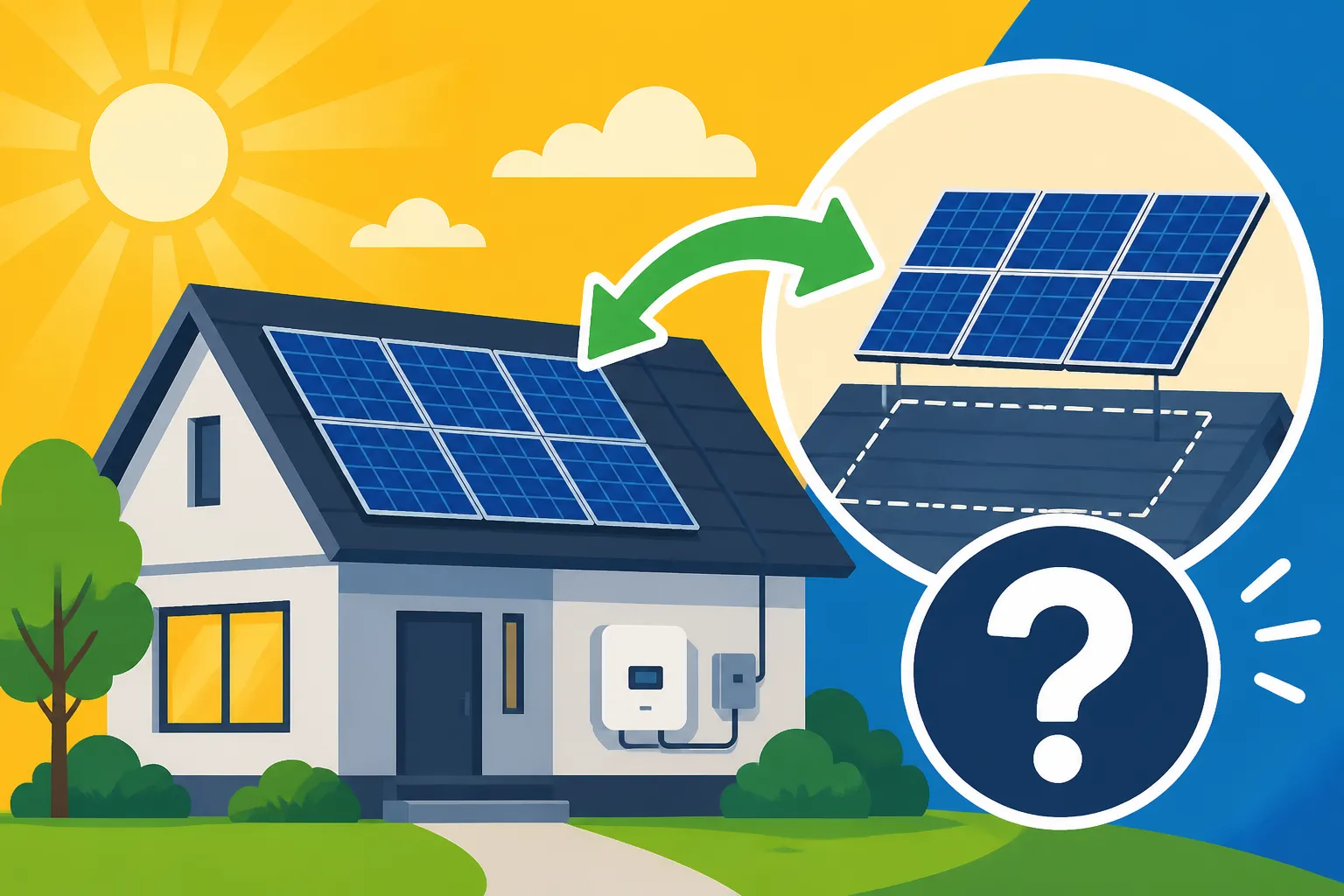
Can You Add More Solar Panels Later?
It’s a common scenario: you took the leap, invested in solar panels, and for a while, everything was perfect. Your electricity bills plummeted, and you felt great about your reduced carbon footprint. But then life happens – maybe you bought an electric vehicle, installed a hot tub, or added an extension to your home, and suddenly, your meticulously sized solar system isn't quite keeping up. If you're wondering whether you're stuck or if you can actually boost your solar power, the good news is you absolutely can add more solar panels later. This guide will walk you through everything you need to know about expanding your existing home solar system, from evaluating your current setup to understanding the practical and financial considerations.
Understanding Your Initial Solar System Design
When you first decided to go solar, a lot of thought likely went into determining the right size system for your home. Installers typically calculate your energy needs based on past utility bills, future projections, and available roof space. However, these calculations are a snapshot in time, and life is rarely static.
The Importance of Accurate Sizing from the Start
Ideally, your initial solar system was designed to cover 100% of your energy consumption, or at least as much as was feasible given your budget and roof space. A well-sized system ensures you maximize your savings, especially if your state or utility offers favorable net metering policies. For instance, in states with strong net metering, any excess energy you produce can be sent back to the grid for credits, effectively turning your meter backward. This is a huge benefit, and under-sizing your system can mean you're still relying heavily on grid electricity, missing out on potential savings.
However, even the most meticulous initial planning can't always predict the future. Perhaps you were conservative with your estimates, or maybe financial constraints at the time meant you had to opt for a smaller system than you truly needed. The frustration of seeing those higher-than-expected utility bills creep back in, even with solar, is real. It's a clear sign that your energy consumption has outgrown your system's capacity, and it’s time to think about an upgrade. Understanding your baseline energy needs and how they've changed is the first step in considering an expansion. If you're curious about how those initial calculations are made, our guide on How Many Solar Panels Do I Need for My Home? offers a great overview.
Components That Impact Future Expansion
Before you even think about adding more panels, it's crucial to understand the main components of your existing system and how they might limit or facilitate an expansion. It’s not just about slapping a few more panels on the roof; there’s a whole intricate dance happening with your equipment.
The inverter is often the biggest bottleneck. It’s the brain of your system, converting the DC electricity from your panels into AC electricity your home can use. Every inverter has a maximum capacity. If you add more panels than your current inverter can handle, you'll either need to upgrade the inverter, add a second one, or risk "clipping," where the inverter limits the output of your panels, wasting potential energy. Our article on Solar Inverters: String vs Microinverter vs Optimizer delves deeper into the types and their capabilities.
Your electrical panel, or breaker box, is another critical component. It distributes electricity throughout your home and connects your solar system to the grid. It also has a maximum amperage rating. Adding a significant number of panels might require a service panel upgrade to safely handle the increased power flowing into your home, which can be an additional, sometimes costly, step in the expansion process.
And of course, there's roof space. While it might seem obvious, many homeowners forget to consider the quality of the remaining roof space. Is it shaded by trees? Is its orientation less ideal than your existing panels? These factors can significantly impact the efficiency and cost-effectiveness of any new panels.
Factors to Consider When Expanding Your Solar System
Deciding to expand your solar system isn't a simple "yes" or "no" question. There are several practical and financial factors you'll need to weigh to ensure it’s a smart move for your specific situation.
Assessing Your Current Setup
The first order of business is a thorough assessment of what you already have. This is where a qualified solar professional becomes invaluable. They can perform a detailed inspection of your existing system, which should include:
- Inverter Capacity: As mentioned, this is key. Your installer will check the maximum AC output rating of your current inverter. If your new panels will push production beyond this limit, you'll need to consider adding a new inverter or replacing the existing one with a larger model. For systems with microinverters (like those from Enphase), each panel has its own inverter, which makes adding panels more straightforward as you simply add more microinverters with the new panels.
- Panel Compatibility: While new panels don't always have to be the exact same brand or wattage as your existing ones, it's often beneficial for uniformity and ease of design. However, mixing different panel types on the same string inverter can sometimes lead to efficiency losses. A good installer will guide you on the best approach, whether it's matching existing panels or integrating new, more efficient models.
- Roof Space and Condition: Are there viable sections of your roof with good sun exposure that aren't currently being utilized? Will these areas be shaded at certain times of the day? Also, consider the age and condition of the roof in these new areas. If you're adding panels to a section of the roof that's nearing the end of its life, it might be wise to consider a partial re-roofing beforehand. Our guide on Can My Roof Hold Solar Panels? might offer some insights here.
The Role of Permitting and Interconnection
Just like your original installation, expanding your solar system isn't a "plug and play" operation. You'll likely need to go through a new round of permitting and interconnection. This can feel like a bit of a bureaucratic maze, but it's essential for safety and compliance.
- Local Building Permits: Most municipalities will require a new building permit for any significant electrical work or structural additions to your home, which a solar expansion certainly qualifies as. This involves submitting updated plans to your local building department, which will review them for adherence to safety codes.
- Utility Interconnection Application: This is arguably the most crucial step. You'll need to submit a new or amended interconnection application to your utility company. They need to approve your expanded system to ensure it can safely connect to their grid and that their infrastructure can handle the increased power flow. This process typically culminates in a new "Permission to Operate (PTO)" once the system passes inspection. Understanding the Solar Permitting & Interconnection (PTO) Explained article can help you navigate this. Be aware that changes in local utility rules, especially regarding net metering, might impact the terms of your new interconnection agreement compared to your original one.
Financial Implications and Incentives
Let's talk money, because that's often the biggest concern. Adding more panels isn't free, but there are financial upsides and potential incentives to consider.
- Cost of Expansion: The cost will depend on the number of panels, inverter upgrades, any necessary electrical panel work, and labor. Generally, the per-watt cost for an expansion might be slightly higher than for a brand-new, larger system because installers are dealing with an existing setup and smaller additional volumes. However, it's often still a very cost-effective way to boost your energy independence. For a deeper dive into costs, check out Solar Panel Cost by System Size (kW).
- Federal Solar Tax Credit: Currently, the federal solar tax credit (Investment Tax Credit, or ITC) offers a significant percentage of the cost of a new solar system (including expansions) as a tax credit. This is a dollar-for-dollar reduction in the income tax you owe, not just a deduction. It's a huge incentive, and fortunately, it applies to new qualified expenditures on existing systems. This means the panels you add later can qualify, provided they meet the criteria. Don't forget to look into this when planning your expansion; it can make a substantial difference in your overall return on investment.
- State and Local Incentives: Beyond the federal credit, many states and local municipalities offer their own incentives, such as state tax credits, rebates, or performance-based incentives (PBIs). These can vary widely, so it's worth researching what's available in your specific area. Our State Solar Incentives: Complete 2026 Guide can be a fantastic resource for this research. Remember, some incentives might have specific eligibility requirements or capacity limits, so check if your expansion qualifies.
- Net Metering Changes: This is a critical one. If your utility's net metering policy has changed since your initial installation, your new panels might fall under different, potentially less favorable, terms. For example, if you're in California, your original system might have been grandfathered into NEM 2.0, but new additions could fall under NEM 3.0, which changes how you're compensated for exported energy. It's vital to understand these potential shifts.
The Step-by-Step Process for Solar System Expansion
Navigating a solar expansion doesn't have to be overwhelming. Breaking it down into manageable steps makes the journey much smoother.
Consulting with a Qualified Installer
This is the most crucial first step. You need an expert eye to evaluate your current setup and advise on the best path forward. Platforms like Modernize can be incredibly helpful here, connecting you with local, reputable solar installers who have experience with system expansions. Don't just go with the first quote; get a few different perspectives.
- Initial Site Visit and Assessment: A good installer will perform a detailed site visit. They'll examine your existing panels, inverter, electrical panel, and remaining roof space. They'll also analyze your updated energy consumption data, looking at recent utility bills to understand your new electricity needs. This comprehensive assessment will form the basis of their recommendations.
- Discussing Your Needs and Goals: Be clear about why you want to expand. Did you add an EV? Install a new heat pump? Your specific needs will help the installer design a system that truly addresses your increased energy demand. They should also explain the pros and cons of different expansion strategies, such as adding a second inverter versus replacing your current one, or integrating new panel technology.
System Design and Equipment Selection
Once the assessment is complete, your installer will move on to designing the expanded system. This phase involves critical decisions about the new components.
- Matching New Panels: While it's often ideal to match your existing panels for aesthetic and electrical compatibility, sometimes newer, more efficient panels are a better choice. For example, if your existing panels are 300W, but current technology offers 400W panels in a similar footprint, the newer panels might be a more efficient use of limited roof space. Your installer will advise on the best approach, ensuring electrical compatibility and optimal performance.
- Inverter Upgrades or Additions: Based on the additional wattage, you might need a new, larger string inverter, or a second string inverter specifically for the new panels. If your system uses microinverters, you simply add more microinverters alongside your new panels. This modularity is one of the distinct advantages of microinverter systems when it comes to expansion. The goal is to ensure your inverter capacity can comfortably handle the combined output of all your panels.
- Electrical Panel Considerations: If the expanded system's output exceeds the current capacity of your main service panel, an upgrade will be necessary. This typically involves installing a larger main breaker or a sub-panel. This ensures that the increased electricity generated by your solar system can be safely integrated into your home's electrical system and the grid.
Installation, Inspections, and Activation
After the design is finalized and permits are secured, it's time for the physical work. The actual installation phase for an expansion is often quicker than the initial system, but it still follows a structured process.
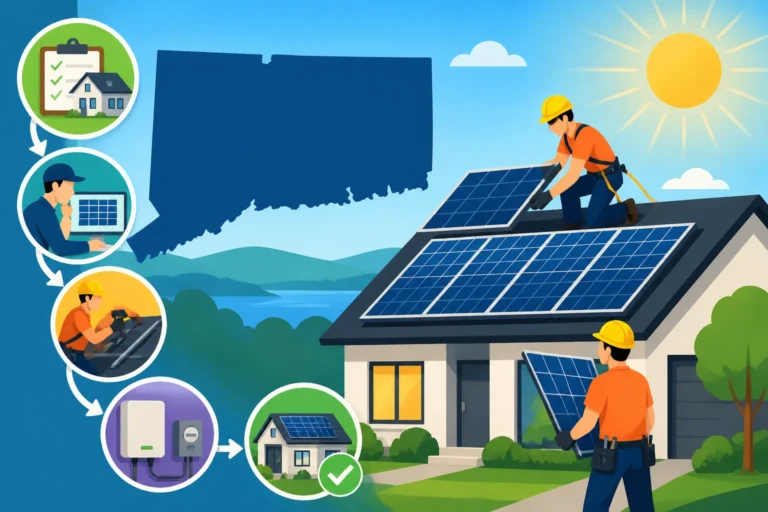
- Physical Installation: The solar crew will mount the new panels, connect them to the existing electrical infrastructure, and make any necessary upgrades to your inverter or electrical panel. They'll ensure all wiring is up to code and that the new components integrate seamlessly with your original system. This step requires precision and adherence to safety protocols, just like the initial installation.
- Electrical Inspection: Once the physical installation is complete, a local electrical inspector will examine the work to ensure it meets all relevant building and electrical codes. This is a critical safety check to protect your home and ensure the system operates correctly.
- Utility Meter Upgrade (if necessary): Your utility might need to install a new net meter or reconfigure your existing one to accurately measure both the electricity you draw from the grid and the excess electricity your expanded system sends back.
- Permission to Operate (PTO): After all inspections are passed and the utility company gives its final approval, you'll receive a new PTO. This is the green light to officially turn on your expanded system and start generating more clean energy! Knowing what to expect during the Solar Installation Timeline: What to Expect can help you anticipate the various stages.
Potential Challenges and How to Overcome Them
Even with careful planning, expanding a solar system can present a few hurdles. Being aware of these common challenges beforehand can help you navigate them more smoothly.
Inverter Limitations and Solutions
We've touched on this, but it's worth reiterating: your inverter is a major component to consider. If you have a string inverter, which manages multiple panels connected in a "string," its capacity is a hard limit.
- Option 1: Clipping: If you add too many panels without upgrading the inverter, you might experience "clipping." This means that on bright, sunny days, your panels will produce more power than your inverter can handle, and the excess energy is essentially wasted. While some minor clipping is acceptable in certain designs, significant clipping reduces your system's efficiency and financial returns.
- Option 2: Add a Second Inverter: This is a common solution. Your installer can add a second string inverter to handle the new bank of panels. This often makes sense if your original inverter is still in good condition and has plenty of life left.
- Option 3: Replace the Inverter: If your existing inverter is old, inefficient, or too small for a substantial expansion, replacing it with a single, larger inverter might be the most cost-effective long-term solution. This might also be an opportunity to upgrade to a newer, more advanced model with better monitoring capabilities.
- Microinverter Advantage: Systems with microinverters avoid this issue almost entirely. Since each panel has its own small inverter, adding panels simply means adding more microinverters. This modularity makes future expansions incredibly flexible and avoids the single point of failure that a central string inverter can represent.
Roof Space and Shading Issues
Roof space is a finite resource, and not all areas are equally productive.
- Limited Usable Area: You might find that the remaining unshaded areas of your roof are small, irregularly shaped, or have less-than-ideal orientations (e.g., north-facing). This could limit the number of additional panels you can install or reduce the efficiency of any new panels.
- Shading Challenges: New panels installed in shaded areas, even partially, can significantly reduce their energy production. In a string inverter system, one shaded panel can even drag down the performance of the entire string. This is where optimizers or microinverters really shine, as they allow each panel to operate independently, minimizing the impact of shade on the overall system. A thorough shade analysis should be part of your installer's assessment.
- Structural Considerations: Before adding panels, ensure your roof can structurally support the additional weight. While solar panels are not excessively heavy, the cumulative weight of multiple panels, mounting hardware, and potential snow loads needs to be accounted for. Your installer will include a structural review as part of their assessment.
Navigating Local Regulations and Utility Policies
The regulatory landscape for solar can be complex and ever-changing, making expansion a bit trickier than the initial install.
- Evolving Net Metering Rules: As mentioned earlier, net metering policies are dynamic. Some states and utilities have shifted from full retail net metering to less favorable "net billing" or "avoided-cost" rates. If your new panels fall under a different policy than your original system, it could impact your overall savings. Always check the current net metering rules in your area when planning an expansion. This is particularly relevant in places like California, where understanding California NEM 2.0 vs NEM 3.0 Explained is crucial.
- HOA Restrictions: If you live in a community with a Homeowners Association (HOA), you might need to seek their approval for any new installations, even if you already have solar. HOAs often have specific aesthetic guidelines or approval processes for exterior modifications.
- Incentive Eligibility: While the federal tax credit generally applies to additions, state and local incentives can be more restrictive. Some might have caps on system size, specific technology requirements, or be designed primarily for first-time installations. Always verify the eligibility of your expanded system for any available incentives. This is another area where platforms like Modernize can help connect you with installers familiar with the latest local regulations and incentives.
Potential Challenges and How to Overcome Them
| Feature | Initial Solar System Considerations | Solar System Expansion Considerations |
|---|---|---|
| Energy Needs | Based on historical usage and minimal future projections | Based on increased usage (EV, additions) |
| Inverter | Sized for initial system | Check existing capacity; may need upgrade, second inverter, or replacement |
| Electrical Panel | Checked for initial system compatibility | May require service upgrade for increased capacity |
| Roof Space | Selection of prime, unshaded areas | Utilizing remaining viable, less optimal, or shaded areas |
| Panel Compatibility | New, uniform panels | May need to match existing or integrate different, newer technology |
| Permitting | Initial permit application for new system | New or amended permit application required |
| Interconnection | Initial application, often under existing net metering rules | New application; may fall under changed net metering/billing rules |
| Incentives | All applicable federal, state, local incentives for new systems | Federal ITC generally applies; state/local may have new eligibility rules |
| Installer Choice | Comprehensive system design & install | Expertise in integrating new & old systems, addressing specific challenges |
| Complexity | Straightforward design and installation | Can be more complex due to integration with existing infrastructure |
Disclaimer
The information provided in this guide is intended for general informational purposes only and does not constitute professional advice. Solar technology, incentives, and regulations are constantly evolving and vary by location. It is crucial to consult with qualified solar professionals and tax advisors to assess your specific situation and make informed decisions.