How Long Does Solar Installation Take in Pennsylvania?
One of the biggest anxieties homeowners face when considering solar panels isn't just the upfront cost, but the looming question of how long the whole process will take. It’s a huge investment in your home and future, and nobody wants to be left in limbo wondering when their utility bills will finally start shrinking. For those of us in Pennsylvania, with our unique blend of local regulations, weather patterns, and utility providers, getting a clear picture of the timeline is essential. This guide will walk you through what to expect, from your first inquiry to flipping the switch on your new solar system.
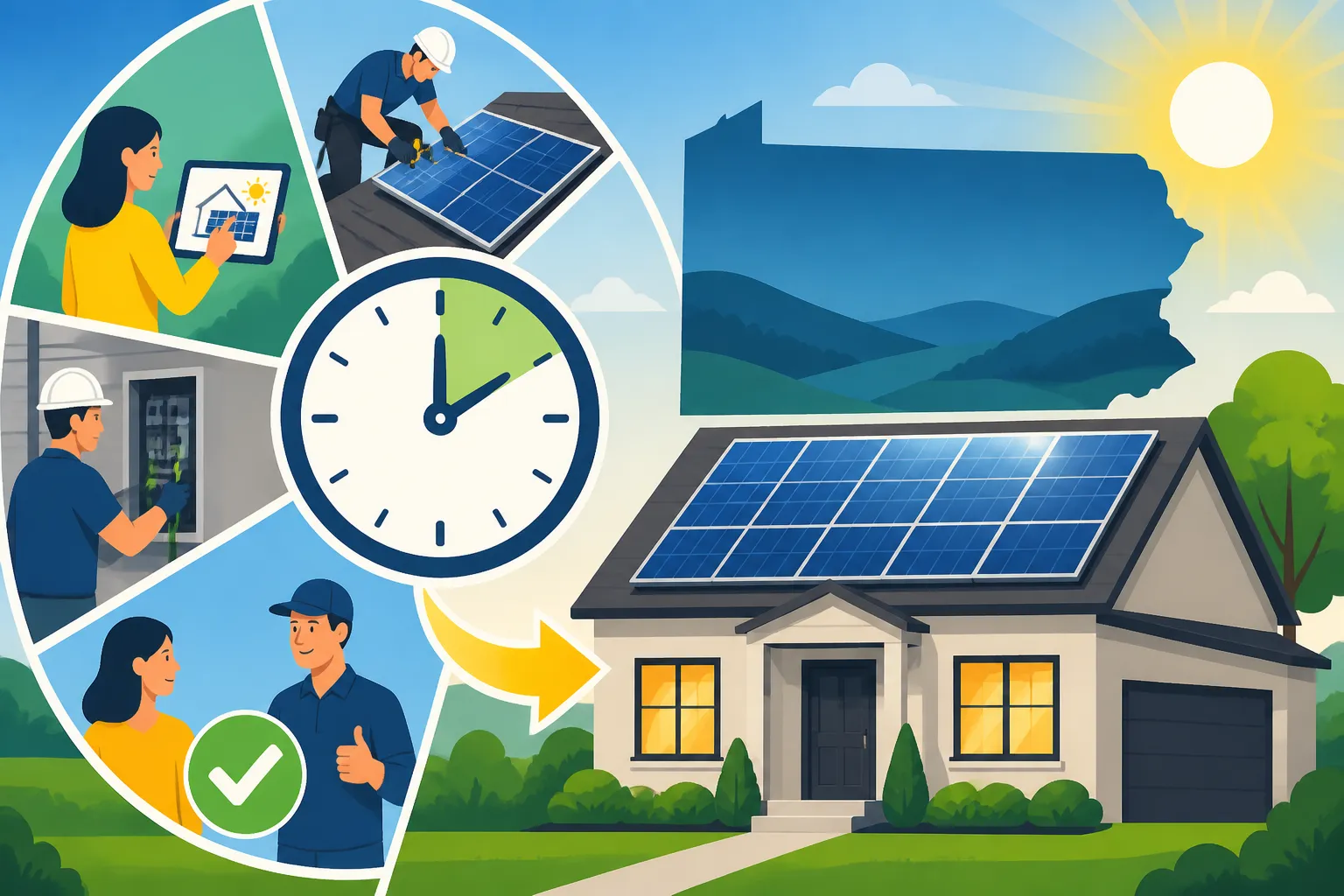
The General Solar Installation Timeline: What to Expect
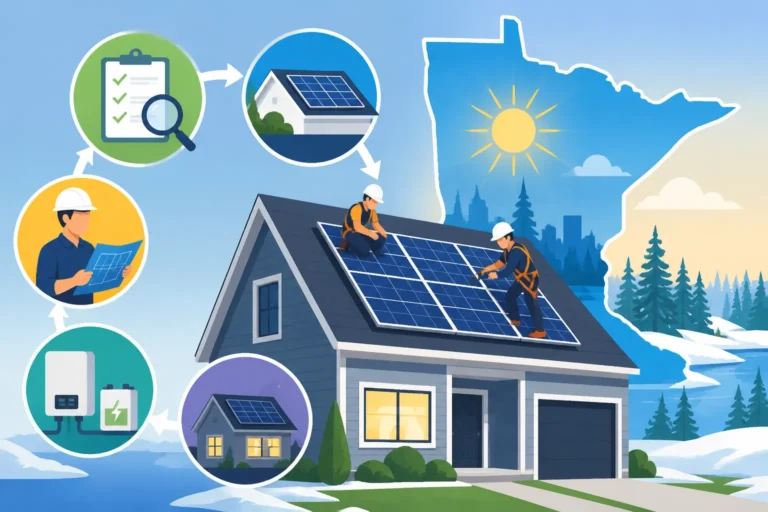
Before we dive into the specifics of the Keystone State, it's helpful to understand the universal stages of going solar. This isn't just about panels on your roof; it's a multi-step journey that involves planning, paperwork, and precise execution. Each step has its own rhythm, and understanding them helps manage expectations.
Initial Consultation and Site Assessment
This is where your solar journey truly begins. You'll typically reach out to a solar installer, often through a platform like Modernize, which connects you with pre-vetted local professionals. During the initial consultation, a sales representative will discuss your energy usage, answer your questions, and provide a preliminary estimate. They'll likely ask to see your past electricity bills so they can gauge how much power you consume and size a system that makes sense for your household.
Following this, a crucial step is the site assessment. This usually involves an in-person visit (though some initial assessments can be done remotely with satellite imagery). A technician will come to your home to evaluate your roof's condition, angle, and shading. They'll check your electrical panel, measure your roof space, and assess any potential obstacles like vents or skylights. This detailed assessment ensures that the proposed system design is both feasible and optimized for maximum energy production. This stage can take anywhere from a few days to a couple of weeks, depending on how quickly you schedule appointments and the complexity of your property.
System Design and Permitting Application
Once the site assessment is complete, the engineering team gets to work designing your custom solar system. This involves deciding on the number and type of solar panels, the inverter system (whether it's string inverters, microinverters, or power optimizers), and how everything will be laid out on your roof. They'll also account for local building codes and fire safety regulations. This design phase usually takes 1-3 weeks.
After the design is finalized and you've approved it, your installer will handle the bureaucratic hurdle: securing permits. This includes submitting detailed plans to your local municipal building department for approval. Permit processes vary wildly from one Pennsylvania town to another. A smaller borough might turn permits around in a week, while a larger city like Philadelphia or Pittsburgh could take a month or even longer. This is often the most unpredictable part of the entire timeline, and it's a phase where homeowners feel the most frustrated because it's largely out of their hands. Understanding the complexities of the Solar Permit Process in Pennsylvania is crucial here.
Equipment Procurement and Scheduling
With permits in hand, your installer can now confidently order all the necessary equipment. This includes the solar panels themselves, inverters, racking, wiring, and any optional components like a solar battery. Lead times for equipment can fluctuate based on supply chain issues or the popularity of specific brands (think high-demand items like a Tesla Powerwall). Typically, this stage can add 2-6 weeks to the timeline.
Once the equipment has arrived and been inventoried, your installer will work with you to schedule the actual installation date. This is usually coordinated to ensure the crew is available, the weather cooperates, and you are prepared for the work to begin. Good installers will keep you informed throughout this process, letting you know when to expect the materials and when their team will be on site.
Understanding Pennsylvania's Specific Factors Affecting Solar Timelines
Pennsylvania is a diverse state, from bustling cities to rural farmlands, and this diversity plays a significant role in how quickly a solar project moves forward. It's not a one-size-fits-all timeline here.
Local Permitting Processes and Municipal Variations
As mentioned, Pennsylvania's decentralized permitting system means there's no single statewide standard. What flies in Lancaster County might be a no-go in Montgomery County without additional paperwork. Some townships are very familiar with solar installations and have streamlined processes, while others might be seeing their first solar application and require more time for review or even bring in third-party inspectors.
For example, a homeowner in a municipality like State College might find the permitting process relatively smooth due to the region's increasing adoption of sustainable practices. In contrast, someone in a smaller, more rural township that rarely sees solar projects might encounter delays as officials learn the ropes. Installers who are well-versed in the specific requirements of various Pennsylvania municipalities, perhaps found through services like Modernize, can navigate these waters more efficiently. They know which forms are needed, who to contact, and what to expect from different building departments, which can significantly reduce the "paperwork paralysis" often experienced during this phase.
Utility Interconnection Standards (e.g., PPL, PECO)
After your solar system is physically installed and passes local building inspections, the next critical step is getting permission from your utility company to connect your system to the grid. This is called interconnection, and it's governed by specific rules from providers like PECO, PPL Electric Utilities, Duquesne Light, and Met-Ed. Each utility has its own application process, technical requirements, and review timelines.
Pennsylvania generally has favorable policies like Net Metering Explained: How It Works by State, which helps homeowners get credit for excess energy sent back to the grid. However, the interconnection application and approval can still take several weeks to a few months. The utility needs to review your system's design, ensure it meets safety standards, and often swap out your old meter for a new net meter that can track both incoming and outgoing electricity. You can't legally operate your system and benefit from net metering until you receive what's called "Permission to Operate (PTO)". This is a common bottleneck, as utility companies operate on their own schedules.
Weather and Seasonal Considerations
Pennsylvania's distinct four seasons definitely impact solar installation timelines. While solar panels are actually quite resilient in colder weather, the installation process itself is highly dependent on safe working conditions.
- Spring and Fall: These are often ideal for installations, offering moderate temperatures and generally stable weather. Installers are usually busiest during these seasons.
- Summer: High heat and humidity can slow down crews, and thunderstorms can cause delays or cancellations. However, longer daylight hours can sometimes offset this.
- Winter: Snow, ice, and freezing temperatures pose significant challenges. Roofs can be slippery, and extreme cold makes working outdoors difficult and sometimes dangerous. Installers might schedule fewer projects, or projects might experience frequent delays due to inclement weather. If you're planning a winter installation, be prepared for potential postponements.
Knowing this, if you initiate your solar project in late fall, for example, be aware that the actual installation might be pushed into early spring due to winter weather.
The Actual Installation Day(s): What to Prepare For
This is the most visible part of the solar process, the exciting moment when the panels go up on your roof. While the preceding stages involve a lot of waiting and paperwork, the physical installation is typically much quicker than people expect.
Panel and Inverter Installation
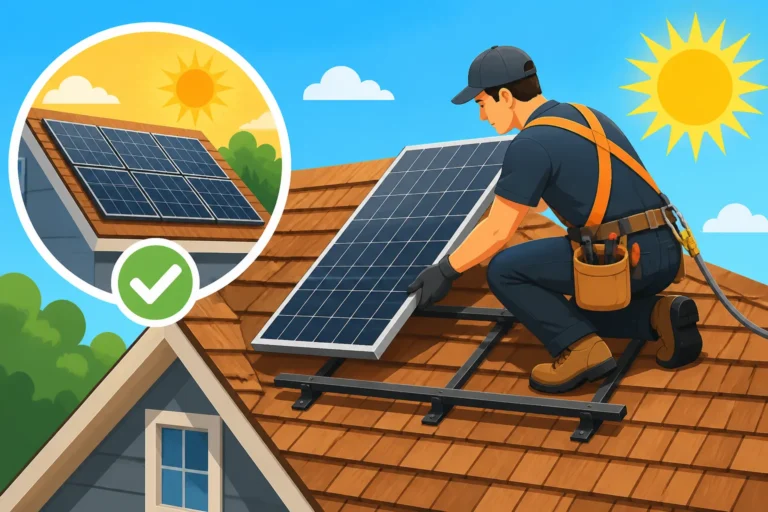
Once all permits are approved and equipment is on site, the installation crew arrives. On day one, they'll typically begin by installing the racking system onto your roof, which serves as the framework for your solar panels. This involves mounting rails securely to your roof rafters. Then, the solar panels themselves are hoisted onto the roof and carefully bolted into place on the racking. Simultaneously, the inverters (or microinverters/optimizers) are installed. String inverters are usually mounted near your electrical panel, while microinverters are attached directly to the back of each panel on the roof.
For an average residential system in Pennsylvania (typically 6-10 kW), this part of the installation usually takes 1-3 days. Larger or more complex systems, such as those requiring significant electrical upgrades or multiple roof sections, might take a bit longer. During this time, you'll see a lot of activity, hear some drilling, and observe your home transforming into an energy-independent powerhouse.
Electrical Work and Final Inspections
After the panels and inverters are securely in place, the electricians on the crew connect the solar array to your home's main electrical panel and, eventually, to the utility grid connection point. This involves running conduits, wiring, and installing any necessary safety disconnects. This is meticulous work that ensures your system is safe, efficient, and compliant with all electrical codes.
Once the physical installation and electrical work are complete, your system will need to pass final inspections. First, the local municipal building inspector will conduct a final check to ensure everything was installed according to the approved plans and local codes. Then, your utility company (e.g., PPL or PECO) will perform its own inspection to confirm the system meets their interconnection requirements. These inspections are crucial steps that must be passed before your system can be energized. Depending on inspector availability, these final checks can add another 1-4 weeks to the overall timeline after physical installation.
Permission to Operate (PTO)
This is the finish line! After your system has passed both the municipal and utility inspections, the utility company will issue your official Permission to Operate (PTO). This document is your green light to turn on your solar system and start generating your own electricity. Without PTO, you cannot legally activate your system and sell excess power back to the grid.
The wait for PTO can feel like forever, especially after all the visible work is done. It can take anywhere from a few days to a few weeks after the final utility inspection, depending on the utility's internal processing times. Once you have that coveted PTO, you can switch on your system and begin enjoying the benefits of solar energy. Don't forget, understanding things like how to claim remaining solar tax credit carryforward or other incentives often hinges on the date your system receives PTO.
Tips for a Smoother, Faster Solar Installation in Pennsylvania
While some parts of the solar installation process are simply out of your hands, there are definitely steps you can take to help keep things moving along as smoothly and efficiently as possible.
Choosing a Reputable Local Installer
This is arguably the most impactful decision you'll make. A good, experienced local installer will have a deep understanding of Pennsylvania's specific regulations, utility requirements, and local permitting quirks. They'll have established relationships with local building departments and utility companies, which can help streamline the process. They'll also be more responsive and better able to troubleshoot issues that inevitably arise.
Look for installers with strong local reviews, certifications (like NABCEP), and transparent communication practices. Don't be afraid to ask for references from previous customers in your area. Using a service like Modernize can help you compare solar installer quotes from vetted companies, ensuring you find a professional team that knows the ins and outs of solar in places like Harrisburg or Scranton. Choosing wisely here can shave weeks off your overall timeline.
Being Proactive with Documentation
Even though your installer handles the bulk of the paperwork, there are things you can do to help. Have your previous 12-24 months of electricity bills readily available. Know your property's history, including any previous renovations or roof work. If your home is part of a Homeowners Association (HOA), start researching their requirements for solar installations early on. HOAs often have their own approval processes and aesthetic guidelines that can add delays if not addressed proactively.
The more information you can provide upfront and the more responsive you are to requests for signatures or additional details, the less likely there will be hold-ups on your end. This also ties into understanding your full array of potential benefits, such as any available Solar Property Tax Exemptions by State or other local incentives that might require specific documentation.
Understanding Your Contract and Communication
Before you sign anything, read your contract thoroughly. Understand the projected timeline, payment schedule, and what contingencies are in place for delays. A clear contract should outline responsibilities for permitting and interconnection. Ask your installer what their typical timeline is for projects in your specific Pennsylvania county.
Maintain open and consistent communication with your chosen solar company. Don't hesitate to ask for updates on permit status, equipment delivery, or inspection scheduling. A good installer will provide regular updates, but if you're not hearing anything, a polite check-in is perfectly acceptable. Knowing what to expect during the Solar Installation Timeline: What to Expect will empower you to communicate effectively and identify any potential slowdowns.
By being informed and proactive, Pennsylvania homeowners can navigate the solar installation process with greater ease and get to the exciting moment of generating their own clean energy faster.
Solar Installation Timeline Breakdown for Pennsylvania Homeowners
Here's a general breakdown of what to expect for a typical residential solar installation in Pennsylvania, keeping in mind that these are estimates and can vary significantly.
| Stage of Installation | Typical Duration in Pennsylvania | Key Factors Influencing Duration |
|---|---|---|
| Initial Consultation & Site Assessment | 1-2 weeks | Homeowner's availability, complexity of roof/electrical, installer scheduling. |
| System Design & Engineering | 1-3 weeks | System complexity, engineering backlog. |
| Permitting Application & Approval | 2-8 weeks (or more) | Local municipal requirements, staff availability, familiarity with solar, completeness of application. |
| Equipment Procurement | 2-6 weeks | Supply chain availability, specific panel/battery choices, installer inventory. |
| Physical Installation | 1-3 days | System size, roof complexity, weather conditions, crew size. |
| Local Inspections | 1-3 weeks | Inspector availability, scheduling, passing initial inspection. |
| Utility Interconnection Application & Approval | 2-8 weeks | Utility company processing times, review period, final meter swap. |
| Permission to Operate (PTO) | 1-2 weeks | Utility internal processing. |
| Total Estimated Time | 3-6 months (average) | All factors combined; can be faster or slower. |
Disclaimer
The information provided in this guide is intended for general informational purposes only. While we strive to provide accurate and up-to-date content, specific timelines for solar installation can vary significantly based on individual circumstances, local regulations, utility company policies, weather conditions, and the specific solar installer chosen. It is always recommended to consult with qualified solar professionals and local authorities for personalized advice and the most current information regarding your specific project.