How Long Does Solar Installation Take in Illinois?
It's completely understandable to feel a bit overwhelmed when considering solar for your home, especially when trying to nail down something as practical as "how long will this actually take?" You're not alone in wondering about the timelines, and honestly, the process can feel a bit murky from the outside. This guide is here to shed some light on the typical solar installation timeline in Illinois, breaking down each step and revealing the factors that can speed things up or slow them down.
Understanding the Solar Installation Timeline in Illinois
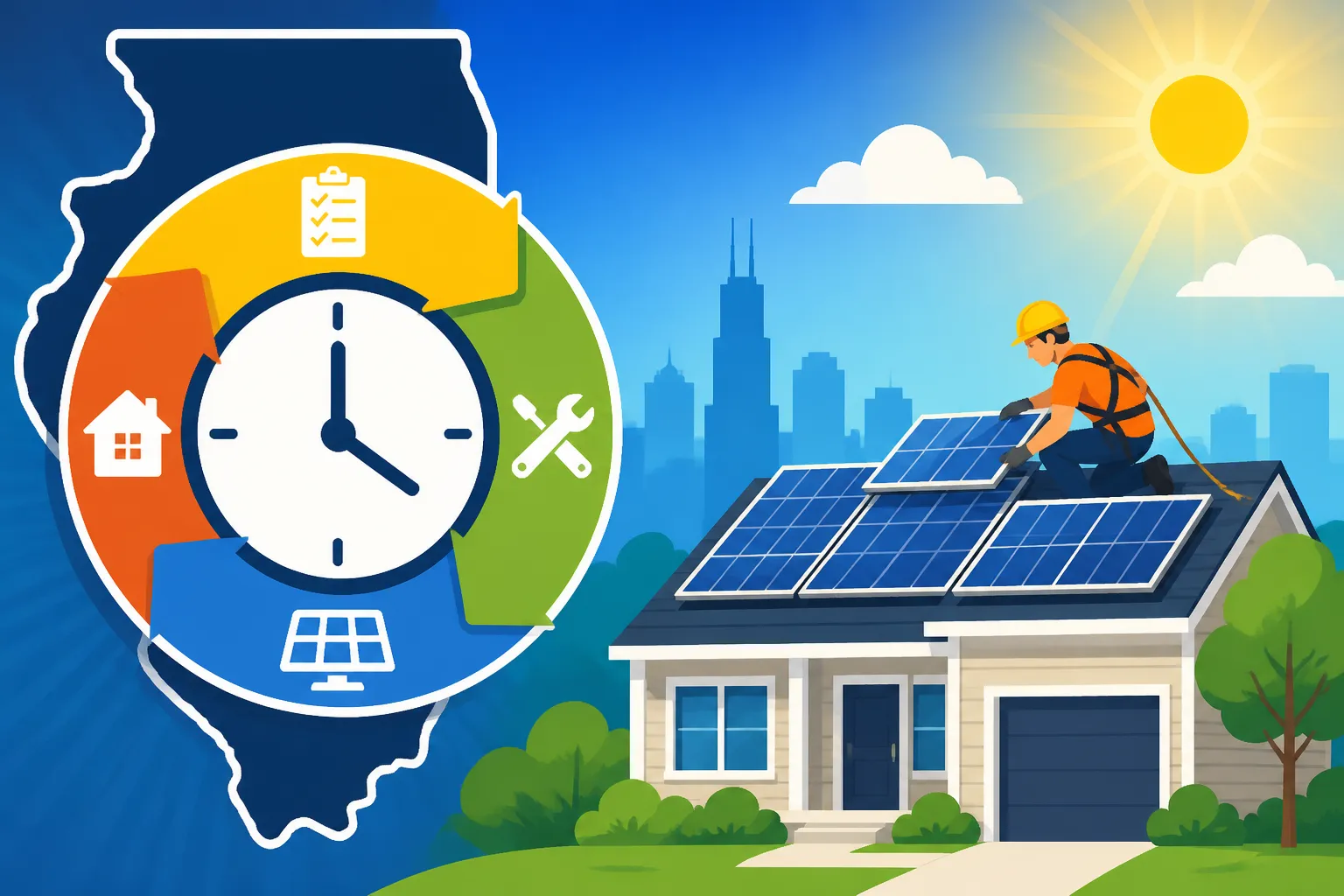
When you ask how long solar installation takes, it's crucial to distinguish between the actual physical work on your roof and the entire journey from deciding to go solar to flipping the switch. The good news is that the physical installation of solar panels on your home in Illinois is remarkably quick, often just 1 to 3 days. However, the complete process, including everything from initial consultations to final utility approval, can realistically stretch anywhere from 2 to 4 months, and sometimes even longer depending on various factors. This comprehensive timeline is what most homeowners truly need to prepare for.
The Short Answer: Physical Installation vs. Full Project Duration
Let's clarify right off the bat: the image you have in your head of workers on your roof, meticulously placing panels – that part is surprisingly fast. Once all the planning, permits, and equipment are in place, a skilled crew can get a standard residential solar system installed and wired in a matter of days. For a typical 6-8 kW system on an asphalt shingle roof, it's usually a one-to-two-day job. More complex systems, larger homes, or trickier roof types might add another day or two.
However, the "full project duration" encompasses a much broader scope. This is the period from when you first contact an installer to when your utility grants you Permission to Operate (PTO), allowing you to start generating your own electricity and sending excess back to the grid. This entire journey is what can take several months, and it's where most of the homeowner's patience is tested. Understanding this distinction is key to setting realistic expectations for your solar journey in the Prairie State.
Why Illinois Timelines Can Vary
Illinois has a robust solar market, thanks in large part to programs like Illinois Shines & Solar for All. While these programs are fantastic for incentives, they also add layers to the administrative process. Different municipalities within Illinois have their own permitting requirements, and utilities like ComEd (serving northern Illinois) and Ameren Illinois (serving central and southern Illinois) have distinct interconnection procedures. This means that if you're installing solar in Chicago versus a smaller town in southern Illinois, your experience with permits and approvals might be quite different, directly impacting your overall timeline.
Deconstructing the Solar Process: Step by Step in Illinois
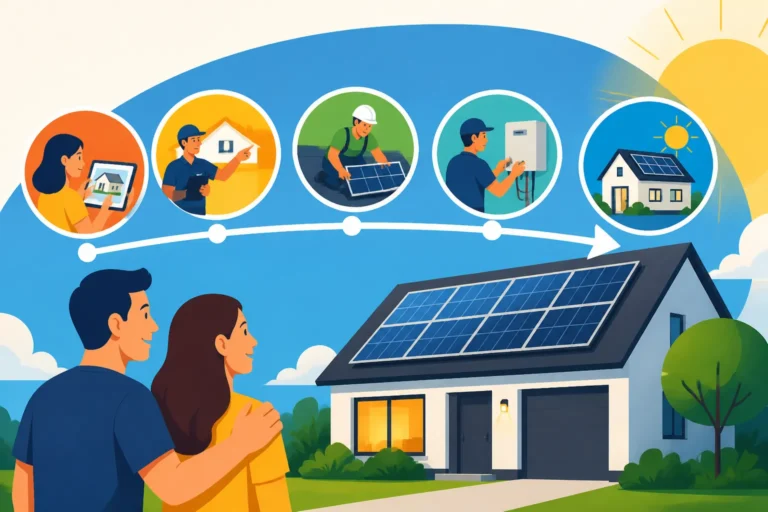
Getting solar isn't a single event; it's a sequence of distinct phases, each with its own timeline and potential for hold-ups. Let's walk through them so you know exactly what to expect.
Initial Consultation and System Design
The very first step is reaching out to solar companies. This usually starts with an initial consultation, either online, over the phone, or in person. During this phase, a solar consultant will assess your energy needs, review your utility bills, and look at your roof's suitability using satellite imagery or a quick site visit. This helps them determine How Many Solar Panels Do I Need for My Home?. They'll then provide you with a proposed system design and a quote. This initial back-and-forth, including getting multiple quotes (which is always recommended to How to Choose a Solar Installer), can take anywhere from a few days to a couple of weeks, depending on how quickly you move and how many options you explore.
Once you decide on an installer and sign a contract, the detailed design work begins. This involves engineers creating precise schematics for your system, considering everything from panel placement to electrical wiring. This design phase typically takes 1 to 3 weeks.
Permitting and Interconnection Agreements
This is often the longest and most unpredictable part of the solar installation journey in Illinois, and it's where many homeowners experience frustration. Before any physical work can begin, your solar installer needs to secure a construction permit from your local municipality or county. Each jurisdiction has its own rules, fees, and processing times. A city like Aurora might have a more streamlined digital process than a smaller village that still relies heavily on paper applications. This phase alone can take 4 to 8 weeks, sometimes more, especially if there are any design revisions required by the permitting office.
Concurrently, your installer will be working on the utility interconnection agreement. This is the official request to your utility company (ComEd, Ameren, etc.) to connect your solar system to their grid. This process is complex, involving technical reviews to ensure your system meets safety and operational standards. For example, ComEd's interconnection application process can be quite detailed. This phase often runs parallel to permitting but can still take an additional 4 to 6 weeks on its own to get official approval. Without both the permit and interconnection agreement, your system cannot be installed or activated. Many homeowners use services like Modernize to connect with installers who are well-versed in these local permitting intricacies.
Equipment Procurement and Physical Installation
Once all the bureaucratic hurdles are cleared, the exciting part begins! Your chosen solar panels, inverters (like those from Enphase or SolarEdge), and any battery storage systems (like a Tesla Powerwall) will be ordered and delivered. While many popular components are readily available, global supply chain issues or specific high-demand models can sometimes cause delays. This procurement phase can add 2 to 4 weeks to the timeline.
With all equipment on site, the physical installation can finally take place. As mentioned earlier, this is the quickest part, typically taking 1 to 3 days. The crew will install the racking system on your roof, mount the solar panels, connect the wiring, install the inverters, and integrate the system with your home's electrical panel. They work efficiently to minimize disruption to your daily life. It’s always impressive to see how quickly a bare roof can be transformed into a power-generating machine!
Final Inspections and Permission to Operate (PTO)
Even after the panels are on your roof, you can't just flip a switch and start generating electricity. First, your local building department will conduct a final inspection to ensure the installation meets all local codes and the approved permit plans. This inspection usually happens within a week or two of the physical installation and might require minor adjustments.
After passing the municipal inspection, the utility company needs to do its own final check. They verify that the system is safely installed and that the new net meter is correctly configured to track both the electricity you draw from the grid and the excess you send back. Once the utility gives its stamp of approval, known as Permission to Operate (PTO), you are officially cleared to turn on your system and begin enjoying your solar power. This final inspection and PTO process can take another 2 to 4 weeks.
Here’s a summary of the typical phases and their estimated durations in Illinois:
| Phase | Typical Duration in Illinois | Notes |
|---|---|---|
| Initial Consultation & Design | 1-3 Weeks | Includes energy assessment, quote generation, and detailed system design. |
| Local Permitting | 4-8 Weeks | Varies significantly by city/county (e.g., Chicago vs. rural areas). |
| Utility Interconnection Application | 4-6 Weeks | Reviewed by utilities like ComEd or Ameren Illinois. Can run concurrently with permitting. |
| Equipment Procurement | 2-4 Weeks | Dependent on availability of specific panels (e.g., Qcells, Jinko Solar) and inverters. |
| Physical Installation | 1-3 Days | The fastest part of the process, once all approvals and equipment are ready. |
| Final Inspections (Local & Utility) | 2-4 Weeks | Local building department and utility company verify safety and compliance. Ends with PTO. |
| Total Estimated Project Duration | 8-16 Weeks (2-4 Months) | This is a realistic timeframe for the entire process from signing to activation. |
Key Factors Influencing Your Illinois Solar Timeline
Several variables can significantly impact how long your solar installation takes from start to finish. Understanding these can help you better manage expectations and potentially even speed things along.
Local Permitting Authority and Utility Company Processes
This is by far the biggest wildcard in any solar installation timeline in Illinois. As mentioned, Chicago has different rules than Springfield, and DuPage County might process permits differently than Cook County. Some cities have dedicated solar permitting teams and online portals, while others may require in-person submissions and have longer review periods. Similarly, working with ComEd might feel different from working with Ameren Illinois; each has its own set of technical requirements and review cycles for interconnection. A proactive installer will be very familiar with these local nuances. You can dive deeper into specific local regulations by looking into resources like Solar Permit Process in Illinois.
Incentive Program Application Processing
Illinois offers excellent incentives, primarily through the Illinois Shines program, which provides Solar Renewable Energy Credits (SRECs). While incredibly beneficial for making solar more affordable and improving your Solar ROI & 25-Year Savings Breakdown, applying for and getting approved for these programs adds administrative steps. The program administrator, the Illinois Power Agency, has its own review process for applications, which can add weeks to your overall timeline. Your installer usually handles this paperwork, but it's another step that requires careful attention and patience. Understanding SRECs Explained: Selling Solar Renewable Energy Credits can help you appreciate this step.
Installer Efficiency and Workload
The solar company you choose plays a massive role in how smoothly and quickly your project progresses. Reputable, experienced installers like those you can find through Modernize, who have strong relationships with local permitting offices and utilities, can often navigate the bureaucratic process more efficiently. They know the common pitfalls and how to avoid them. However, even the best installers can face backlogs during peak solar seasons, especially if they are very popular. A busy installer might have longer lead times for site assessments, design work, or scheduling the actual installation crew. Don't hesitate to ask your prospective installer about their current project queue and typical timelines during your initial discussions.
Equipment Availability and Supply Chain Issues
While improving, global supply chains can still occasionally impact solar projects. If you're set on a particular brand of high-efficiency solar panels or a specific battery storage system that's in high demand, there might be a waiting period for those components to arrive. Most installers stock common equipment or have reliable suppliers, but it's a factor to be aware of. Reputable installers will be transparent about lead times for specific equipment during the quoting process. This is another reason why it's a good idea to research Best Solar Panels of 2026 and discuss availability with your installer.
Home Readiness and Weather Conditions
Before solar panels can even be considered, your roof needs to be in good shape. If your roof is nearing the end of its lifespan, your installer might recommend a Do I Need a New Roof Before Solar? replacement first, which would add considerable time (and cost) to your overall project. Any necessary electrical upgrades to your home's main service panel could also add a few days or weeks to the preparatory work.
And let's not forget Illinois weather! While solar panels are designed to withstand a lot, extreme weather conditions like heavy snow, ice, torrential rain, or high winds can absolutely delay the physical installation. Installers prioritize the safety of their crews, so they won't work on your roof in dangerous conditions. These weather-related delays are often unpredictable but usually only affect the very short physical installation phase.
Navigating Potential Delays and Speeding Up the Process
While some aspects of the solar installation timeline are beyond your control, there are definitely things you can do as a homeowner to help keep things moving and mitigate potential delays.
Proactive Communication with Your Installer
One of the best things you can do is maintain open and consistent communication with your solar installer. Don't be afraid to ask questions about where your project stands in the permitting queue, when they expect equipment to arrive, or what the next steps are. A good installer will provide regular updates, but if you haven't heard anything in a while, a polite check-in is perfectly acceptable. They are your primary point of contact and advocate throughout the process. Services like Modernize can help facilitate this communication by connecting you with reliable professionals.
Preparing Your Home for Installation
Taking care of any necessary home readiness tasks before the solar project officially kicks off can save significant time. If your roof needs repairs or replacement, get that done well in advance. Consider scheduling an electrician to assess your main electrical panel if your installer suggests an upgrade might be needed. Clearing any obstructions around the proposed installation area – whether it's trimming trees causing excessive shade or moving outdoor furniture – can ensure that when the installation crew arrives, they can get straight to work without any hiccups. This foresight can truly shave days off the process.
Understanding Program Specifics and Paperwork
While your installer will handle the bulk of the paperwork for programs like Illinois Shines, having a basic understanding of the requirements can be beneficial. Be ready to provide documents like your utility bills, property deeds, or tax information promptly when requested. Delays often stem from incomplete or incorrect documentation. The quicker you can respond to requests for information or signatures, the faster your application for incentives and permits can move forward. Being prepared helps your installer, which in turn helps your project stay on track.
Asking the Right Questions Upfront
When you're getting quotes and interviewing prospective installers, be sure to ask specific questions about their typical timelines for projects in your specific area. Inquire about their experience with your local permitting office and utility company. Ask about their process for managing delays and how they communicate those to homeowners. A transparent installer will be happy to share this information and provide a realistic outlook on your project's Solar Installation Timeline: What to Expect. This upfront diligence can save you a lot of headaches later on. Knowing What Affects the Cost of Solar Panels? can also help you understand some underlying project factors.
Disclaimer
Please note that the information provided in this guide is for general informational purposes only and should not be considered professional financial, legal, or energy advice. Solar installation timelines and incentive programs are subject to change based on local regulations, utility policies, market conditions, and individual circumstances. Always consult with qualified solar professionals and relevant authorities for advice tailored to your specific situation.