How Long Does Solar Installation Take in New Jersey?
Thinking about going solar in New Jersey is exciting, isn't it? You’re dreaming of lower electricity bills and energy independence. But then reality sets in, and you start wondering, "How long is this actually going to take?" It’s a completely valid question, and frankly, the timelines can feel a bit murky and frustrating. It’s not just a matter of slapping panels on your roof; there's a comprehensive process involved, from initial paperwork to final activation. This guide will walk you through the realistic solar installation timeline in New Jersey, breaking down each step so you know exactly what to expect and how to navigate the journey smoothly.
The Full Solar Journey Timeline in New Jersey: From Curiosity to Connection
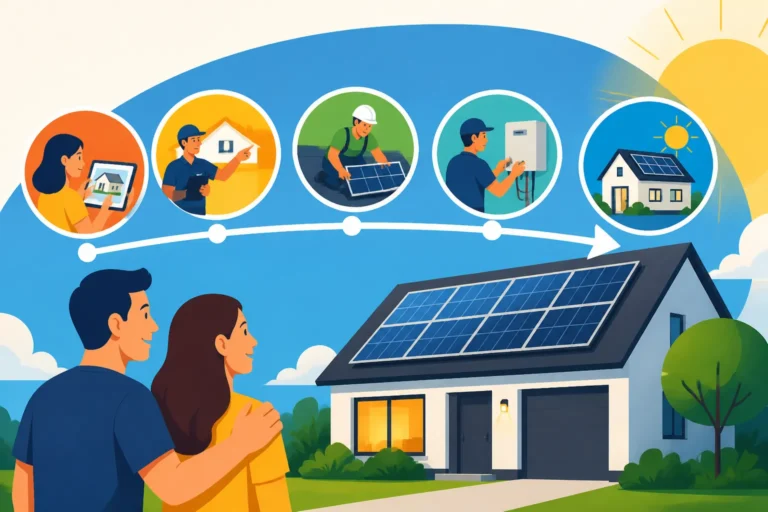
When you decide to go solar in the Garden State, it’s not an overnight transformation. It’s a multi-stage process that involves several parties – your installer, local government, and your utility company. While the actual physical installation might be a quick affair, the entire journey, from your very first inquiry to the moment your system is officially generating power, can span several months. Understanding these phases will help you manage your expectations and feel more in control.
Phase 1: Initial Engagement and System Design (1-4 Weeks)
This is where your solar dream begins to take shape. It’s a critical information-gathering and planning stage that lays the groundwork for your entire project.
Initial Consultations and Quotes: Setting the Stage
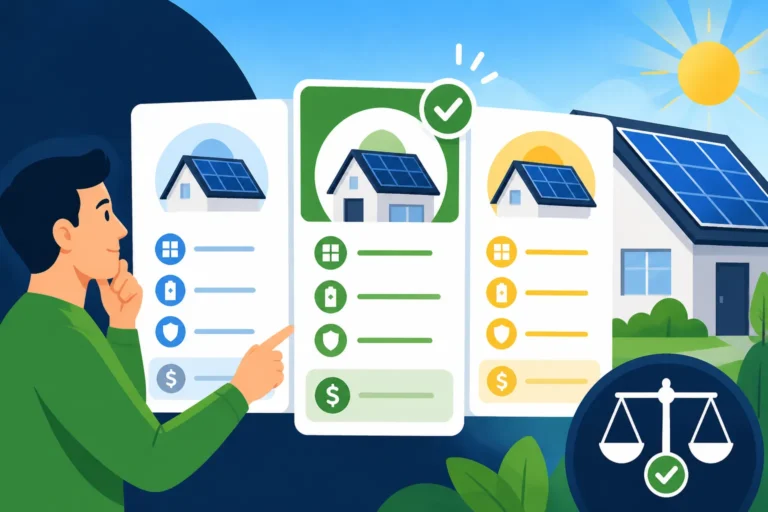
Your solar journey typically kicks off with researching and connecting with potential solar installers. You might spend some time browsing online, reading reviews, and reaching out to companies. This usually involves several conversations where installers assess your needs, answer your questions, and provide initial estimates. Many homeowners find it helpful to compare multiple quotes to ensure they're getting the best deal and service. Platforms like Modernize can be incredibly useful for connecting with pre-vetted installers who operate in your area, streamlining the initial research phase. During these consultations, be prepared to discuss your average electricity usage, your roof's condition, and your financial goals.
Site Assessment and Engineering Design: Getting Technical
Once you’ve chosen an installer, they'll schedule a detailed site assessment. This isn't just a quick look at your roof; it’s a thorough evaluation that often involves drone footage, roof measurements, and an inspection of your electrical panel and attic. The goal is to determine the optimal placement for your panels, identify any shading issues, and confirm your roof’s structural integrity and age. If your roof is nearing the end of its life, your installer might recommend a Do I Need a New Roof Before Solar? replacement beforehand, which would naturally add to your overall timeline. Following the site assessment, the engineering team gets to work designing a custom solar system tailored to your home's energy needs and the specific characteristics of your property. This detailed design includes panel layout, inverter selection (whether it's string, microinverters, or power optimizers), and the wiring schematics.
Phase 2: Permitting and Approvals (4-12+ Weeks)
This is often the phase that surprises homeowners the most with its duration. While the installer handles most of the legwork, it’s entirely dependent on external entities, which can lead to significant waiting times.
Local Building Permits: Navigating Municipal Red Tape
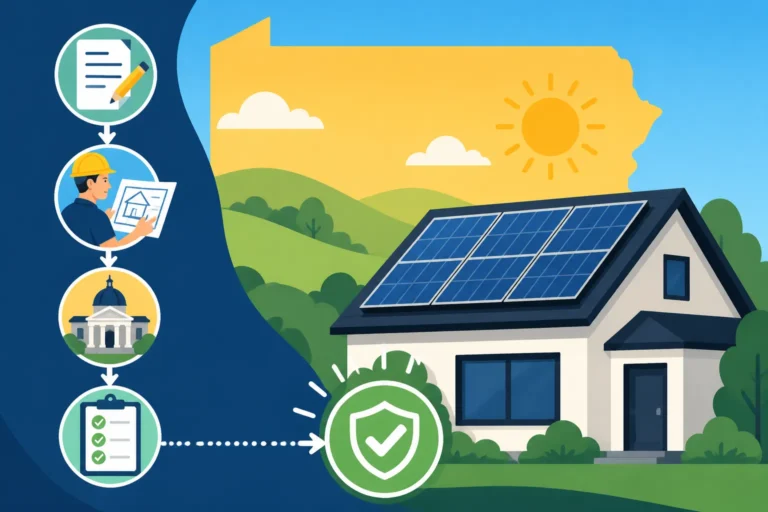
Before any physical work can begin, your solar installer needs to secure the necessary permits from your local municipal building department. This isn't unique to solar; any significant home improvement project requires permits to ensure compliance with local building codes and safety regulations. In New Jersey, permit processing times can vary widely from one town to the next. A smaller, well-staffed borough might turn around permits in a couple of weeks, while a larger city like Newark or Jersey City with a high volume of applications might take months. It's a common source of frustration, as this period is largely out of both your and your installer's control. Your installer will submit the detailed system design and engineering plans, and then it's a waiting game for the municipality to review and approve them. Understanding your local Solar Permit Process in New Jersey can help you set realistic expectations.
Utility Interconnection Agreement: Getting the Green Light from Your Power Company
Alongside local building permits, your installer will also submit an application to your utility company – whether it's PSE&G, JCP&L, or Atlantic City Electric – for an interconnection agreement. This agreement is crucial because it legally allows your solar system to connect to the public electrical grid and send excess electricity back to it, often through a process called net metering. Each utility company has its own specific procedures and timelines for reviewing these applications. They need to ensure that your solar system won't negatively impact grid stability and that all safety protocols are met. This approval process can take anywhere from a few weeks to a few months, and delays here are quite common, as utilities manage a high volume of requests. This step is a critical part of the broader Solar Permitting & Interconnection (PTO) Explained process.
Phase 3: The Physical Installation (1-3 Days)
This is what most people picture when they think about "solar installation." After weeks or months of waiting for approvals, the actual hands-on work is surprisingly swift.
Roof Prep and Mounting: The Hands-On Work
Once all permits and approvals are in hand, your installer will schedule the installation day. On day one, the crew will typically begin by preparing your roof. This involves marking the precise locations for the mounting hardware and ensuring the roof surface is clean and ready. They will then install the racking system – the framework that holds your solar panels securely in place. Reputable installers take great care to seal any penetrations into your roof to prevent leaks, often providing their own workmanship warranties on this aspect. The entire process is designed to be efficient, and a well-trained crew can get this done surprisingly quickly.
Panel and Inverter Installation: Bringing the System to Life
With the racking in place, the solar panels themselves are carefully lifted onto the roof and secured to the mounts. Each panel is then wired to the inverter system. Depending on whether you have a string inverter, microinverters (like those from Enphase), or power optimizers (like SolarEdge), the wiring configuration will differ slightly. The inverters are responsible for converting the direct current (DC) electricity produced by the panels into alternating current (AC) electricity that your home appliances use and that the grid accepts. Finally, the electrical connections are run from the inverter to your home’s main electrical panel. The vast majority of residential solar installations are completed within one to three days, though larger or more complex systems, or those requiring extensive electrical upgrades, might take a bit longer. For a detailed look at the physical work, check out How Are Solar Panels Installed? Step by Step.
Phase 4: Inspections and Permission to Operate (PTO) (2-6 Weeks)
You're almost there! The panels are on your roof, but you can't just flip a switch yet. There are a few crucial final steps to ensure everything is safe and legally connected.
Local Inspections: Ensuring Code Compliance
After installation, your municipality will conduct a final inspection. This inspector's job is to verify that the solar system was installed according to the approved plans and that it complies with all local building and electrical codes. They’ll check the wiring, the mounting, the fire setbacks, and all other safety components. If any issues are found, the installer will need to address them, and a re-inspection may be required, which can add a few extra days or even a week or two to the timeline. This is a standard procedure to protect homeowners and ensure the long-term safety and performance of your system.
Utility Meter Swap and Final Activation: The Finish Line
Once your system passes the municipal inspection, the local authority will notify your utility company. The utility then schedules a visit to install or activate a special "net meter." This bi-directional meter is capable of measuring both the electricity you draw from the grid and any excess electricity your solar panels send back to it. Without this specific meter, you cannot legally operate your solar system and receive credits for your excess generation. Once the net meter is installed and activated, your utility issues a "Permission to Operate" (PTO) notice. This is the moment you've been waiting for! You can finally flip the switch and start generating your own clean electricity. The time from the final municipal inspection to receiving PTO can range from a couple of weeks to over a month, depending on the utility’s schedule and workload. Understanding What Is Permission to Operate (PTO)? is key to knowing when you can finally enjoy your solar power.
Key Factors Influencing Your New Jersey Solar Timeline
While the general steps are consistent, the actual time it takes for a solar installation in New Jersey can swing dramatically based on several factors. It's like navigating traffic on the Turnpike – some days it's smooth sailing, other days you're stuck in a crawl.
Local Government and Utility Efficiency
This is arguably the biggest wildcard in your solar timeline.
Varying Municipalities: Some Move Faster Than Others
As mentioned earlier, New Jersey is a patchwork of municipalities, each with its own building department, staffing levels, and specific permit review processes. For instance, a small, rural town in Hunterdon County might have fewer applications and a more streamlined process, potentially approving permits in two weeks. Contrast that with a densely populated urban center in Bergen County or a town with strict historical district overlays, which could take much longer, sometimes eight weeks or more, due to higher volumes or more complex requirements. It's not uncommon for an installer to submit a flawless application only to wait weeks for it to even be assigned to a reviewer. This variability is a common point of frustration for both homeowners and installers alike, as it's an unpredictable bottleneck.
Utility Provider Differences: PSE&G, JCP&L, Atlantic City Electric
Just like municipalities, New Jersey's major utility companies – Public Service Electric and Gas (PSE&G), Jersey Central Power & Light (JCP&L), and Atlantic City Electric (ACE) – each have their own internal processes for interconnection agreements and PTO. Some are highly efficient and have dedicated solar departments, while others might have longer queues or require more extensive reviews. You might find that one utility consistently processes applications faster than another. Your chosen solar installer will be familiar with the nuances of each utility and can give you a better idea of what to expect based on your specific provider. These utility-specific rules also heavily influence New Jersey Net Metering Rules in 2026.
Your Chosen Solar Installer's Prowess
The company you choose to work with plays a significant role in how smoothly and quickly your project progresses.
Experience and Capacity: Bigger Isn't Always Faster, But Good Project Management Helps
A seasoned solar installer with years of experience navigating New Jersey's regulatory landscape will often have established relationships with local permit offices and utility companies. They understand the specific requirements, know who to contact, and can anticipate potential hurdles. They also likely have robust internal processes and sufficient staff to manage multiple projects concurrently, ensuring that your application doesn't sit idle. Conversely, a newer or smaller installer might struggle with these complexities, leading to delays. It's not necessarily about the size of the company, but their internal project management and dedication to efficiency. When evaluating installers, don't just ask about price; ask about their typical project timelines and how they manage delays.
Communication and Proactiveness: How Well They Keep Things Moving
An excellent solar installer will keep you informed every step of the way, even during periods of waiting. They should be proactive in submitting documents, following up with permitting offices and utilities, and responding promptly to any requests for additional information. A lack of clear communication or a reactive approach can quickly extend your timeline. Imagine being stuck for weeks without an update, only to find out your installer was waiting for a small piece of information from you that they never clearly requested. This is why when you're going through the process of How to Choose a Solar Installer, their communication strategy and reputation for customer service are just as important as the cost.
System Complexity and Home Specifics
The nature of your home and the solar system itself can also influence the project duration.
Roof Condition and Type: Older Roofs, Complex Angles, Electrical Panel Upgrades
If your roof is old, damaged, or has a complex design with many angles, dormers, or obstructions, it will naturally require more time for the site assessment and potentially necessitate a roof replacement or significant repairs before solar installation can proceed. Similarly, if your home's electrical panel is outdated and can't handle the new solar load, an electrical upgrade will be required, adding extra steps and inspections to the process. These aren't necessarily "problems" but rather additional project components that add to the overall timeline.
System Size and Components: More Panels, Batteries, Etc., Can Add Time
A larger solar system, requiring more panels and complex wiring, might take an extra day or two for the physical installation. More significantly, if you decide to include a solar battery storage system, like a Tesla Powerwall or Enphase IQ Battery, this adds another layer of design complexity, permitting requirements, and installation steps. While batteries are a fantastic way to boost your energy independence and take advantage of incentives like those for Solar Battery Incentives in 2026, they will extend the initial installation phase and might even require additional inspections.
Navigating Potential Delays and Accelerating the Process
Knowing that delays are a possibility can feel disheartening, but understanding how to mitigate them and what you can do to keep things moving can empower you. Think of yourself as a co-pilot in this journey with your installer.
Proactive Communication and Documentation
Your active participation, especially in the early stages, can make a difference.
Having Your Paperwork Ready: Property Deeds, Utility Bills
One of the easiest ways to prevent early delays is to have all your necessary personal and property documentation ready when your installer requests it. This often includes recent utility bills (showing your energy usage), your property deed, and any relevant homeowner association (HOA) approvals if you live in a community with one. Delays in providing these documents can hold up the initial design and permitting application submissions. The more prepared you are, the faster your installer can move forward with designing your system and submitting the necessary paperwork.
Asking the Right Questions: Setting Clear Expectations with Your Installer
Don't be shy about asking your installer tough questions regarding timelines. Before signing a contract, ask about their typical project duration for homes in your specific municipality and serviced by your utility. Inquire about their communication process: How often will they update you? Who is your main point of contact? What happens if there's a delay at the permitting office or utility? A good installer will appreciate your thoroughness and provide clear, transparent answers. This dialogue is crucial for setting realistic expectations and identifying potential red flags early on.
The Importance of Choosing the Right Partner
Your choice of solar installer isn't just about the upfront cost; it's about the entire experience and how efficiently they can deliver.
Vetting Your Installer: Checking Reviews, Experience, and Their Project Management Process
Take your time to thoroughly vet potential solar installers. Look beyond just the lowest bid. Check their online reviews on platforms like Google, Yelp, and the Better Business Bureau. Ask for references from past customers, especially those in your area. Inquire about their experience with installations in your specific municipality and with your utility company. A reliable installer will have a proven track record of successfully navigating the New Jersey solar landscape. They should also be able to clearly explain their project management process, from sales to installation to activation. Tools like Modernize can help you find local, reputable companies with a solid track record.
Understanding Warranties and Guarantees: Beyond Just the Timeline
While this guide focuses on timelines, it's important to remember that the quality of your installation and the longevity of your system are paramount. Always review the warranties offered by your installer, including equipment warranties (panels, inverters, batteries), performance guarantees, and workmanship warranties. A robust warranty package, covering components and the installation itself, provides peace of mind long after the installation is complete. It shows that the installer stands behind their work, which often correlates with a commitment to quality and efficiency throughout the entire project. Don't forget to understand Solar Panel Warranties Explained before making a final decision.
Realistic Expectations: A Sample New Jersey Solar Project Timeline
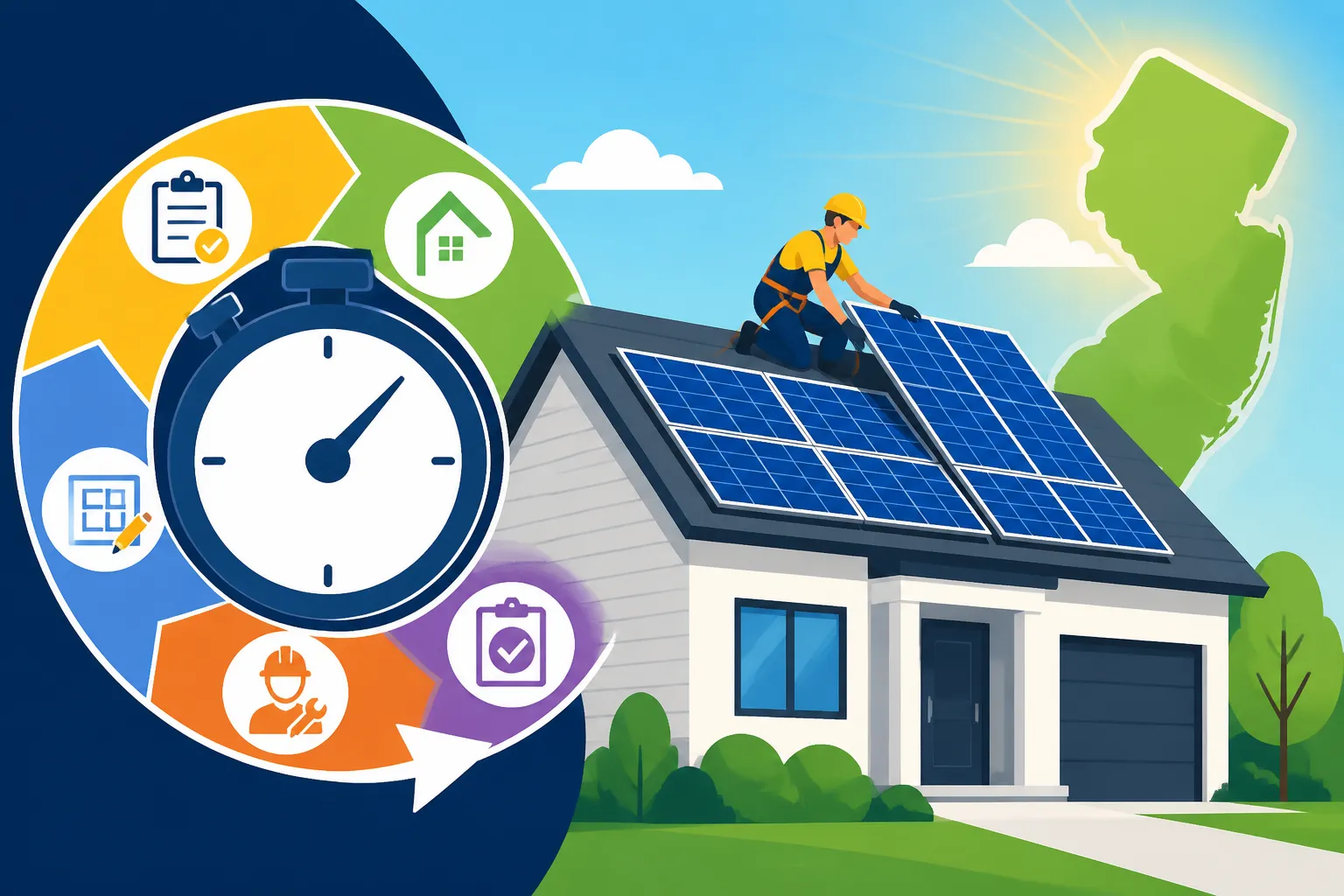
Let’s put it all together. While every project is unique, here's a realistic breakdown of what you might expect for a standard residential solar installation in New Jersey. Keep in mind these are averages, and your specific project could be faster or slower.
| Phase | Description | Typical Duration (New Jersey) |
|---|---|---|
| Initial Consultation & Design | Installer assessment, system design, contract signing. | 1-4 Weeks |
| Permitting & Utility Interconnection | Submission to local building department and utility, review, and approval. | 4-12+ Weeks |
| Equipment Procurement | Ordering and delivery of panels, inverters, and mounting hardware. (Often overlaps with permitting) | 2-6 Weeks |
| Physical Installation | Racking, panel, inverter, and electrical component installation. | 1-3 Days |
| Local Inspections | Municipal inspector verifies compliance with codes. | 1-3 Weeks |
| Utility PTO (Permission to Operate) | Utility installs net meter, gives final approval to turn on the system. | 2-6 Weeks |
| Total Estimated Timeline | From initial contact to system activation. | 2-5 Months (or more) |
As you can see from the table, the actual physical installation is just a tiny fraction of the overall solar journey. The bulk of the time is spent in the administrative and approval stages. Don't be alarmed if your project takes longer than the "typical" average; many factors are at play. The key is to stay patient, communicate regularly with your installer, and remember the long-term benefits of your investment. While you're waiting for everything to come online, you can even explore additional financial opportunities like the New Jersey SREC-II / SuSI Program Guide to maximize your return.
Maximizing Your Solar Investment While You Wait
Even during the waiting periods, there are proactive steps you can take to ensure your solar investment is optimized from day one, both financially and practically. This downtime isn’t wasted; it’s an opportunity.
Understanding Incentives and Financials
While your system is moving through the approval queues, it’s a great time to ensure you fully grasp all the financial benefits available to you.
New Jersey's SREC-II / SuSI Program: How It Works
New Jersey has historically been a leader in solar incentives, and its current Successor Solar Incentive (SuSI) Program, which succeeded the SREC-II program, is a prime example. This program provides fixed payments for every megawatt-hour (MWh) of solar electricity your system generates, known as a New Jersey Solar Renewable Energy Certificate (NJ-SREC-II). Understanding how to track and sell these certificates can add significant value to your solar investment. Your installer should provide guidance on this, but educating yourself on SRECs Explained: Selling Solar Renewable Energy Credits will help you ensure you’re maximizing every possible revenue stream from your new system once it’s active. These incentives are a huge part of what makes solar so attractive in the state.
Property and Sales Tax Exemptions: Additional Savings
Beyond generation-based incentives, New Jersey offers significant tax benefits for solar homeowners. The state provides a 100% property tax exemption for the added value of a solar energy system. This means that even though solar panels increase your home's value, you won't pay higher property taxes because of them. Furthermore, solar energy equipment and services are exempt from state sales tax. These exemptions significantly reduce the overall cost of going solar and enhance your long-term return on investment. It's smart to confirm these benefits with your installer or a tax professional to ensure you’re accounting for all the savings available to you. Learning about Solar Property Tax Exemptions by State and Solar Sales Tax Exemptions by State can help you understand the full scope of these benefits in New Jersey.
Preparing Your Home for Installation
Using the waiting period to prepare your home can prevent last-minute snags and ensure a smoother installation process when the crew finally arrives.
Roof Maintenance: Getting Repairs Done Beforehand
If your site assessment revealed any minor roof repairs or maintenance that would be beneficial before solar panel installation, the permitting and approval phase is the ideal time to get these done. Addressing worn shingles, minor leaks, or structural issues proactively can save you headaches down the road. It ensures that your roof is in optimal condition to support your solar system for its entire lifespan, typically 25 years or more. Coordinating these repairs during the waiting period means there won't be any delays once your installer is ready to mount the panels.
Tree Trimming: Ensuring Optimal Sunlight
Overhanging branches or nearby trees can cast shadows on your solar panels, significantly reducing their energy production. If your site assessment identified any shading issues, now is the time to schedule professional tree trimming or removal. Clearing these obstructions ensures your panels receive maximum sunlight, optimizing your system’s efficiency and your long-term energy savings. While some shading might be unavoidable, mitigating what you can while waiting for permits is a smart move that directly impacts your system's performance and payback period.
Disclaimer
The information provided in this guide is for general educational purposes only and should not be considered financial, tax, or legal advice. Solar incentives, regulations, and timelines can change frequently. Always consult with a qualified solar professional, tax advisor, and your local authorities for the most accurate and up-to-date information specific to your situation in New Jersey.