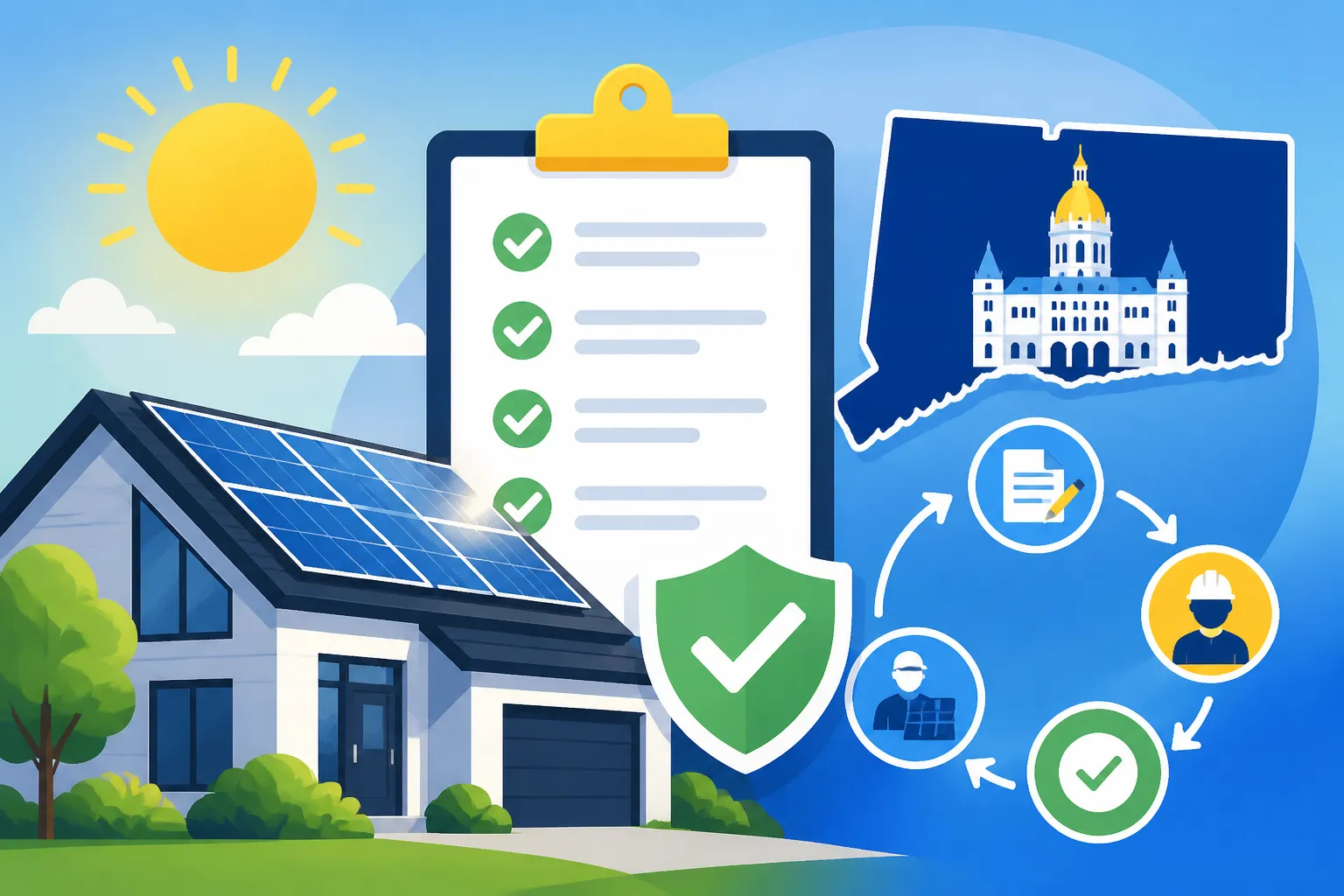
Solar Permit Process in Connecticut
Thinking about going solar in Connecticut? That's fantastic! But let's be real for a moment: navigating the permit process can feel a bit like trying to solve a Rubik's Cube blindfolded. It's not always a straightforward path, and the specifics can change dramatically from one town to the next, leaving many homeowners feeling overwhelmed and unsure where to even begin. This comprehensive guide is here to untangle that complexity, walking you through the solar permit process in Connecticut so you can approach your project with confidence and clarity.
Understanding Connecticut's Approach to Solar Permitting
Connecticut is a beautiful state with a strong commitment to clean energy, but when it comes to solar permitting, it operates a little differently than some other places. Instead of a single, unified statewide solar permit that covers everything, the bulk of the responsibility for reviewing and approving solar installations falls to individual cities and towns. This decentralized approach has its nuances, and understanding them is the first step toward a smooth installation.
The Decentralized Nature of Permitting
Imagine applying for a building permit for an addition on your home; you'd go through your local town hall, right? Solar installations in Connecticut often work the same way. Each municipality — be it Hartford, Stamford, New Haven, or a smaller town like Redding or Essex — typically has its own set of specific requirements, forms, and timelines. This means that while the general principles of solar safety and electrical codes are consistent statewide, the administrative hoops you jump through can vary significantly.
What might be a simple sign-off in one town could involve multiple departmental reviews and specific engineering stamps in another. You might find different interpretations of the state building code, or even distinct zoning ordinances that dictate where panels can be placed on your roof or property. This variability is precisely why many homeowners feel a bit lost in the initial stages, and it's certainly not uncommon to find that what flies in one part of the state might require extra steps just a few miles down the road. This is one area where having a local, experienced installer really shines, as they'll likely have a working knowledge of the specific rules and quirks of your particular town.
The Importance of a Good Installer
Given the localized nature of permitting, choosing the right solar installer in Connecticut isn't just about getting a good price; it's about partnering with someone who understands the labyrinth of local regulations. A reputable installer acts as your guide through this permitting maze, handling the vast majority of the paperwork, submissions, and communications with your local building, electrical, and zoning departments. They're often the ones who've built relationships with local code officials and know exactly what each town expects.
Think about it: trying to navigate obscure local ordinances, fill out dozens of forms, and ensure your plans meet specific structural or electrical codes can be a full-time job. For a homeowner, it’s an overwhelming prospect. A professional installer, however, does this day in and day out. They’ll ensure your system design meets all requirements, from proper setbacks to structural load calculations, and they'll prepare and submit all necessary documentation on your behalf. Many homeowners find peace of mind using services like Modernize, which connect them with pre-vetted local installers who are familiar with the permitting landscape in different Connecticut municipalities. This partnership is crucial for avoiding delays and ensuring your project moves forward efficiently.
Key Steps in the Connecticut Solar Permitting Process
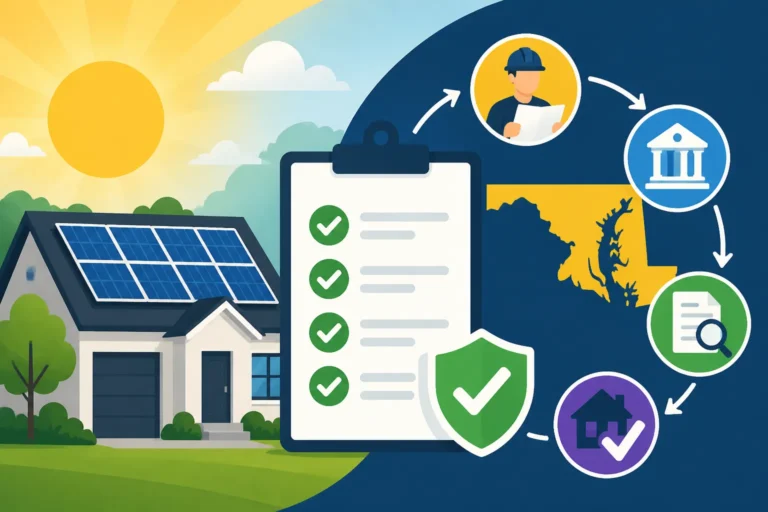
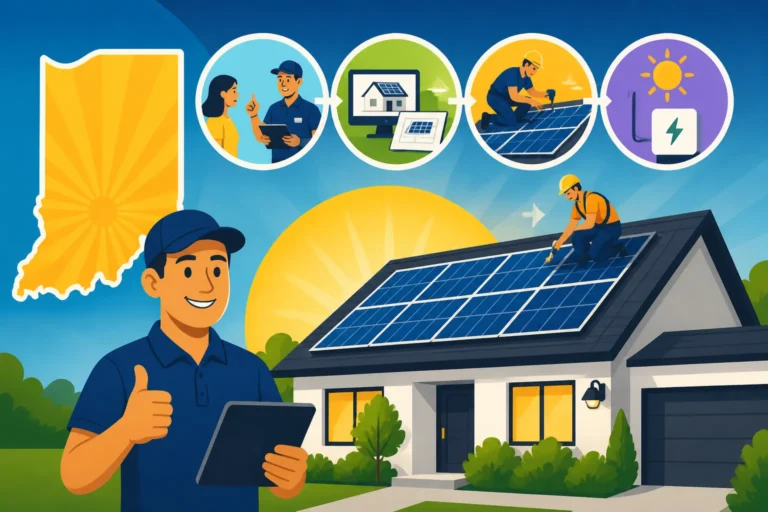
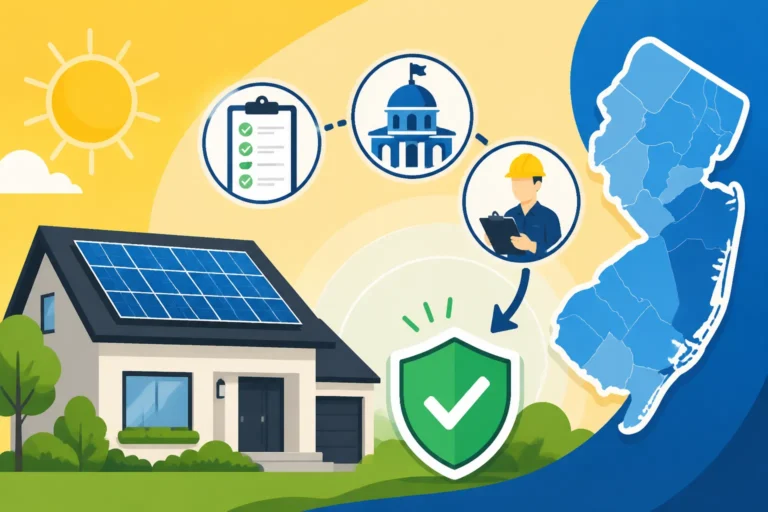
While the specifics might vary by town, the general progression of getting your solar permits in Connecticut follows a predictable series of steps. Understanding this sequence can help you know what to expect and empower you to ask the right questions throughout your solar journey. This process runs somewhat in parallel with the Solar Installation Timeline: What to Expect and the larger Solar Permitting & Interconnection (PTO) Explained process that includes utility approvals.
Initial Site Assessment and Design Approval
Before any paperwork can even be considered, your chosen solar installer will perform a detailed site assessment. This isn't just a quick look at your roof; it's a comprehensive evaluation of your home's energy consumption, roof condition, shading, and structural integrity. They'll examine your existing electrical panel to ensure it can handle the new solar load and assess potential issues like roof age or pitch, which might impact the system's viability or efficiency. You might even want to consider if you need a New Roof Before Solar.
Based on this assessment, the installer will design a custom solar energy system tailored to your home's needs and local conditions. This design includes detailed schematics, electrical diagrams, structural plans, and equipment specifications (panels, inverters, racking, etc.). These preliminary designs are absolutely critical because they form the foundation of your permit application. Without a thoroughly engineered and approved design, your application won't get very far with local authorities. This phase often involves a back-and-forth with the homeowner to finalize the system size, panel layout, and any aesthetic considerations before moving to the formal permitting stage.
Assembling and Submitting Permit Applications
This is where the rubber meets the road, administratively speaking. Your installer will compile a comprehensive permit application package. This package typically includes, but isn't limited to:
- Building Permit Application: A standard form required by your local building department, detailing the proposed construction.
- Electrical Permit Application: Required by the electrical inspector to ensure the system's wiring and components meet National Electrical Code (NEC) standards.
- Zoning Permit Application: If your town has specific zoning ordinances regarding solar installations (e.g., setbacks from property lines, height restrictions, or visibility rules), a separate zoning review might be required.
- Detailed Site Plans: Drawings showing the exact location of the panels on your roof, inverter placement, conduit runs, and other system components. These should include property lines, existing structures, and any relevant easements.
- Electrical Single-Line Diagrams: Technical drawings illustrating how the solar panels connect to the inverter, electrical panel, and ultimately the utility grid.
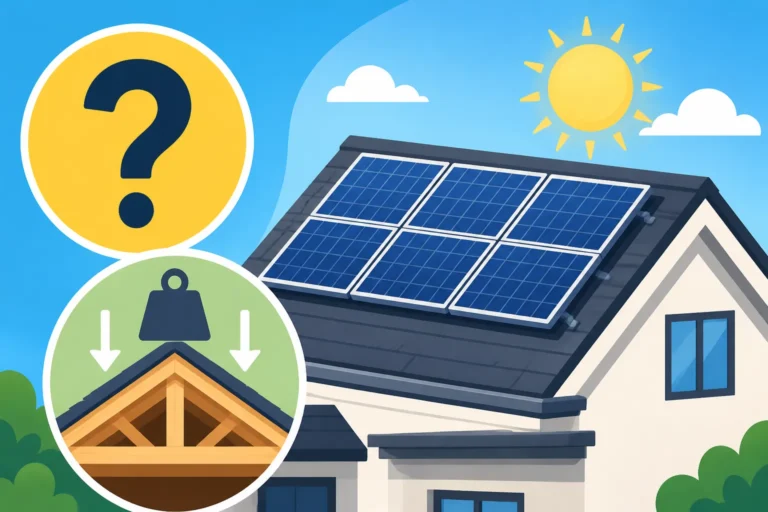
- Structural Analysis: Calculations performed by a licensed engineer to confirm that your roof can safely support the additional weight of the solar panels and racking, especially important for older homes or specific roof types.
- Equipment Specifications (Spec Sheets): Documentation for all major components, including solar panels, inverters (like those from Enphase or SolarEdge), and mounting hardware, demonstrating they are certified and meet safety standards.
- Fire Safety Plan: Showing access pathways for emergency responders and rapid shutdown capabilities, as required by fire codes.
As you can see, it's a lot. The exact forms and the level of detail required can vary significantly between municipalities in Connecticut. For example, a suburban town might have a simpler process than a densely populated city that has stricter historic district guidelines. Your installer will be well-versed in these nuances. Once assembled, the application package is submitted to the relevant departments in your town, usually the building department, which then coordinates with electrical and zoning. This is when the waiting game often begins as officials review everything.
Inspections and Final Approval
After your permit application is approved and the physical installation of your solar panels is complete, a series of inspections will be scheduled. These inspections are a critical safeguard to ensure that the installed system meets all local and state building, electrical, and safety codes.
Typically, you'll encounter a few types of inspections:
- Building Inspection: This primarily focuses on the structural integrity of the installation, ensuring the racking system is securely attached to your roof and that the roof itself remains sound. They'll also check for proper flashing and weatherproofing to prevent leaks.
- Electrical Inspection: A licensed electrical inspector will verify that all wiring, conduits, inverters, and disconnects are installed correctly and safely, adhering to the National Electrical Code and any local amendments. This is where they confirm proper grounding, overcurrent protection, and the functionality of rapid shutdown features.
- Zoning Inspection (if applicable): If your town had specific zoning requirements, an inspector might verify that the installed system complies with those rules, such as setback distances or height limitations.
Once all necessary local inspections are passed, your town will issue a final approval or certificate of completion. However, even with local approval, your system isn't quite ready to generate power for the grid. The final crucial step is obtaining Permission to Operate (PTO) from your utility company (e.g., Eversource or United Illuminating). This typically involves the utility installing a new net meter or updating your existing one. Only after you receive this official PTO can you legally turn on your system and begin enjoying the benefits of solar energy.
Common Hurdles and How to Overcome Them
No process as complex as solar permitting is entirely without its challenges. Even with an excellent installer, homeowners in Connecticut might encounter a few common hurdles. Being aware of these can help you manage expectations and work effectively with your solar provider.
Navigating Local Bureaucracy and Varied Requirements
As we discussed, the biggest hurdle often comes from the decentralized nature of permitting in Connecticut. Each town's permitting department might have its own unique quirks, internal processes, and interpretations of codes. This can lead to:
- Varied Documentation Needs: What one town considers a complete structural plan, another might deem insufficient, requesting additional engineering details or calculations.
- Different Review Timelines: Some smaller towns with fewer applications might process permits quickly, while larger municipalities with heavier caseloads or fewer staff can take weeks or even months for a full review.
- Departmental Coordination Issues: Sometimes, the building department might sign off, but the electrical or zoning department might have further questions, causing delays as information is shared (or not shared) between departments.
The best way to overcome these frustrations is to work with an installer who has a proven track record in your specific municipality. They'll know which officials to talk to, what specific forms are needed, and what nuances to prepare for. They can anticipate common questions or requirements unique to your area, proactively submitting extra documentation if they know it will be requested. Open and consistent communication with your installer is key here; don't hesitate to ask for updates on the permit status. Tools like Modernize can help streamline this by getting you in touch with experienced local professionals who know the drill for solar panel installation in Connecticut.
Understanding Costs and Fees
Permitting isn't free, and there are various fees associated with getting your solar project approved. These costs are typically folded into your overall solar installation quote, but it's good to understand what they entail.
- Permit Fees: These are fees charged by your local municipality for processing your building, electrical, and possibly zoning permits. They can range from a few hundred dollars to over a thousand, depending on the system size and local fee schedules. These fees help cover the administrative costs and the salaries of the inspectors who review your plans and perform site visits.
- Engineering Fees: For the structural analysis and detailed electrical schematics, your installer will often hire licensed engineers. These engineering stamps are a requirement for permit approval in most, if not all, Connecticut towns to ensure the system's safety and compliance. These costs are generally included in your total system price.
- Interconnection Fees: While separate from local permitting, you will also pay a fee to your utility company (like Eversource or UI) for the interconnection agreement and the installation of a net meter. This is covered in more detail in our article on Solar Permit & Interconnection Fees.
It's important to ask your installer for a clear breakdown of these fees in your quote. While they might seem like "hidden costs," they are necessary parts of a safe and compliant installation. An honest installer will be transparent about these charges. If you're comparing quotes, make sure these fees are included so you're comparing apples to apples. While your installer will manage most of this, using platforms such as Modernize can still offer a good starting point to find reputable companies that are transparent about their pricing.
The Interconnection Process with Your Utility
Beyond the local permits, there's the essential step of getting approval from your electric utility. In Connecticut, this means working with either Eversource or United Illuminating (UI), depending on your location. This is often referred to as the "interconnection" process, and it's what allows your solar system to connect to the main power grid.
The utility interconnection application typically requires detailed technical information about your proposed system, including panel wattage, inverter specifications, and safety disconnects. They need to ensure that your system won't negatively impact the stability or safety of their grid. Once they review and approve your application, an interconnection agreement is signed, and you receive final permission to operate (PTO) after all inspections are passed and a new net meter is installed. Without PTO, your system cannot legally export excess power back to the grid, which is crucial for maximizing your savings, especially if you benefit from Net Metering Explained: How It Works by State. Just like with local permits, your installer will handle the utility interconnection application on your behalf, leveraging their experience with Eversource and UI requirements to keep things moving.
What to Expect During the Process
Embarking on a solar journey can be exciting, but understanding the timeline and what your role will be is crucial for a smooth experience. The entire permitting and installation process, from signing a contract to flipping the switch, can take time. Patience and good communication with your installer are your best allies.
Typical Timelines for Connecticut Solar Permits
It's natural to wonder how long this whole permit process will actually take. Unfortunately, there's no single answer, as it varies widely based on your specific town and the complexity of your project. However, we can offer some general expectations:
- Design & Engineering: 1-3 weeks. This phase involves your installer creating detailed plans for your system.
- Permit Application Submission & Review: 4-12 weeks, sometimes longer. This is the longest variable part of the process. In smaller, less bureaucratic towns, it might be quicker. In larger cities like Stamford or New Haven, or if there are specific zoning challenges, it can extend significantly. Some towns have specific review cycles for permit applications, or might require additional departmental sign-offs that add to the timeline.
- Utility Interconnection Application & Approval: 2-6 weeks. This runs somewhat parallel to the local permitting but is dependent on your installer providing the correct technical documentation to Eversource or UI.
- Installation: 1-3 days. The physical installation itself is usually very quick once permits are in hand.
- Inspections: 1-3 weeks after installation. Scheduling and passing local building and electrical inspections.
- Utility PTO: 1-3 weeks after inspections. This is when your utility changes out your meter and gives you the green light.
So, from signing your contract to having an operational system, you're generally looking at 2-5 months, but it could be longer in complex situations. This is why managing expectations from the outset is so important. Your installer should provide a more precise timeline based on their experience with your local municipality. For more insights on this, read our guide on how long solar installation takes.
Your Role as a Homeowner
While your solar installer handles the heavy lifting of the permitting process, you, as the homeowner, still have an important role to play.
- Provide Necessary Information: Be ready to provide your installer with utility bills (to determine historical energy usage), property deeds, and any existing surveys or blueprints of your home. This information is crucial for accurate system design and permit applications.
- Be Responsive: Your installer might occasionally need quick sign-offs on documents or answers to questions from permitting officials. Responding promptly can prevent unnecessary delays.
- Understand Your Contract: Carefully review your solar contract to understand what your installer is responsible for regarding permits and what, if anything, falls to you. This also includes understanding the costs involved, as discussed in our Solar Panel Cost Per Watt Explained article.
- Ask Questions: If anything in the permit process seems unclear, don't hesitate to ask your installer for clarification. A good installer will be happy to explain each step.
- Prepare Your Property: Once the installation is imminent, you might need to ensure access to your electrical panel, attic, or roof, and clear any potential obstructions for the installation crew.
By being an informed and engaged homeowner, you can help ensure that the permit process moves as smoothly as possible, leading to a quicker and more efficient solar installation experience. Remember that the goal is to get to a point where your system is generating clean energy, and a well-managed permitting process is a significant part of that journey. If you're still looking for an installer who understands these local nuances, services like Modernize can be a valuable resource to connect you with reputable contractors in your area.
Comparing Connecticut Solar Permitting Considerations
To give you a clearer picture of how diverse permitting can be, let's look at some general considerations across different types of Connecticut municipalities. Keep in mind these are generalizations, and specific town ordinances can always introduce unique requirements.
| Feature/Aspect | Small Rural Town (e.g., Kent, East Haddam) | Suburban Town (e.g., Glastonbury, Milford) | Major City (e.g., Hartford, New Haven, Stamford) |
|---|---|---|---|
| Typical Review Time | 4-8 weeks | 6-10 weeks | 8-12+ weeks |
| Zoning Scrutiny | Often less stringent, focus on setbacks if ground-mount | Moderate, may have aesthetic or visibility guidelines | Higher, potential for historic district rules, strict setbacks |
| Building/Elec. Code | Standard CT State Building Code, possibly fewer specific local amendments | Standard CT State Building Code, some local amendments | Standard CT State Building Code, more specific local amendments & interpretations |
| Required Documents | Standard set: site plan, electrical, structural | Standard set plus potential aesthetic/visual impact docs | More detailed engineering, potentially third-party reviews, additional forms |
| Communication Ease | Often easier, more direct access to officials | Generally good, can involve multiple departments | Can be complex, may require formal appointments/channels |
| Permit Fees Range | Lower end of spectrum ($200-$500) | Mid-range ($400-$800) | Higher end, can exceed $1,000 for larger systems |
Note: These are general estimates. Actual times and requirements can vary widely based on individual town staffing, workload, specific project details, and any unique local ordinances.
Maximizing Your Chances for a Smooth Permitting Process
Given the complexities, taking a strategic approach to the permit process can save you headaches and delays. This involves being proactive and working closely with your solar installer.
Choosing the Right Partner
This cannot be stressed enough: your installer is your most important asset in the permitting process. When you're in the market for solar, don't just ask about pricing and equipment. Ask prospective installers about their experience with permitting in your specific town. Inquire about:
- Local Experience: Do they have recent projects in your town? Do they know the specific officials or departments involved?
- Permit Management: What is their process for handling permits? Do they have a dedicated permitting team?
- Transparency: Will they keep you updated on the permit status? Will they provide you with copies of all submitted documents?
A reputable installer will be transparent about timelines, potential challenges, and how they plan to navigate the local bureaucracy. Don't be afraid to read reviews or ask for references from customers in your area. Check out our guide on How to Choose a Solar Installer for more tips.
Preparing for Potential Challenges
Even the best-laid plans can hit a snag. Being mentally prepared for potential challenges can reduce stress if they arise.
- Unexpected Delays: Permitting offices can be understaffed, overwhelmed, or simply slow. Understand that delays are sometimes out of your installer's control, but they should still communicate them clearly.
- Additional Information Requests: A permitting official might request more detailed engineering drawings, specific product certifications, or clarification on certain aspects of your design. Your installer should handle these requests promptly.
- Code Interpretation Differences: Sometimes, there can be slight variations in how different inspectors or departments interpret state building codes. A skilled installer will be adept at addressing these and finding mutually agreeable solutions.
- Local Aesthetic Rules: Some towns, especially those with historic districts or strong homeowner associations, might have aesthetic requirements for solar installations, such as limiting visibility from the street or requiring specific panel colors. This is part of Roof Considerations for Solar Panels and should be addressed during the initial design phase.
By understanding that these issues can arise, you can approach your solar project with a realistic mindset. Most of the time, these challenges are minor speed bumps, not roadblocks, and an experienced installer will know exactly how to navigate them effectively. Ultimately, going solar in Connecticut is a smart investment, and a thorough permitting process ensures your system is safe, compliant, and ready to save you money for decades to come.
Disclaimer
Please remember that the information provided in this guide is intended for general informational purposes only and does not constitute legal or professional advice. Solar permitting rules and regulations in Connecticut are subject to change and can vary significantly by municipality. Always consult with a qualified, local solar installer and your local permitting authority for the most accurate and up-to-date information regarding your specific project.